Lit Hub Weekly: May 4 - 8, 2026
THE BEST OF THE LITERARY INTERNET
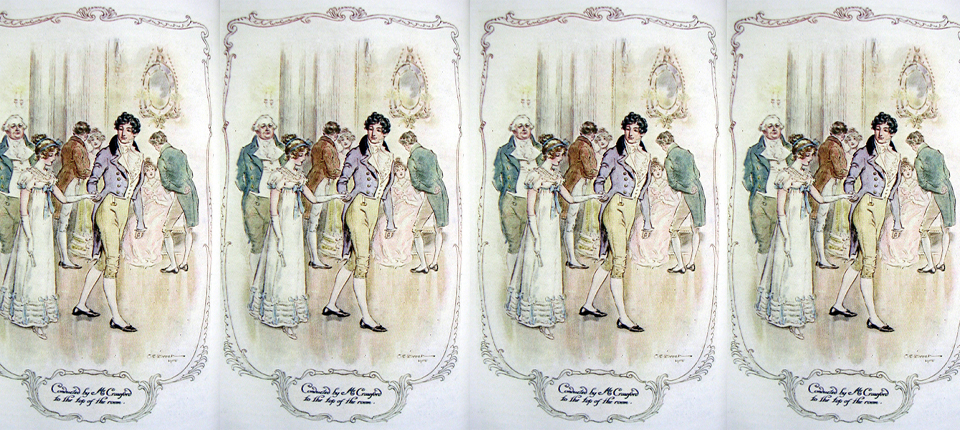
- Elizabeth Zaleski compiles a list of the Western literary canon’s greatest farts. | Lit Hub Reading Lists
- “As it happens, most early readers of my novel have found Dickens less sympathetic than I do.” On Charles Dickens and other bad men who are very good writers. | Lit Hub Craft
- Clara Hillis on the poetics of Light and Thread, Han Kang’s first nonfiction work to be published in English. | Lit Hub Criticism
- Xuela Zhang writes against righteousness in poetry: “I am nauseated by the certainties transnational poets are expected to keep performing.” | Lit Hub Poetry
- Louis Staples considers the “hustle myth” at the heart of The Devil Wears Prada. | Harper’s Bazaar
- “Anyone who regularly stands in front of a classroom will recognize this paradox: the best way to learn something is to teach it.” Michael Gorra reflects on his teaching life. | NYRB
- What happens when algorithms erase indigenous languages? | Wired
- Ed Caesar considers the mysteries of Jonathan Swift’s epitaph. | The New Yorker
- Scott Fitzgerald’s Chesterfield coat is up for sale at the New York Antiquarian Book Fair (for a cool $25,000). Elise Taylor traces its long, mysterious journey there. | Vanity Fair
- Brontez Purnell remembers meeting his friend, punk icon and poet Bambi Lake: “But, oh honey, that was not going to stop us.” | The Paris Review
- “I saw the man dismiss me not even as a stranger. He dismissed me as a part of the natural world.” Laurie Stone on resisting measurement. | Dirt
- Eileen Jobes considers the false promises of corporate thrillers. | Jacobin
- Morley Musick reports on the murder of Silverio Villegas González by ICE and Operation Midway Blitz. | n+1
- Kimberlé Crenshaw talks to Amy Goodman about her new memoir, the Voting Rights Act, and what gives her hope. | Democracy Now!
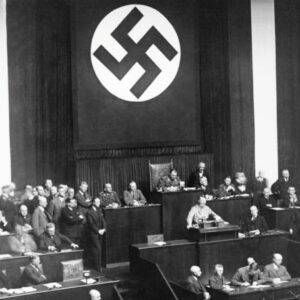
- “Despite their meticulously curated reputation for ruthless invincibility, the leaders of the Third Reich were sensitive to mockery and satire.” Hank Kennedy chronicles the Nazi war on cartoons. | The Comics Journal
- Five major publishers (including Hachette and Macmillan) and Scott Turow have filed a class-action lawsuit against Meta and Mark Zuckerberg, alleging that they illegally used copyrighted works to train Meta’s AI program. | The New York Times
- Brianna Di Monda examines how Vigdis Hjorth writes about family history: “This is her central knot: no matter how much she writes, the core injury remains unresolvable.” | The Baffler
- “Make believe. What a wonderful phrase for the active commitment we make to fiction.” Mac Barnett on a life in children’s books. | Longreads
- How children’s books in the 1980s introduced (and sometimes simplified) the stories of Vietnamese refugees in America. | JSTOR Daily
Also on Lit Hub:
Kaveh Akbar considers genocide and justice • Maria Semple on writing the same novel over and over • Saying yes to the “weird book inside of you” • The domestic advice manuals that preceded tradwife influencers • Writing a Jewish gothic horror novel • Who’s the best monster in (contemporary) literature? • What scientific mediocrity can teach about writing novels • The consequences of stigmatizing imperfect motherhood • Octopuses and the human instinct for caregiving • You can make time to read War and Peace • Elizabeth Strout talks to Jane Ciabattari • Juliet Faithfull remembers having “no frame of reference for free speech” • The necessity of hope in the fight against climate crisis • Why constraints encourage creativity • Some classical Greek wisdom • How do you confront the infidelities of a father and a grandfather? • Books on the power of the strange • What objects reveal about their owners • Read “Mise en Abyme,” a poem by Lisa Russ Spaar • Ocean Vuong’s first photography exhibition • The violence of conversion therapy • Why sitting outside is Eileen Myles-coded • 5 book reviews you need to read this week • Surgery as a transcendent experience • Are you the asshole if you think most writers are bad? • This week’s Independent Press Top 40 Bestsellers for fiction and nonfiction • On writing about cults • We need more books about old women • Reimagining The Canterbury Tales in post-Soviet Ukraine• What our Google searches reveal about humanity and grief • Why writing stories for children is hard • Lesbian identity and the gendered politics of ugliness • The best reviewed books of the week • Why every writer should have some kind of trick • How mothers embody a different kind of magic • The disappearances of girls in 20th century Ireland • Finding yourself (and your novel) at the beach