Lit Hub Weekly: April 20 - 24, 2026
THE BEST OF THE LITERARY INTERNET
- Caroline Bicks unearths the word “clitter” and other wild discoveries while reading the first draft of Stephen King’s Pet Sematary. | Lit Hub Criticism
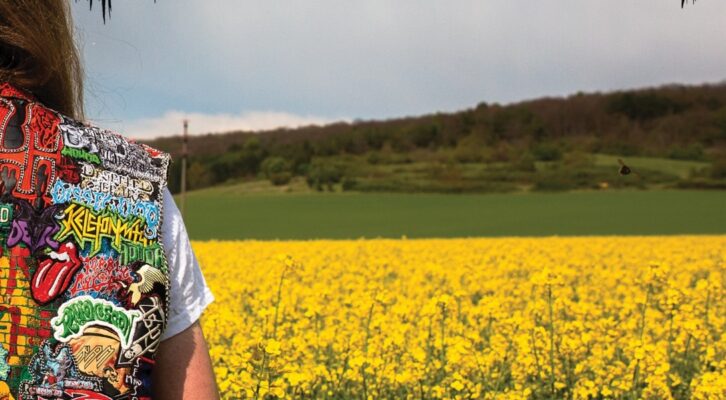
- “Possibly the greatest lesson I got from the zine is that writing is about community.” How zines taught Jeff Miller to be a novelist. | Lit Hub Craft
- Why do we hate the word moist? Science may actually have an answer. | Lit Hub History
- Quinn Slobodian and Ben Tarnoff investigate how (and when) Elon Musk took his hard turn to the right. | Lit Hub Politics
- “If we can’t have the nineties back, we can build a life of things that might feel transportative.” Hanif Abdurraqib considers our nostalgic longing for inconvenience. | The New Yorker
- Tim Requarth dives into the AI writing panic—and wonders if it obscures a larger issue. | Slate
- What happens when newsrooms get into the prediction market game. | The Verge
- Research suggests that preschool can narrow reading achievement gaps. | JSTOR Daily
- “As with any community, isolated to pursue their own purposes, there is trouble related to that isolation.” On Carlos Reygadas, Miriam Toews, and Mennonites in Mexico. | Dirt
- “Oddly, from a writer who has been consistently ridiculed for TMI, I wanted to know more.” Kaitlyn Greenidge considers what Lena Dunham’s memoir leaves out. | Harper’s Bazaar
- “The first storyteller of my life is losing her stories.” In her forthcoming book, Jesmyn Ward reflects on translating her early life on the page. | Vanity Fair
- Hua Hsu considers Karen Tei Yamashita’s Questions 27 & 28. | The New Yorker
- Noah Hawley reflects on his time at Jeff Bezos’ “Campfire retreat”: “When presented with the opportunity for empathy, even performative empathy, he chose escape.” | The Atlantic
- Pankaj Mishra considers Wolfgang Koeppen’s The Hothouse, a novel informed by Koeppen’s prescient belief in the “insidious persistence of the ancien régime in Europe.” | The Nation
- On Molly Crabapple’s Here Where We Live Is Our Country and how the Jewish Labor Bund stood against Zionism. | Jacobin
- The chronically online afterlives of Infinite Jest. | LARB
- Justin Neuman makes the case for engaging deeply with the reality of AI, and making distinctions between its uses. | The Hedgehog Review
- “The only divinity a novel can really accommodate is its author, and the closest thing to faith a novelist can convincingly evoke is doubt.” Max Norman considers Knausgaard’s Faustian bargain. | The Drift
- On Seamus Heaney’s “deeply felt sense of obligation to the work of being a poet.” | NYRB
Also on Lit Hub:
How cannabis became the countercultural drug of choice • Novels of queer domesticity • How Arturo Schomburg built a library and made history • Healing after trauma through writing • When Mae West was sentenced to ten days in jail for obscenity • The history between The Beatles and Bob Dylan • In praise of writing in bed • Books about women with secret lives • Jayne Anne Phillips talks to Jane Ciabattari • How Lewis and Clark influenced American literature • Why 1963 established The Rolling Stones’ bad boy image • What happens to writers when they don’t write? • Placelessness, pop culture, and the panopticon of spectacle • On Shakespeare’s commas in translation • The history (and future) of prophetic predictions • What bumblebees can teach about writing • The perfect gift guide (for mothers who are writers) • Life in the Maine woods • 5 book reviews you need to read this week • The twelve-year struggle to write a political debut novel • How nature helps us tell time • This week’s Independent Press Top 40 Bestsellers for fiction and nonfiction • On early aughts “women’s fiction” • Why artists should embrace errors • The best reviewed books of the week • Trying to capture the history of reproductive rights • A short history of our drowned towns • Library of America and the role of great American writers