Lit Hub Weekly: August 10 - 14, 2026
THE BEST OF THE LITERARY INTERNET

- When a wealthy university donor can silence one of the world’s leading genocide scholars, it exposes the problem with for-profit higher education. | Lit Hub Politics
- On The Catcher in the Rye at 75, Hemingway, and the influence of war on the history of American masculinity. | Lit Hub Criticism
- Why the art of writing an obituary is more about capturing life than death. | Lit Hub Biography
- The best way to get people interested in your lit mag? Mail them free copies, obviously. | Lit Hub Advice
- “We have traded a system that was biased and commercially distorted for one that is biased, commercially distorted, and prone to simply making things up.” Five writers reflect on the long fall of the internet. | Boston Review
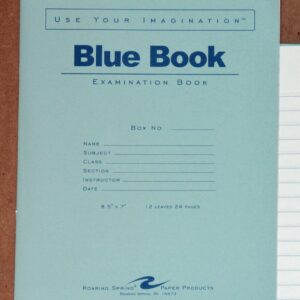
- “It deserves to live on not because of what it rejects but because of what it makes possible: thinking on the page, a hallmark of the humanities that is indispensable to their value.” Walt Hunter on the humble, essential blue book. | The Atlantic
- After six decades, The Battle of Algiers still inspires ideas and actions. | Jacobin
- “I wish I were not so divided; I wish I could live mentally where I am physically. But that, evidently, is not my fate.” Karan Mahajan on writing about India from America. | The New Yorker
- Why writing detectors are contributing to more suspicion and paranoia around AI, not less. | The Verge
- Saeed Jones connects with a Lyft driver named Mister Anthony over history and race. | Oxford American
- Lincoln Michel considers the horrors of revision (and offers a few bits of advice). | Counter Craft
- Jill Lepore on the technofascists who fundamentally misunderstand classic science fiction. | Wired
- “This was among the first books that asked women how they felt about sex, rather than telling them what to feel.” Rosa Campbell looks at The Hite Report. | Aeon
- “Nazi Germany was indeed unique in its particular ghoulishness, ambitions, and scope… but, as Koeppen’s trilogy suggests, it was neither an aberration nor was it to be even for a short while an end to such atrocities.” Deborah Eisenberg on Wolfgang Koeppen’s postwar novels. | New York Review of Books
- Jamaica Kincaid tells Kaitlyn Greenidge about arguing with editors, working as a backup singer, and shaving her eyebrows (before anyone else). | Harper’s Bazaar
- On running a bookstore/skateshop in Ballerina Farm country. | The Paris Review
- David Hollingshead breaks down the war between humanists and the humanities. | Defector
- Sam Huber considers the late feminist theorist Kate Millet’s parallel career as a sculptor. | New York Review of Books
- Elizabeth Brogden examines the role of heterotopic literature in the era of content creation. | Full Stop
Also on Lit Hub:
Why oil companies choose profit over the planet • The pressure to perform online during pregnancy • These books expose the myths of Silicon Valley • The short story is here to stay • Téa Obreht talks to Jane Ciabattari about writing Sunrise • Steven W. Thrasher on new books by Alfredo Carpineti and Chanda Prescod-Weinstein • The “element of dissonance” in Rosalind Belben’s novel, Is Beauty Good • Authors answer our questions about literary life • The importance of “supposedly depraved art” • How Hannah Arendt examined antisemitism as Hitler rose to power • Books to read if you’re thinking about the Roman Empire • The impact of World War II on Howard Zinn’s historical perspective • How ideas of race and place influenced Harry Belafonte’s music • The conservative, Christian, and ultra-nationalist roots of the global anti-trans movement • Why dating apps are moving into the literary space • 5 book reviews you need to read this week • What’s on Ed Park’s TBR? • How the Dar Prize stands apart from the literary nationalism of the Russian state • Why Maggie Nelson’s The Argonauts is an achievement in perspective • Am I the asshole for abandoning fantasy fiction? • Husam Maarouf on why he founded Gaza Publications • Following Octavia Butler’s advice to write a novel • The decline of American democracy • The best reviewed books of the week • On the roots of agency, for humans and other creatures alike