Lit Hub Weekly: June 1 - 5, 2026
THE BEST OF THE LITERARY INTERNET
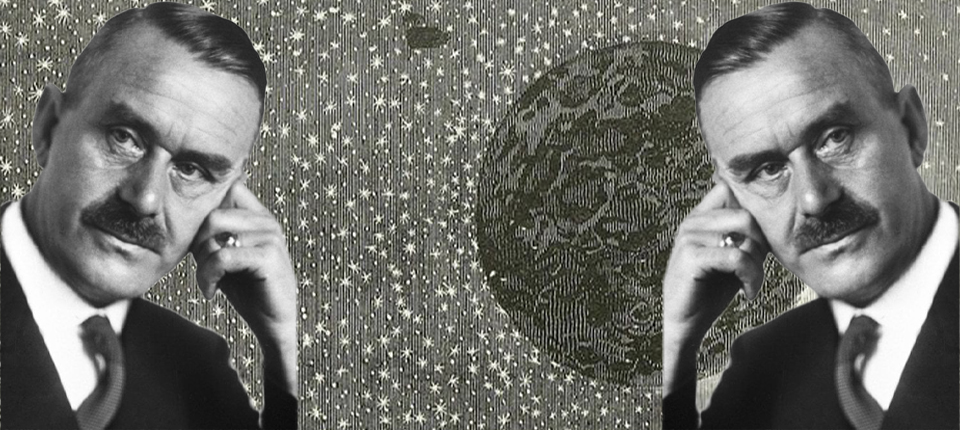
- Sharon Blackie explores the grounding power of fairy tales. | Lit Hub Criticism
- What do you do when your book detailing Civil War-era censorship is censored by the US government? | Lit Hub Politics
- “Maybe it’s fair to call this mysticism, but it could also be called democracy. Because it acknowledges the fundamental, unnegotiable, and sacred reality of everyone’s inviolate existence.” Ed Simon considers Allen Ginsberg on his 100th birthday. | Lit Hub History
- Ruth Ozeki explains her love of typewriters: “They require a more visceral, muscular involvement in the writing process. They remind me to write deliberately, to slow my mind so that my fingers can keep up.” | Lit Hub Craft
- Why are fish so gay? Four queer writers discuss using aquatic life as an organizing principle in their work. | Orion
- Maris Kreizman considers the rise of “ragebait lit.” | Harper’s Bazaar
- Kate Knibbs asks Steve Rosenbaum, whose book about how AI warps perception was produced with assistance from AI, to explain himself. | Wired
- “Integrity is a way to hold the self together.” Anne Enright on the one-sided contract of honesty. | The New Yorker
- Zadie Smith considers the autonomy of art—inconvenient, and with a force all its own. | NYRB
- All the hot young celebrities are recording audio smut. | The Verge
- Tyler Jagt writes about the “measurable, generational collapse in sustained reading and writing” to which, he argues, academia is responding with “improvisation and exhaustion rather than the structural overhaul it requires.” | The Chronicle of Higher Education
- Jonathan Weiner meditates on the nature of autobiographical memory. | The American Scholar
- Fintan O’Toole brings lessons on greatness from Gulliver’s Travels into the present: “The irony of greatness for those who occupied its lower rungs is that, while it did not demand their utter subjection, it did demand their deference.” | NYRB
- Why critic Leslie Fiedler questioned the maturity of the American novel. | The New Yorker
- Liz Tracey surveys oral histories of the AIDS crisis: “Sur Rodney (Sur), a New York City-based writer, gallery co-director, and archivist, relates that the late artist David Wojnarowicz would go to his local bodega in New York City where the clerks returned his change in a paper bag, out of fear.” | JSTOR Daily
- Elisa Gabbert considers the evolution of ekphrasis: “To write about art might encourage some removal from the self, but nothing requires it.” | The New York Times
Also on Lit Hub:
CAConrad on Eileen Myles’ “Bird Watching” • These 10 new children’s books are perfect to kick off summer • Poetry collections coming in June • Carson McCullers’ The Heart is a Lonely Hunter is published this week in history • This month’s best sci-fi and fantasy books • Author Julia Cooke and artist Paul Elie discuss group portraiture • Writing a book your mother will never read • The similarities between reality TV and A Midsummer Night’s Dream • What exactly is a “mighty” book? • chaun webster chases “the archival remains” of his grandfather • What writing a book about Shakespeare can teach about family • Six books centered around fictional art • When your novel’s a love letter to your hometown • Why All My Children is more Arthurian than you think • Justin Wymer reflects on an unsettling family reunion • Timothy Taylor remembers his mother’s journey from Paris to the Americas • Why every American writer “must in their prose or poetry pen their own Declaration of Independence” • The relationship between writing and substance abuse • Books by drag performers who haven’t been on RuPaul’s Drag Race • Namwali Serpell and Kortney Morrow discuss Toni Morrison’s Paradise • My sister thinks everything I write is about her. Is she the asshole? • This week’s Independent Press Top 40 Bestsellers for fiction and nonfiction • 5 book reviews you need to read this week • Ijeoma Uchegbu unpacks the science behind flavor • Sonia Feldman recommends books about girls’ friendships • You’ve heard of Mary Shelley, but what about her half-sister, Fanny Imlay? • Zohran Mamdani’s new sheriff and the many manifestations of copaganda • Amazon union-leader Chris Smalls remembers the accident that changed his life • P.C. Verrone recommends essential Afro-surrealism • The best reviewed books of the week • The myth of powerlessness • Why you should write what scares you • Read “The Figure a Poem Makes,” a poem by Donna Masini