







Lit Hub Daily: November 18, 2026
THE BEST OF THE LITERARY INTERNET
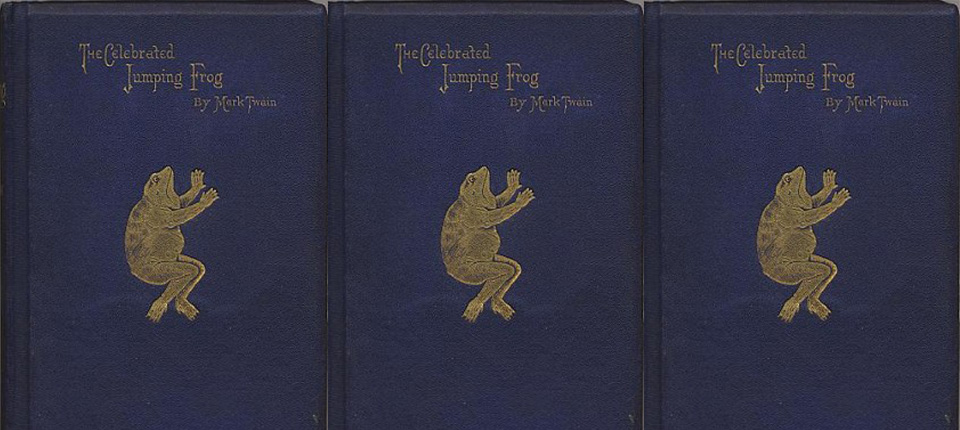
TODAY: In 1865, The New York Saturday Press publishes Mark Twain’s “Jim Smiley and his Jumping Frog.”
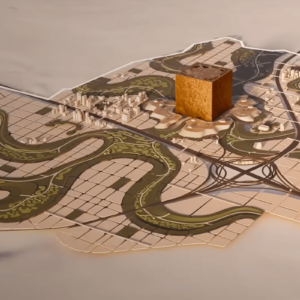
- The perfect city might never exist, but that’s never stopped humans from trying the build it. | Lit Hub Design
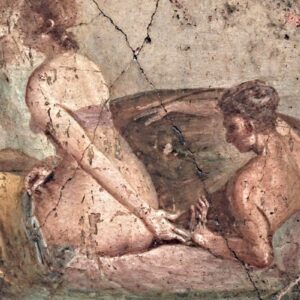
- “Fear of the defiling power of Roman fantasy ran so deep that the entrance to the room was, at one point, bricked up entirely.” Why Pompeii’s erotic art endures despite attempts to hide it. | Lit Hub History
- Why The Legendary Stanley Brothers (Recorded Live), Volume One is one of Gillian Welch’s favorite albums. | Lit Hub Music
- Rachel Calnek-Sugin recommends books with unreliable narrators Susan Choi, Claire Louise Bennett, Olga Tokarczuk, and more. | Lit Hub Reading Lists
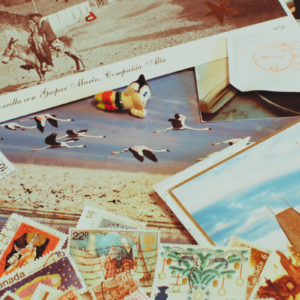
- On the intimacy and accessibility of postcards: “I know my life is minuscule on the global historical stage. But technically so are postcards.” | Lit Hub Memoir
- These five essential books will help you understand the history of the U.S. Supreme Court: “Today, much of our constitutional world is organized around judicial supremacy, making the history of the political Supreme Court harder to see.” | Lit Hub Reading Lists
- “On the anniversary of Lenin’s death, 21 January, a quiet warm evening suffused with a moist, melancholy mist, the company’s new political commissar, Petrov, came to the platoon to give a talk on Lenin.” Read from Aleksandr Solzhenitsyn’s Love the Revolution, translated by Alexis Klimoff and Michael Nicholson. | Lit Hub Fiction
- “Humanity is habituated to reach for divine fire. We spare no art or artifice in our determination to attain it.” Jacqueline Arthur-Montague on what the classics warn us about AI. | Public Books
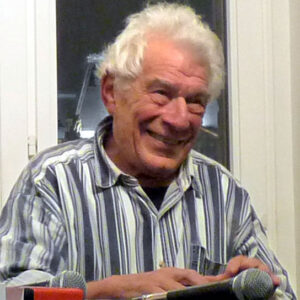
- Ben Libman considers the significance of John Berger’s “most marginal genre”: his 140 pages of poetry. | Poetry
- Brunella Tipismana Urbano considers the future of the Latin American novel in an era of AI scandals. | The Point
- Want to read like The Traitors? Here’s a guide. | The New York Times
- “Indeed, the types of friendship dreamed up in the trilogy seem precisely suited to weather the new frontiers of the climate crisis.” How Yoko Tawada’s trilogy explores radical ways of belonging. | Los Angeles Review of Books
Article continues after advertisement