






Lit Hub Weekly: November 9 - 13, 2026
THE BEST OF THE LITERARY INTERNET
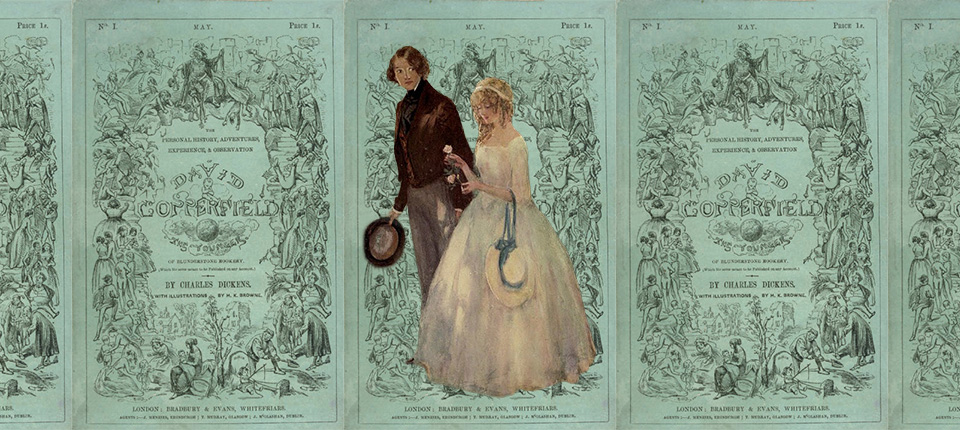
- Think you saw every great debut novel in 2026? Think again. Maris Kreizman recommends 10 you might have missed. | Lit Hub Reading Lists
- Zachary Fletcher interviews former New York Times romance columnist Olivia Waite about being fired and the current state of romance criticism. | Lit Hub In Conversation
- The revolution won’t be televised, but it might be telephoned. | Lit Hub History
- What’s kept us interested in The Sun Also Rises after a century, despite “some barbed wire and thorns in the perimeter of its effects, ones that must be leapt past and over”? Adam Gopnik considers its legacy. | Lit Hub Criticism
- “The same technological change that once made it possible for a bunch of journalists to finally, finally publish the kind of magazine they’d always wanted has ended up cannibalizing all that creativity and industry.” Laura Miller on the life and death of Salon. | Slate
- What to read in a Russian prison, according to Evan Gershkovich. | Heist
- On a rediscovered children’s classic by Goodnight Moon author Margaret Wise Brown. | The New York Times
- Sloan Murphy on her collection Shut Up, I Love You, I’ll Call You Tomorrow and being drunk in Chicago. | Defector
- Among the “difficult patients”: Peter Trachtenberg on conditions in the ER. | Granta
- What can two new books on the histories of science and philosophy teach us about the agency of living beings? | Los Angeles Review of Books
- Brendan Flaherty explores mole men and the strangeness of the everyday. | CrimeReads
- “I don’t believe that relentlessly collecting that data, documenting that data, publishing the data is sufficient to overturn the systems that we have.” Mona Chalabi talks to Naomi Elias about income inequality and the power—and limitations—of numbers. | The Nation
- How peer production (aka volunteer work) built the internet. | The MIT Press Review
- “I suppose I invented them because I wanted some exciting pretend friends.” Barbara Trapido talks to Rosa Lyster about her novel Brother of the More Famous Jack, 30 years on. | The Paris Review
- Jamie Hood considers Courtney Bush’s Learning, K Chiucarello’s Nanny Nanny, and the joys and perils of working in childcare. | The New Yorker
- Ben Bariach and Harry Law consider the danger of the AI swarm. | Noema
- Martin Dolan considers the enduring appeal of the puzzle game. | The Baffler
- Kristen Roupenian considers Jane Schoenbrun’s Public Access Afterworld alongside Teenage Sex and Death at Camp Miasma. | New York Review of Books
- Why the phrase “cultural Marxism” is on every right-winger’s lips. | Jacobin
Also on Lit Hub:
If you’re a writer, being a fangirl online might pay off • Books on Native American culture and history • Olivia Laing and Rachel Kushner on art, power, and Italian cinema • Five Iranian writers document the January 2026 massacre • Watching The Librarians with librarians during Banned Books Week • Kirmen Uribe on being a Basque writer • This week in literary history, America’s first lending library gets its first ten members • The genius of Janet Malcolm • Jane Ciabattari talks to Karen Olsson, author of Dear Thorns • Books on electroconvulsive therapy • Why do we sing? • Authors with recent books take the Lit Hub questionnaire • Are we living in a simulation? Is AI a philosophical zombie? • Books about World War II for young readers • The history of American nepo babies • Writing from flyover country • The forgotten Syrian adventurer behind Aladdin • Books about the birth of modern New York • How Russian defector Boris Krukoff plundered the Amazon • Katrina Dodson’s TBR • Independent Press Top 40 Bestsellers for fiction and nonfiction • 5 book reviews you need to read this week • Would the world survive a war between two global superpowers? • Books to help understand multiracial America • What being a Bills fan can teach you about writing • Larger-than-life egos at Vanity Fair • The Waterbearers and archiving Black motherhood • The best reviewed books of the week • How Kaveh Akbar and Sally Rooney that explore the grief of political paralysis