Ten Great Nonfiction Titles to Read in June
From Natural Histories of American Megafauna to Domestic Memoirs of Parenting While Trans, This Month Has Something For Everyone
If you’re the kind of reader who prefers some heft in your beach reads, than June is the month for you. This month’s picks feature natural histories of American megafauna, domestic memoirs of parenting while trans, biographies of radical anthropologists, and much, much more.
*
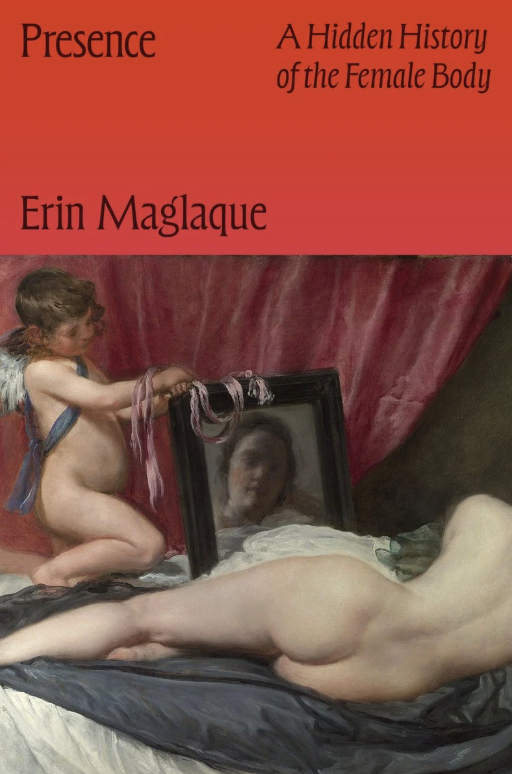
Presence: A Hidden History of the Female Body, Erin Maglaque
Erin Maglaque’s debut is a deeply researched, immensely readable investigation of the history of female bodies. Each chapter delves into a different bodily experience that Maglaque herself has lived, from pregnancy to desire to drudgery. Weaving her personal history with those of women from the more distant past, Maglaque doesn’t strive for universality, but a deep connectivity that makes the book at points illuminating and infuriating.
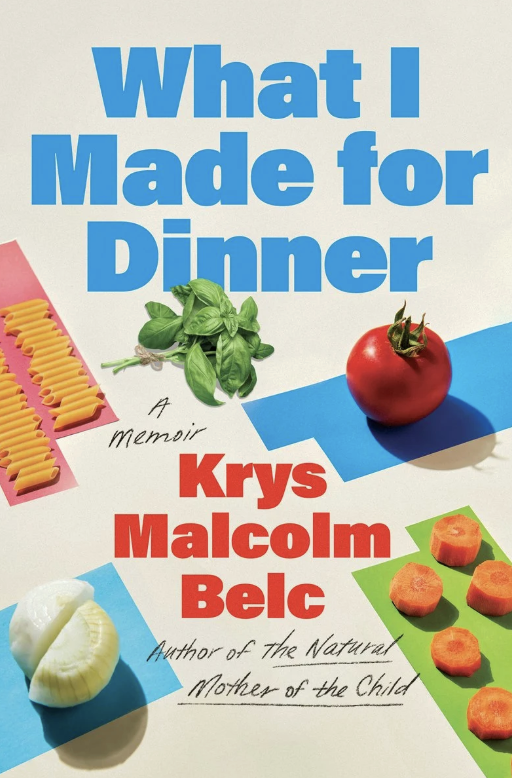
What I Made for Dinner, Krys Malcolm Bec
The relentlessness of the dinner question looms large in the life of any adult caring for children, and it makes an excellent entry point into Krys Malcolm Belc’s memoir of pandemic parenthood. Belc is a thoroughly charming narrator of everything from finding meaning in the work of Deb Perelman and Ina Garten to parenting as a trans man to the maddening and joyful mundanity of running a household. A joyful read.
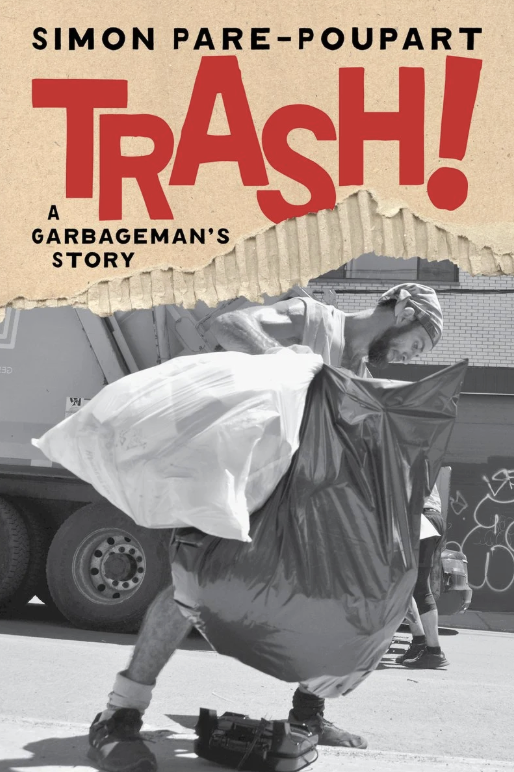
Trash!: A Garbageman’s Story, Simon Pare-Poupart
We don’t want to think about what happens to our trash when we put it out on the curb, which is, of course, the reason that we ought to. Simon Paré-Poupart is a longtime Montreal garbageman (a job he began in order to make money for school and continued long after he finished his degree), and the combination of first-hand stories of his time on the truck and deep sociological study of the industry makes for a much more fun read than your average chronicle of social malfunction.
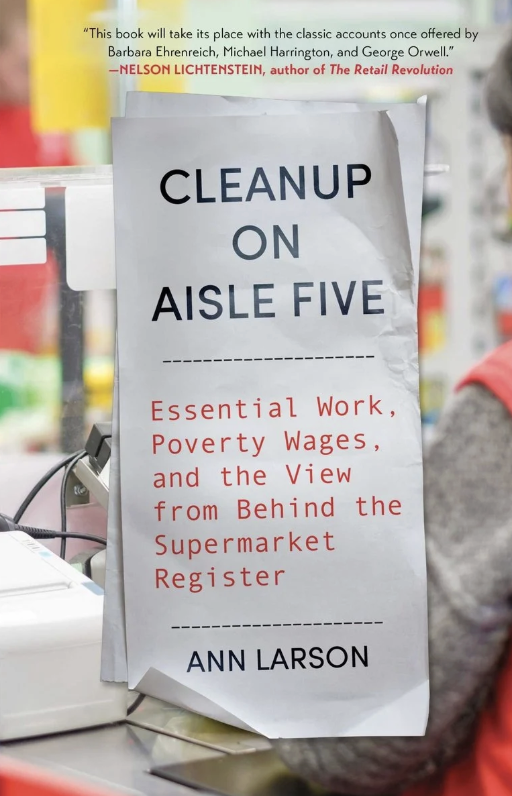
Cleanup on Aisle Five, Ann Larson
In the mold of Nickel and Dimed, Cleanup on Aisle Five is an inside look at the precarious lives of the essential (with both capital and lower-case E) labor of supermarket retail. Ann Larson worked at a grocery store during the pandemic, and her experience served as the jumping-off point for this look at labor in the stores—underpaid, underappreciated, and indispensable.
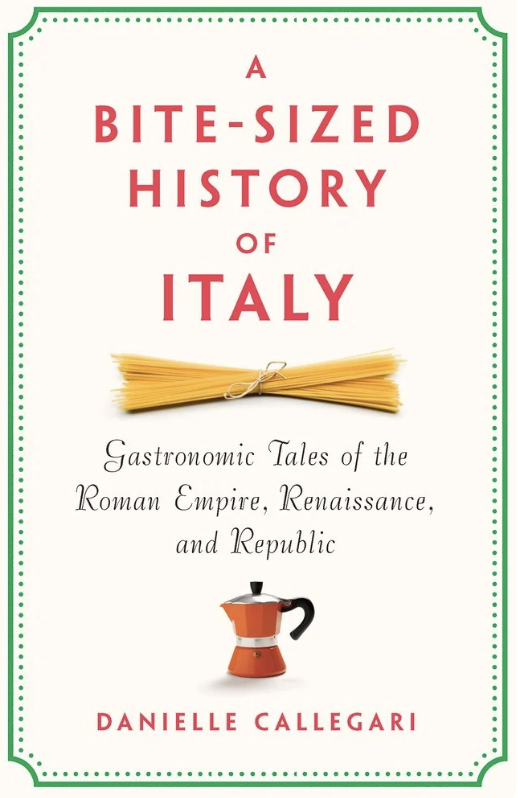
A Bite-Sized History of Italy, Danielle Callegari
So much nonfiction right now is (rightfully, necessarily!) heavy, so here’s a palate-cleanser (pun very much intended): a journey through Italy’s culinary history. Callegari explores the stories behind Italy’s most beloved foods, from parmigiano to pizza, providing enough juicy tidbits for years of dinner party conversation. (Though naturally, there are some darker bits here, as the gastronomic and the political are necessarily intertwined. Sorry!)
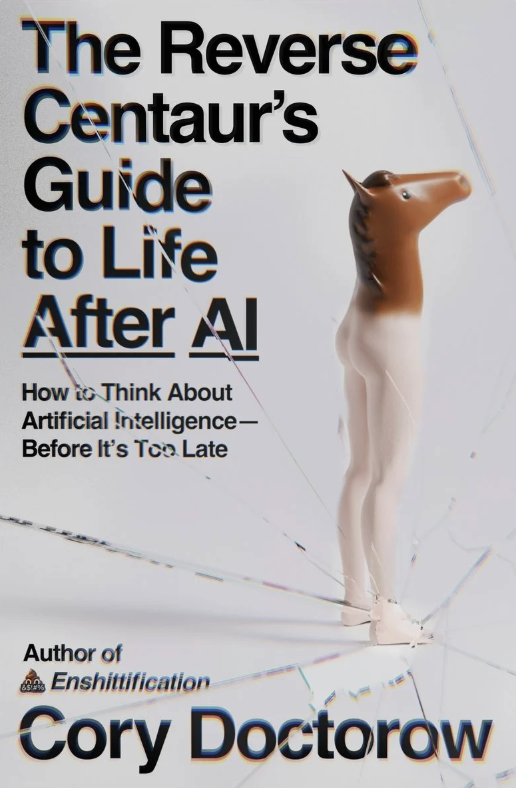
The Reverse Centaur’s Guide to Life After AI, Cory Doctorow
For the past five years we’ve been presented, again and again, with the inevitability of AI in every aspect of our lives. It is hard to say what percentage of this hype has been in aid of growing the massive financial bubble around the billions of Silicon Valley dollars already spent vs. the reality of the technology (history would suggest mostly the former). Who better to dig into this ubiquitous narrative than Cory Doctorow, the man who gave us the gruesomely accurate descriptor “enshittification” to describe the deteriorating internet. For Doctorow, the most important thing to consider in the rise of AI is the role of labor: who’s doing the actual work, and whose work is most threatened? An important guide to an urgent issue.
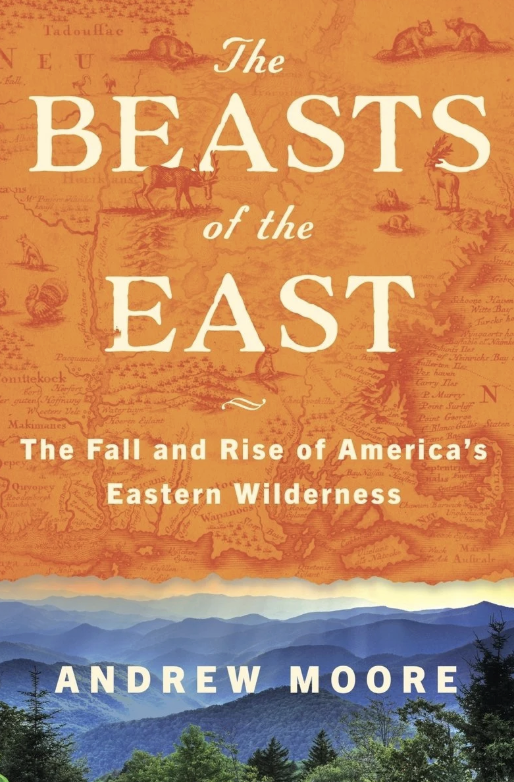
The Beasts of the East, Andrew Moore
Iconic animals of the American West like the elk, the bison, and the wolf are as essential to this country’s founding mythologies of untamed wilderness as California’s sequoias or New Hampshire’s endless white pines, roaming the dusklands of our collective idea of a frontier that, to be honest, never really existed. But did you know they all once lived on the east coast? Andrew Moore’s new natural history reveals not only the scale of what we’ve lost to industrialization—flora and fauna both—but also the ways in which we can get it back, from the grasslands of Illinois (bison!) to the abandoned mine shafts of rural Kentucky (elk!).
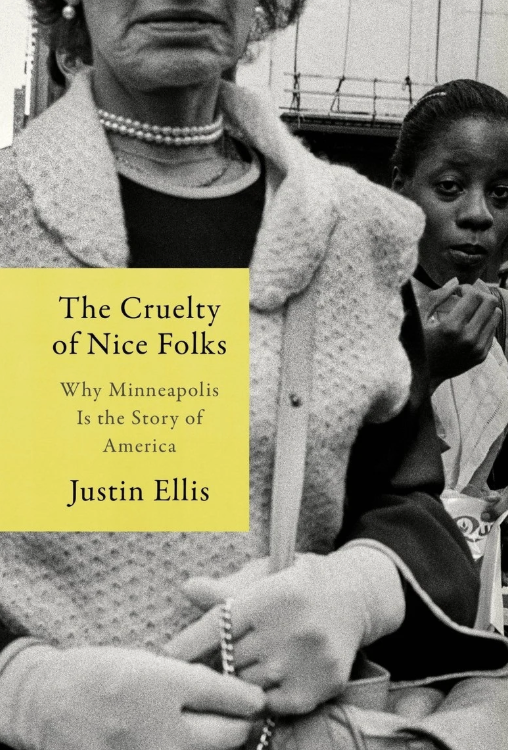
The Cruelty of Nice Folks, Justin Ellis
Minnesotans have always liked to think of themselves as nice folks—but how far does that take you in a society built to benefit only some of the people living in it? Justin Ellis deftly situates the state’s paradoxical history of outwardly progressive politics and quietly regressive policies within the epoch-making tumult of the past six years, as the Twin Cities became ground zero for America’s great “post-racial” reckoning in the wake of George Floyd’s murder and then, just a few years later, became a test case for how a city might resist an overtly authoritarian federal takeover. Ellis investigates what lessons were learned from the former, and how they came into practice under the latter.
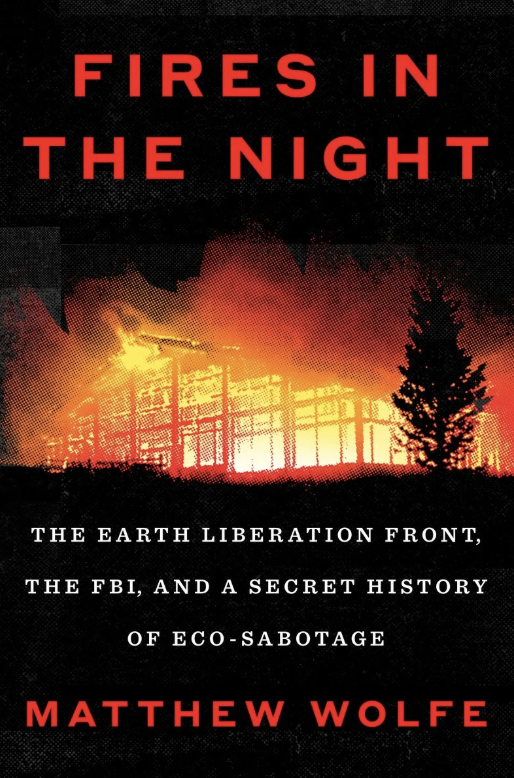
Fires in the Night, Matthew Wolfe
The compelling (and at least somewhat full) story of the Earth Liberation Front (ELF!) can finally be told. A quarter-century after they were labeled “America’s most dangerous terrorist organization” by the FBI (apparently white nationalists blowing up Federal buildings and murdering dozens of Americans doesn’t count) several former members of the organization that devoted itself to the (largely symbolic) destruction of climate change’s more villainous avatars—clearcutting lumber companies, environmentally disastrous ski resorts, factory farms—have gone on the record with journalist Matthew Wolfe to tell their version of events. It’s hard, now, as the results of climate collapse become clearer—as do its causes—to fault the members of ELF for fighting back.
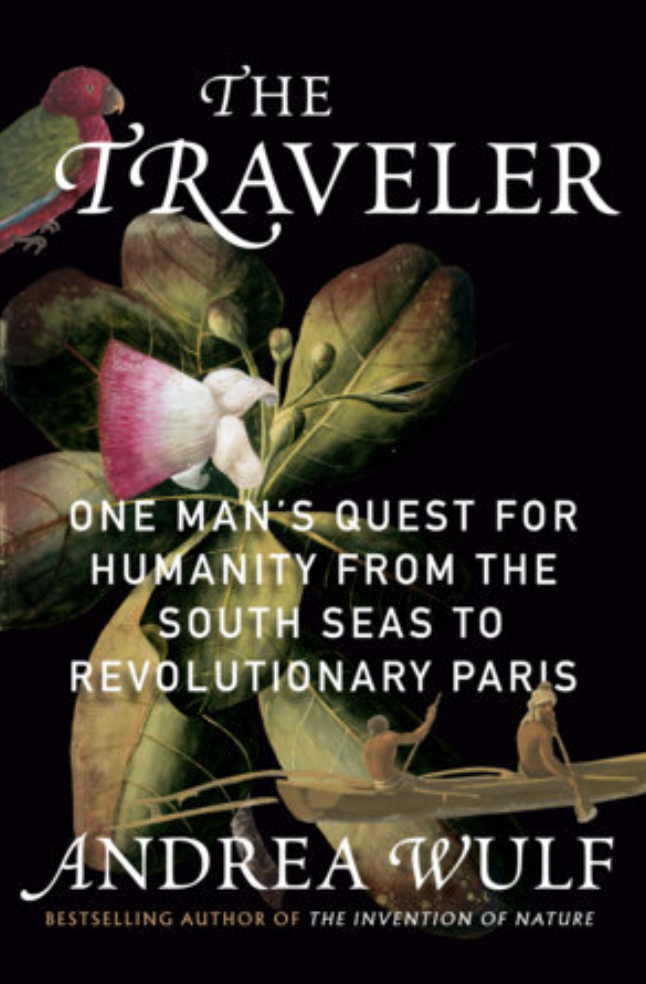
The Traveler, Andrea Wulf
Perhaps best known for her sprawling and compulsively readable biography of globetrotting ur naturalist Alexander von Humboldt, Wulf now turns her attention to the life and times of another intellectual phenomenon, George Forster. A botanist by the age of ten and translator of multiple language by thirteen, Forster parlayed his avid precocity into a berth on Captain Cook’s Resolution at the age of 18, journeying in 1772 through the South Seas, from the Antarctic Circle to Easter Island. A keen observer of the assorted civilizations he encountered on his many travels, Forster would evolve into an anthropologist-cum-revolutionary, believing ardently in the intrinsic value of equality and diversity as the bedrock of any functioning society. A brilliant radical, decades ahead of his time.