10 Great Nonfiction Titles to Read This August
Featuring Books by Dave Zirin, Claudia Rankine, Kathryn Jezer-Morton, and More
From the hard, hard courts of professional tennis to the mean screens of social media to the life and times of an iconic indie rock songwriter, this month has something for everyone.
*
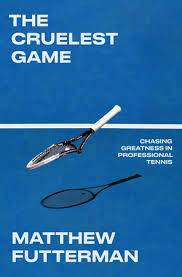
Matthew Futterman, The Cruelest Game
Even the most casual sports fan understands that tennis is among the most punishing of athletic pursuits. While physically grueling it is the mental side of the game that takes the biggest toll on players, its hundreds of stops and starts creating near-infinite space for (self-induced) pressure to build—and break. Long-time tennis journalist Matthew Futterman uses unprecedented access to explore how the sport’s biggest stars overcome (and occasionally succumb to) the unavoidable stress of playing big-time tennis.
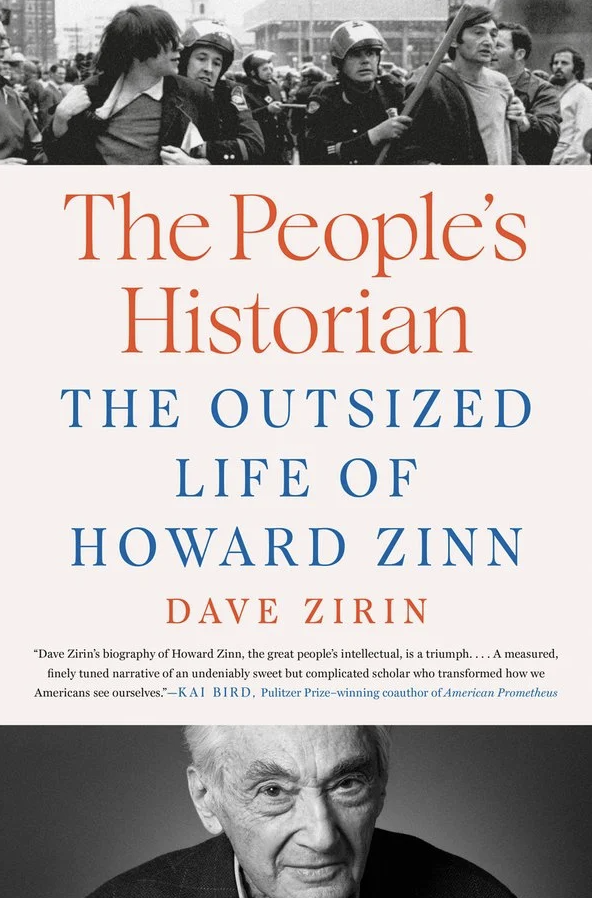
Dave Zirin, The People’s Historian
Dave Zirin, everyone’s favorite lefty sports writer, is the perfect choice to present a life of everyone’s favorite lefty historian, the late, great Howard Zinn. And in case you’ve forgotten, not only was Zinn a keen observer of “the American century,” he was also an active participant in most of its major moments, having lived through the Depression, fought in WWII, marched for Civil Rights, aided in the release of POWs in the Vietnam War… And through it all he never stopped interrogating the dark side of American power and its radiating impact on all of us.
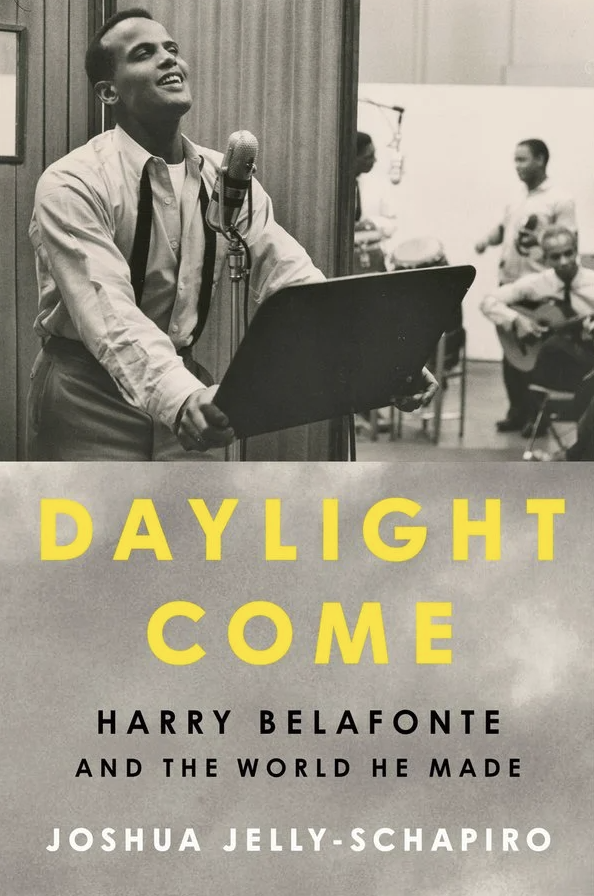
Joshua Jelly-Schapiro, Daylight Come
Joshua Jelly-Schapiro’s 2021 Names of New York was a magic combination of illuminating and refreshingly conversational, so we look forward to checking out his exploration of Belafonte’s life, work, and legacy. In addition to his musical work (he was, after all, the “King of Calypso”), Belafonte was a tireless supporter of the Civil Rights Movement, leveraging his fame for the cause and forging a close friendship with Martin Luther King, Jr. We trust Jelly-Schapiro to create a portrait of Belafonte that is both nuanced and highly readable.
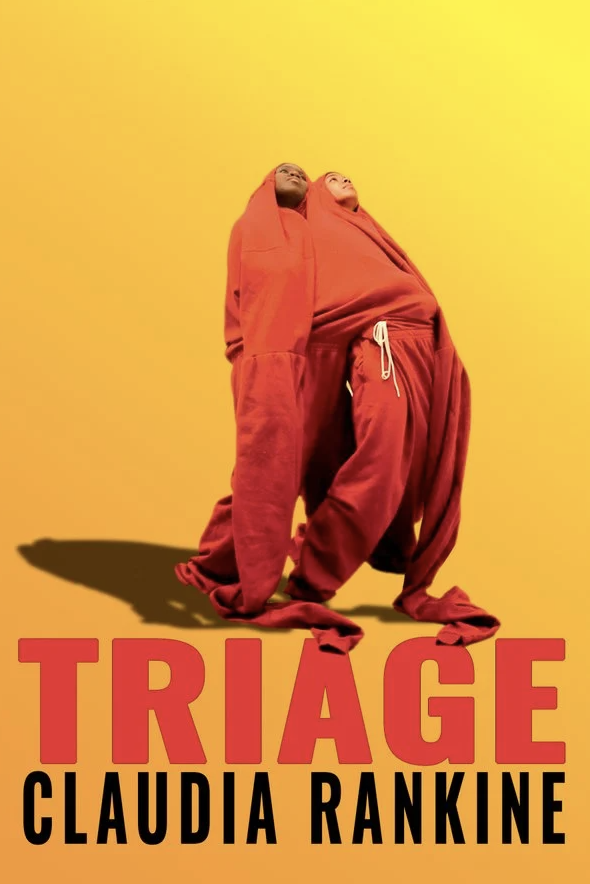
Claudia Rankine, Triage
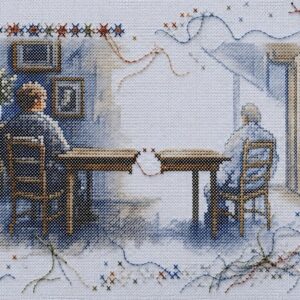
Rankine’s first book since 2020 promises to be a departure in form, if not virtuosity. In Triage, she blends full-color visuals with sustained narrative, presenting a portrait of a “turbulent” friendship between two composite characters, the narrator and the theorist. Rankine thrives in fluidity, and we look forward to seeing how she braids memoir, theory, and image.
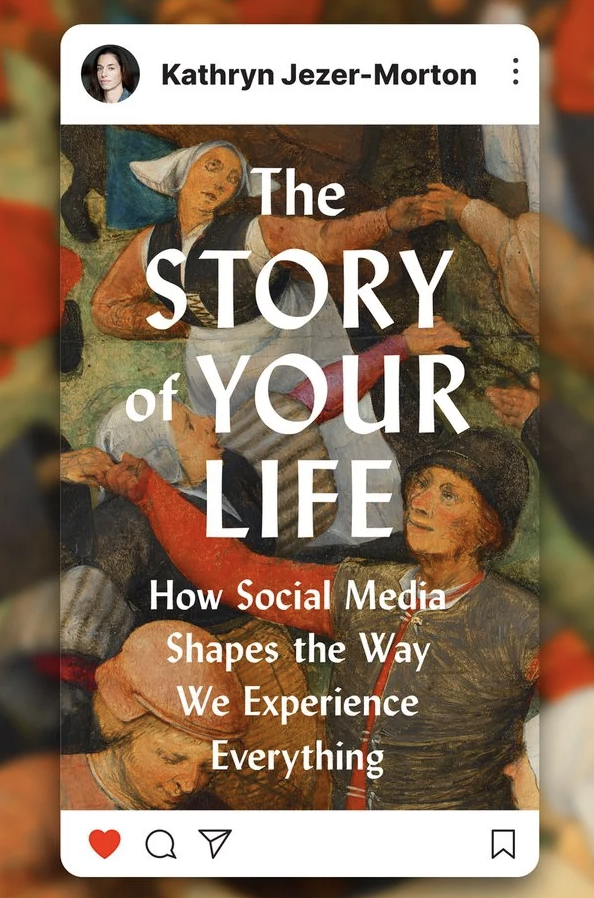
Kathryn Jezer-Morton, The Story of Your Life
It is neither complicated nor controversial to suggest that social media is bad for us. But why? And how has it shaped us, as both individuals and a culture over the past 20 years? With answers to these questions (and so much more) comes Jezer-Morton’s deeply researched and intimately reported examination of how the very public stories we tell about ourselves have become inextricable from our innermost personal narratives. Again, this is probably a bad thing, but this is the book for you if you’re looking for a bit more nuance than that…
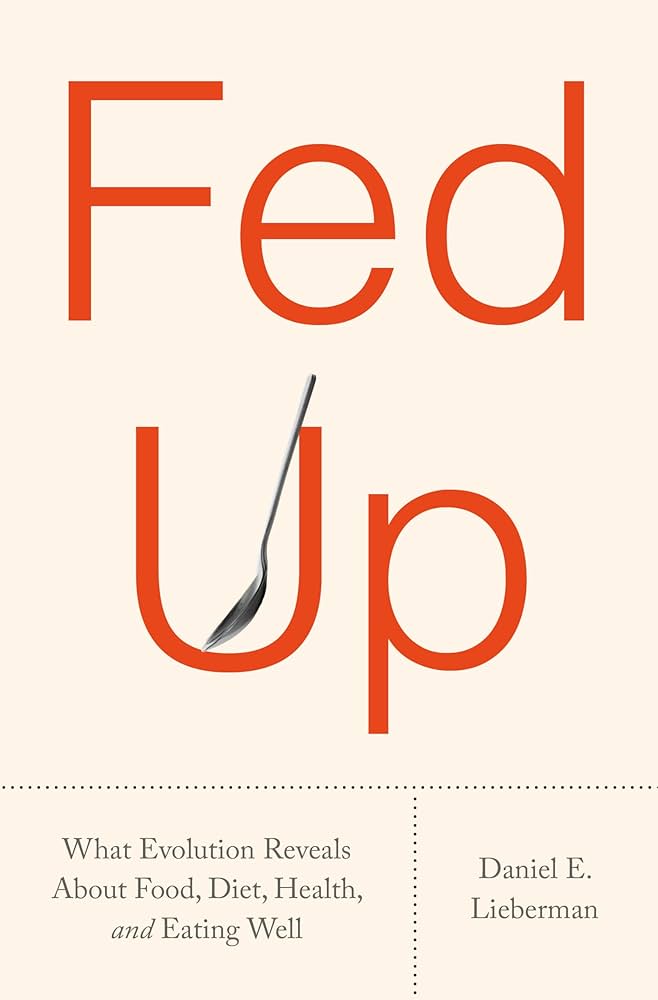
Daniel E. Lieberman, Fed Up
So-called diet culture is unkillable. Every generation has its food fads heralded by charismatic hustlers trying to convince us that if we make this one change to our diet all our problems will disappear. Instagram is a particularly potent delivery system for these would-be celebrity nutritionists… So where are we, exactly, with our ideas of what makes a good diet for humans? According to Daniel E. Lieberman, the founding chair of the Department of Human Evolutionary Biology at Harvard University, “there can be no simple, definitive answer.” Sure, that’s not as satisfying “just eat steak,” but it’s the kind of sound, clear-eyed, science-based common sense we all need right now.
Talitha L. LeFlouria, Searching for Jane Crow
Historian Talitha L. LeFlouria centers Black women in her deeply researched exploration American mass incarceration, beginning with its roots in enslavement. LeFlouria tells the story from the perspectives of a number of Black women through history, centering the specific humanity of victims of a system that seeks to dehumanize. An essential read, if not an easy one.
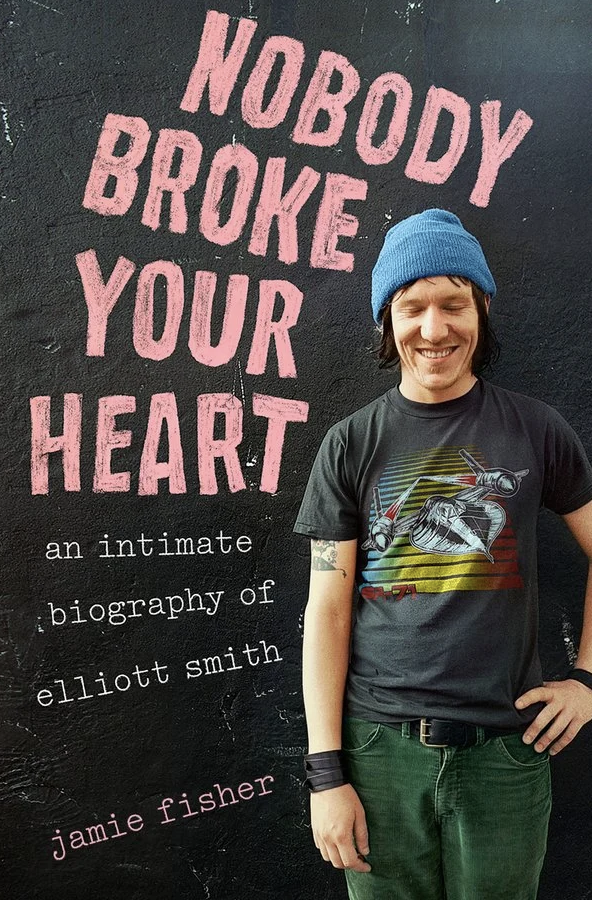
Jamie Fisher, Nobody Broke Your Heart
There’s something particular about diehard Elliott Smith superfans: they want everyone to recognize his particular genius, his freakish gift for distilling universal sadness into pure and deeply personal works of art… BUT, they insist, you have to earn your fandom, feel it bone deep—you can’t just casually listen and hum along while doing the dishes. If you have one of these superfans in your life, you absolutely must get them this first major biography of one of indie rock’s most influential singer-songwriters, based on newly surfaced troves of primary material (unheard recordings, draft lyrics, photos, and correspondence), along with extensive interviews.
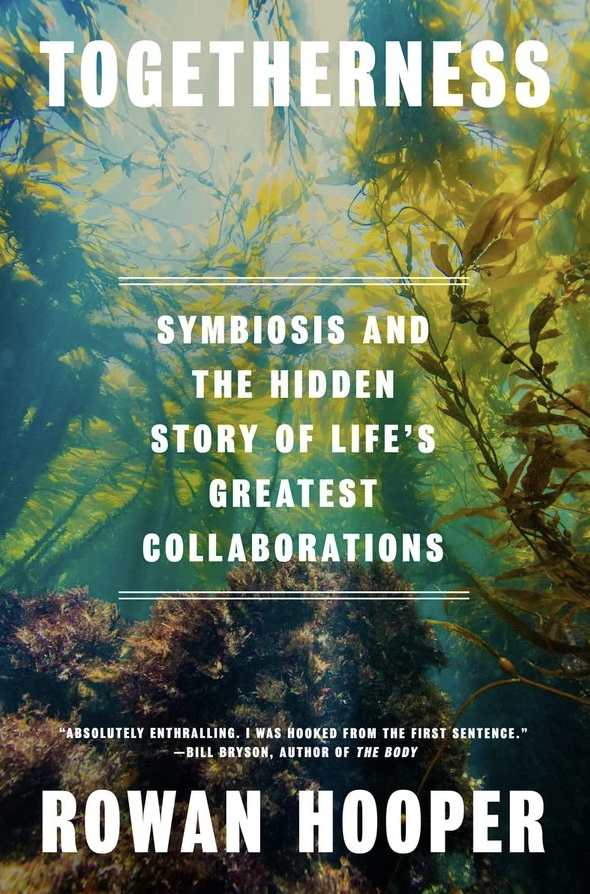
Rowan Hooper, Togetherness
There’s a specific joy in a scientific book that manages to convey the absolute wonder of the natural world. Evolutionary biologist Rowan Hooper’s exploration of the many manifestations of symbiotic collaboration. Hooper has formidable narrative chops, and this one is a total joy to read. Togetherness feels—maybe, possibly?—hopeful? At the very least, it will inspire you to step outside and really look.
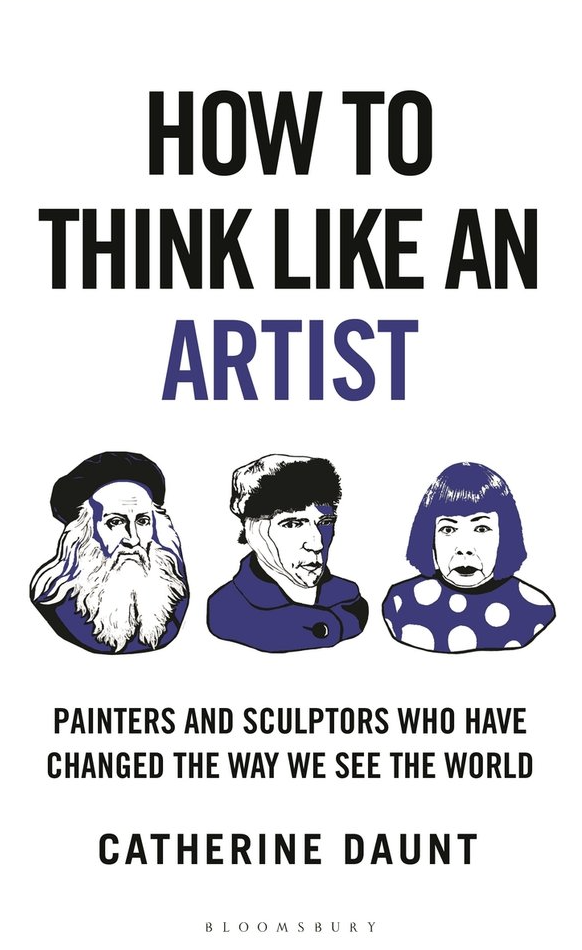
Catherine Daunt, How to Think Like an Artist
For those of us with a slight self-help intolerance (but who still have the urge to, you know, help ourselves), reading about artistic luminaries can scratch a similar itch. Art historian Catherine Daunt tells the stories of thirty such artists (notably, not only white men!), and explores the ways in which their work represented a reconfiguration, or revolution—small or not-so-small—in the way the world thinks, sees, and creates.