Lit Hub Daily: February 3, 2026
THE BEST OF THE LITERARY INTERNET
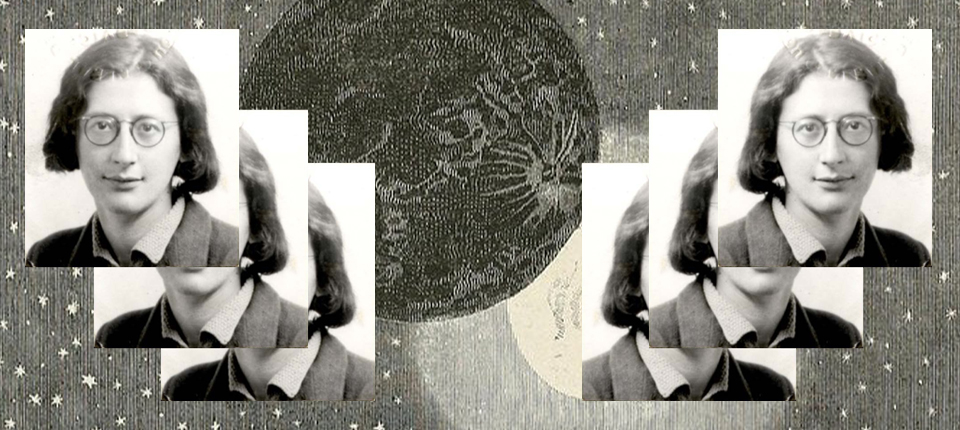
TODAY: In 1909, Simone Weil is born.
-
LETTERS FROM MINNESOTA: Heid E. Erdrich on what it means to fight for your home • Carolyn Holbrook knows that we’ve been here before • David Mura on what’s actually great about America. | Lit Hub Politics
- “I take both my Jewishness and my Americanness as honors and responsibilities.” Lily Meyer on Philip Roth, anti-Zionism, and her relationship to American Judaism. | Lit Hub Memoir
- Toni Morrison considers Blackness in the literary canon and what Flannery O’Connor’s fiction reveals about race in America. | Lit Hub Criticism
- Rebecca Fallon recommends a Shakespeare-inspired reading list featuring Sally Rooney, Eleanor Catton, Emily St. John Mandel and more. | Lit Hub Reading Lists
- Reena Shah explains the necessity of always remaining a “writer in training.” | Lit Hub Craft
- The 24 new books out today include titles by Toni Morrison, Dan Chiasson, Lily Meyer, and more! | Lit Hub Reading Lists
- “this hair, these bristles, / this middle finger / up to your smug face.” Read “[Speckled Yellow],” a poem By Simon Armitage from the collection New Cemetery. | Lit Hub Poetry
- “During their long walks the females are dots on the map, slowly moving across a landscape of dry washes and desert vegetation.” Read Lydia Millet’s story “Tortoise Station,” which appears in Volume 6 of Emergence Magazine. | Lit Hub Fiction
- “The resonance of Said’s books in our particular moment shows that short-term calculus is not always the most relevant measure of their value.” Rebecca Ruth Gould on reading Edward Said in the context of the Gaza genocide. | Los Angeles Review of Books
- Rebecca Mead considers the literature of “good mothers.” | The New Yorker
- Eve Fairbanks on South African apartheid and why no one benefits from the police state. | The Dial
- Print copies of this zine explaining surveillance technology used by ICE are gone, but the PDF is free and ready for you to download. | 404 Media
- Namwali Serpell considers frequent misunderstandings of Toni Morrison’s The Bluest Eye. | The Nation
- “I was hardly the first Black American to see the need for escape.” Nell Irvin Painter examines the limitations of America’s prevailing racial ideology. | New York Review of Books
Article continues after advertisement