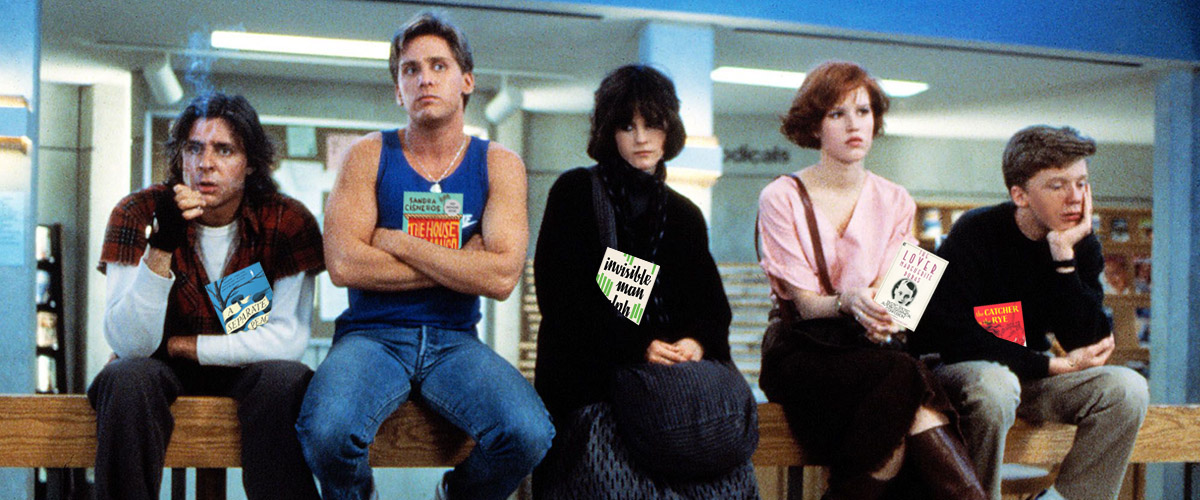
The 60 Greatest Coming-of-Age Novels
Summer's Almost Over . . . Just Like Your Childhood (Sorry)
We updated this list as part of the the Best of the Best Books Reading Challenge! Join the challenge now!
The end of summer is traditional coming of age time. Your new best friend is going home. Your new boyfriend starts pretending not to know you. Your parents discover your secret hiding place and turn it into a mudroom. You move to a new town. Your dog dies. You pushed your best friend out of a tree and he broke his leg and now you’re dealing with the guilt. When you’re young, you don’t measure time in calendar years—you measure it in school years. So, as we embark on a new one, the Literary Hub office put their heads together to consider some of the greatest coming-of-age novels ever written, for discussing in the halls and reading under the covers.
First: what exactly is a coming-of-age novel? Of course, it’s a novel in which someone becomes an adult, literally or metaphorically. But does a coming of age novel require demonstrable maturity in the end? Does said coming of age need to be the primary focus—in plot, in emotional weight—of the novel? Does the main character have to be a literal adolescent in the beginning? Under 21, maybe? The answer to all of these, I decided, was “usually, but not always.” Like you-know-what, we all know coming of age when we see it. Or at least we know it once we’re on the other side.
However, I do have some rules for this list. I decided to discount anything written for children or young adults, which eliminates a few classics like The Outsiders, The Perks of Being a Wallflower, and Are You There God? It’s Me, Margaret, among others (but does not eliminate, say, The Catcher in the Rye, which Salinger wrote for adults). I rejected short story collections (even linked ones like Melissa Bank’s The Girls’ Guide to Hunting and Fishing) and stuck to one novel per writer (though sometimes I can’t help myself from throwing in an extra mention). I also skewed towards “great” rather than “coming of age”—that is, if a novel was a perfect example of a genre, but just not that good, I might have eliminated it for one that was brilliant but less platonically correct.
Finally, even though the headline declares these 50 coming-of-age novels The Greatest, please remember that this is really only the compiled opinions of a few well-read editors. As such, feel free to disagree, amend, or (the best choice) add on to this list in the comments section.
*
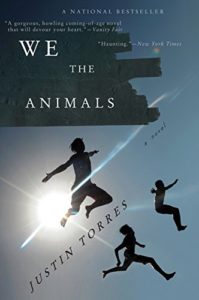 Justin Torres, We the Animals
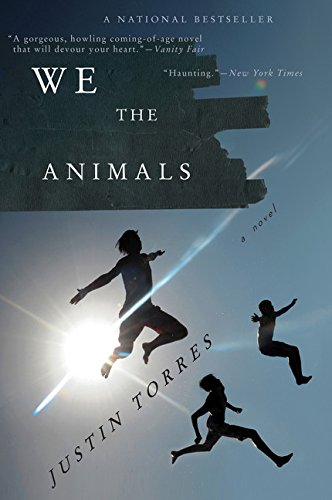
Torres’ slim, elegant, intense 2011 bildungsroman carries us deftly from the mania of childhood and brotherhood to the alienation of young adulthood and the self-knowledge that comes with it—or inspires it, as it were. This is a novel with a poetic soul; I’ll never forget the opening passage of this book, which should give you some idea of the whole:
We wanted more. We knocked the butt ends of our forks against the table, tapped our spoons against our empty bowls; we were hungry. We wanted more volume, more riots. We turned up the knob on the TV until our ears ached with the shouts of angry men. We wanted more music on the radio; we wanted beats; we wanted rock. We wanted muscles on our skinny arms. We had bird bones, hollow and light, and we wanted more density, more weight. We were six snatching hands, six stomping feet; we were brothers, boys, three little kings locked in a feud for more.
 André Aciman, Call Me By Your Name
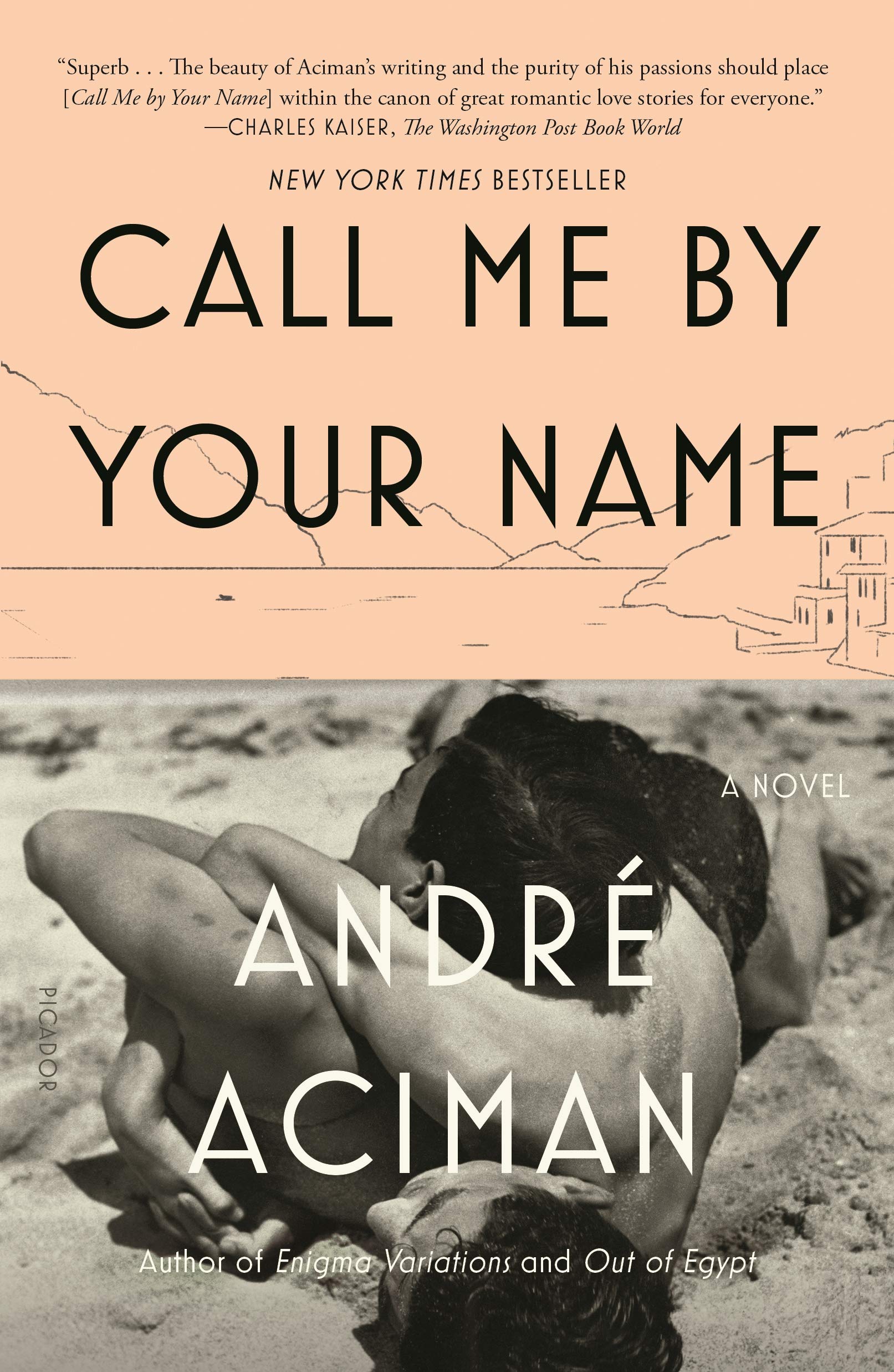
If you read this space, you’ll know that I’m a fan of Call Me By Your Name, a perfect, deeply interior novel, steeped in desire, about a young man who falls in love with an older visitor, and discovers quite a bit about himself—and love, and family—in the process. Which sounds a little trite, as I look at it. But this book is not—it’s too intensely felt for that.
 Jeffrey Eugenides, Middlesex
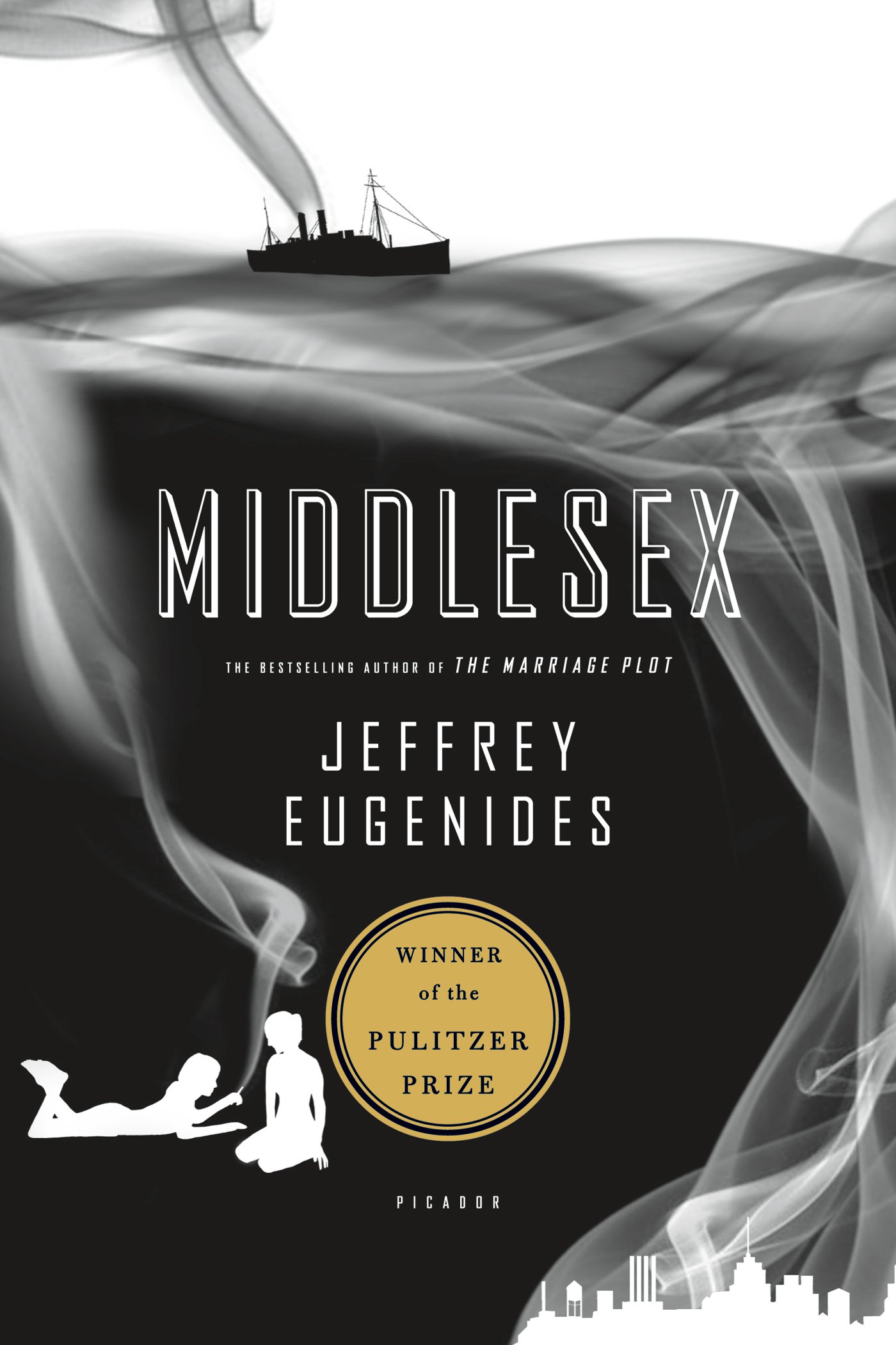
A coming of age story that is also a coming of self story, as Callie becomes Cal, and the world becomes modern. See also: The Virgin Suicides, which rivals this one fiercely in my heart and is also in some ways a purer bildungsroman, though for a faceless chorus of boys instead of a single one.
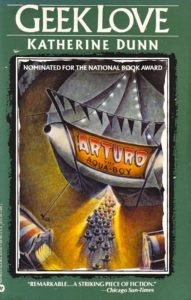 Katherine Dunn, Geek Love
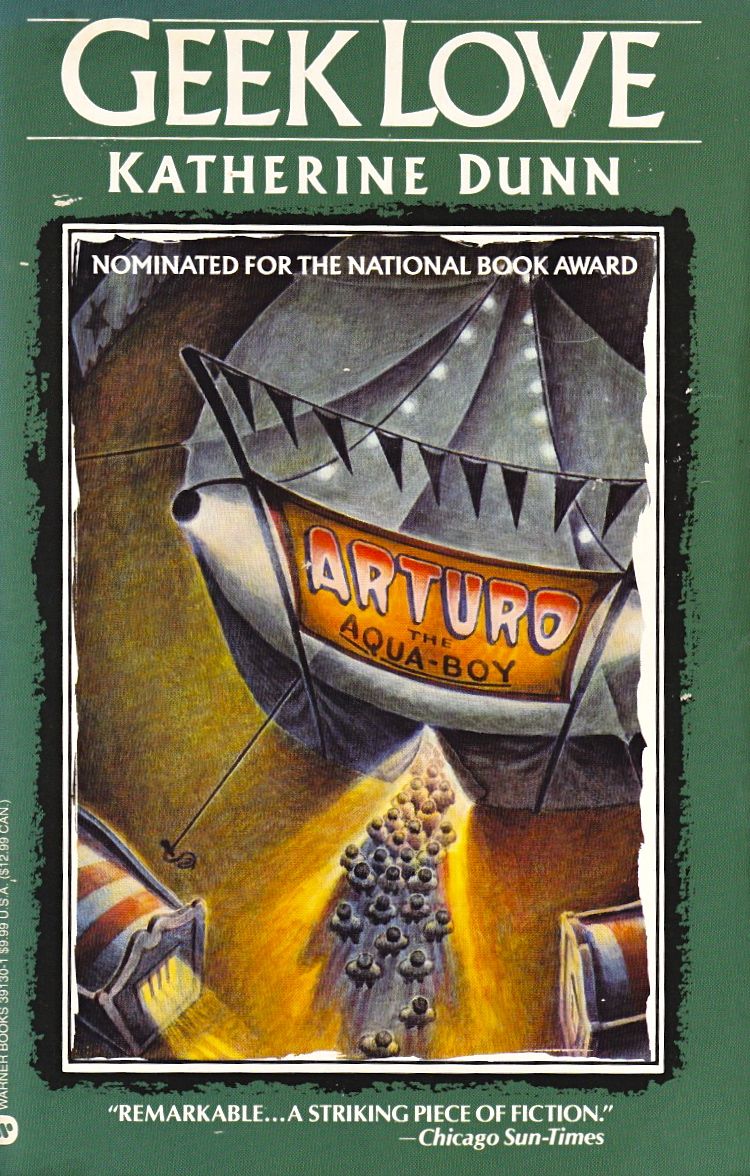
So much more than a coming of age novel, of course, and not usually designated as such—and yet still it fits, as Olympia tells the monstrous story of her childhood (while endeavoring to protect her own daughter from the woman who would “normalize” her). Plus, honestly, for many, reading this book is a coming-of-age experience—it’s shocking, to look so directly at raw human experience, ambition, and pain, even in an inhuman package.
 David Mitchell, Black Swan Green
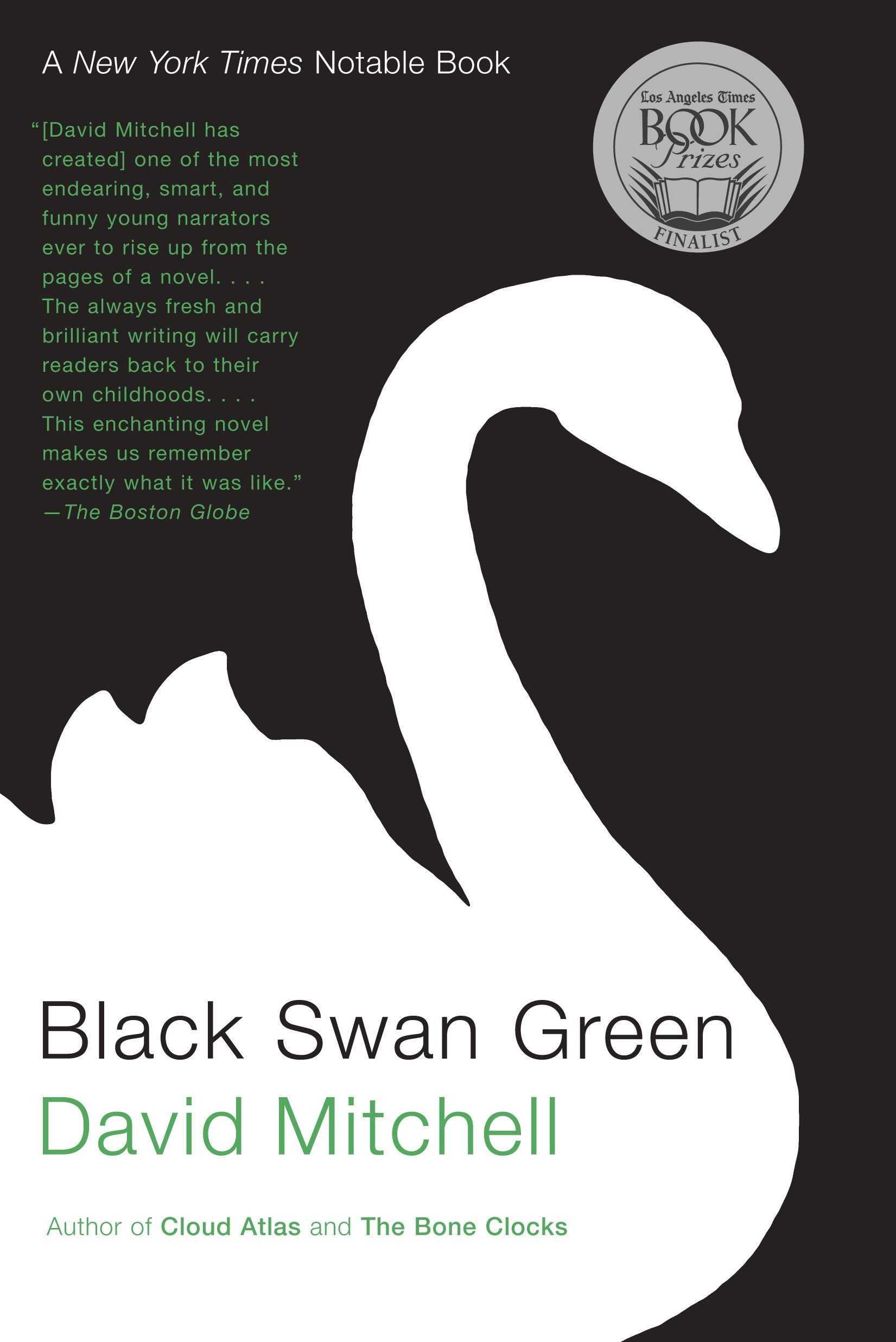
While Mitchell is still best known for Cloud Atlas, readers should not sleep on his semi-autobiographical 2006 novel, which covers a year—well, thirteen months, to be precise, each recounted in a single chapter—in the life of a thirteen year old boy with a stammer. This is a quiet book, especially as compared to the rest of Mitchell’s oeuvre, but it captures a very specific, ever-changing moment in life with clarity and empathy—and not a small interest in the language that makes it all fit together.
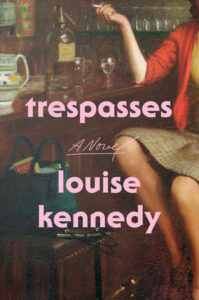 Louise Kennedy, Trespasses
Like its setting in 1975 Belfast, during the worst of The Troubles, Trespasses feels unsettled all the way through, like anything might happen at any time. Cushla is 24, a teacher who worries over her students, her alcoholic mother, her family’s struggling pub, and the daily indignities and dangers of living in what is, quietly, a warzone. She begins a secret romance with an older Protestant barrister (his marriage is not even very high up on the list of things that make this a bad idea), who chooses to defend IRA members, and it’s rich soil—not just for the heady things, sex and desire and power struggles, but also for issues of class and culture, morality, even language. It’s a beautiful, careful, moving novel that might have more to say about the world Cushla’s growing up in than the way she’s choosing to grow. –as recommended by Emily Everett
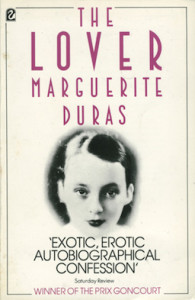 Marguerite Duras, The Lover
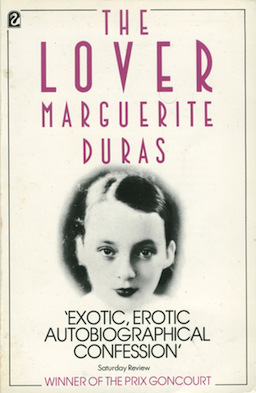
Duras’ originally conceived of her classic autobiographical novel as an annotated book of photographs; though it has no images, it retains that feel, jumping from moment to indelible, distilled moment. It is, as you probably know, about a young white girl and her older Chinese lover in 1920s French Indochina, but it is about much more than that: class, race, mental health, money, family, beauty, rage, growing older. It is not salacious. It’s barely sexy. Instead it is a strange and humid ode to self-discovery.
 Anne Carson, The Autobiography of Red
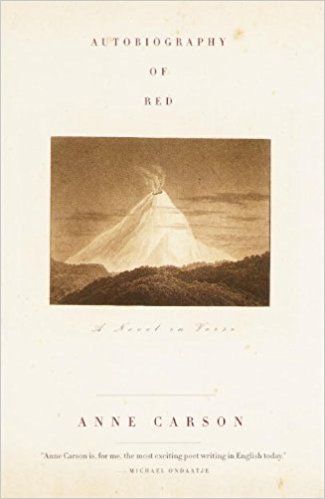
Carson’s novel in verse features an unlikely subject for coming-of-age: Geryon, the giant monster of Greek mythology (metaphorically, at least) who, tormented by an abusive brother and a mother too weak to protect him, falls in doomed love with a dashing young man named Herakles. But despite the strange form, obscure translations, and magical thinking of this book, few coming of age tales are more affecting.
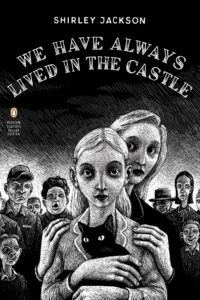 Shirley Jackson, We Have Always Lived in the Castle
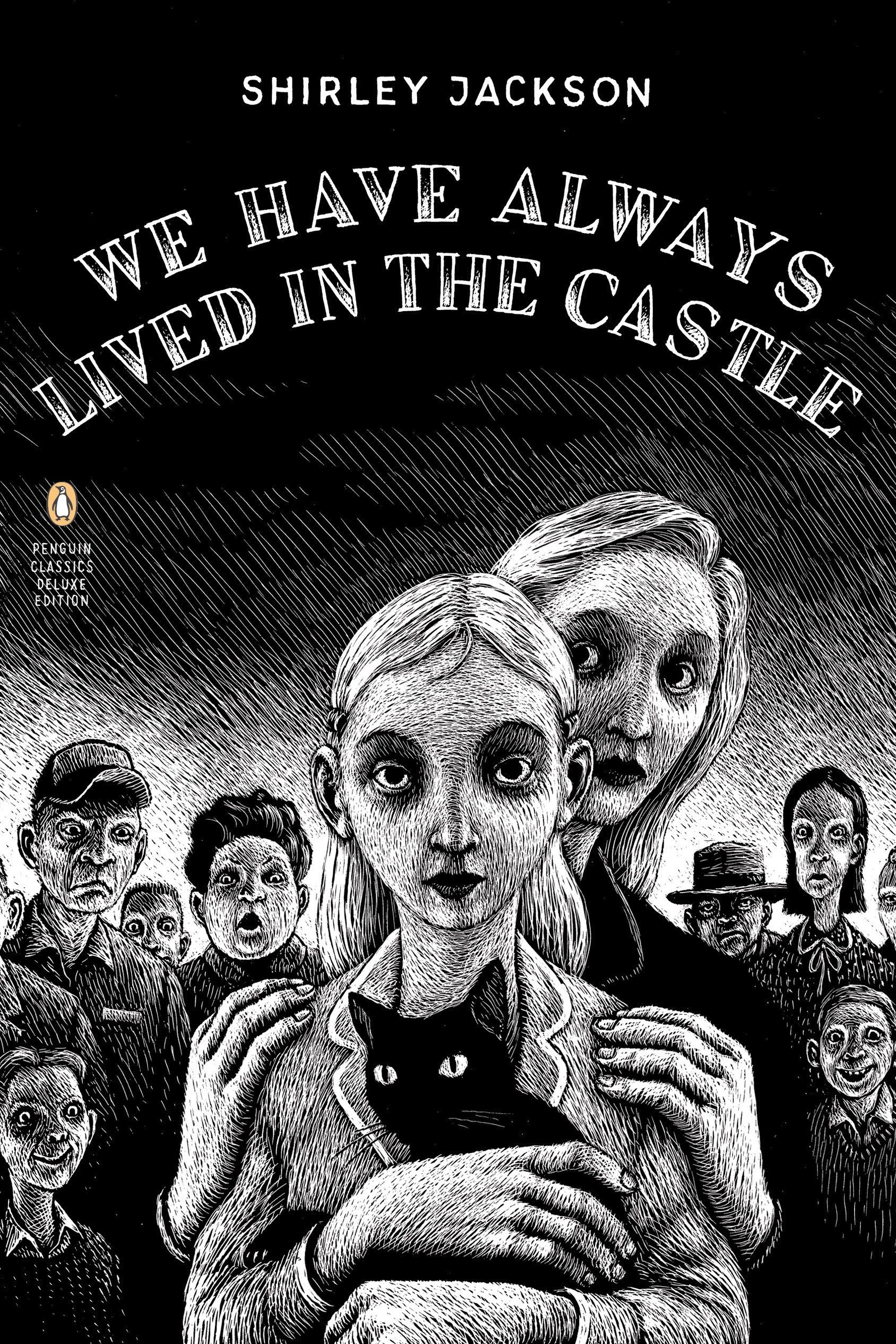
Not only does this novel feature the best opening paragraph of all time (or at least one of them; see the entry for We The Animals on this very list), but it also features a very compelling young protagonist coming to terms with what I’ll gingerly describe as a . . . unique family situation.
 Harper Lee, To Kill a Mockingbird
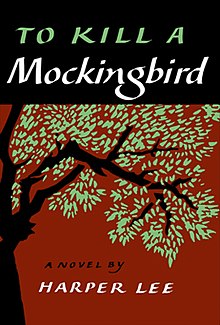
With Catcher in the Rye, probably the first title that comes to mind (at least for Americans) when someone mentions “coming-of-age” novels. After all, what’s not to love: knightly father, tomboy daughter, mysterious neighbor, personal growth! A classic among classics.
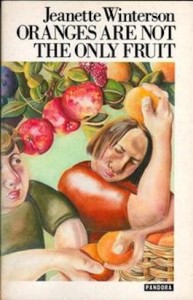 Jeanette Winterson, Oranges Are Not the Only Fruit
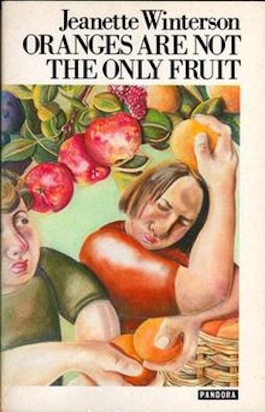
A beloved coming of age and coming out novel about a young evangelical girl (her name is Jeanette) who dreams of being a missionary—until she falls in love with another girl.
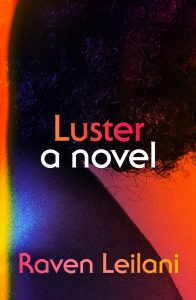 Raven Leilani, Luster
One of my favorite subsets of coming-of-age drama is the plot that drops its protagonist into unfamiliar surroundings or a jarring social set. Luster does both, as we follow Edie, a 23-year-old Black woman, from a shabby New York City apartment to her white boyfriend’s pale New Jersey subdivision, where neighbors watch her suspiciously through the blinds. Add to that house the boyfriend’s white wife and Black adopted daughter, and you have enough tension to fill a novel twice the size. But Leilani keeps it slim and pared-back; where some coming-of-age novels can feel instructive to a fault—this is how you should learn to live—Leilani’s feels more like an exploration of how you might continue to live in a racist society, and keep yourself intact, and still have room to make mistakes and art and real relationships. –as recommended by Emily Everett
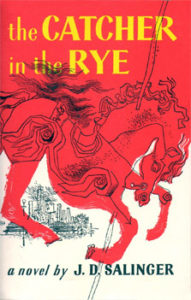 J. D. Salinger, The Catcher in the Rye

With To Kill a Mockingbird, probably the first title that comes to mind (at least for Americans) when someone mentions “coming-of-age” novels. Personally, I’m not a huge fan—read Franny and Zooey instead, or even better, Nine Stories—but the fact that we’re still fighting over, discussing, and re-evaluating Holden after almost 70 years suggests he struck a deep chord.
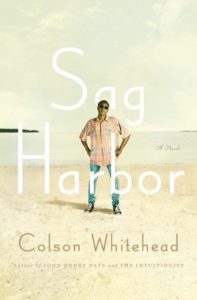 Colson Whitehead, Sag Harbor
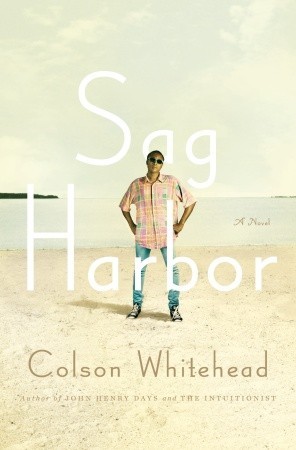
Sag Harbor is proof that Colson Whitehead can do it all—gut-wrenching historical fiction, genre-bending zombie novels, and classic coming of age (among other things). In this funny, enjoyable novel—which has less plot and more concern for language than his most recent blockbusters—15-year-old Benji spends the summer of 1985 in (you guessed it) Sag Harbor, trying to figure out himself and the world via a series of low-grade hijinks. A perfect, elegiac summer read.
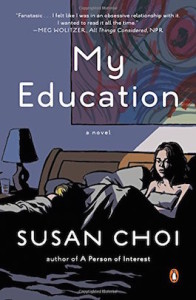 Susan Choi, My Education
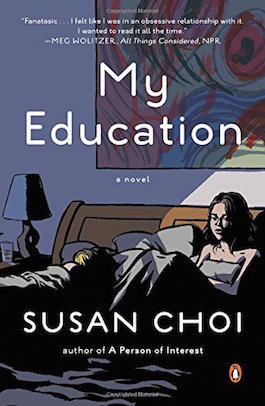
It starts like your classic student-falls-for-professor novel, except then the student (Regina) falls for the professor’s wife (Martha) instead. Thus begins a complex tragedy that spins out over years, and manages to showcase a kind of coming of age for both Regina, who is 21 at the start of the book, and Martha, who is 33. Yes, these characters are older than the classic teens-in-trouble you usually find in this category—but they come of age all the same. Turns out you can do it at almost every age.
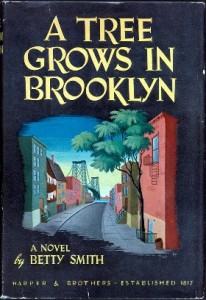 Betty Smith, A Tree Grows in Brooklyn
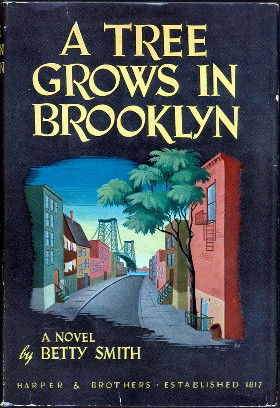
The classic, beloved coming-of-age story of Francie Nolan, growing up in Brooklyn in the early 1900s, when Williamsburg wasn’t the least bit hip.
 David Foster Wallace, Infinite Jest
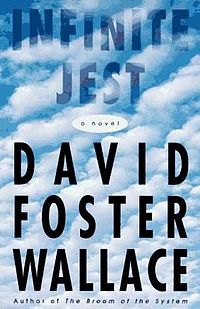
There is . . . a lot going on in this novel. Killer entertainments, tennis prodigies, family power struggles, recovering drug addicts, Les Assassins des Fauteuils Rollents, Hugh Steeply. But at the very heart of everything, there’s Hal, an exceptionally intelligent tennis player who winds up (and/or begins, depending on how you mean it) much changed. How could you not be, after a novel like this?
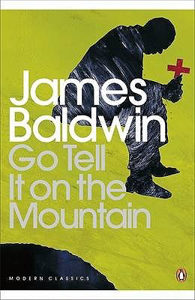 James Baldwin, Go Tell It On the Mountain
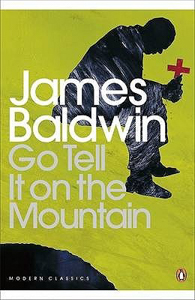
Baldwin’s first novel recounts the fourteenth birthday of one John Grimes, who is struggling with love and hatred of the church, his father, and what he is beginning to identify as his “treacherous and bewildering body.” See also: Giovanni’s Room, a coming-of-age of a different, but no less intense, variety.
 Dorothy Allison, Bastard Out of Carolina
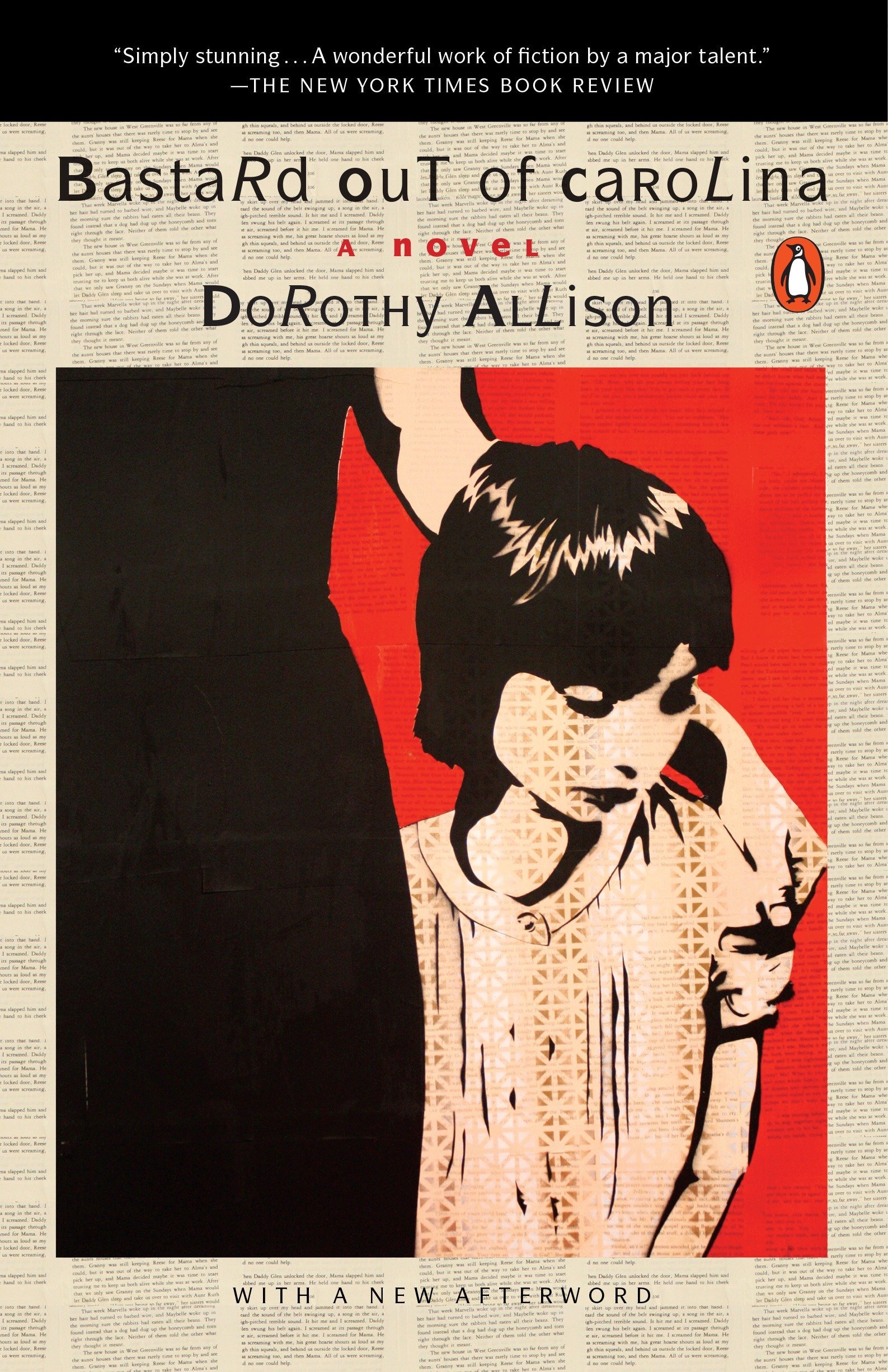
A harrowing modern classic about a “white trash” family and its youngest member, Bone, who is also repeatedly abused, physically, emotionally and sexually, by her stepfather. In the end, what she finds is a little less than the self-awareness and self-actualization of some of the other novels on this list. But as David Cantwell so eloquently put it in The New Yorker:
Readers sometimes complain about the book’s conclusion. Bone, abandoned by her mom and churning between a rage that threatens to consume her and a fatalism that tells her to just give up, imagines that her story is, for all intents and purposes, already over, that “I was already who I was going to be.” Some people want a happy ending, or at least a hopeful one. Yet, short of somehow magically erasing everything she’s endured, the novel ends about as well as we could imagine that it would for Bone. She is alive. She is safe with Aunt Raylene, whom we and Bone have learned to love and respect. More to the point, the book that we are reading exists, and it is told in her voice.
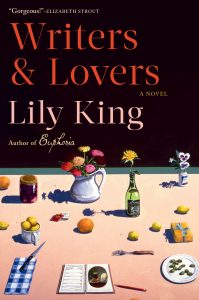 Lily King, Writers & Lovers
Casey is 31, living in a potting shed, grieving her mother, waitressing miserably, and, of course, writing an interminable novel in the early morning hours. It’s a testament to King’s skill, humor, and wit that a novel so packed with struggle, failure, and anxiety can feel so warm, encouraging, and pleasurable to read (a friend pitched it to me as Ted Lasso for writers, and I can’t disagree). It’s oversimplifying to call it a love-triangle, but two men and their very different lives give Casey the chance to make the classic coming-of-age choice—the safe life, or the romantic, literary, unsettled, risky one. And it’s done so well you’d almost be happy with either ending, as long as Casey finally gets a win. –as recommended by Emily Everett
 Sylvia Plath, The Bell Jar
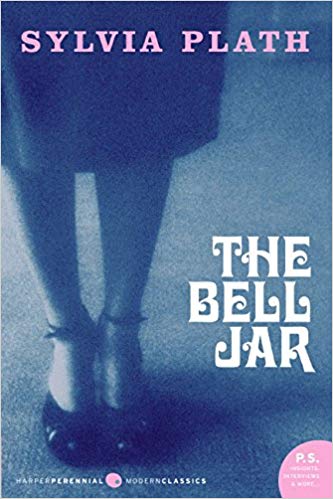
Plath’s only novel is a semi-autobiographical account of a young woman’s descent into mental illness and search for self-actualization and self-identification; this is another one that not only depicts a coming-of-age but has certainly helped fuel more than a few.
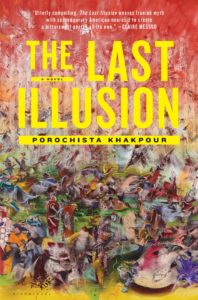 Porochista Khakpour, The Last Illusion

Zal has a little further to go than most of the other young people in the books on this list—after all, he spends his first years raised as a bird, kept in a cage by a mother horrified by his albinism. Eventually he is freed and transported to New York City, where he grapples with becoming a man—and with the nagging feeling that he should be growing into another kind of creature altogether. A fabulist, wonderful take on a classic trajectory.
 Charlotte Brontë, Jane Eyre
Wretched orphan becomes happily married woman—the original coming of age story. Never mind the insane ex-wife in the attic, or the fairly horrible husband, or the fire. Just never you mind.
 William Maxwell, So Long, See You Tomorrow
A few pages in, the narrator’s mother dies of the 1918 Spanish flu. This shatters the narrator, whose life is now marked by a distinct “before and after”—but this is not the only “before and after” moment in the man’s early life that haunts him. This slim, gorgeous novel is mostly the older narrator at a remove describing a love triangle and murder in a small, Illinois farm town, and the effect it had on his childhood friend. It’s also a reflection on becoming aware of the faults of one’s parents, youth, kindness, and regret. It’s about the pull of the past and our desire to keep explaining it, though such a task is nearly impossible to get right. –as recommended by Samantha Jayne Allen
 Ocean Vuong, On Earth We’re Briefly Gorgeous
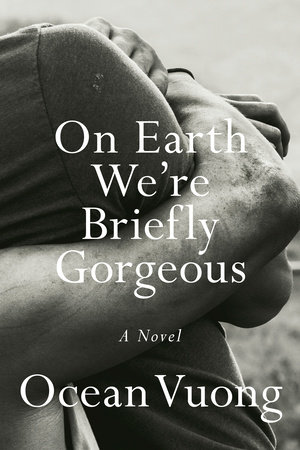
An admittedly recent addition to the coming-of-age canon, but a great one: a poetic letter from a son to his mother, telling the story of his childhood and his eventual relationship with a boy called Trevor, “the boy from whom I learned there was something even more brutal and total than work—want.” And I love what Justin Torres said about the book in the New York Times Book Review:
Nowadays the word “sentimental” is impossible to detach from its pejorative sense, but the original, philosophical sense of the word refers to thought that is either colored by, or proceeds from, feeling. In today’s culture we’re often offered the choice between the ironic shrug of nihilism and positivity-obsessed pop psychology, which suggests that changing one’s thought patterns can control and produce desirable feelings. Vuong rejects that binary, and the book is brilliant in the way it pays attention not to what our thoughts make us feel, but to what our feelings make us think. To what kinds of truth does feeling lead?
To all kinds of truth, if this book is any indication.
 Sandra Cisneros, The House on Mango Street
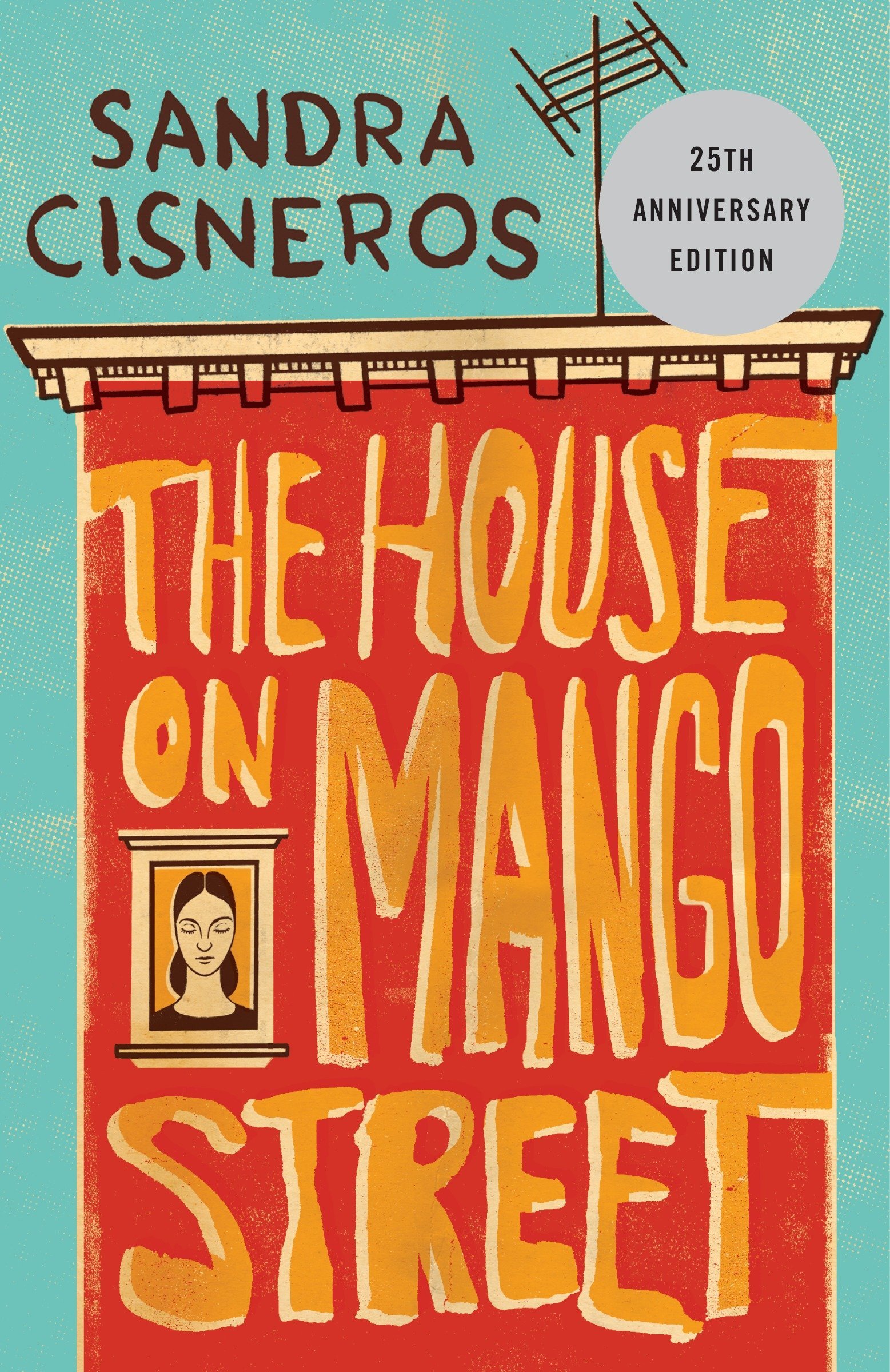
To be fair, Cisneros’s classic coming of age story is borderline young adult, but this slim story of Esperanza and her aching desire to transcend (her life, her neighborhood, and her house) is so universally beloved that I really couldn’t help but include it.
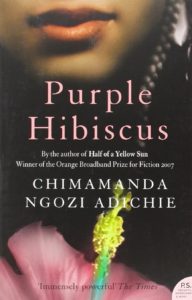 Chimamanda Ngozi Adichie, Purple Hibiscus
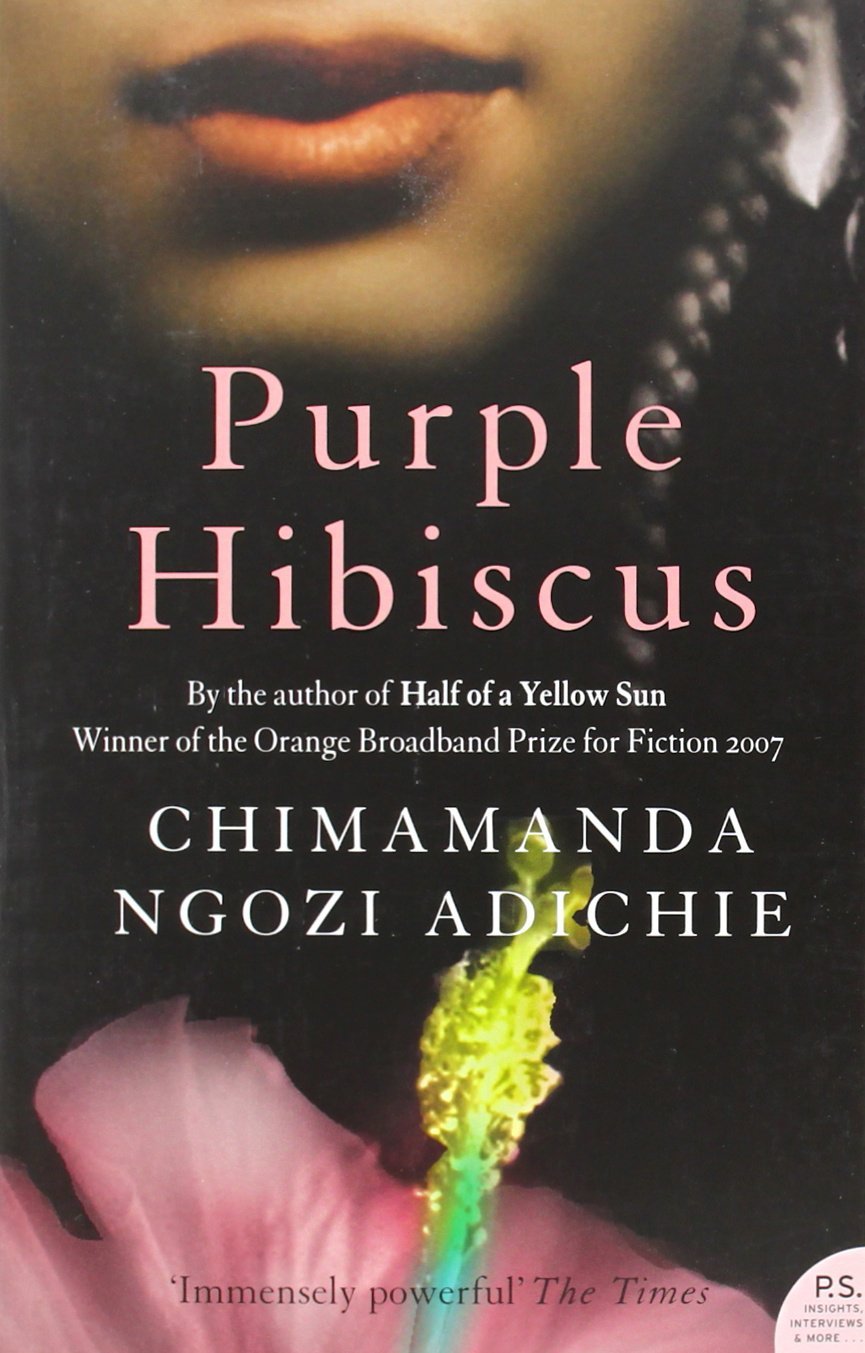
Adichie is more famous for Americanah, but her debut—in which a teenage girl struggles for self-actualization under the violent, hyper-religious shadow of her father—is also well worth your time.
 Fleur Jaeggy, tr. Tim Parks, Sweet Days of Discipline
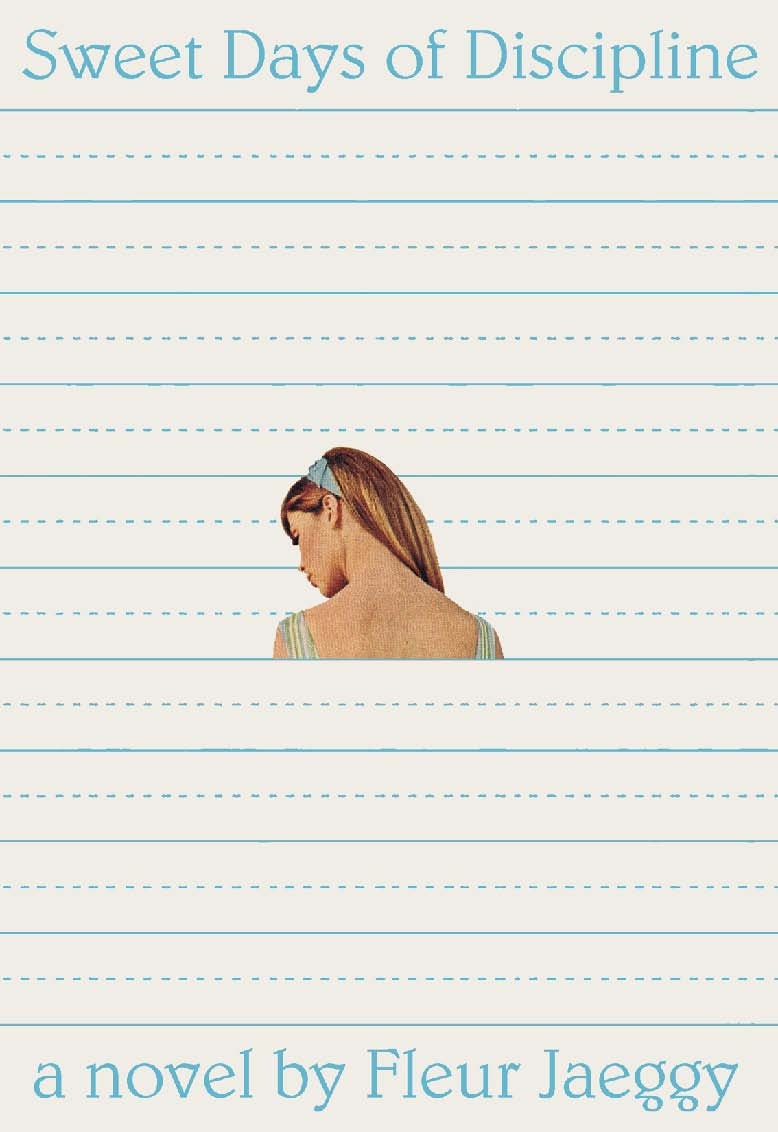
God, do I love bad girls in boarding schools, especially when one is obsessed and the other is remote, and the whole thing is told in ice-cold, brilliant and beautiful prose.
 Charles Dickens, Great Expectations
In which young orphan Pip becomes a blacksmith, and then a gentleman. See also: David Copperfield, notable for all that character-building walking.
 Stephanie Danler, Sweetbitter
This vivid coming of age novel, a behind-the-scenes portrait of the New York restaurant world, has some seriously sensuous writing about food and wine. –as recommended by Jay McInerney
 Julia Alvarez, How the García Girls Lost Their Accents
A coming of age story told in reverse, beginning with the four sisters as adults in their adopted United States, touching on their experiences as new immigrants, and detailing their difficult childhood in the Dominican Republic. It is, more than anything, a novel about where—and who—you come from.
 Mark Twain, Adventures of Huckleberry Finn
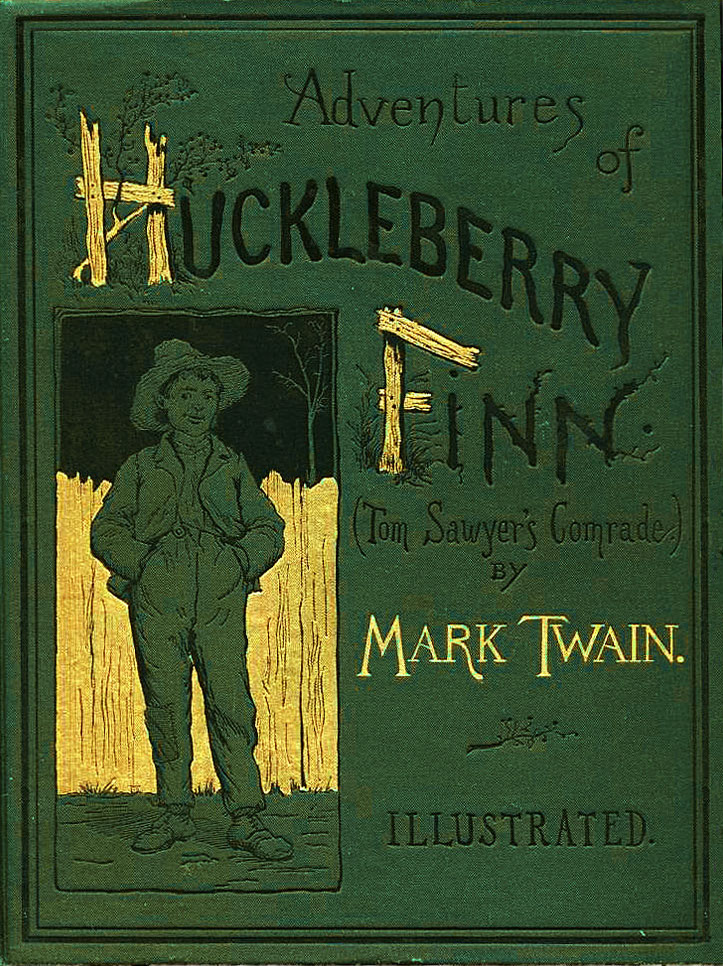
Ah, man vs. society. (Not to mention literature vs. censorship.)
 Ralph Ellison, Invisible Man
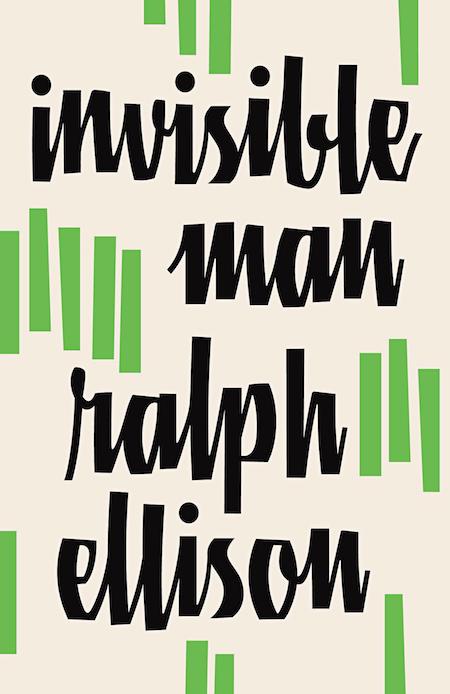
Ellison’s masterpiece is a lot of things, and one of them is a classic bildungsroman, in which our narrator is informed repeatedly who and what he is, and who and what he should be—by those who “see only my surroundings, themselves, or figments of their imagination”—and ultimately decides to retreat entirely from those who would define and erase him, into a literal hole in the ground. Relatable.
 Saul Bellow, The Adventures of Augie March
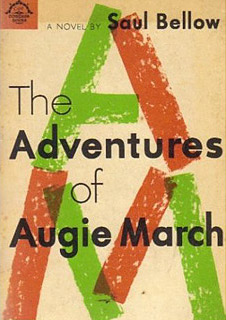
Bellow’s mostly plotless picaresque is a triumph of aimless self-exploration; it won the 1954 National Book Award for fiction and is frequently counted as one of those Best American Novels. We do love to wander around and fail at things and then get slightly better at wandering around, don’t we?
 Zora Neale Hurston, Their Eyes Were Watching God
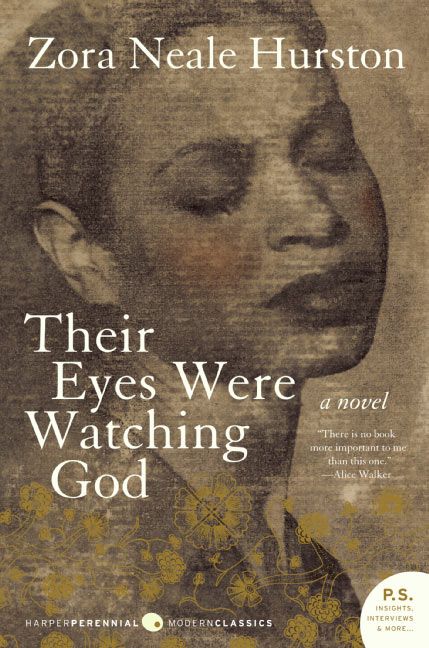
In Hurston’s beloved novel, Janie looks back at her development from a powerless teenage girl into a strong, self-actualized woman—ready to do what she has to do to get what she wants, and to defend herself no matter the circumstances.
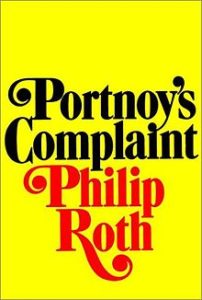 Philip Roth, Portnoy’s Complaint
Well, there’s a first time for everything.
 Italo Calvino, tr. Archibald Colquhoun, The Baron in the Trees
One of my own personal favorites: a delightful, fabulist coming of age novel in which a twelve-year-old noble climbs into a tree and declares that he will never come down—though the introduction of one Viola threatens to confuse his plans. But though Cosimo becomes a man up there among the leaves (in more ways than one, I suppose), he sticks to his promise, in the end going up rather than down.
 Toni Morrison, Song of Solomon
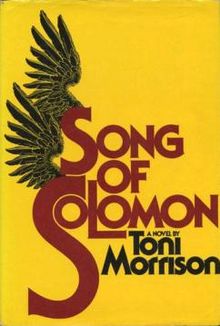
Several of Morrison’s novels could be classified as “coming of age”—I think Song of Solomon, her third, wears the title best, covering as it does the full trajectory of Macon Dead III (better known as “Milkman” for the length of time he spent breastfeeding) from his birth until the death of his father—one of those emblematic markers of true adulthood.
 Cormac McCarthy, Blood Meridian
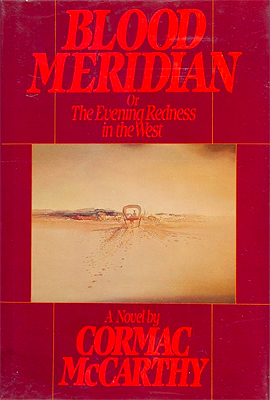
Here’s another entry not typically put into this category—but after all, this is a book in which a young runaway (here known only as “the kid,” of course) goes on a long journey, gets himself into the deepest and darkest of trouble, joins a pack of bad men following a dangerous god, begins to question their philosophy in favor of his own, and watches almost all of them lose their lives before he fully takes his leave of them (and is finally known to us readers as “the man”).
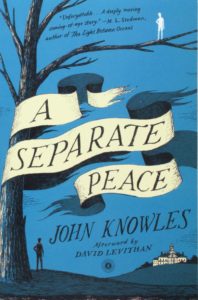 John Knowles, A Separate Peace

The ur-boarding school novel.
 Edwidge Danticat, Breath, Eyes, Memory
“I come from a place where breath, eyes and memory are one, a place where you carry your past like the hair on your head,” Sophie Caco, the narrator of Danticat’s incredible debut, tell us. That place is the village of Croix-des-Rosets, in Haiti; she leaves at the age of twelve to live with her mother in New York, though as far as her other is concerned, the child only stirs up bad memories and creates problems. But it is there Sophie will come into herself, rebelling against everything in sight until she finally realizes her own true desires.
 Fran Ross, Oreo
In this cult, postmodern picaresque, Oreo is born to a Jewish father and a black mother (a union which horrifies both sides—it’s the 70s). Her parents separate, and she grows up with her grandparents, until she eventually blows their small popsicle town for the big city, where she’s sure he’ll find her father—”I’m going to find that fucker,” she says—but turns out it’s harder than you’d think to find a Sam Schwartz in New York City. To be fair, this is more satire than emotionally-realized bildungsroman—but Oreo does grow up in the process, whether she likes it or not.
 James Joyce, A Portrait of the Artist as a Young Man
The classic künstlerroman that serves as a gateway drug into Ulysses.
 Helen DeWitt, The Last Samurai
One of the best novels in recent memory in any category, and certainly in this one, concerning as it does one of the most delightful and precocious children ever committed to literature, and his epic search for his true father—not to mention his ultimate decision that he doesn’t need any father at all. Of course, this is all overshadowed by the language of the book, its remarkable, flexible form, its intense brilliance—but that’s a discussion for another time.
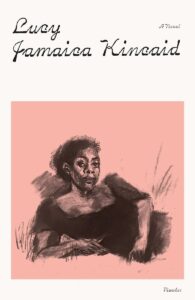 Jamaica Kincaid, Lucy
Kincaid’s semi-autobiographical, intertextual coming-of-age story follows a teenager from the West Indies who travels to the US to work as an au pair and to escape the life she has always known. A stranger in a strange land, and somewhat contemptuous of it, while also in a kind of love, she nonetheless finds her way, in spare but evocative prose, exploring her own sexuality and developing her own interests as the relationship between her employers unravels. –as previously recommended here
 Elena Ferrante, My Brilliant Friend
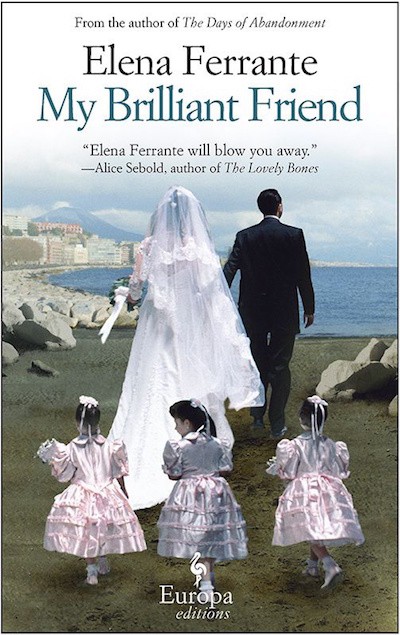
You could, I suppose, put the entire Neapolitan series on this list—after all, taken together, it’s an epic history of the lives of two women. But let’s start here, with the first novel, and its neat trajectory from childhood brilliance to adolescent awakening to marriage (the traditional end to childhood, even if it comes at sixteen).
 Louise Erdrich, The Round House
The novel opens with Ojibwe lawyer Joe Coutts looking back on the summer he was thirteen, the summer when his mother, a tribal clerk on the North Dakota reservation where they live, was brutally attacked. While his father, a judge, seeks justice through official channels and is continually thwarted, Joe becomes frustrated and sets out on his own rogue investigation. Erdrich is one of my favorite authors and this novel, in my humble opinion, is her best. It’s about the adolescent drive to seek justice—or revenge—and what that actually looks like in an unfair world. It’s also a total page-turner with warmth, humor, depth, and characters you won’t ever forget. –as recommended by Samantha Jayne Allen
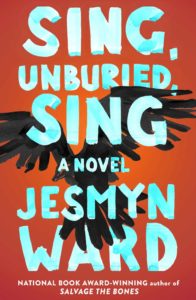 Jesmyn Ward, Sing, Unburied, Sing
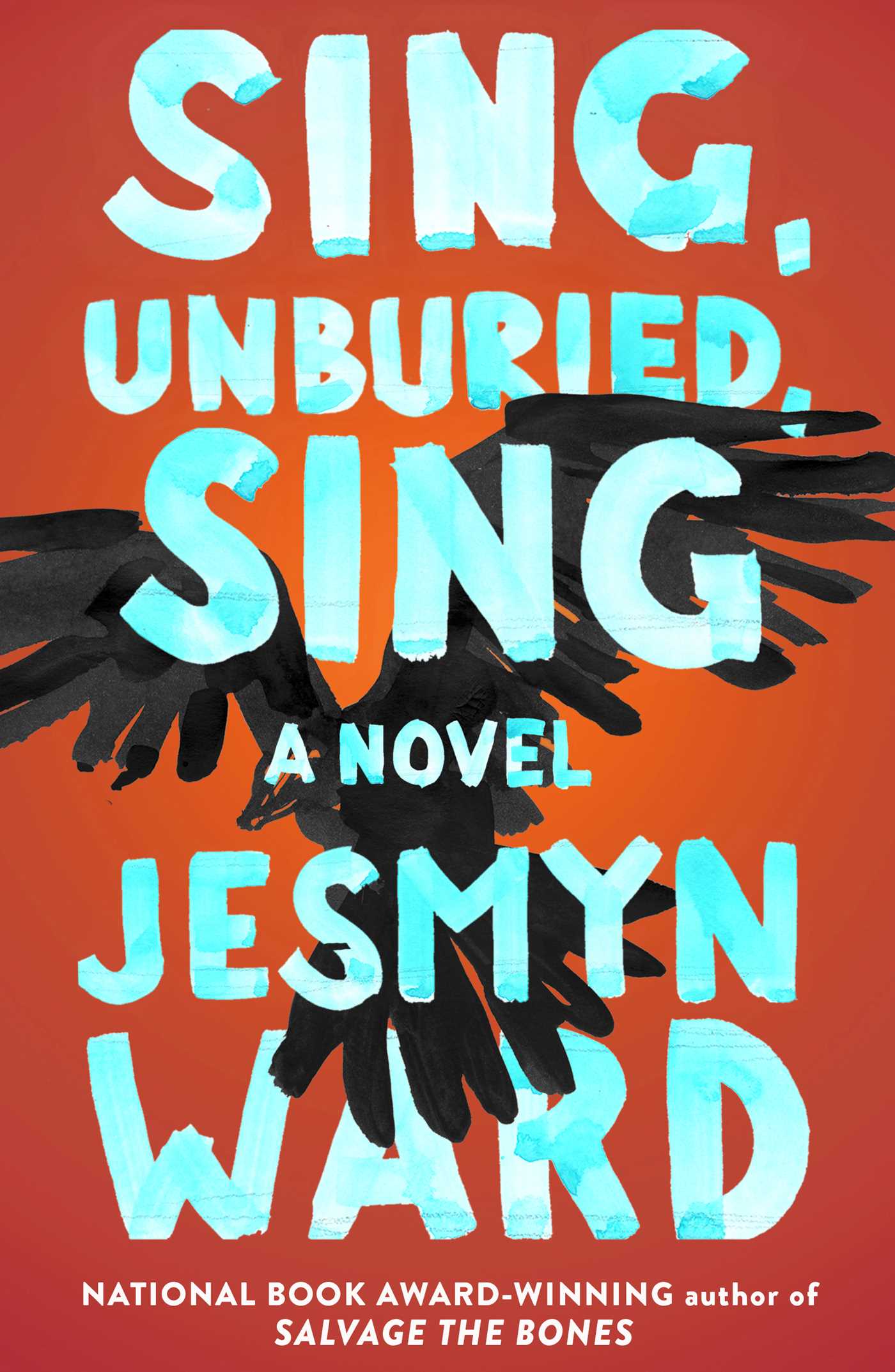
Ward’s latest novel begins on Jojo’s thirteenth birthday, which is also the day he finds out that his father is being released from prison. Thus begins a road trip increasingly haunted by both past and present, which will teach Jojo something true about his own myths, and those of his family. See also: Salvage the Bones.
 John Irving, The Cider House Rules
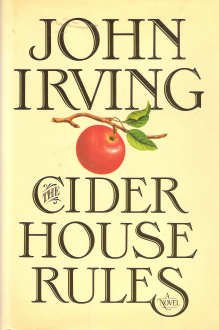
Irving’s classic concerns Homer Wells, growing up in an orphanage (so many orphans on this list—perhaps Tom Gauld knows why) and helping its director perform abortions—until he finally decides, as a young man, to leave the place he’s lived all his life and fall in love with a woman whose boyfriend might or might not be dead and who might or might not come back paralyzed but still ready to marry her, forcing them to keep their love a secret, etc.
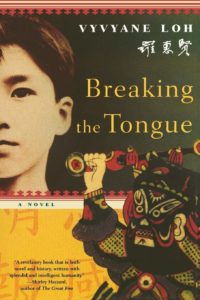 Vyvyane Loh, Breaking the Tongue
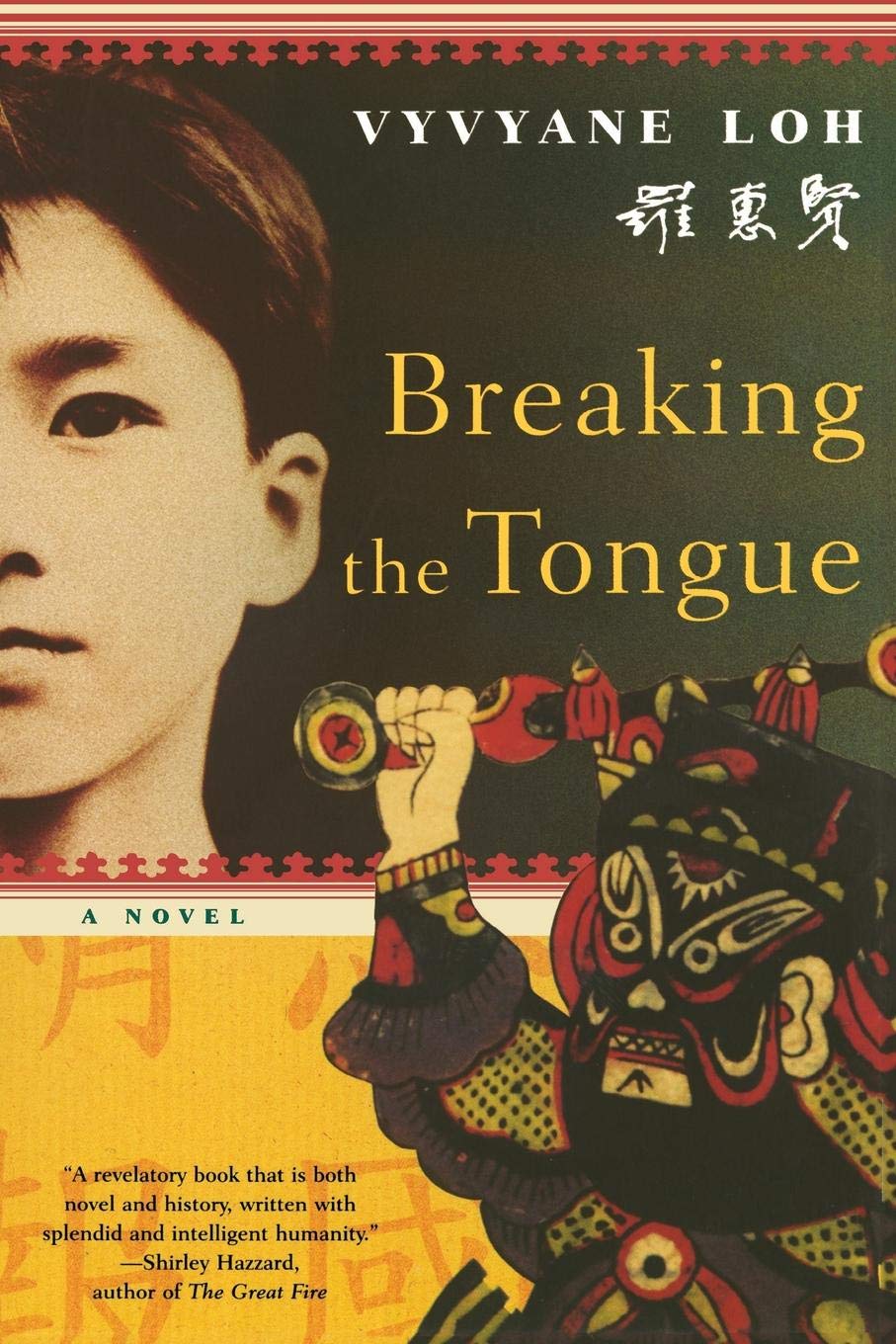
Like Midnight’s Children, this novel blends the personal—the coming-of-age of Claude, a Chinese boy whose parents are such Anglophiles that he has never learned his mother tongue, with the political—the fall of Singapore in World War II. Claude’s narration alternates with that of Ling-li Han, a nurse he encounters; his journey is punctuated with an experimental ending. As Julia Lovell describes it in The Guardian:
At the heart of Claude’s cultural discomfort lies his inability to communicate in the language that defines his ethnic group. When British authority, and Claude’s faith in it, disintegrate, he sets about learning his mother tongue, and it is in untranslated Chinese that, in the closing pages, he recalls Ling-Li’s last, horrifying moments in a Japanese prison cell.
 Sarah Waters, Tipping the Velvet
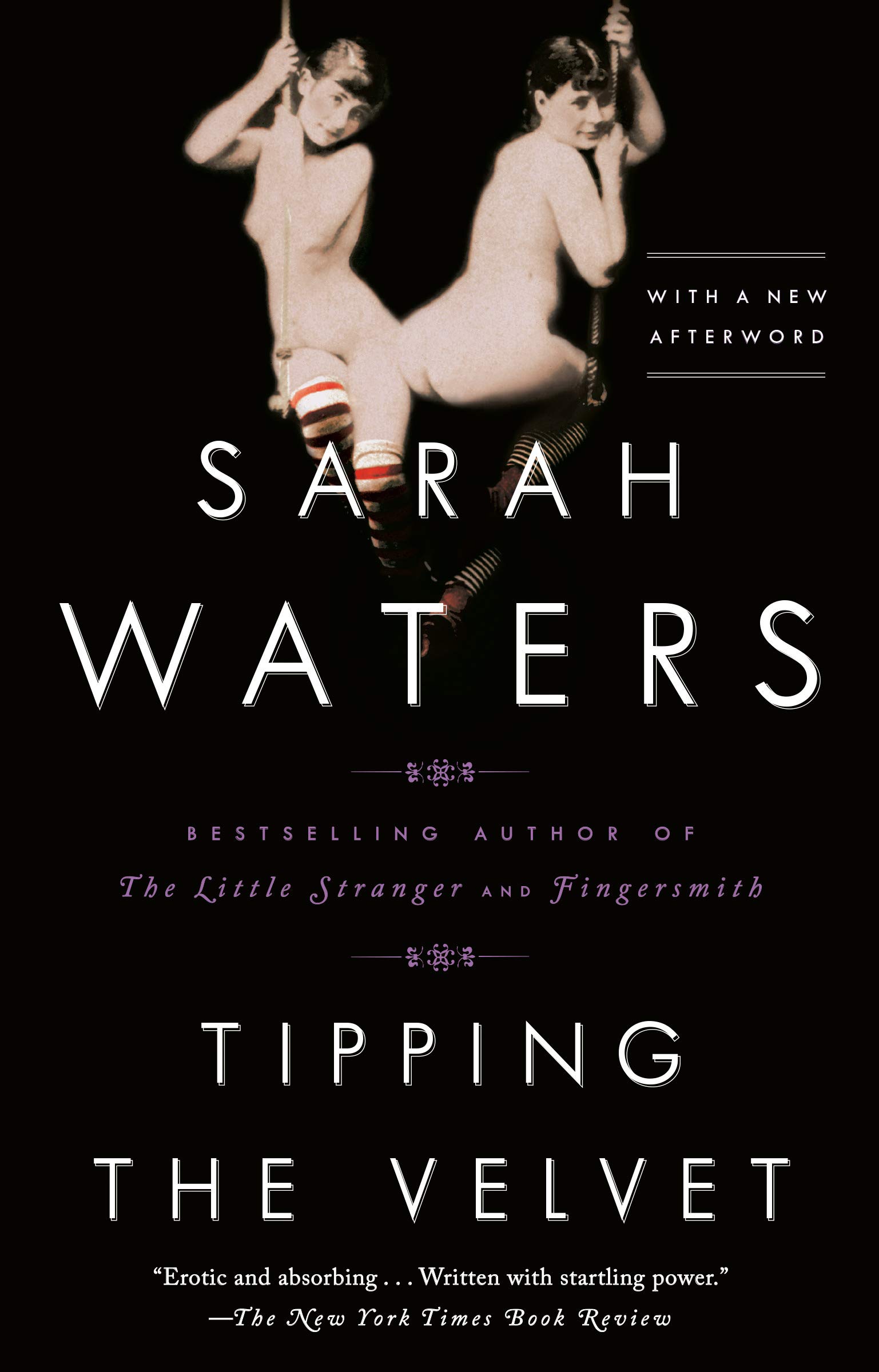
In this highly delicious debut novel, a teenage “oyster-girl” called Nan falls in love with a male impersonator at the local theater, and follows her when she goes on the road, first as a friend and costume manager, then as a lover and co-star—until everything, as it always does in Waters’ novels, crumbles disastrously to the ground, leaving Nan destitute and miserable. Her real coming of age, of course, comes from what happens after all that.
 Kaitlyn Greenidge, We Love You, Charlie Freeman
An intelligent, heartfelt novel about family, racism in the sciences, sisters, and self-discovery. If you follow her on Twitter, you already know that Greenidge is astute and erudite, unafraid to tell the truth about our culture and political climate. Her first novel works on every level, the personal, the political, historical, emotional. The Freemans of the title move to a research facility to participate in an experiment where they will live with a chimpanzee that was abandoned by his mother.
Simultaneously, we learn the racist history of the institute itself. Within this complex tapestry is our guide, Charlotte, the soul of the book, a teenager dealing with a strange situation, who is also, we discover, queer. The awkward, painful beginning of her life as a queer woman is handled deftly by Greenidge. A sensitive and loving portrayal. –as recommended by Richard Mirabella
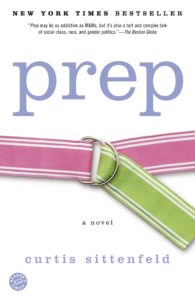 Curtis Sittenfeld, Prep
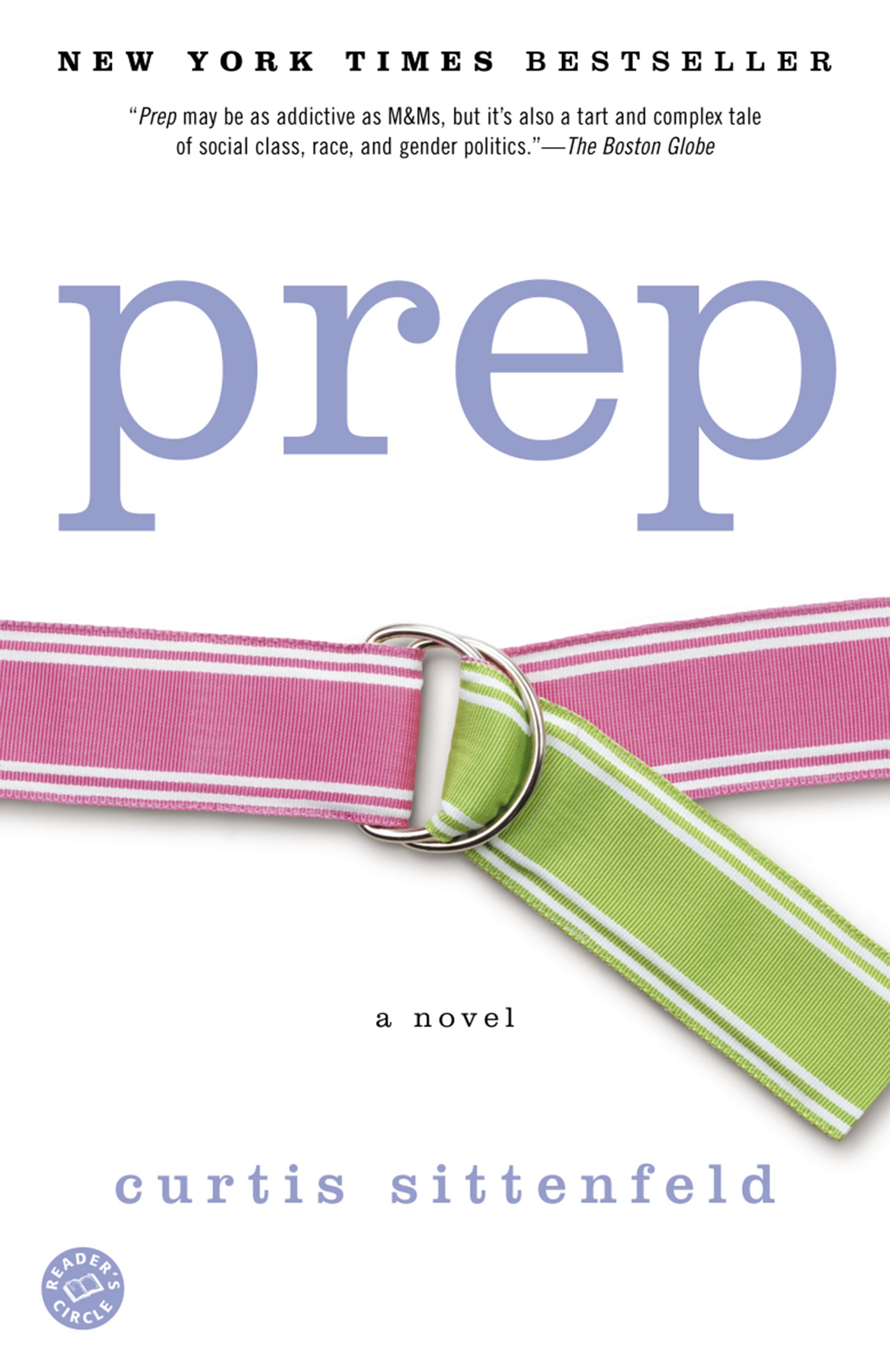
A brilliantly observed boarding school bildungsroman that doesn’t get nearly the credit it deserves.
 Tayari Jones, Silver Sparrow

This compelling novel also features one of the best opening lines in contemporary literature: “My father, James Witherspoon, is a bigamist.” Don’t tell me you won’t keep reading after that—especially because what follows is the double-coming-of-age of Dana Lynn Yarbor and Bunny Chaurisse Witherspoon; when it begins, the former knows all about the latter, who knows nothing—but soon will.
 Salman Rushdie, Midnight’s Children

We often think of coming of age stories as being small, localized to the journey of a single person—who often starts out as a literal child, no less. But they can also be massive, engaging with major historical events while they tackle the personal ones, as Midnight’s Children does with its magical realist take on India’s independence—and the boy who is exactly as old as his country.
 Kazuo Ishiguro, Never Let Me Go
Yes, even clones can come of age. As Joseph O’Neill put it so eloquently in The Atlantic:
Ishiguro’s imagining of the children’s misshapen little world is profoundly thoughtful, and their hesitant progression into knowledge of their plight is an extreme and heartbreaking version of the exodus of all children from the innocence in which the benevolent but fraudulent adult world conspires to place them. We grow up—if we’re lucky—in security and wonder, and afterward are delivered to the grotesque fact of our end. And then?
No and then.
 Stephen Graham Jones, Mapping the Interior
Jones is an extraordinarily prolific writer, and he’s an expert at genre manipulation; no surprise then that Mapping the Interior is both a coming-of-age story and a horror story, a book about menace, memory, and hope. –as previously recommended here
 Zadie Smith, White Teeth
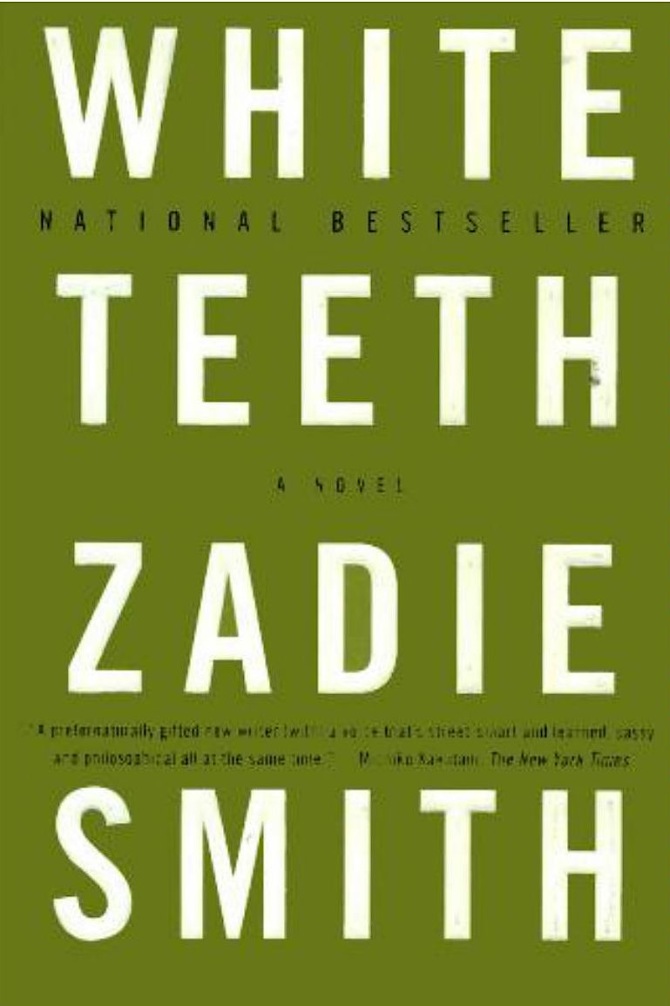
Zadie Smith’s 2000 novel is both a family drama that spans three generations, and a coming of age novel for Millat and Irie, second-generation immigrants living in London. A modern classic.
 Daniel Woodrell, Winter’s Bone
Set in the Missouri Ozarks, this is the story of Ree Dolly, who is sixteen, and caretaker to her mother and her young brothers. Her dad has skipped bail and the family stands to lose everything if Ree can’t bring him back by his court date, dead or alive. So begins what reads at times like a mythical hero’s journey, with the kind of sentences that float around in your mind for a long time. Prose that is distinct, lyrical, and earthy. Ree suffers betrayals one after the other and few benevolences. It’s less a coming-of-age about losing innocence—Ree is used to being the steadfast one, the adult—and more about her learning the depths of her strength, and her gaining the ability to look the monster straight in the eye.
–as recommended by Samantha Jayne Allen
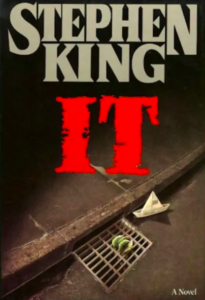 Stephen King, It

I suppose King’s novella The Body would be a more obvious choice here, but It is more fun—and after all, fighting an ancient unnamable evil with your friends and escaping with (most of) your lives is rather more character-building and innocence-destroying than just, you know, seeing a dead body.
This article was updated on June 20, 2026.

Emily Temple
Emily Temple is the managing editor at Lit Hub. Her first novel, The Lightness, was published by William Morrow/HarperCollins in June 2020. You can buy it here.