Lit Hub Weekly: July 6 - 10, 2026
THE BEST OF THE LITERARY INTERNET

- Lisa Owens explores the “taboo” ways women writers arrange the balance between creativity with family. | Lit Hub Craft
- How Jane Austen subverted the kind of romance she mastered by writing Emma. | Lit Hub Biography
- How Joyce Carol Oates, queen of the literary internet, examines “the dispiriting effects of technology on contemporary life” in her new collection, The Frenzy. | Lit Hub Criticism
- “Osip Mandelstam was denied the right to work for any publication or publishing house; translation jobs were cancelled, his writing went unpublished.” Megan Marshall on the parallel terrors of Stalin and Trump. | Lit Hub History
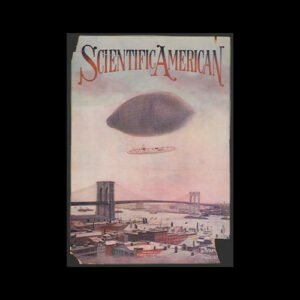
- David E. Nye considers the optical illusion of American progress. | The MIT Press Reader
- Jeff Goodwin explores the often erased Marxism of W. E. B. Du Bois. | Jacobin
- Keli Dailey rereads Mark Twain as the world burns. | Adi Magazine
- How Palestinians are building digital archives in the face of genocide. | Wired
- Quinta Jurecic looks into the complete lack of investigation into the murders of Renee Good and Alex Pretti, six months on. | The Atlantic
- Rosemary Counter digs into the fascinating, lesser-known details of Laura Ingalls Wilder’s life, from Pa’s precarious finances to prairie serial killers. | Vanity Fair
- “While nothing that he writes is of much interest, Nazir himself is shaping up to be an oddly appealing character.” Laura Miller on Jamir Nazir’s defense of his allegedly AI-generated story. | Slate
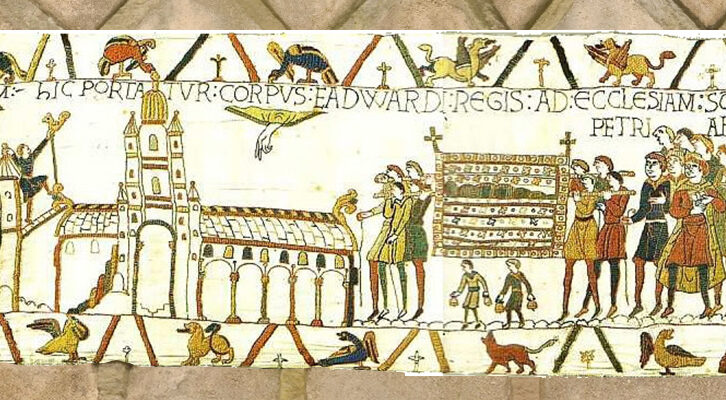
- Stephen Mihm explores the “fateful mid-sermon revelation” that led Melvil Dewey to create the Dewey Decimal System. | Smithsonian Magazine
- Why copyright isn’t enough to protect writers from having their work stolen by AI. | The Dial
- “We artsy kids had zines, and the right had the direct-mail machinery.” Chris Randle and Isaac Butler discuss censorship, public art funding, and the erosion of the public sector. | Dirt
- Olivia Baes discusses why “there is always an oral element” when translating Margurite Duras. | Asymptote
- Are you ready for the AI “merge”? Because apparently, it’s already begun. | The Nation
- Rachel Aviv talks to Lucy McKeon about the relationships between parents and children and her new book, You Won’t Get Free of It: Stories of Mothers and Daughters. | Broadcast
- Abigail Susik explores the pessimism of André Breton. | Los Angeles Review of Books
- Hua Hsu traces the past and future of Silicon Valley’s Highway 85: “There were celebrations all along the route that day. I remember walking down the on-ramp and seeing the road extend for miles.” | Places
Also on Lit Hub:
The case for Moby-Dick as the ultimate American novel • Why Plato’s Symposium is actually about love • How medieval scribes wrote as a spiritual practice • On the unexpected gift of sharing a geriatric debut • How Etel Adnan influenced a generation of poets • AI’s slow, steady invasion of literary translation • The poetics of the yodel • Considering Jonestown as a Guyanese-American author • Nine great books about survival at sea • Exploring every street of Santa Cruz County • The freeing power of writing fiction for the first time • Why do local governments struggle with trash? • Swimming as self (re)discovery • The similarities between diving and creativity • Read “Hemlock, 1956,” a poem by Victoria Chang • Remembering the great Tom Stoppard • The eternal pantomime of Love Island • Why William Makepeace Thackeray’s Vanity Fair is more relevant than ever • The minority languages in danger of becoming extinct • this week’s Independent Press Top 40 Bestsellers for fiction and nonfiction • Ten reasons you should think about downsizing your book collection • 5 book reviews you need to read this week • How Rachel Aviv fell in love with Revolutionary Road • Read a new poem by Fatimah Asghar • Australia’s snake venom con men • Why was Earth Liberation Front treated like a terrorist group? • Writing lessons learned from Hans Zimmer • On Kathy Leissner, the overlooked first victim of the University of Texas tower shooting • Read “Boardinghouse With No Visible Address,” a poem by Franz Wright • The best reviewed books of the week