Lit Hub Weekly: December 15 - 19, 2025
THE BEST OF THE LITERARY INTERNET
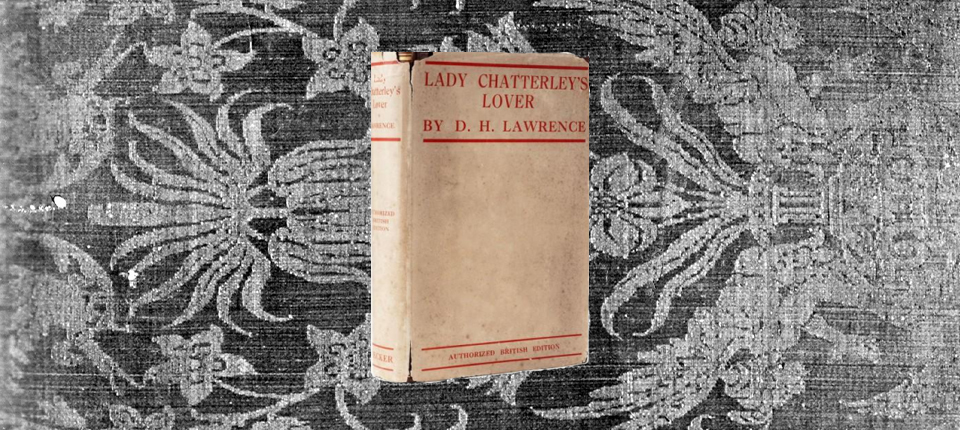
- Because you asked for it (you ask for it every year). These are the most scathing book reviews of 2025. | Book Marks
- Why Virginia Woolf thought Katharine Mansfield stank like a “civet cat taken to streetwalking.” | Lit Hub Biography
- Why read 58 best books lists when you can just read one? This is the ultimate best books list for 2025. | Lit Hub Reading Lists
- Tarpley Hitt chronicles the intense international legal battle over Barbie dolls (and their imitators). | Lit Hub History
- “In a frequently mangled quote, media theorist Marshall McLuhan observed that humans shape our tools, which then come to shape us.” A look into the future of slopified media. | The Nation
- Oluremi C. Onabanjo explores the role of photobooks in the development of African photography. | Aperture
- Kevin Ruane considers Graham Greene’s The Quiet American, a scathing portrait of American foreign policy, 70 years on. | Jacobin
- “No matter how great our collective amnesia, these mass shootings add up.” Xochitl Gonzalez on the attack at Brown and how America continually fails its children. | The Atlantic
- Ed Simon traces the visual history of No Kings, from a toppled statue of George III to the current proliferation of protest imagery. | Hyperallergic
- What Isaac Asimov’s rules for ethical AI couldn’t understand about the future. | The MIT Press Reader
- Sonja Drimmer and Christopher J. Nygren offers four “small acts of friction” for resisting AI in education. | Public Books
- “Magazines were a testing ground for new work, for writers to flex their muscles and pay their rent between novels.” Greta Rainbow on the state of book publishing at the end of magazines. | Dirt
- Virginia’s Lieutenant Governor–Elect Ghazala Hashmi on why “reading is a subversive act.” | Shenandoah
- Escapism, podcasts, and risk-aversion: Emma Loffhagen considers what’s behind the nonfiction dip. | The Guardian
- Ellis Simani investigates how nonprofits navigate the language of DEI in the era of Trump. | ProPublica
- “It is essential for scholars to find, pay attention to, closely read, historicize, and theorize the conditions of embodiment in all their material messiness, difficulties, atypicalities, affordances, and glories.” Christian Lewis on the advent of raised-print texts in the Victorian era. | Public Books
- What happened when Dan Fox began speaking Welsh, the language of his family: “another gentle process of discovery.” | The Yale Review
- Emily Foister dives into Anya Berger’s archives: “She saw herself participating in the creative work of her lovers, and those in her networks, as both an inspiration and as an interlocutor, shaping the work from the inside.” | The Paris Review
Also on Lit Hub:
On sadness and anger in the face of the West’s crimes in Gaza • Sandy Ernest Allen reckons with Harry Potter as a trans person • The best reviewed fiction of 2025 • How a father and daughter can break a cycle of violence • Nobody knows where the caribou have gone • The reality of climate change and the limits of Western storytelling • Language, place, and creative writing in Sarajevo • The best reviewed nonfiction books of 2025 • On the stories of love and sex addicts • Can bibliotherapy heal the world? • Theodore Roosevelt’s popularity, charisma, and progressive politics • How New York State almost banned Ulysses • How Jane Austen’s family nurtured her writing • Exploring David Thoreau’s Kalendar • The Lit Hub stories our staff loved in 2025 • Am I the asshole for calling out romance novelists who don’t care about romance? • Mixing personal memories with public histories • The 10 best book reviews of 2025 • Authoritarianism, war, and literature in Europe • Our most popular stories from 2025 • Boarding house poetics and communal living • Health, identity, and brain injury • Essential books on the Vietnam War’s most important photographs • Co-founding MTV and hitchhiking the Sahara • Kat Abughazaleh on loving sci-fi and fan fiction