Lit Hub Weekly: April 6 - 10, 2026
THE BEST OF THE LITERARY INTERNET

- On physics, poetry, and how humans “are producing our reality through the stories we choose to tell and the metaphors that we use to narrate them.” | Lit Hub Criticism
- How a pulp magazine built American science fiction: “For better (and often worse), Amazing Stories set the template and idiom, language and look, of what people think science fiction is.” | Lit Hub Craft
- You’ve heard of Bad Art Friend, but are you ready for…Good Art Friend? | Lit Hub In Conversation
- Michael Edison Hayden traces the origins of white supremacy group VDARE and explores how extremism can invade small town American. | Lit Hub Politics
- “It is striking that, in a book that is ostensibly about meaning, nothing approaching a positive picture of meaning ever emerges.” Becca Rothfeld reads Arthur C. Brooks (for filth). | The New Yorker
- Molly Crabapple considers the connection between the Jewish radicals of early 20th century Poland and the women caring for their incarcerated loved ones today. | Harper’s Bazaar
- Rachel Ossip searches for the Cattle Queen: “The poster seems to have struck a chord with the feminists, and it continued to pop up at protests.” | n+1
- Jasper Lo, former New Yorker fact checker and union leader, tells the story of his firing from the magazine. | The Nation
- On Richard Siken, Anne Carson, and what happens when poets lose their language. | LARB
- Omar Hamad tells Shatha Abdellatif about building Gaza’s Phoenix Library from a bookshelf in a tent. | Asymptote
- Rebecca Liu on why the death of the romcom is a distinctly American invention. | The Dial
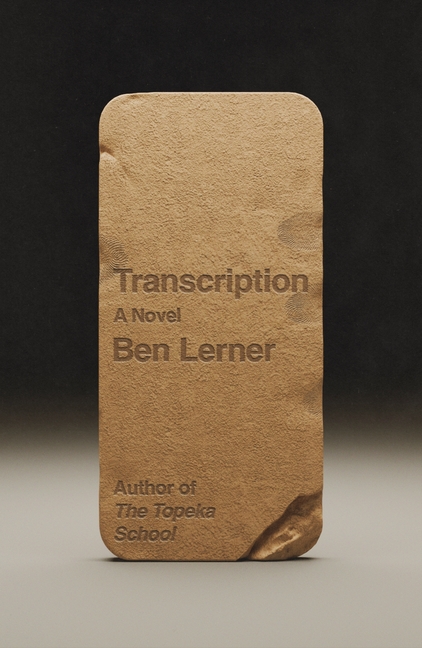
- “Distinguishing the world from simulations of the world, the virtual from the real—it’s a tough job for anyone, let alone for those of us who spend our lives writing texts in the service of ‘expression’ or ‘creativity.’” Maggie Millner on Ben Lerner’s Transcription. | n+1
- Kamram Javadizadeh considers Robert Frost as a poet of midlife. | The Yale Review
- “If you would save the planet, forget The Planet; if you would sustain and repair nature, forget Nature. Remember the example of Gilbert White. Think only of the sensual properties of one dear place.” Alan Jacobs on the evolution of writing about the natural world. | The Hedgehog Review
- Caroline Fraser considers three recent books about consumption, waste, and “Miltonic corporate devilry.” | NYRB
- “The Soviet products became useless paper, sold by the kilo to meat and beignet sellers as wrapping material, and Marx’s Capital, the erstwhile Bible of the intelligentsia, was consigned to the same dusty niche as the Egyptian Book of the Dead.” On when the American dream came to Africa. | Equator
- “If there remains a difference between literature and content, the influencer novel suggests how unstable that difference has become.” Charlie Tyson examines how influencers show up in literature. | The Baffler
- Sam Adams separates fact from urban legend in the case of video store staple, Faces of Death. | Slate
- Nitsuh Abebe traces the evolution of “gatekeeping.” | The New York Times Magazine
Also on Lit Hub:
On art, honesty, and introspection • The significance of lost and misplaced objects • Friendship as “integral to and inscribed in creative work” • How to make the perfect poached egg • This week in literary history • Tradwives and the performance of selfhood • What’s on Aimee Nezhukumatathil’s TBR • In praise of the art of replication • The temporal journey of motherhood • The appeal of the international short story • Writing a novel of marriage and adultery • How fiction brings historical atrocities to life • A conspiracy of the rising costs of childcare • An immigrant twist on an American literary classic • David Farrier revisits “Briggflatts,” Basil Bunting’s classic poem • Emma Straub talks about her New Kids on the Block fanny pack • Independent Press Top 40 Bestsellers for fiction and nonfiction • Am I the asshole for not wanting to do an author photo? • 5 book reviews you need to read this week • Anne Enright’s TBR • America’s best bookshop pets • Molly Crabapple considers history as a “necromantic art” • The enslaved men who dug South Carolina’s New Cut Canal • The appeal of junk • The best reviewed books of the week