Lit Hub Daily: May 4, 2026
THE BEST OF THE LITERARY INTERNET
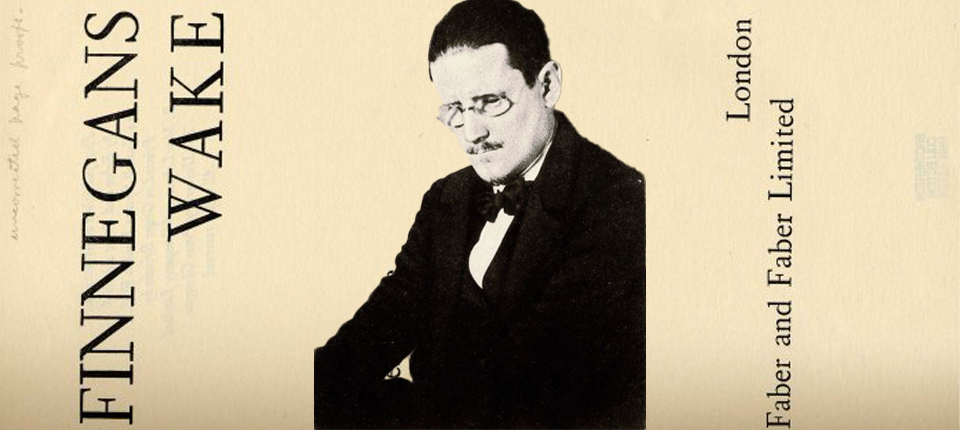
TODAY: In 1939, Finnegans Wake is published.
- “It is absurd that people who look and pray like me and my cousins and uncles, with hearts that could fit in my chest, will die today from bombs forged and dropped by my tax dollars.” Kaveh Akbar considers genocide and justice in his Dayton Literary Peace Prize speech. | Lit Hub
- Clara Hillis on the poetics of Light and Thread, Han Kang’s first nonfiction work to be published in English. | Lit Hub Criticism
- Elizabeth Zaleski compiles a list of the Western literary canon’s greatest farts. | Lit Hub Reading List
- Xuela Zhang writes against righteousness in poetry: “I am nauseated by the certainties transnational poets are expected to keep performing.” | Lit Hub Poetry
- Maria Semple on why she’s “very open and proud that I write the same novel over and over.” | Lit Hub In Conversation
- This week in literary history, Lordy Byron completes a feat of romance, tragedy, and athletics by swimming across the Hellespont. | Lit Hub History
- Jocelyn Jane Cox on dementia, zebras, and saying yes to the “weird book inside of you.” | Lit Hub Memoir
- Maia Chance explores the 19th century domestic advice manuals that preceded tradwife influencers and modern nostalgia for a false past. | Lit Hub History
- “In the gothic, the dead have agency. They can speak, they can take up space, they can demand to be seen and remembered.” How Gabrielle Sher’s great-great-grandmother inspired her debut Jewish gothic horror novel. | Lit Hub Craft
- “In order to list Sakeena for a transplant, Ramzan learned that they needed to complete a workup, including a heart examination, colonoscopy, ob-gyn clearance, even a dental exam, all in the interest of avoiding infection after receiving a new organ.” Read from Hafeez Lakhani’s debut novel, Abundance. | Lit Hub Fiction
- Louis Staples considers the “hustle myth” at the heart of The Devil Wears Prada. | Harper’s Bazaar
- “Anyone who regularly stands in front of a classroom will recognize this paradox: the best way to learn something is to teach it.” Michael Gorra reflects on his teaching life. | NYRB
- Samia Madwar and Sonya Fatah discuss the insufficient global response to the murder of journalists in Gaza. | The Walrus
- Why the “self described pacifist” poet laureate of Green County, New York was stripped of her title. | The Guardian
- What happens when algorithms erase indigenous languages? | Wired
- Lisa Siraganian explains why AI will never escape the shadow of science fiction. | LARB
Article continues after advertisement