Lit Hub Daily: March 20, 2026
THE BEST OF THE LITERARY INTERNET

TODAY: In 1812, the first two cantos of Lord Byron‘s poem Childe Harold’s Pilgrimage are published by John Murray in London. Copies sell out in five days, prompting Byron to comment: “I awoke one morning and found myself famous.”
- How Karen Powell’s Fifteen Wild Decembers contextualizes the enduring appeal of Wuthering Heights. | Lit Hub Criticism
- “Once you have something to get you going, the rest sometimes follows.” When a scientist tackles writer’s block. | Lit Hub Craft
- Clara Bingham recommends books on reproductive rights by Irin Carmon, Muriel Fox, Stephanie Gorton and more. | Lit Hub Reading Lists
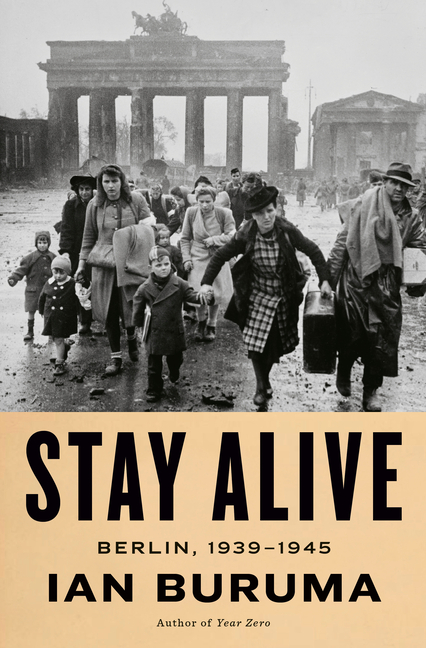
- Hannah Lillith Assadi’s Paradiso 17, Tara Menon’s Under Water, and Ian Baruma’s Stay Alive all feature among the best reviewed books of the week. | Book Marks
- “The bus ride home was hot and smelled of sweat and stale cigarettes.” Read from Pamela Steele’s new novel, In The Fields of Fatherless Children. | Lit Hub Fiction
- Katy Waldman considers Judy Blume: A Life (and why every biography is a “problem book.”) | The New Yorker
- Sasha Dugdale on translating Maria Stepanova’s The Disappearing Act and the relationship between poetry and translating prose. | Asymptote
- “The world that came into being with the will to truth is one that seems to be unraveling before our eyes as the authority of facts and the collective value of truth lose their binding power on society.” Robert Pogue Harrison contemplates our ever-growing will to ignorance. | NYRB
- Why it’s hard to let the em dash go (despite its association with AI generated text). | The Walrus
- Peter Wolfendale considers the literary and philosophical history of the war between machines and human souls. | Aeon
- Amid a recent wave of nightlife literature, Aria Aber remembers what was learned at the club. | The Yale Review
Article continues after advertisement