Hollywood Needs to Stop Hot-Washing Literary Adaptations
Maris Kreizman on Wuthering Heights, Scarpetta, Vladimir, and an Epidemic of Beautiful People in the Wrong Roles
I finally caught the latest film adaptation of Wuthering Heights last week and even though I knew it had been divisive I was still disappointed in a way I hadn’t imagined. I was prepared for the film to be tacky and over the top and too much, and that didn’t faze me at all. I welcomed it. The source material demands it, in fact. But I cannot forgive the fact that in the 2026 version of Wuthering Heights there is absolutely no haunting.
What is Wuthering Heights without ghosts? It becomes a mildly sordid tale of the romance between two very beautiful people that ends when one of them dies, and it also makes Kate Bush’s song of the same name make no sense at all. A non-Gothic Wuthering Heights is a particularly odd choice because I’d assumed the auteur Emerald Fennell would have jumped at the chance to explore Heathcliff’s despair for dead Cathy throughout his troubled life and use his pain as an opportunity to get really weird. I still can’t believe Saltburn is still the only Emerald Fennell film with a very dirty graveside wanking scene.
Ending Wuthering Heights at Cathy’s death is like ending The Great Gatsby after the big party, or ending The Secret History at the bacchanal. There is so much more that happens afterward—and it’s the uglier, messier parts that make great fiction great. As it stands the latest movie version is simply too pretty, with all of its rougher edges flattened out. I suppose I should have expected this, given that the role of Catherine is played by Barbie herself (Margot Robbie), after all.
Fennell’s film is just one example of a phenomenon adjacent to whitewashing in film that I’ll call hot-washing. There’s nothing new about Hollywood adaptations featuring profoundly good-looking people, but film stars used to be made to look a bit more… regular, particularly before plastic surgery made the faces of so many A-list actresses look eerily similar.
Hot-washing is when source material that’s complicated has its edges smoothed out by the casting of conventionally hot people who are made to look conventionally hot in a way that clashes with the source material, and it’s ruining a bunch of recent literary adaptations whose characters are meant to seem a little more real. Imagine if Bridget Jones’s Diary were remade in 2026 with Sydney Sweeney as the title character.
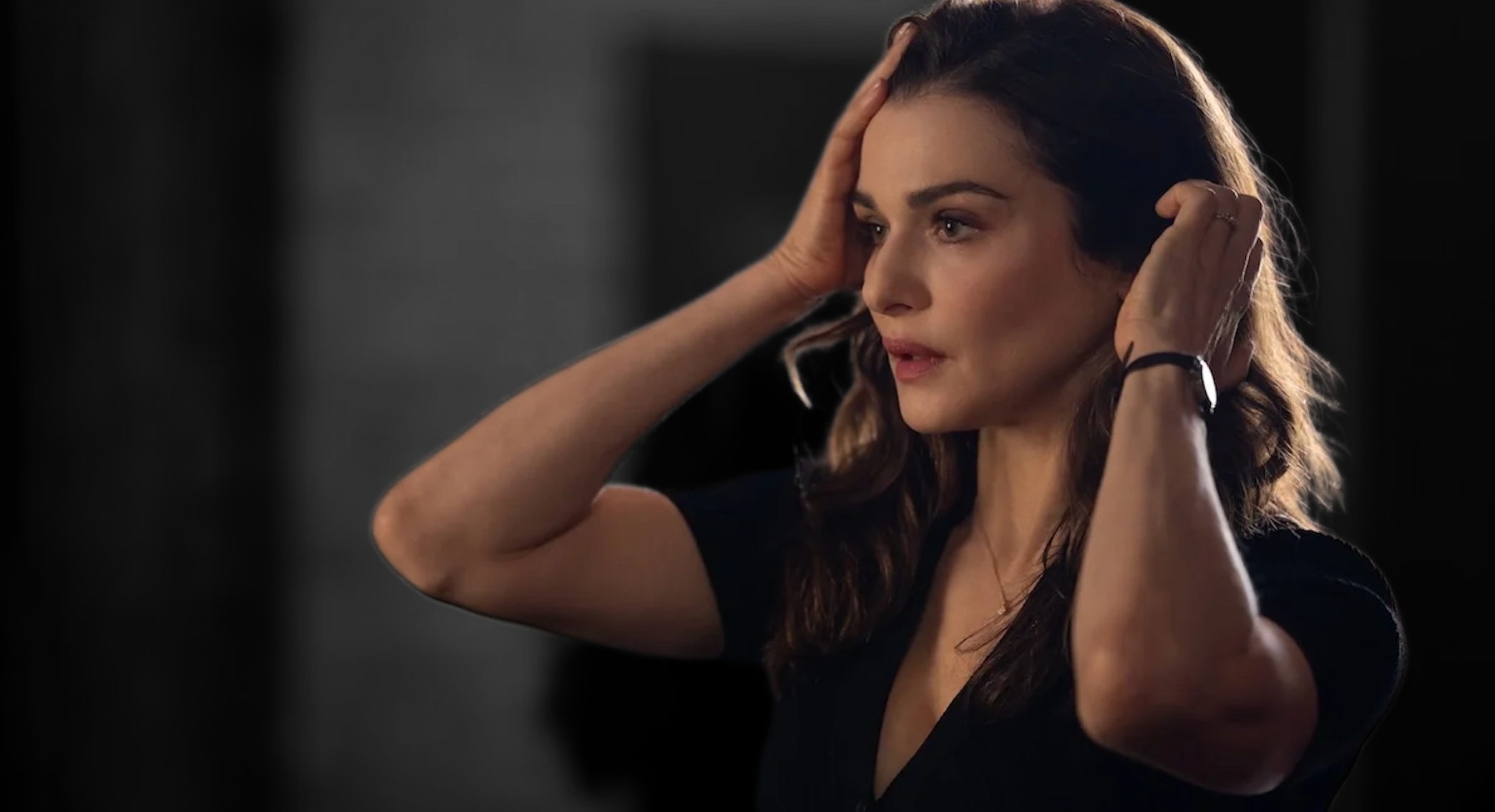
Two recent TV series for which I had high hopes failed to capture the vibe of the source material due to too much hotness. The way the main character looks changes the way the entire show lands. I’m thinking of Scarpetta, the Amazon show based on the series about the medical examiner by Patricia Cornwell and starring Nicole Kidman as Kay Scarpetta; and Vladimir, the Netflix limited series based on the novel by Julia May Jonas, and starring Rachel Weisz as the aging narrator, M.
I read most of the Scarpetta series when I was a teenager, back when using forensic science in murder mysteries felt new and exciting. After watching trailers for the show I had to go back to the books and remind myself that Patricia Cornwell had always intended for her heroine to be blonde and beautiful and well-dressed, But still, in my head I always pictured Kay as a little scrappy, not a character to be played by a woman who personifies Hollywood glamor. Nicole Kidman thrives in adaptations of Liane Moriarty novels about good-looking rich people who’ve had a little work done, but here she feels strikingly out of place, especially next to Jamie Lee Curtis who plays Kay’s sister, Dorothy, as if every scene was the volatile Thanksgiving episode of The Bear.
Meanwhile, Vladimir is a slyly subversive 2022 novel about academia in which a once beautiful English professor, referred to only as M, has begun to feel the effects of aging in her late fifties, while her husband is just reaching his prime. “Older women with lust are always the butt of the joke in a comedy, horny sagging birds with dripping skin,” M tells us when she begins to feel deeply drawn to Vladimir, the handsome and young new hire in the English department. In the book this attraction is made to feel entirely mismatched.
In the TV show, Rachel Weisz is as resplendent as ever. She’s distractingly beautiful even as she’s supposed to be playing a character who has “lost the ability to captivate.” I should commend the casting of Weisz as age appropriate, even if her physical appearance makes the basic premise of the show feel absurd.
Hot-washing may be fun to look at if you’re into that sort of thing, but as entertainment of all kinds continues to be homogenized for mass consumption, it’s a bleak way to reinforce sameness. Fiction is best when it’s complicated and thorny. Removing the thorns may help our favorite novels appeal to a wider audience, but such refinements make art feel as lifeless as Catherine Linton’s corpse at the end of Emerald Fennell’s film.

Maris Kreizman
Maris Kreizman hosted the literary podcast, The Maris Review, for four years. Her essays and criticism have appeared in the New York Times, New York Magazine, The Atlantic, Vanity Fair, Esquire, The New Republic, and more. Her essay collection, I Want to Burn This Place Down, is forthcoming from Ecco/HarperCollins.