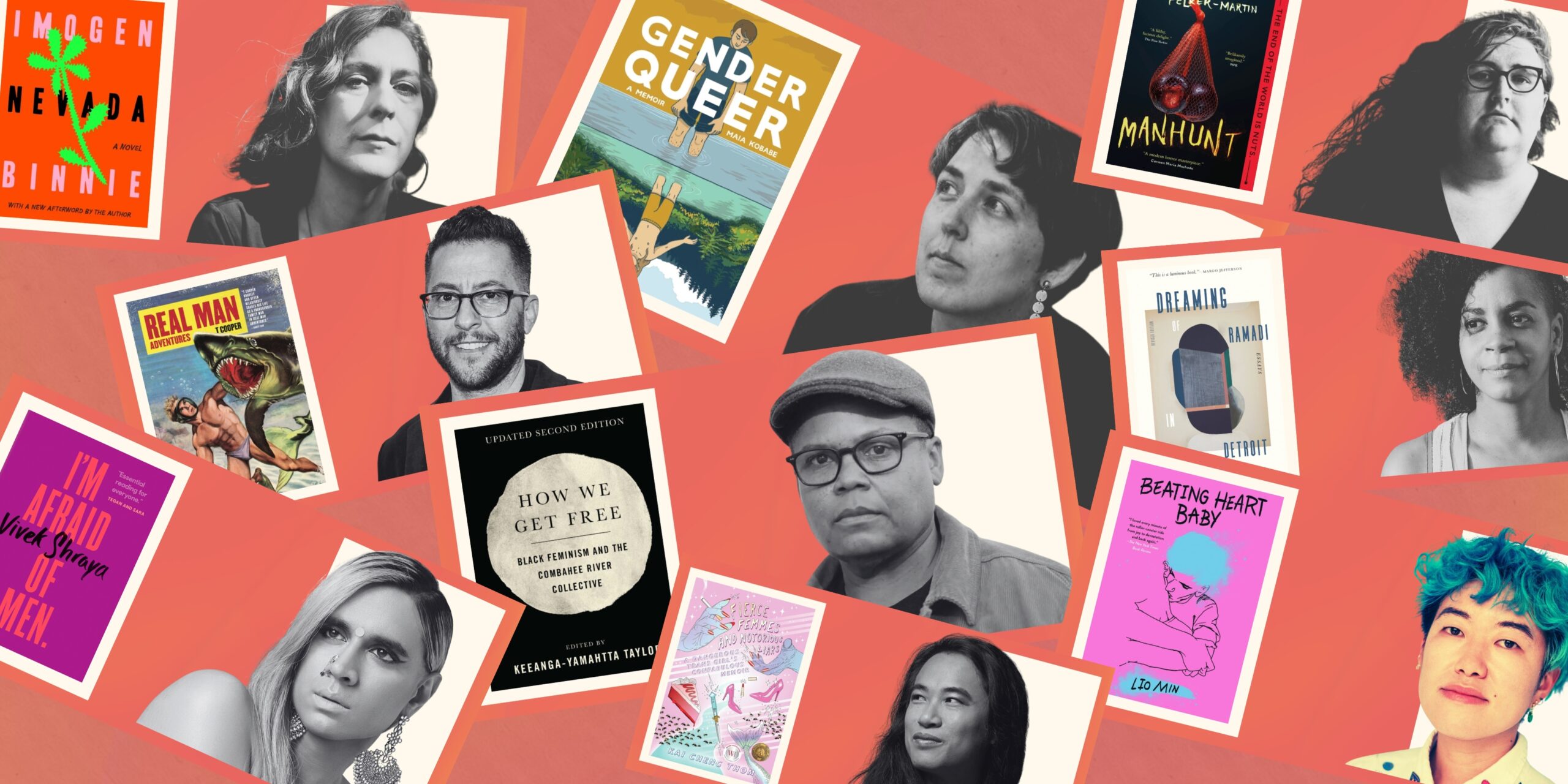
What Was Lost: A Queer Accounting of the NY Times Book Review, 2013-2022
Thirteen Essential Books by Trans and Queer Writers,
Reviewed by Trans and Queer Writers
“Goodbye, Pamela Paul,” was the headline of Andrea Long Chu’s now-iconic, recently ASME-nominated New York Magazine farewell to the former NY Times Book Review editor, when Paul left the paper two years ago. For a little background, Paul was named editor of the NYTBR in 2013 and took over books coverage for the entire paper in 2016, effectively becoming the most powerful editor in literary criticism. In 2022 she moved to the paper’s opinion pages to publish her own ideas about the world, many of which became political lightning rods in a publishing community that had for years been beholden to her editorial decisions.
Particularly infamous was one explicitly anti-trans essay from July, 2022, which was widely criticized at the time. It also had many people wondering how Paul’s politics might have come into play in her decisions as the most important books editor in the world.
So at some point I began dreaming up an idea: to commission a whole package of reviews of books by trans and queer authors, folks whose projects weren’t covered by the NYT under Paul’s reign. I asked Maris Kreizman to collaborate and to my delight, she agreed. What followed became an exercise in thinking through what is lost—and perhaps can never be regained—when transphobes and their enablers rise to prominence as our most powerful cultural gatekeepers.
*
So, to the nuts and bolts of this project. First of all, the volume of seemingly great books published by queer and trans authors between 2013 and 2022, and not covered by the NYT, was intimidating. It took Maris and me a while to work through the many great pitches we received and arrive at our final lucky number of 13. (Funnily enough, in actually trying to commission these reviews, I felt surprising sympathy for book review editors like Paul who are no doubt constantly buried in new titles to consider.)
Our effort here offers reviews of a mere sliver of all those titles we might have covered, many of which would be worthy of inclusion if we had limitless time and resources. I’m immensely grateful to all who submitted ideas, especially to all the fellow authors who wrote to tell us about their books (some were even writers I’d call heroes). My to-be-read pile is now, as ever, impossibly tall.
On a personal note, this entire project has made me feel much less alone. I feel more connected to other trans and/or queer writers, who are doing this work despite the shitty odds we face, despite our society’s continued denial of our full humanity, despite the efforts to ban our words and to decimate our entire lives, despite the media and publishing industry’s failure to actually reckon with—let alone correct for—any of this.
What follows is hardly meant to be comprehensive. I hope it inspires others to write their own reviews of whatever books they’d wish might be covered. I’d love teachers to assign this as a group project to writing classes, as I’ve heard of at least one doing already. I hope this project won’t be perceived as anything except the start of a conversation—one I feel everyone with stakes in this must join us in having.
–Sandy Ernest Allen
__________________________________________________
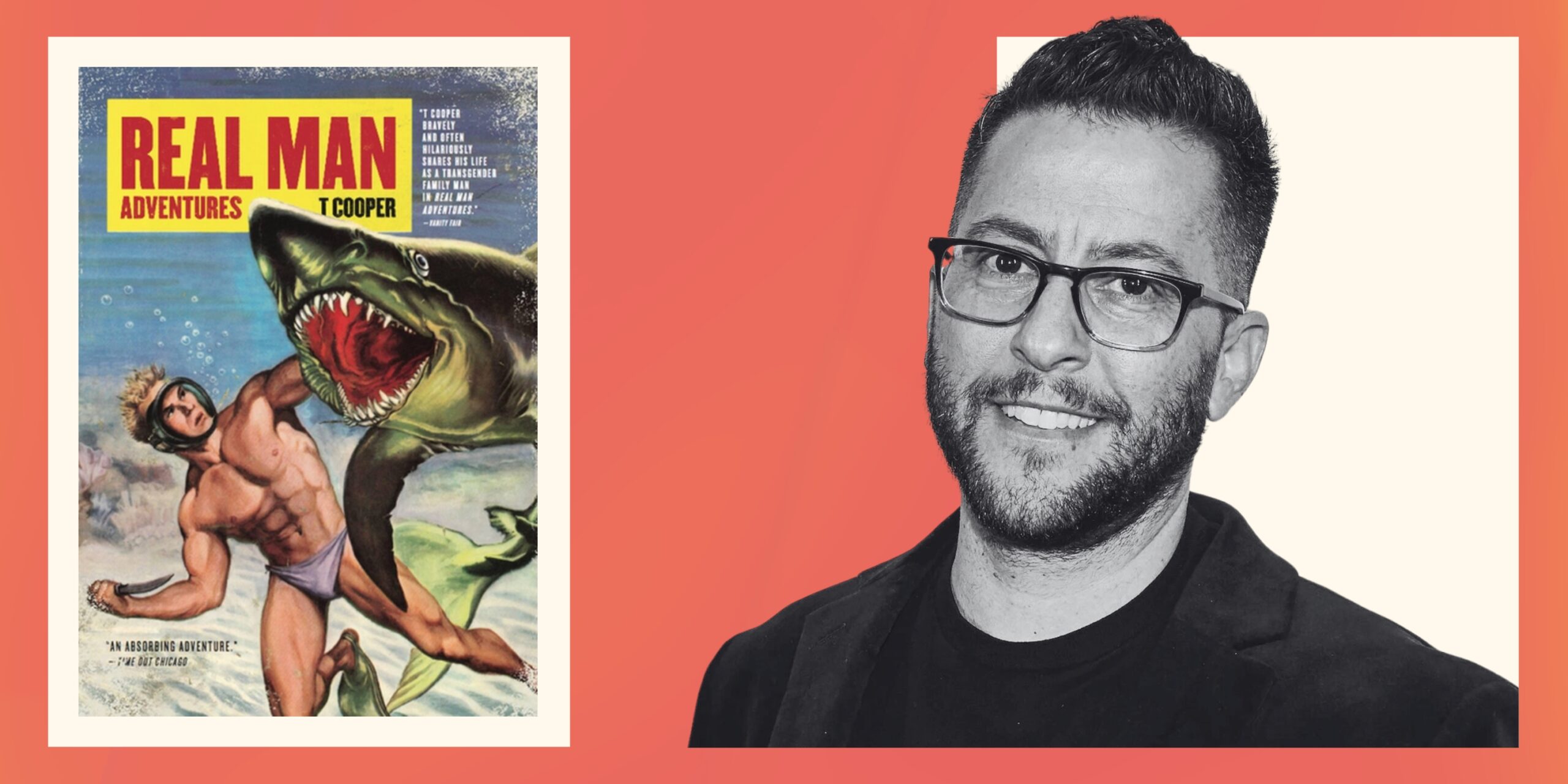
On T Cooper’s Early Meditations on Being a Trans Man,
Real Man Adventures (2013)
Reviewed by Calvin Kasulke
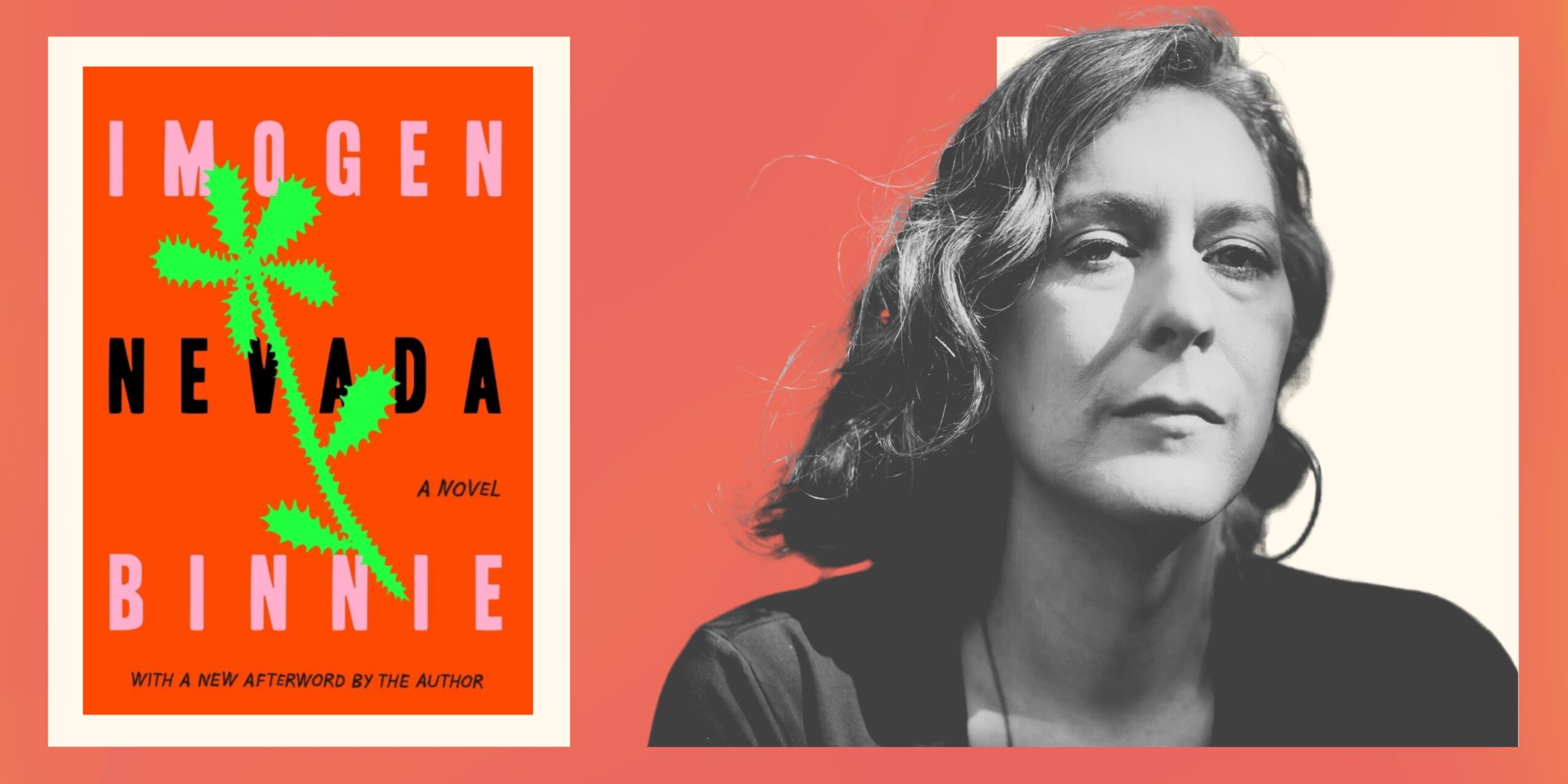
“By a Trans Woman, About Trans Women, For Trans Readers.”
On Imogen Binnie’s Nevada (2013)
Reviewed by Denne Michele Norris
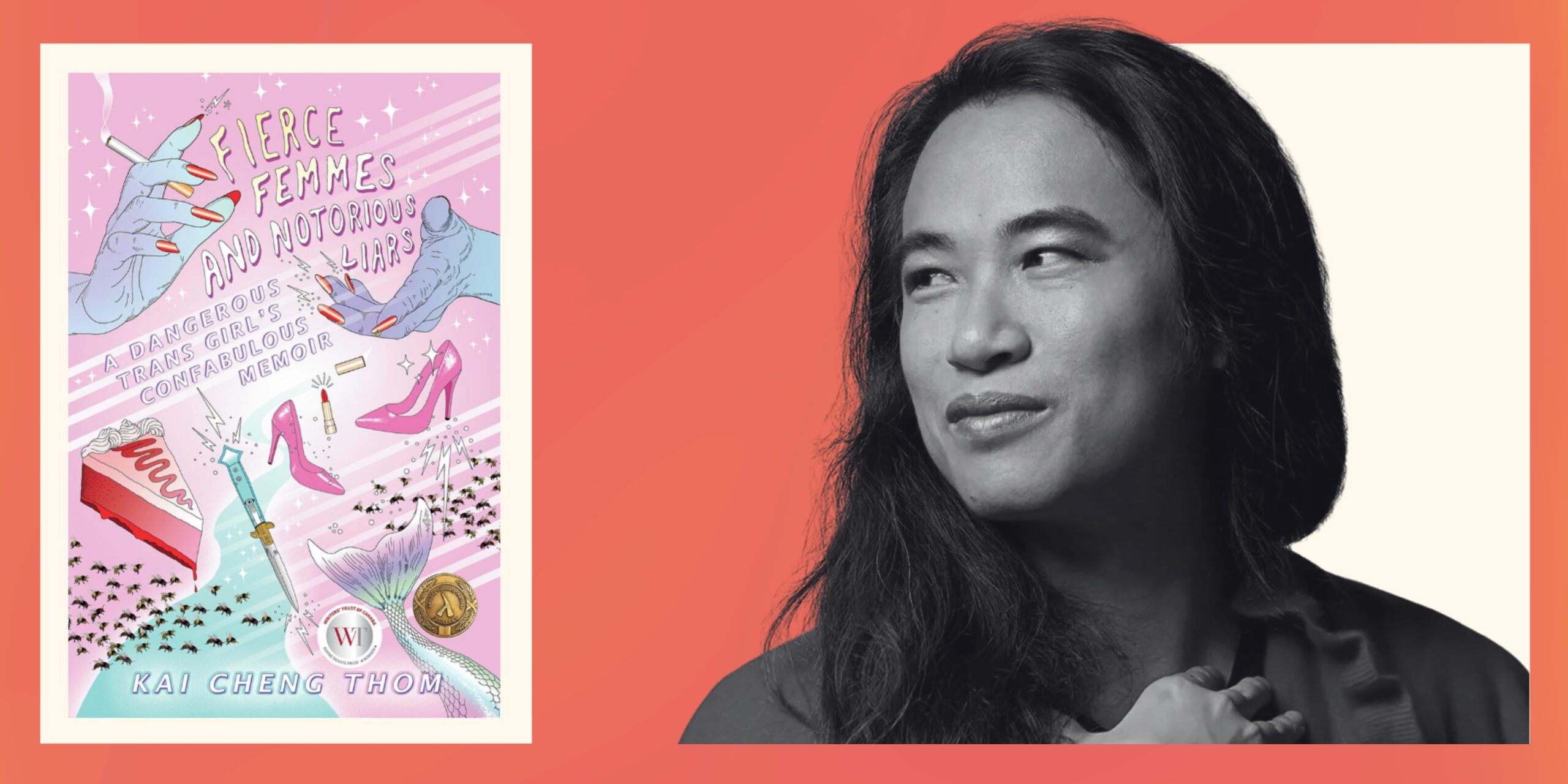
On Kai Cheng Thom’s Genre-Bending “Confabulous Memoir” Fierce Femmes and Notorious Liars (2016)
Reviewed by Emory Oakley
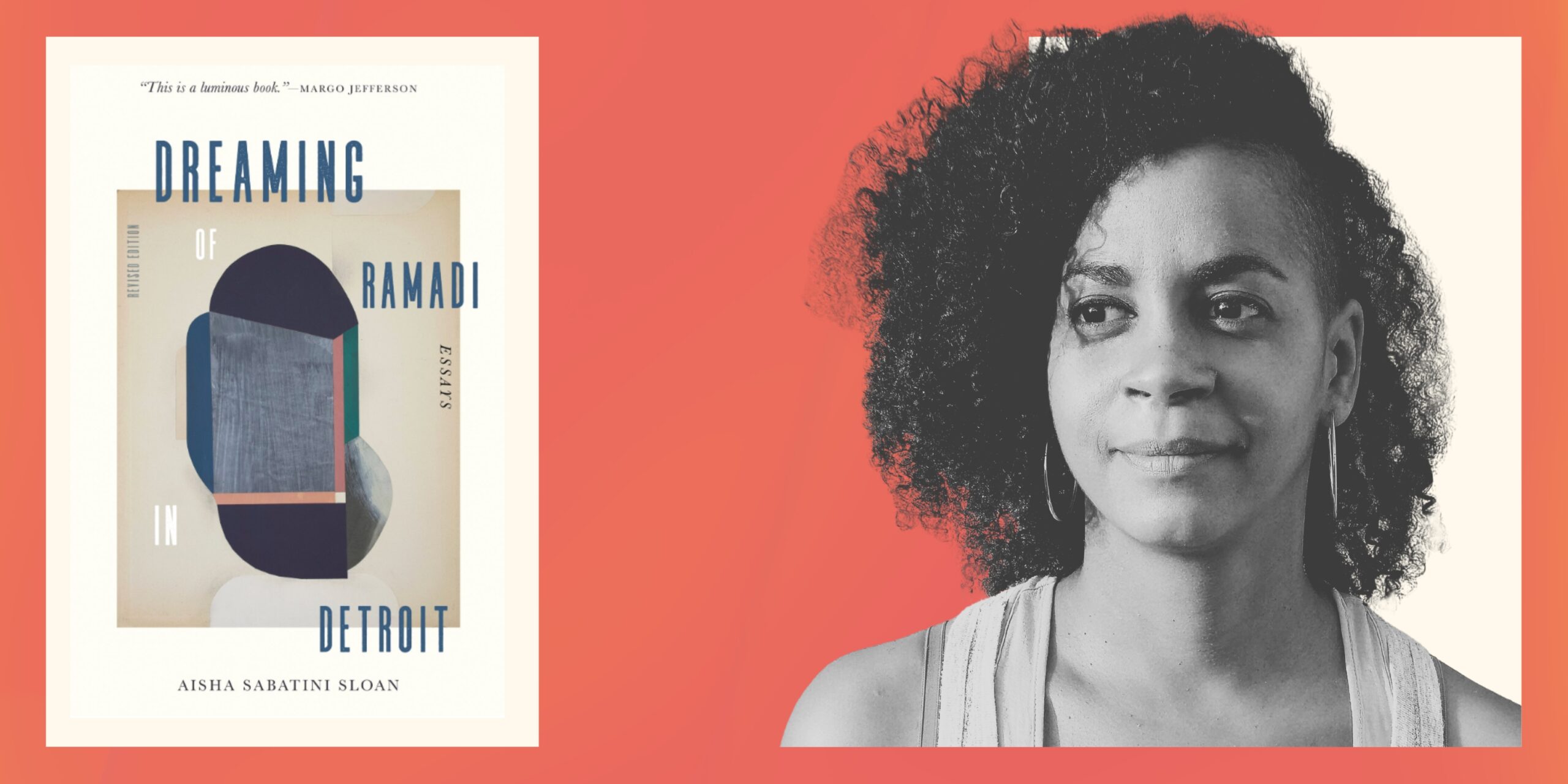
On Decentering and Unlearning in Aisha Sabatini Sloan’s Dreaming of Ramadi in Detroit (2017)
Reviewed by Meredith Talusan
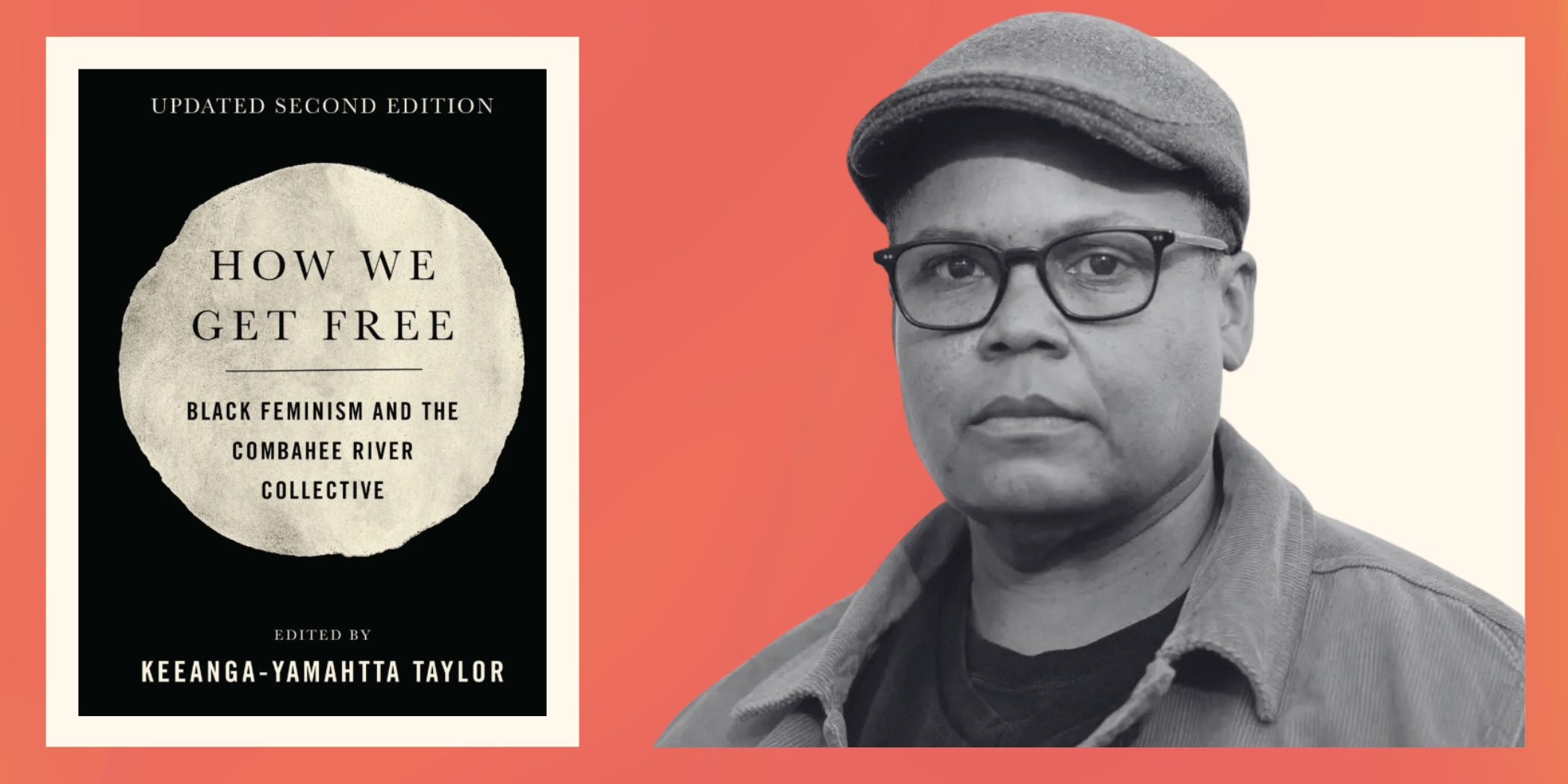
On the Origins of Genuine Intersectionality in Keeanga-Yamahtta Taylor’s How We Get Free (2017)
Reviewed by Alexis Clements
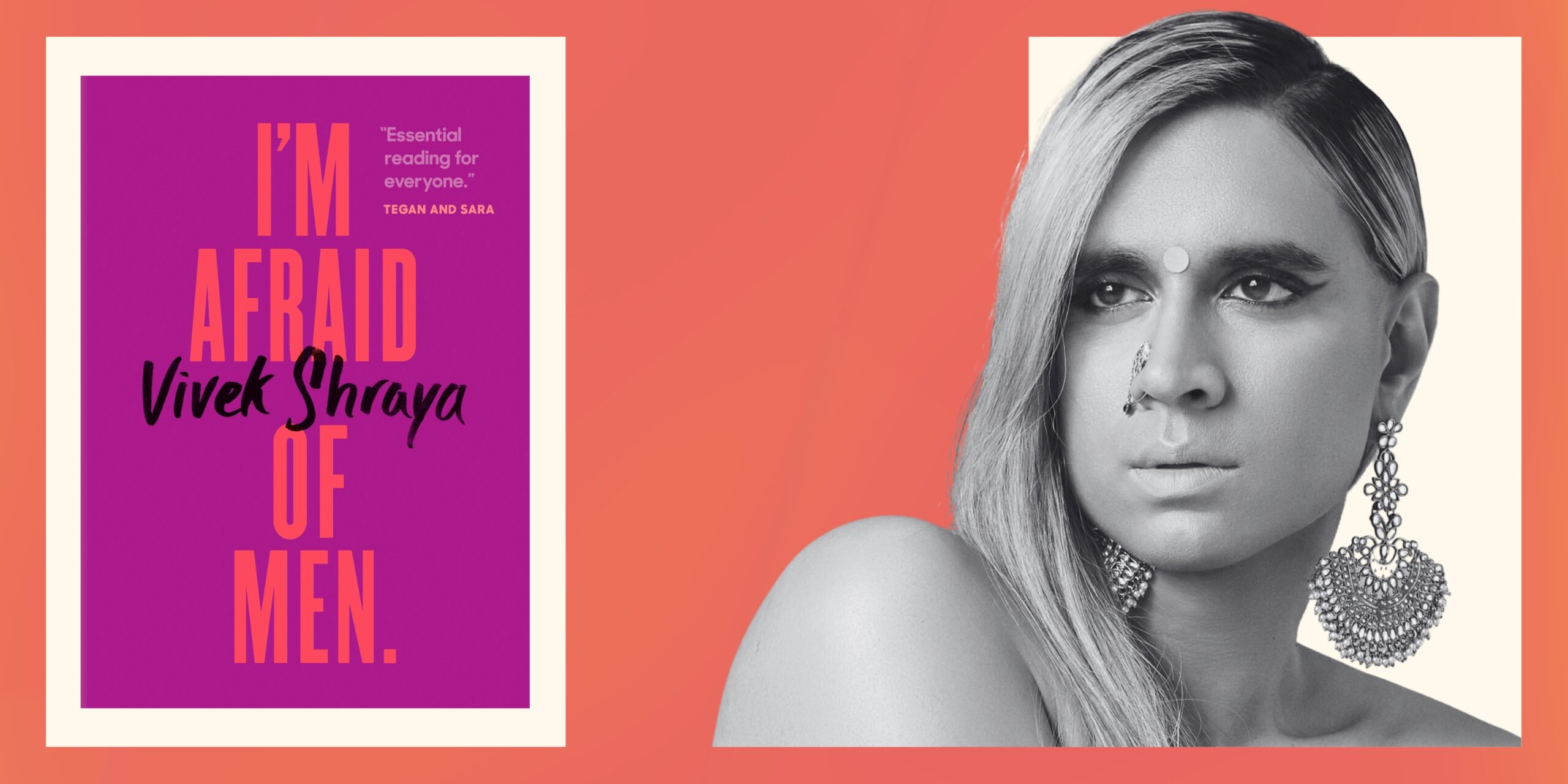
On the Struggle to Be a Good Man in Vivek Shraya’s I’m Afraid of Men (2018)
Reviewed by Costa Beavin Pappas
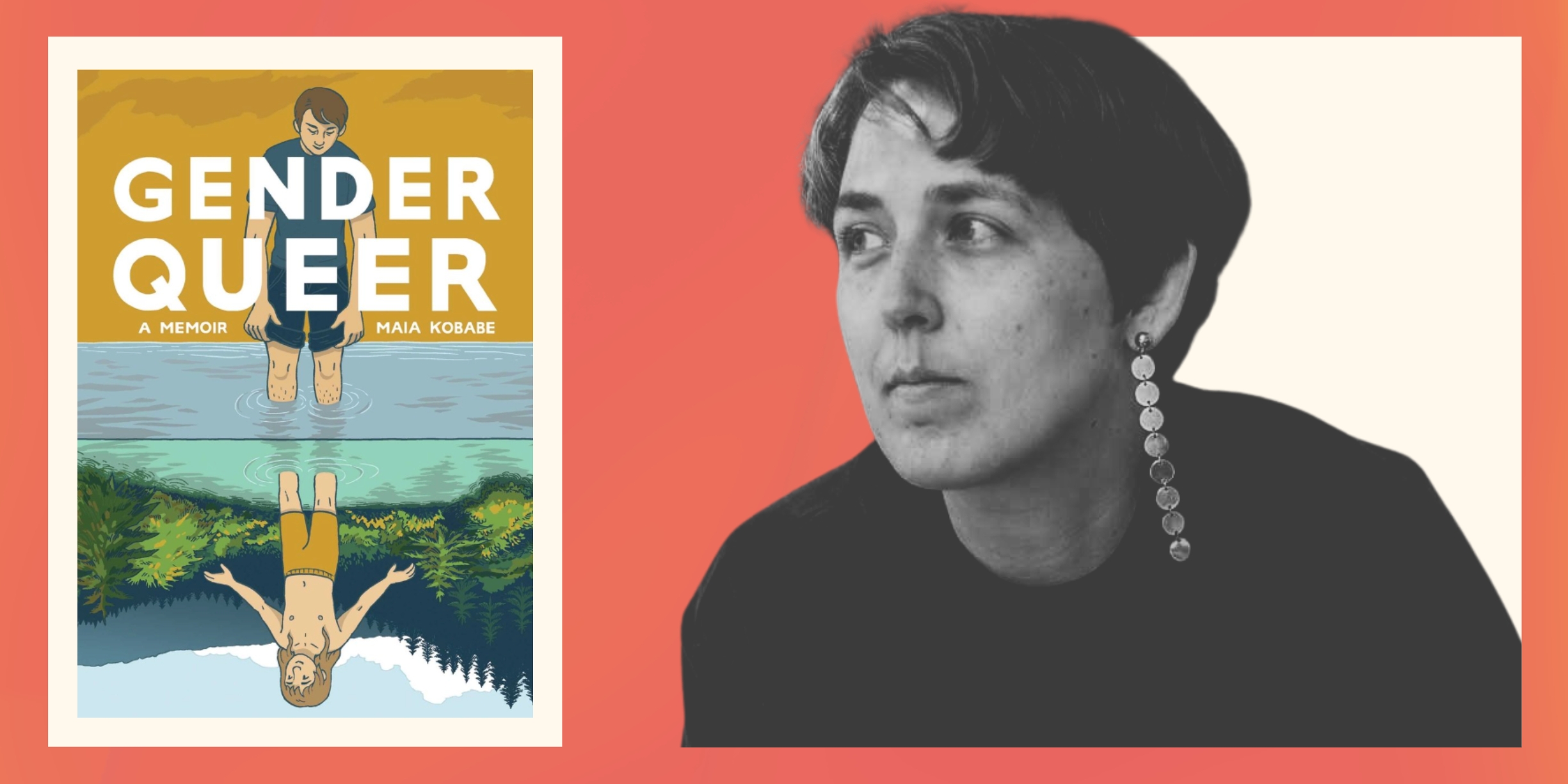
On the Power of Maia Kobabe’s Gender Queer, One of the Most Banned Books of Its Era (2019)
Reviewed by Nico Mara-McKay
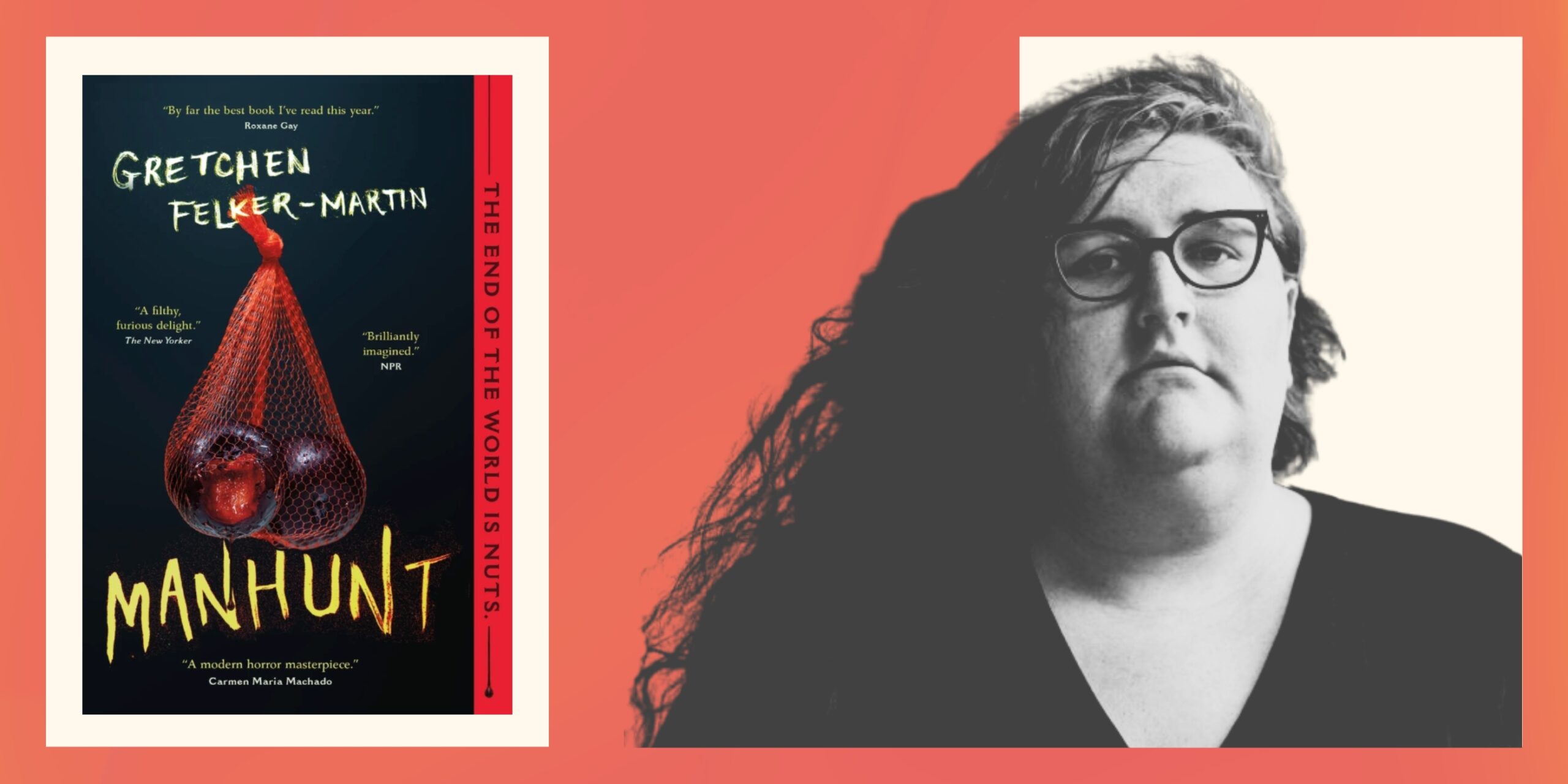
On the Pure Pleasure of Plot in Gretchen Felker-Martin’s Manhunt (2020)
Reviewed by Harron Walker

On Recognition, Truth, and Otherness in Shola Von Reinhold’s LOTE (2020)
Reviewed by Bianca Licitra
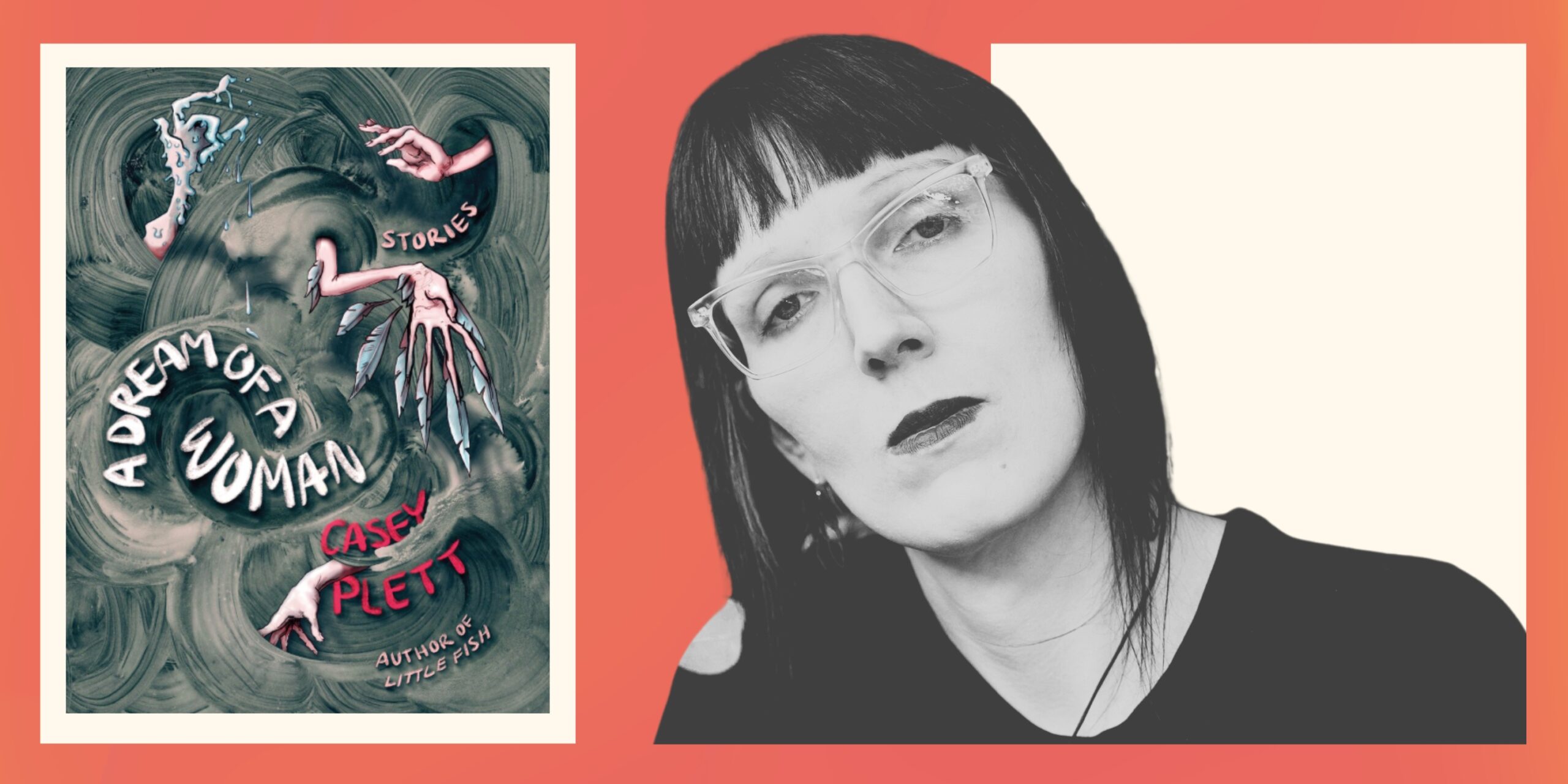
On the Daily Humanity of Trans Life in Casey Plett’s Dream of a Woman (2021)
Reviewed by Calvin Gimpelevich
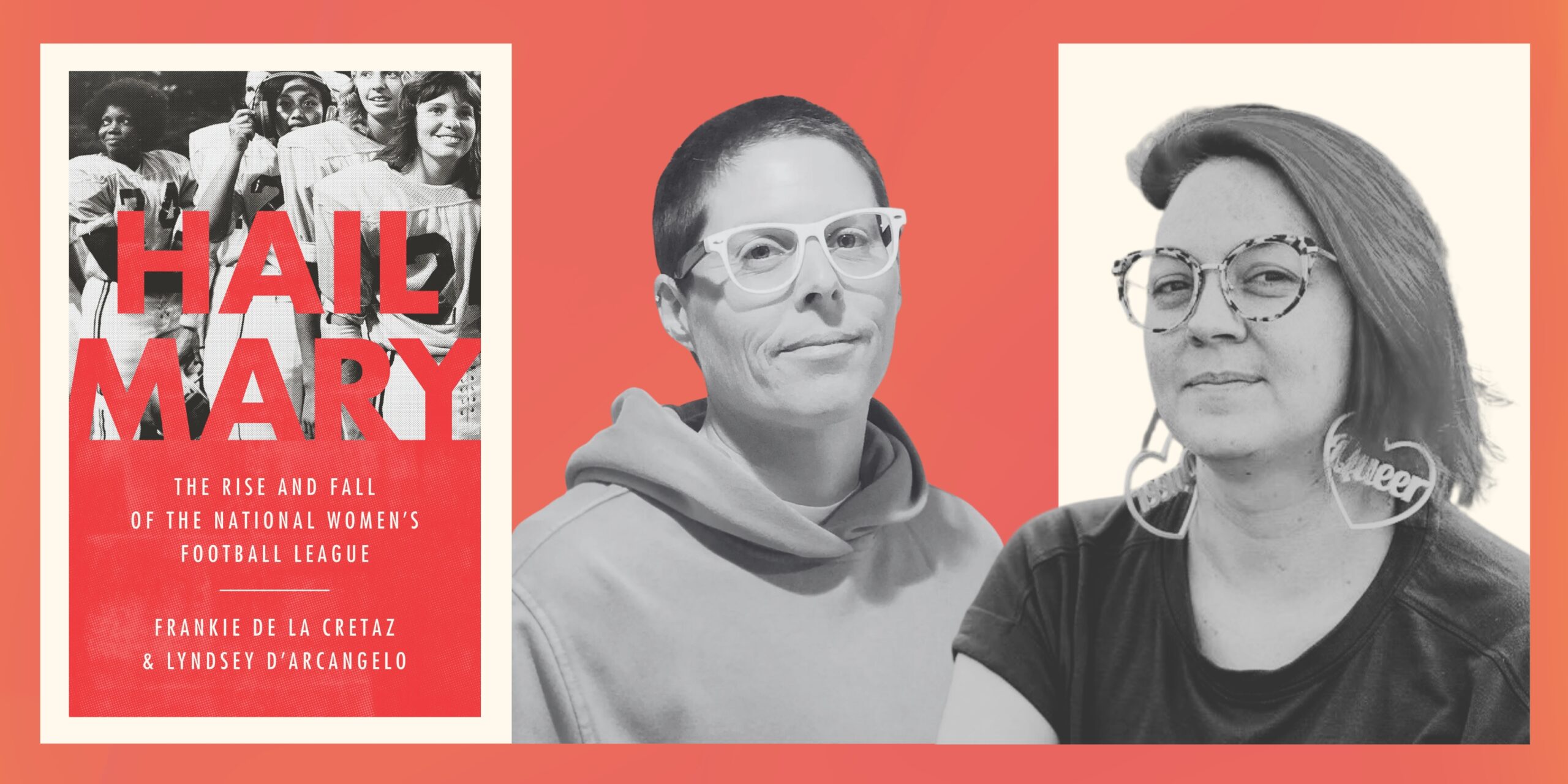
On Hail Mary an Important History of American Women Playing Tackle Football (2021)
Reviewed by Julie Kliegman
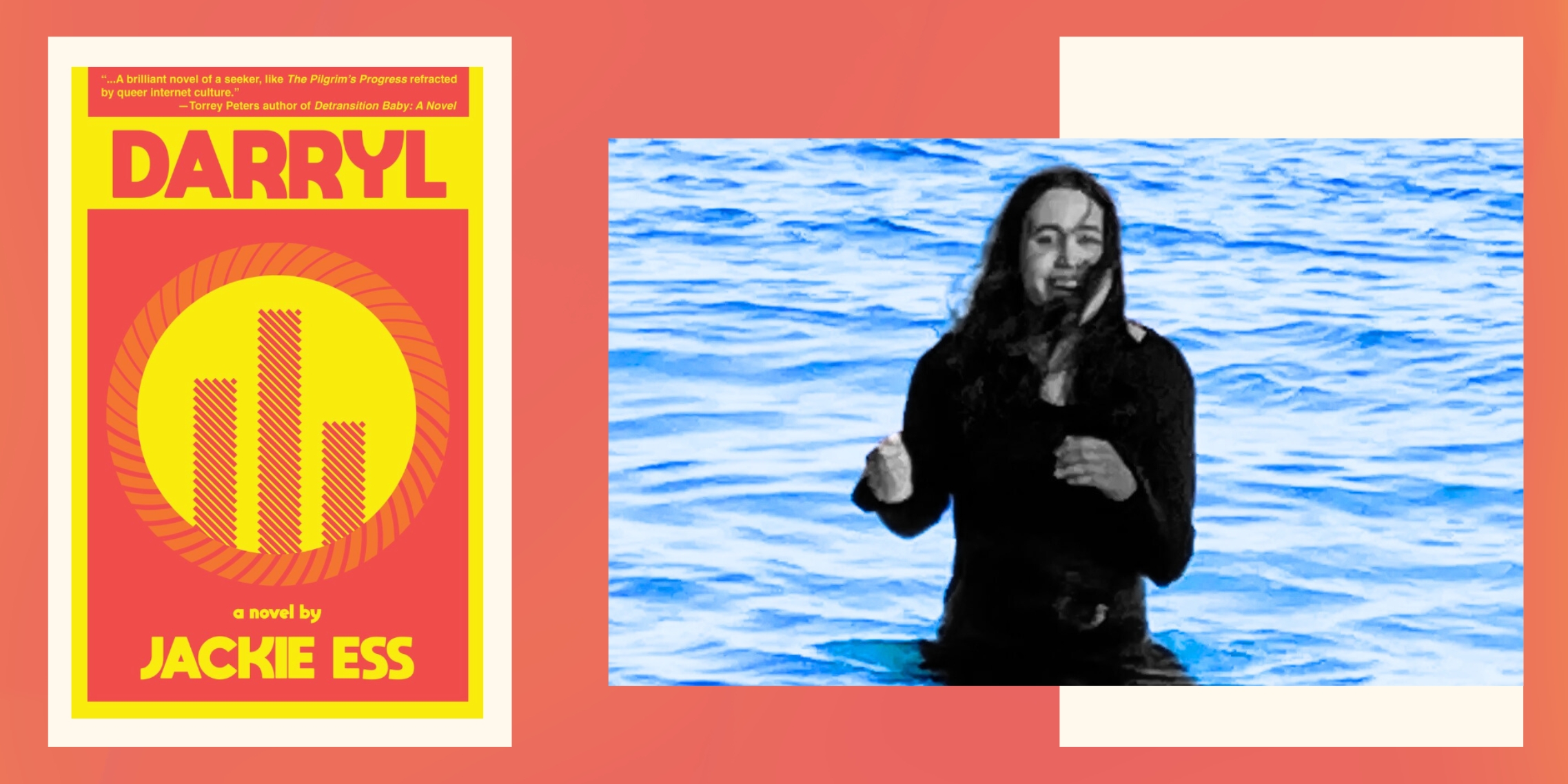
On Self-Loathing and Kink in Jackie Ess’s Darryl (2021)
Reviewed by Sage Agee
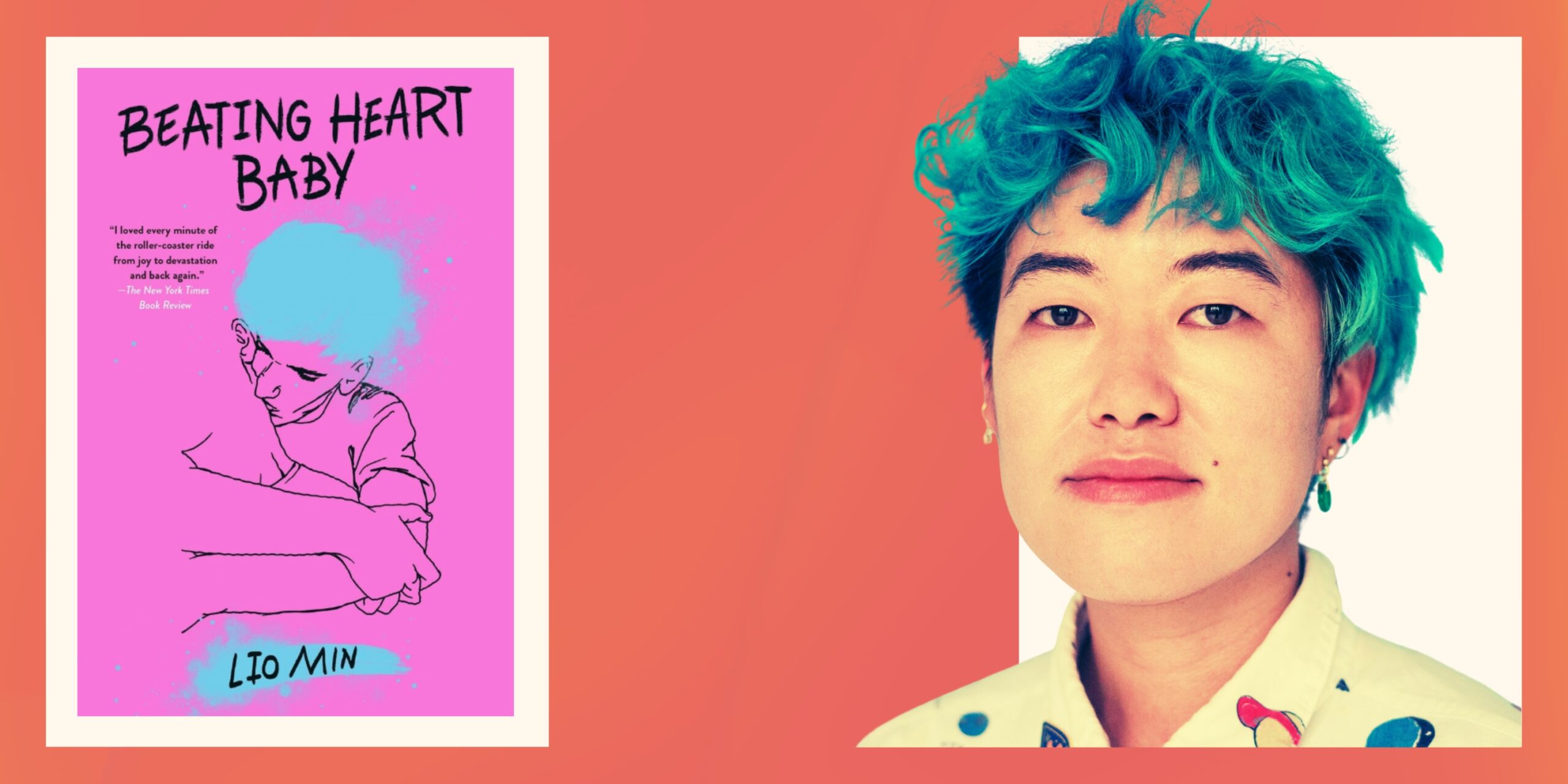
On Lio Min’s Beating Heart Baby as “Portable Fortress of Dreams”
Reviewed by Alexander Chee

Sandy Ernest Allen
Sandy Ernest Allen is an author, essayist, journalist and speaker whose work focuses on gender and mental health. He’s contributed to many outlets, including The Boston Globe, Eater, Cosmopolitan, The Believer, Esquire, The Cut, Them, 99% Invisible and This American Life. He is the author of the critically acclaimed work of literary nonfiction A Kind of Mirraculas Paradise: A True Story about Schizophrenia (Scribner). His newsletter is called What’s Helping Today. You can follow him on Bluesky.