What Do You Do When the Biggest Platforms For Readers Are Kind of Evil?
Maris Kreizman on the Ethical Pitfalls of the Digital World
Last week a number of popular authors published an open letter to the leadership team of RELX. RELX is the parent company of Reedpop, which is the organizer of many conventions including BookCon, which will take place this April at the Javits Center in New York City. RELX also owns Lexis Nexis, a data company that has a $22.1 million contract with ICE.
ReedPop posted a response asserting its independence and saying that no customer data will go to the US Department of Homeland Security and US Immigration and Customs Enforcement. The authors are still waiting to hear from RELX. It’s a longshot.
But as speculative fiction writer Alix E. Harrow put it on Bluesky: “like, realistically, will RELX choose its $22 million contract with DHS over one convention for freaks who read a lot??? yeah, probably. but i would like them to have to choose. you don’t get nazi dollars AND nerd dollars.” Amen to that. It might not be realistic for authors to divest of any and all companies that don’t entirely repudiate fascism—BookCon will go on as planned, but it’s important to at least voice our discontent.
I don’t know any socially conscious book lover who isn’t faced with many similar ethical dilemmas everyday. There are no entirely pure platforms or publishers or retailers, but there’s no denying that in America under Trump’s second term the problem has gotten worse. Which leaves those of us who know we can’t consume ethically but still want to try, left to navigate what feels right, or, at least, less bad. Sometimes it feels like a damned if you do, damned if you don’t proposition.
Spotify has become a major player in the audiobook space second to Audible, which is owned by Amazon, which also aired ICE recruitment ads.
Spotify is another company whose customers fought back against its involvement with ICE. I left in 2024 when they offered Joe Rogan a $250 million podcast deal, but I would have left again when Spotify refused to stop airing ICE recruitment ads in 2025. In 2026 it was reported that the ads are no longer running on Spotify, not due to public outrage but because the campaign had already ended. Spotify has become a major player in the audiobook space second to Audible, which is owned by Amazon, which also aired ICE recruitment ads. (Libro.fm has never run ICE recruitment ads, FYI.)
Relatedly: I’m not entirely thrilled with Bookshop’s new affiliate partnership with Spotify but I understand why they had to do it. How does a bookseller gain enough power to take on Barnes & Noble and Amazon while remaining morally unblemished? (Your local indie bookstore is still not partnering with Spotify, as far as I know.)
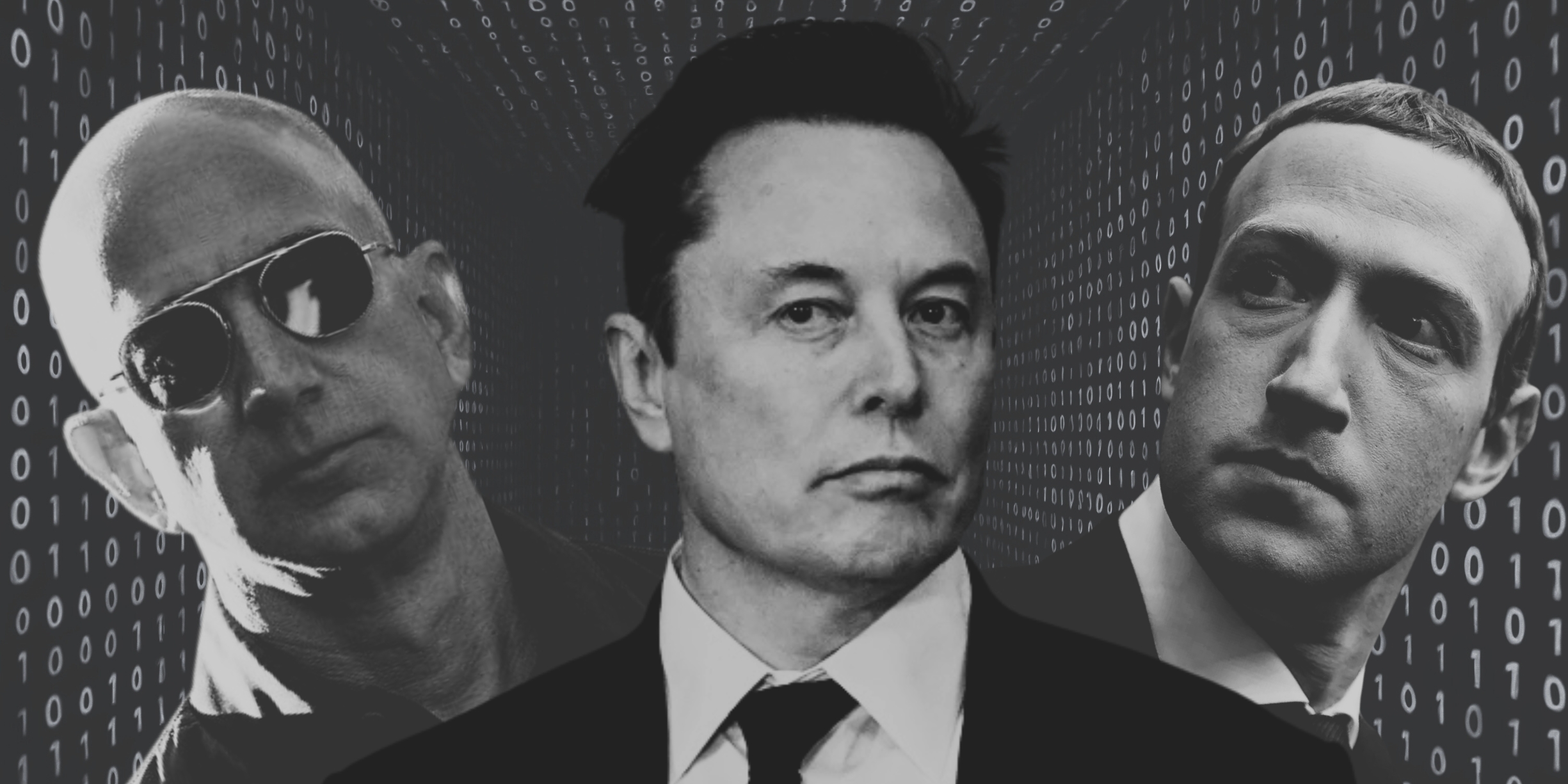
Same with social media platforms. I left Twitter in the early days of Elon Musk’s takeover, but I’m still on Instagram and Threads, both of which enrich Mark Zuckerberg who is only marginally less noxious than Elon. Ideally I’d ditch all my social media and only post on Bluesky, but I’m a writer and author who relies on the bigger platforms to reach wider audiences. And it’s not like Bluesky is a paragon of virtue anyway. I make this less than ideal tradeoff because last year I at least took my newsletter off Substack, which has been profiting from putting out Nazi newsletters. My subscriber numbers are down, but I feel better about the values of my new platform, Ghost.
I let my Washington Post subscription lapse when Jeff Bezos refused to allow his editors to endorse the Democratic candidate in the 2024 election. Still, it was devastating to watch him begin to dismantle the paper, and it’s become clear that no amount of pressure from readers would have changed his mind.
My subscription to the Atlantic is coming up soon. I don’t love everything they publish, but I do very much appreciate the work of the culture section and the book coverage specifically, and to me, they’re important enough to pay for. Which still doesn’t entirely assuage my guilt when the Atlantic runs yet another transphobic screed. I also enjoy subscribing to a variety of independent news outlets—Defector, ProPublica, Hell Gate—but that doesn’t mean I’m ready to see legacy publications go away. (While we’re at it, maybe consider becoming a Lit Hub member?)
In this climate of tradeoffs and compromises, it’s nice to remember that boycotts and public pressure can work. Over the past two years many authors had stopped working with PEN America, a free speech organization whose former CEO Suzanne Nossel did not seem particularly keen on speech that condemned the ongoing genocide in Gaza. Nossel departed from PEN in 2024. In her place two women—Summer Lopez and Clarisse Rosaz Shariyf—were appointed as interim CEOs. PEN recently announced that the appointment would become permanent, giving the organization the stability and vision it needs to move forward. I’m excited to see what PEN can do as an organization now that its leadership and its members and supporters are more ideologically aligned.

Maris Kreizman
Maris Kreizman hosted the literary podcast, The Maris Review, for four years. Her essays and criticism have appeared in the New York Times, New York Magazine, The Atlantic, Vanity Fair, Esquire, The New Republic, and more. Her essay collection, I Want to Burn This Place Down, is forthcoming from Ecco/HarperCollins.