Today is Tom Stoppard Day
in the UK
Celebrating the Life and Writing of a Literary Giant
Today in London a who’s who of the literary world will be observing what may be the inaugural memorial day for the late playwright Tom Stoppard. Celebrations center around the renaming of the Duke of York’s theatre in Stoppard’s honor just as a buzzy revival of his masterpiece Arcadia returns to the West End. We mourned the award-winning playwright last November, when he died at 88, and just to affirm his new canonization, we’re revisiting tributes.
In The Observer, Stoppard’s biographer Hermione Lee reflected on the playwright’s bottomless energy. While she was writing her intimate survey (Tom Stoppard: A Life), Stoppard and his wife Sabrina hosted the writer at their Dorset home “for long interviews over several years.”
Lee remembers him as a uniquely enthusiastic subject. (Which makes sense from this fan’s perspective, given how much people in his plays love to talk.) “I would be ready with my notebook at 9am,” she wrote.
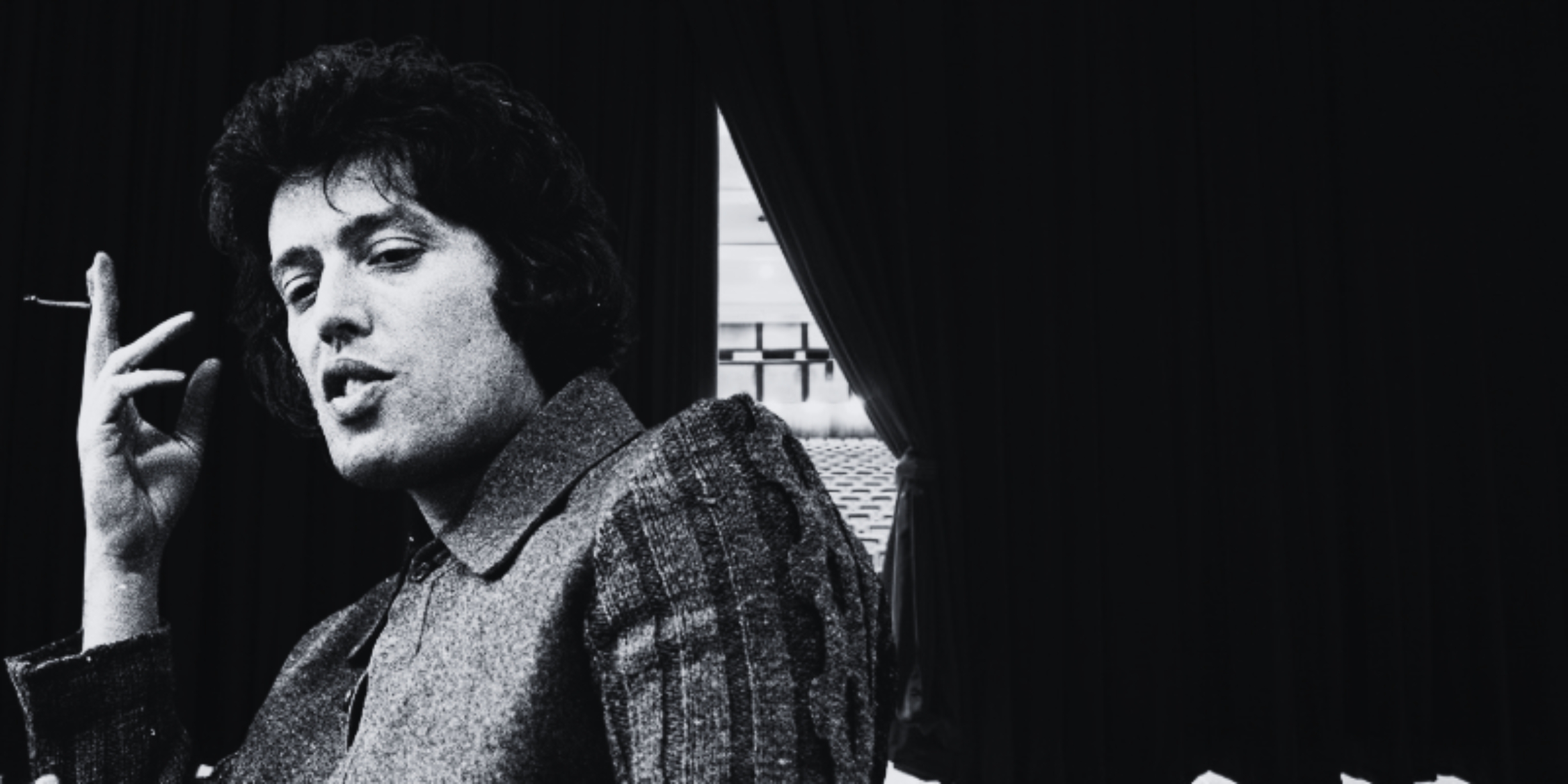
He would emerge at about eleven, having as usual read long into the night. The conversations became increasingly energetic as the day wore on, as he smoked and ate sweets and told stories, and by eleven at night he would have become really interested, while I was fading away.
The playwright and director Patrick Marber recently praised Stoppard in The Guardian while noting his multitudes.” He was the rarest of men,” wrote his long time collaborator. “Very few can carry off polite English gent and Jewish mensch simultaneously.”
Marber’s tribute also acknowledged a tension in the man: downstage, Stoppard was genteel politician, but behind the scrim he was a devotional craftsman. Sometimes inclined to steamroll.
Describing two landmark collaborations—a revival of Stoppard’s play Travesties, and early rehearsals for his last play, Leopoldstadt—Marber is as unsparing as he is admiring. There’s allusion made to rehearsal room tension. Moments when Sir Tom told the cast, “I hate this.” But the show, it went on.
“And this is the thing,” Marber said, “it does Tom a disservice if his generosity of spirit, his kindness, his charm are the only story.”
And Terry Gilliam, the mad king known for his surrealist film odysseys, described the pleasure of writing with Stoppard.
When revising a pass of Gilliam’s Brazil, Sir Tom apparently “took everything to a greater height, he had a better approach to the paranoia and madness of bureaucracy.” That’s pretty high praise from a founding member of Monty Python.
After that collaboration ended, Gilliam and Stoppard kept in touch. “We did keep bumping into each other, having coffee, talking,” Gilliam said.
There’s this wonderful thing about two immigrants talking. One is a monosyllabic Minnesota farm boy and the other is this Czechoslovakian kid whose early childhood was in Singapore and India. And, as so often, a foreigner’s grasp of the English language is far greater than the average Englishman’s.
That was Tom. For him, English was discovering this wonderful world that could be played with—and he played better with the language than anybody else, as far as I was concerned.
Maybe this is case enough for canonization, the fact that it’s hard to find a truly unkind word about the man in print from anyone who knew him. Most peers saw Stoppard as a writer of profound integrity, drive, and curiosity.
But Carey Perloff, another long time collaborator, summarized how his personality effected the work in an elegant remembrance for American Theatre magazine.
“With each new play, he conjured a world we’d never been to,” Perloff wrote. “Colliding people together who would never actually have met, detonating ideas that bounced off each other with the delightful music of his vast imagination.”
To rest our case: Tom Stoppard raised the bar for English theatre—and stayed a true mensch while he did it. So happy Sir Tom day, from the east coast to the West End. Let this not be the last one.

Brittany Allen
Brittany K. Allen is a writer and actor living in Brooklyn.