Six Debut Collections by Stargazing Poets
Tramaine Suubi Recommends Ally Ang, Stefanie Niu, Diane Ackerman, and More
In the beginning, there was poetry. Many of the oldest, surviving, written poems are religious texts, and all of them contain figurative language tied to astronomy. How infinite our universe is, how incomprehensible our brief existence is. So, many of us do our best to explore as much as possible. Terms like “head in the clouds,” or “space cadet” can often be dismissive attempts to describe a poet’s attention to the great beyond. Novelists and essayists are haunted by this curiosity too, but the poets offer a unique bend.
My obsession with the celestial predates my ability to read or write. I have been in love with the moon for as long as I can remember—plenty of poets are. My favorite unit in all my science classes was astronomy, and my favorite unit in all my English classes was poetry. I subconsciously sought out more poetry and astronomy in my adulthood.
The first solid example I encountered was from a former US poet laureate. Tracy K. Smith published the Pulitzer Prize-winning collection Life on Mars, in 2011. The poems center on her father’s work with NASA and some sprinkling of existentialism. The collection moved me and pushed me to find others. In an oversaturated economy of attention and escalating global fascism, I am drawn to these debuts. They reorient me and remind me of how interconnected we are—how we all contain a universe within.
*
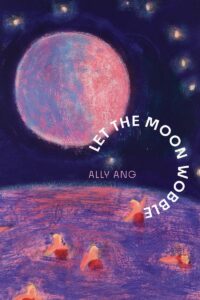
Ally Ang, Let the Moon Wobble
“Because I’m as lonely / as a swan is mean, so lonely,” begins this fluid collection. This book is the newest debut here, and it was long-awaited. Published in 2025, it is a jittery love letter to our moon and it queers so much more than desire. The grotesque functions beautifully here.
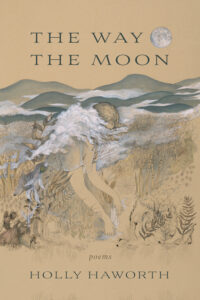
Holly Haworth, The Way, The Moon
“Love is not born once but must / give birth to itself again & again,” muses this ecological meditation on change. Published in 2024, this collection sprawls across mountains and memories galore. There is consistent play with language here.
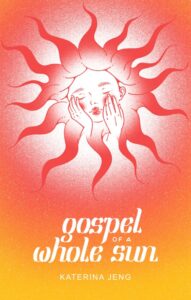
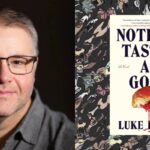
Katerina Jeng, The Gospel of a Whole Sun
“let the portal be open / let the channel be clear,” begins this bright collection. Published in 2024, this book sheds light on the complexities of break-ups, make-ups, and coming-outs. It reckons with big and small violences but ends on a triumphant note.
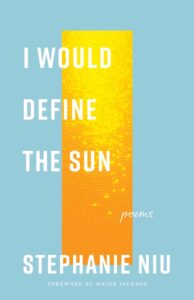
Stefanie Niu, I Would Define the Sun
“people were something to protect / from myself. I left. I kept leaving,” states this piercing reflection on climate crisis and apocalyptic dreaming. Published in 2025, this collection expands the interpretations of rupture. This book won the 2024 Vanderbilt University Literary Prize.
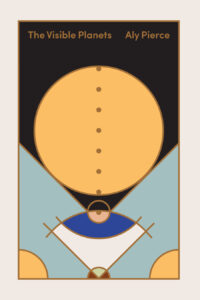
Aly Pierce, The Visible Planets
“It’s hard to make progress / with old science,” quips this elegiac and emotive collection. Published in 2024, the poems are laced with familial loss, as they explore the big personalities of our solar system. There is balancing of tension and tenderness here.
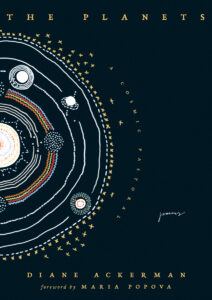
Diane Ackerman, The Planets: A Cosmic Pastoral
“But how could my clamorous heart / lie abed, knowing all of Creation / has been up for hours?” ends this critically acclaimed collection. First published in 1976 and now celebrating its 50th anniversary with a new edition, these poems are a painstakingly scientific journey through our corner of the galaxy.
__________________________________
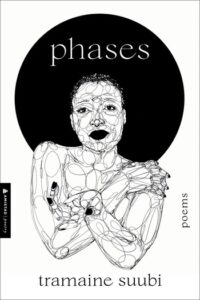
Phases by Tramaine Suubi is available from Amistad, an imprint of HarperCollins.

Tramaine Suubi
Tramaine Suubi is a multilingual writer, editor, and teacher from Kampala, and a graduate of the Iowa Writers’ Workshop. They have also published creative writing in over fifteen literary anthologies, magazines, journals, and reviews. They are the author of phases and stages, which are published by Amistad (an imprint of Harpercollins). Tramaine works towards the total liberation of all oppressed people by any means necessary. They can be found at www.tramainesuubi.com or on Instagram @tramainesuubi.