Our Favorite Lit Hub Stories From 2025
The Editors Pick the Best Writing at the Site This Year
From essays to interviews, excerpts to blog posts, reading lists to poems, we publish a lot of good stuff at Lit Hub, if we do say so ourselves. And while we are proud of all of the pieces we’ve shared in 2025, we all have our personal favorites. Below are a few of the Lit Hub features the staff loved best from this past year.
Maybe Don’t Talk to the New York Times About Zohran Mamdani
Peter Coviello
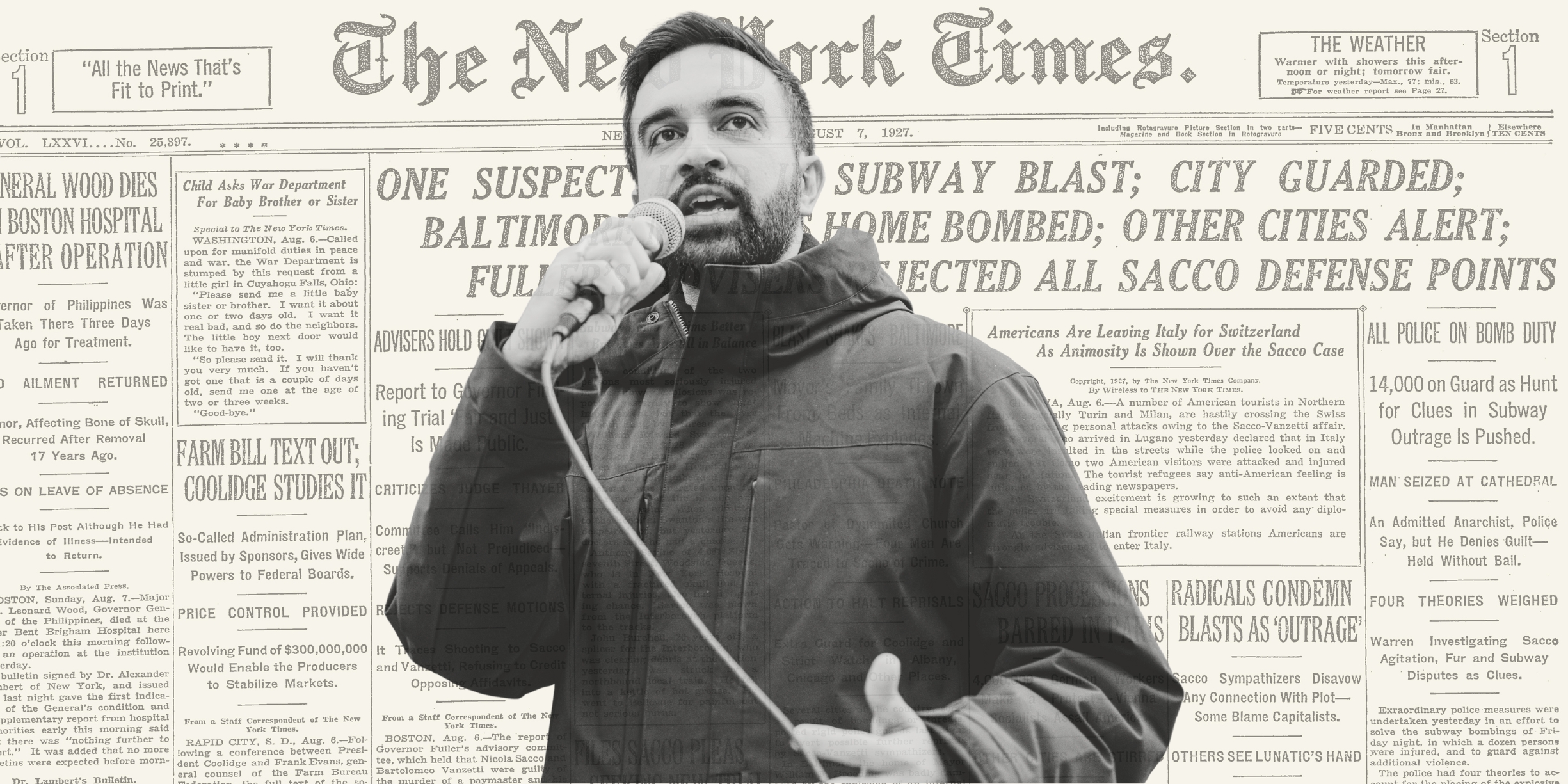
Sometimes, you read one of those essays that makes you sit up and go 👀. So it was with this piece from Peter Coviello, a passionate and inspired analysis of the obsessive both-sides-ism of legacy media outlets like The New York Times and how that kind of flawed reporting has ruined this country’s collective brains. Coviello gets in some good licks at the likes of David Brooks (always welcome, in my household) but more than that, he reminds us that we—the readers, the people—are the ones who endow an outlet like the NYT with power, not the other way around. Perhaps we should stop talking to the Times, or stop reading it. Maybe we can insist on reportage that actually reflects the world we live in, not the world of the elites that they are so desperate to hang onto. Or, if not, at least we can keep reading essays like this one. –Drew Broussard, Podcasts Editor

What Happened When I Tried to Replace Myself with ChatGPT in My English Classroom
Piers Gelly
It feels like the discourse around AI and ChatGPT has already changed a lot since this essay was published, only five months ago, but I still find it a cogent, humane, and most importantly, curious approach to the thing that’s about to destroy us. I admire Gelly’s bravery here, and moreso the thoughtful way in which he presents his questions, both to his students and to us. It even makes me oddly hopeful. –Emily Temple, Managing Editor

On Promising Young Women (and the Nameless Men Who Get in Their Way)
Meg Pillow
I was so struck by Meg Pillow’s canny, kaleidoscopic piece on the Promising Young Woman archetype. Her investigation considers the history of several doomed innocents, beginning with Lana Clarkson, a B-movie queen who was brutally murdered and subsequently conscripted to the annals of true crime. Pillow traces a variation on the “dead girl” trope, an enduring fixture in Hollywood and literature, to real world violence—and winds up running right into herself. Bold and rangy, this personal essay made me think about the origins of gendered pain. What draws powerful men to violate potential? –Brittany Allen, Staff Writer

Eric Puchner: How to Be Funny When Writing a Novel
Eric Puchner
I firmly believe that in order to be truly great, a novel needs to be funny. At least a little, though ideally a lot. Because how can I trust you as an observer of the world if you can’t zero in on its absurdity? Eric Puchner’s Dream State is an excellent example of a novel that is very funny without being a “humor” novel, and his craft essay is a must-read for anyone puzzling over how, exactly, to write about life in all its messy glory while actually being funny. (Also, it directed me to Tom Drury’s extremely funny The End of Vandalism, for which I’m eternally grateful.) –Jessie Gaynor, Senior Editor
Kazuo Ishiguro Reflects on Never Let Me Go, 20 Years Later
Kazuo Ishiguro
How lucky to get to read the backstory of one of your favorite books! Ishiguro shares how his book tour had him intersecting with a young British author, and on several nights they found themselves discussing, “Dickens and Dostoyevsky,” but also “Ursula K. Le Guin, Rosemary Sutcliff, the recent Matrix movie, H.P. Lovecraft, schlocky old ghost and horror stories, and fantasy literature…” (That writer was David Mitchell). So it seems like we can partially thank the Cloud Atlas author for opening “windows for me I’d not thought to open before. They not only educated me into a wider, vibrant culture, they brought to my own imagination new horizons.” It’s a lovely behind the scenes introduction to Ishiguro’s most successful book. –Emily Firetog, Deputy Editor

A Way of Living: On Direct Action and Survival Work in the Face of American Fascism
Madeline ffitch
The first writer I thought about when Donald Trump was elected a second time was novelist and activist Madeline ffitch. In the way of any dedicated anarchist ffitch has long understood how important it is that we take care of each other—our family, our friends, our neighbors, our broader community, those most vulnerable—because more often than not the state will (at best!) abandon us, and/or act in ways that are actively hostile to our individual and collective well-being. So I asked Madeline to share a little advice on how to keep up the fight in the face of daunting odds:
I remember that humility means participation. I remember that direct action is rooted not in a well-worn set of protest tactics, not in any guarantees, but in a way of living. This way of living challenges me to be creative, honest, and practical. To have a long and deep memory. To bypass formulas and to embrace my responsibilities. To remember that in the absence of known outcomes, I have known values. To do my part to resist the totalizing pull of power and domination.
Words to live by in dark times. –Jonny Diamond, Editor in Chief
If Charlie Brown Were a Socialist: On Beloved Argentine Comic Strip Mafalda
Alex Dueben
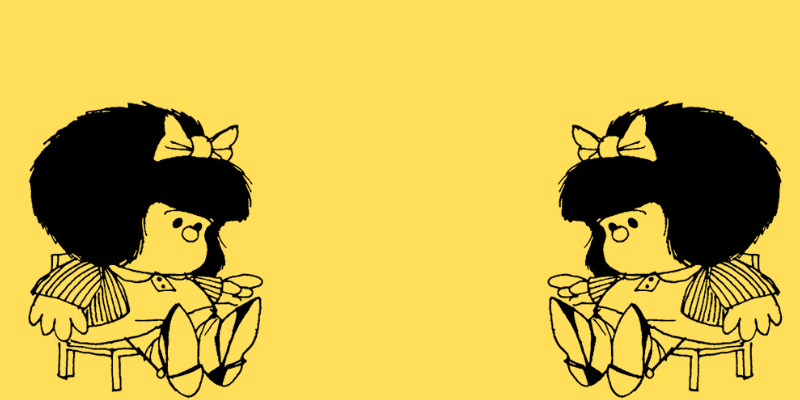
Elsewhere Editions’ new translation of Mafalda was one of my favorite books this year. My only disappointment with the book was that it didn’t include an introduction. I don’t think every book is required to orient the reader, but in this case knowing about Quino, Mafalda, and the world the work was written in has deepened my love of the comics.
Reading the strips sent me searching for more information, and I especially enjoyed Alex Dueben’s essay. Dueben organizes a lot about the strip’s legacy and context alongside new interviews with the book’s translator Frank Wynne and the cartoonist Liniers. Through a collection of voice and perspectives, Dueben situates Mafalda’s satire in an Argentinean outlook on politics and the world. It began in a specific time and place, and ended in another—Quino fled for Europe after the coup that ousted and murdered Salvador Allende. The cartoonist said later that “if I had continued drawing her [Mafalda], they would have shot me once, or four times.”
But what Dueben captures most convincingly throughout this piece is that the strip’s vitality comes from its lasting impact on so many. As a reader who is new to Quino’s work, Dueben revealed to me just how beloved Mafalda is. –James Folta, Staff Writer
In Line With All the Pynchon Fans at the Midnight Release of Shadow Ticket
Brittany Allen
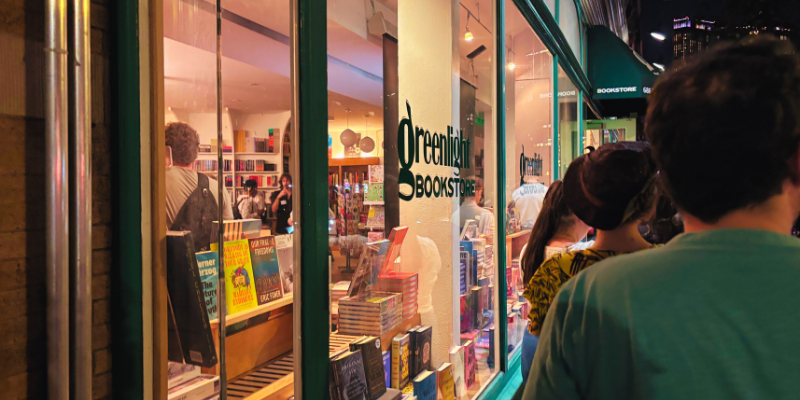
Here be a biased entry, but this reporter had an absolute blast covering the midnight release of Thomas Pynchon’s Shadow Ticket earlier this fall. And I’m quite proud of the undercover report “Eustace Meander’s” field work produced. Getting a chance to talk to Pynchon fans, and a very dedicated bunch of them at that, was an energetic high point of my October. As was this reminder: sometimes, at very late hours in Brooklyn, readers are congregating off-line! –BA
What ICE’s Assault on Ventura County, California Means for the Rest of America
Steven W. Thrasher
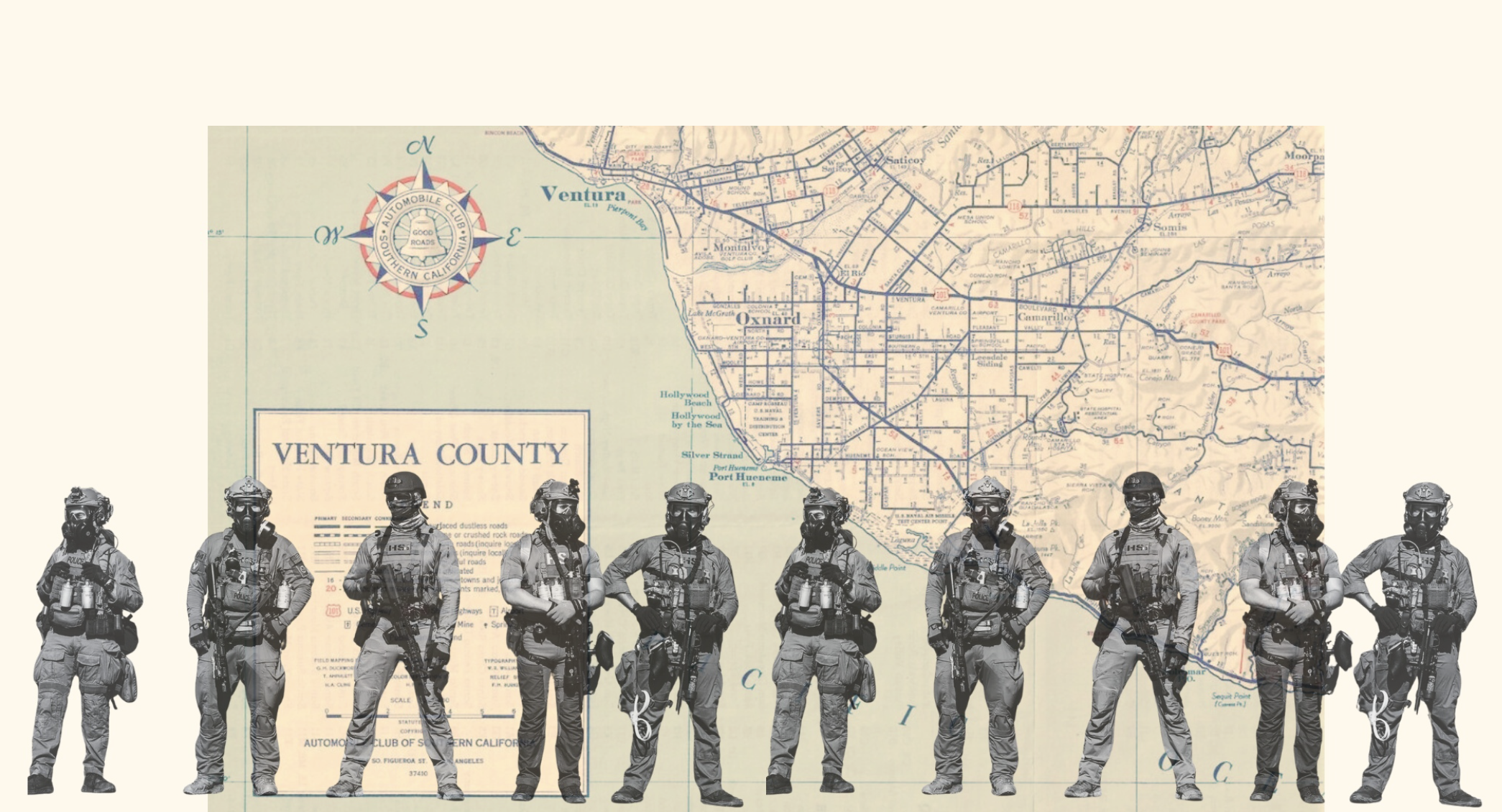
Steven W. Thrasher did a lot of good work for Lit Hub this year, but his reported feature on ICE’s authoritarian escalations in California was heartbreaking, terrifying, and hopeful. It has been and will remain hard to find reason for optimism in the face of Donald Trump’s fascist takeover of so many American institutions, but at the very least we must continue to bear witness and speak truth to power—we must continue to fight back.
Ventura County is playing a crucial role in the attempt to stop fascism right now, for the good people of Ventura, Camarillo, and Oxnard are not taking ICE raids without a fight.
That’s precisely what Thrasher has done here. –JD

The View From Gaza—As Seen Through WB Yeats’s Widening Gyre
Alaa Alqaisi
“Someone, somewhere, must remember that we were human here. Even in the hour of ash. Even as the gyre devours the sun.”
Writing from inside the besieged strip, Alaa Alqaisi’s haunting, lyrical essay considers the annihilation of Gaza—which she sees as “the trembling fulcrum upon which the gyre of moral collapse turns”—through the lens of Yeats’ apocalyptic 1919 poem, “The Second Coming.” It’s a hypnotic, terrifying piece of writing; a reckoning with the breakdown of language itself in the face of this “sustained dismantling of the soul.” To conjure something like this, with terror and starvation plaguing you at every waking moment, is nothing short of astonishing. –Dan Sheehan, Book Marks Editor-in-Chief

Why AI Narrators Will Never Be Able to Tell a Real Human Story
Adam Verner
Naturally, as a writer, a being that relies on clean water, and a person on the internet trying to figure out if Google is telling me the truth about whether my kid has pinkeye or just a pink eye, I think about AI a lot, but I hadn’t considers its effect on audiobook narration until I read Adam Verner’s lovely meditation on his own career as a narrator, and what we’ll lose if we cede the field to AI. It’s beautiful, thought-provoking, and, given the speed with which we’re handing over our humanity already, pretty damn melancholy. –JG
The Publishing Industry Gambled on Me… and Lost
Maria Kuznetsova
The publishing industry continues to astound me. It’s a business based entirely on gambling, with no science or metrics behind their guesses: they throw in big, close their eyes, and pray. And usually, not too shockingly, it doesn’t pay off. Their half-a-million-advance-book comes out to crickets, for one reason or another: not because of the merit of the work, but because of one of the sheer number of mysterious dynamics that shape our culture’s tastes. There was a great article on the subject in The Walrus this fall by Tajja Isen; for Lit Hub, Maria Kuznetsova shared her own experience on the big-gamble-little-payoff experience that numerous authors have had to undergo at the hands of corporate publishers.
It’s a startling and sad tale about the roller coaster of publishing: the flood of interest from agents, their success in pitching your book, the promise of a grand, illustrious career. But if your sales don’t match up to said promise, your career is immediately compromised. The publisher can manage to make it seem like your failure, and yours alone: while they would have taken the credit had your book done well, if it does poorly, well, don’t look at them. Kuznetsova writes an eye-opening and alarming narrative about this very experience. If you didn’t know the phrase “bad track,” you’ll know it now, and shudder at the thought. –Julia Hass, Book Marks Associate Editor
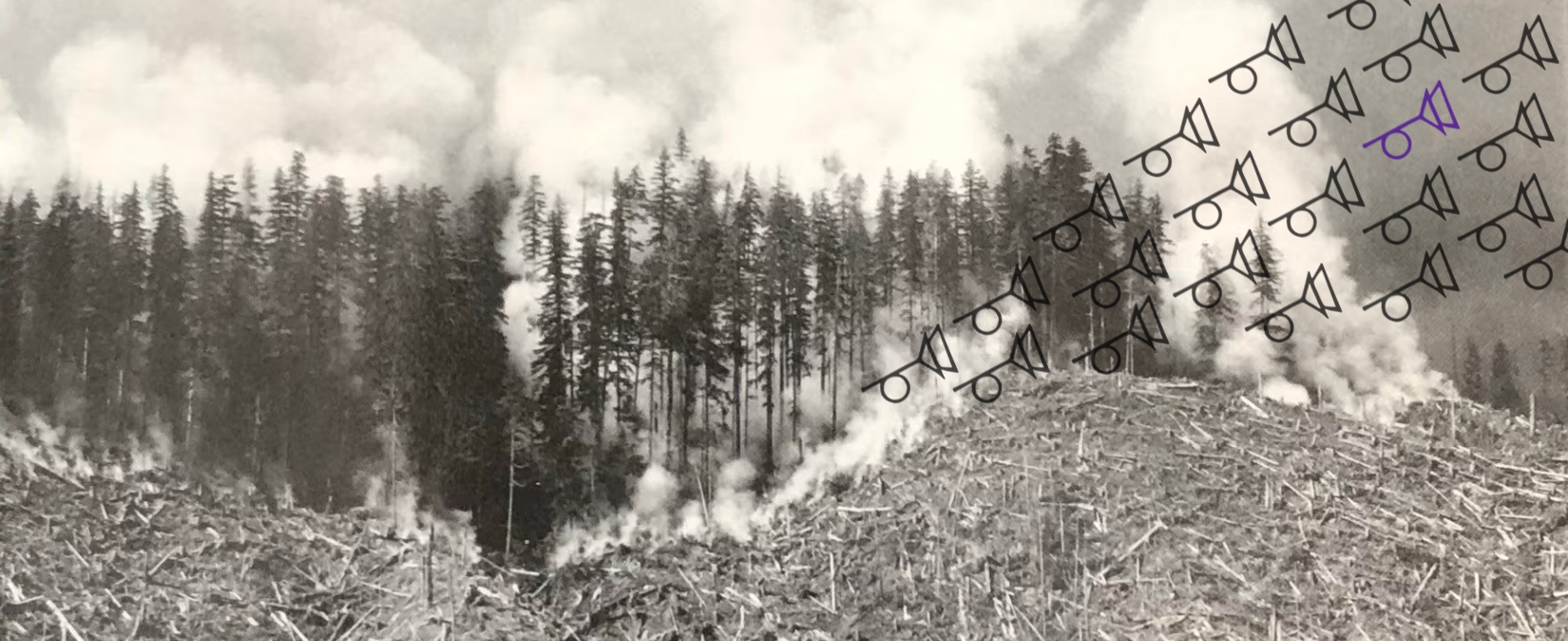
Why Thomas Pynchon’s Vineland—a Disappointment When It Was Published—is the Novel We Need Right Now
Devin Thomas O’Shea
Out of all the big contemporary films taking on political violence, One Battle After Another was the most successful and interesting to me, better than the snotty Eddington and the loopy Bugonia. The movie sent a lot of us hunting for PTA’s source material, Pynchon’s Vineland, which seems to have kicked off a wild supply and demand cycle—the markup on the secondary market has been pretty wild. Anecdotally, I could only find way-too-expensive copies in NYC bookstores, and I tried to order a used copy online twice, only to have both orders canceled because the book in question had already been sold. I finally got my hands on a reasonably priced Vineland at a used bookstore in upstate NY, but safe to say people are Vine‘ crazy.
O’Shea’s essay is less a close reading of Vineland as it is about Pynchon’s work more broadly, and how the 1990 novel fits into the author’s understanding of American politics, military-industrialism, and the particularly American ritualized, sexualized violence: “If you had to point to one continuous theme in all of Pynchon’s work, it is a silver Christian fish bumper sticker turned right-side up to look like a rocket,” O’Shea writes.
Pynchon has clear interests and O’Shea charts the reclusive author’s obsessions across his books and the fragments of his biography that are available. It makes for a great starting place to understand the themes that went into PTA’s film, especially if you’re still searching for your own Vineland out there. –JF
58 Books You Need to Read (Recommended by People Who Know)
Literary Hub
To celebrate Lit Hub’s 10th birthday (!), we asked a bunch of our friends, contributors, and other literary smarties to tell us about the best book they’d read in the last 25 years. This is the resultant list, which has a gem or two for anyone looking for a new (old) book. But more importantly, it is a reflection of the community that has sprung up around our little website in the last decade. This year, as the literary ecosystem, both online and off, continues to shrink, I am grateful for all our readers and contributors, as well as the valiant writers, agents, and editors still out there making books for us to read and write about. –ET
Hypergraphia: On Prolific Writers and the Persistent Need to Produce
Ed Simon
In Ed Simon’s brief investigation, starting with Charles Dickens and ending with himself, he writes, “There is the suspicion that at its most extreme, prolificness isn’t even an issue of work, but of mania—more stunt than literature. What if, however, without disparaging either those who write a lot or those who write a little, we consider that for the former the approach to the craft which is grubby can also be glowing? That there is, in fact, a mysticism engrained within the stolid, that the compulsion to produce isn’t inconsistent with inspiration, but an extension of it?” It is a great investigation and a reminder that our most prolific authors can be both the most methodical, and our best. –EF

Al-Atlal, Now: On Language and Silence in Gaza’s Wake
Sarah Aziza
How do you write about an ongoing genocide? Sarah Aziza’s beautiful, complex piece is both a grappling with the impossibility of words and a manifestation of the necessity of continuing to try to find language. It enacts the struggle to speak while serving as a reminder of the absolute power of continuing to tell. “The future will not suture, power will not close this wound,” she writes. “For we will hold it open—this STOP, this grief and the horizon of refusal it spells. Our blood, shed and flowing—it is precious, and it is speech.” –JG

How Black Labor Unions Impacted the Creation of the Stanzaic Blues Poem
Kristin Grogan
I was introduced to the poetry of Langston Hughes through high school English class surveys, but it was a history class that unlocked a deeper reading of his work for me. During the Spanish Civil War, Hughes worked as a war correspondent for the Black press, writing about volunteers who took up the call of solidarity to fight fascists. Reading about Hughes’s antifascism gave his poems a different tenor for me.
Grogan’s essay similarly expanded my reading, interweaving a close analysis of Hughes’s and Sterling Brown’s poems with an attention to class and labor. She situates the poems in their particular moment of Black unionization, alongside famous labor actions like the formation of the Brotherhood of Sleeping Car Porters. As someone who sometimes struggles with poetry, this historical labor angle made for a great way back into Hughes. –JF
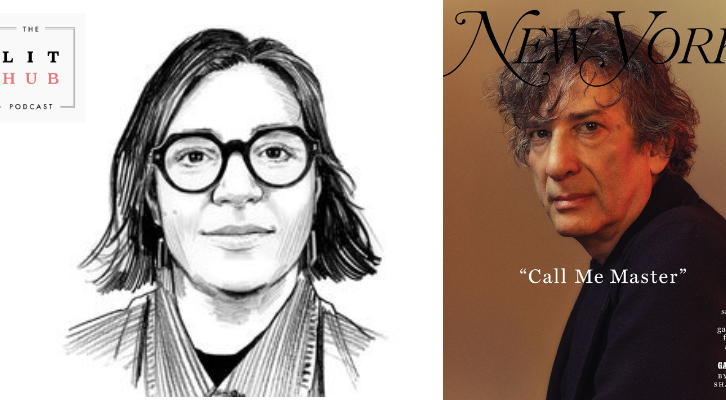
Lila Shapiro on the Allegations Against Neil Gaiman
The Lit Hub Podcast
It might be like voting for yourself for student body president but I’m including something I did on this list. I’m really proud of every episode of The Lit Hub Podcast this year, but not a week has gone by this year that I didn’t think about this interview with Lila Shapiro from January. It’s been heartening to see the literary community comprehensively cut ties with Neil Gaiman in the wake of Shapiro’s extensively-reported NYMag piece, detailing the prolific accusations of sexual assault and general impropriety by the author—and while plenty of people took the opportunity to bravely declare that they’d never liked his work in the first place, or that they always knew he was sketch, or what-have-you, there are also lots of folks who found themselves suddenly and unexpectedly in a position of mourning. What happens when an artist you love turns out to (allegedly) be a monster? Talking to Lila about that complex grief, about the intensity of reporting such a harrowing piece, about how we can simultaneously hold space for the victims and acknowledge our own smaller sadness, and about how we can maybe someday make space for the art and its meaning without still loving or supporting the artist is one of the most meaningful conversations I’ve ever had. –DB
A War Zone Pediatrician on What Comes After the Horrors of a Gaza Emergency Room
Seema Jilani
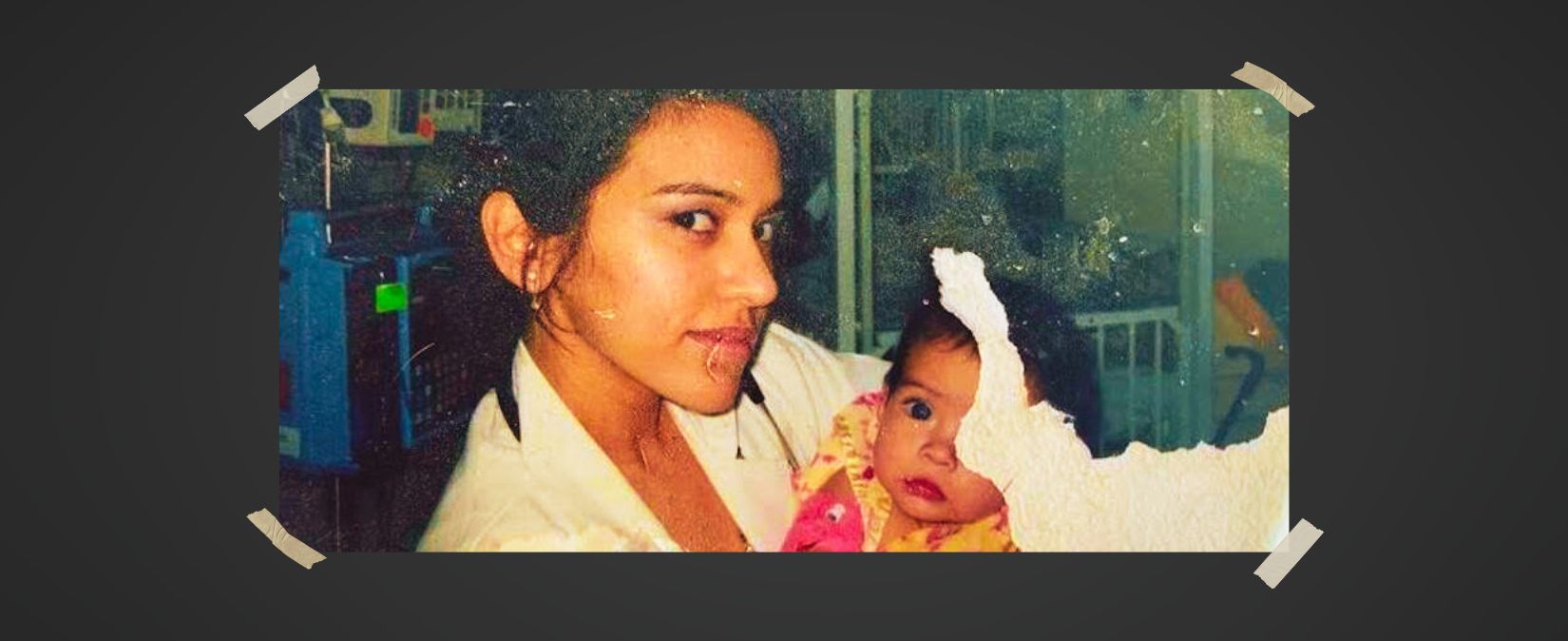
In this extraordinary piece, Dr. Seema Jilani—a Texas pediatrician who has worked in conflict zones around the world—details her experience treating the young victims of Israeli bombardment in Al-Aqsa Hospital in Gaza, and how she woke up to the hypocrisies of the western liberal order in the aftermath of this traumatic period. Dr. Jilani writes with ferocious eloquence about how her (often stymied) efforts to speak out publicly about the atrocities occurring in Gaza resulted in a personal awakening. Her kinetic, riveting accounts of working in triage units under bombardment and fighting to make her voice heard in diplomatic spaces are woven through with quieter contemplations of what it means to be a daughter “born of colonization” in elite American spaces. Dr. Jilani’s own photographs from the field serve as a powerful compliment to her humane, impassioned writing. –DS
Anna North Thinks About the Roman Empire All the Time
Anna North
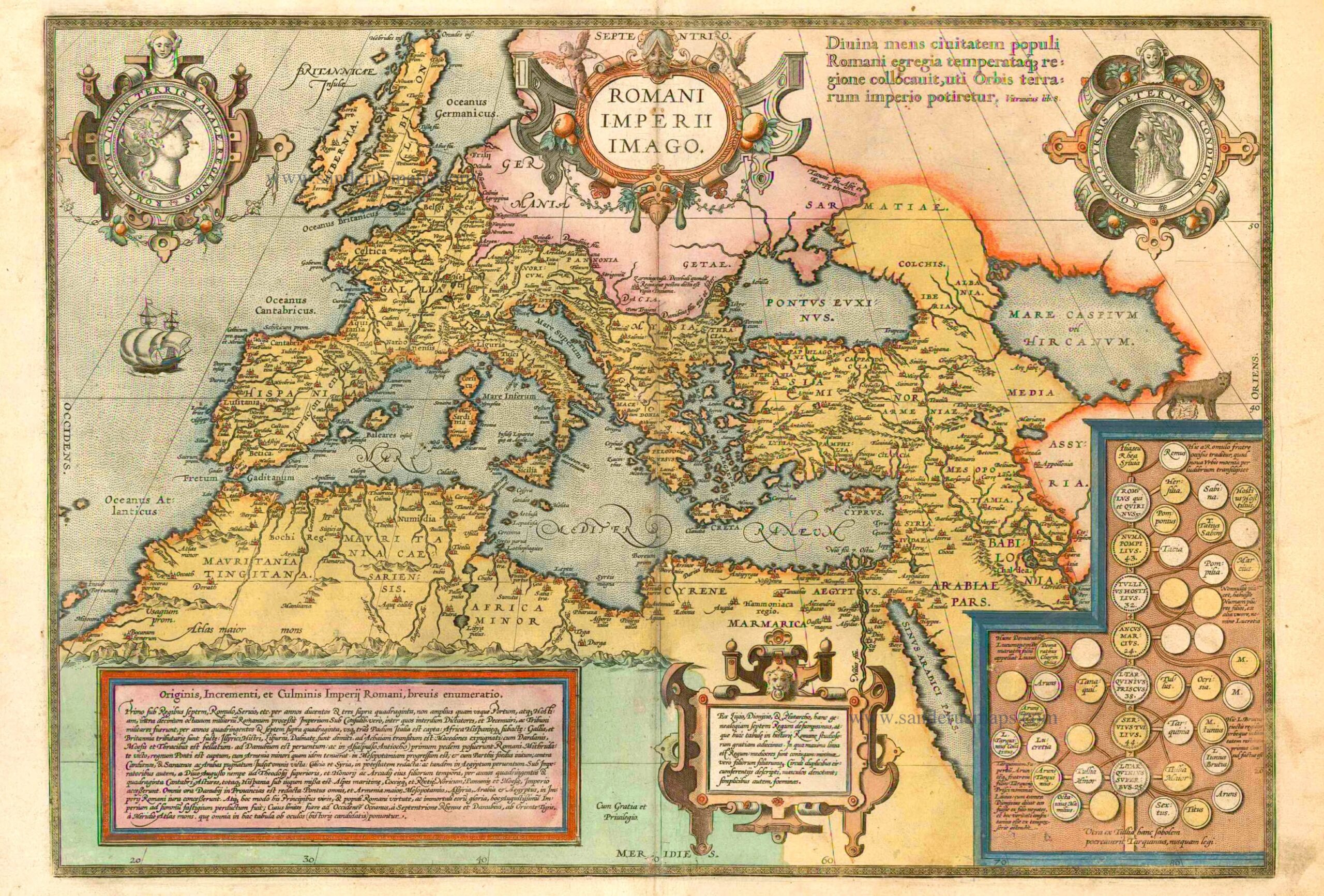
I loved this short personal account of the Latin nerd’s dilemma of getting hooked on a dead language. I too studied Latin for probably too long, and was also given the advice to not waste my time. But as North explains: Latin rocks.
Sure, you have the best answers to the “how often do you think about the Roman Empire” meme, and you have a better grasp of grammar than most. But what’s wonderful about a foundation in Latin is how it vividly reveals the consistency of the human experience. The concerns of the past are, of course, the concerns of the present. Reading Latin is a kind of time travel—“I find it moving that the beauty and humor of Latin literature endures,” North writes, “thousands of years after its writing.” –JF
What Was Literary Twitter? The Bracket
Literary Hub
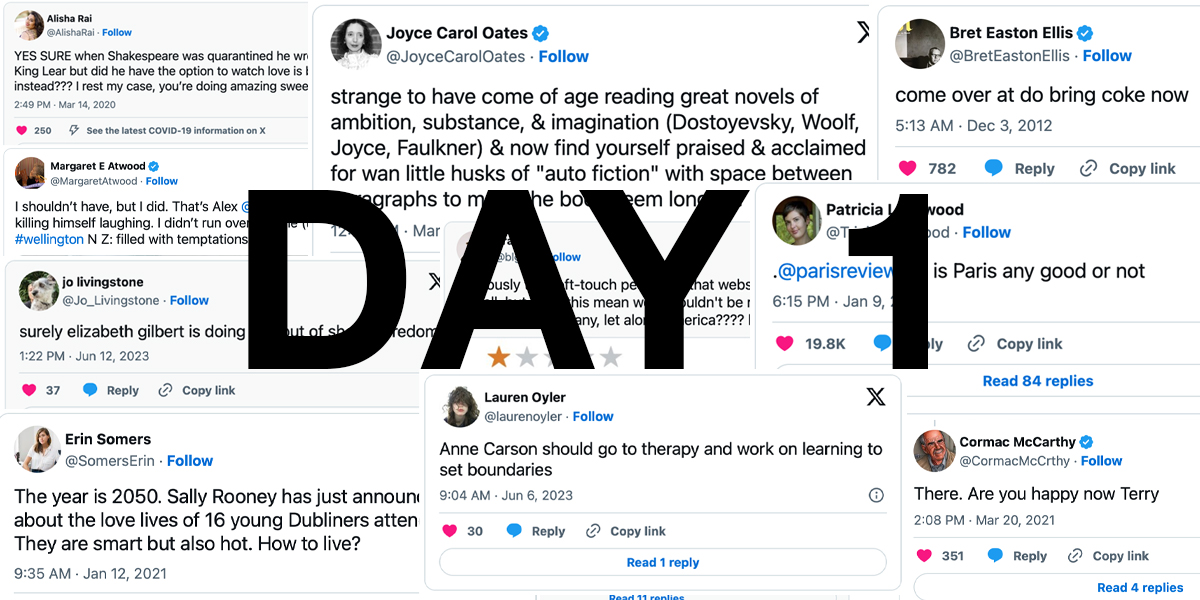
This year, at Literary Hub, we finally dipped our toe into something that I have wanted to try for years: brackets. No, I do not watch sports. We started in March with the Best Villains in Literature bracket, but I think our fall tournament (?) was even better. Be dumber, we told ourselves as we sifted through the internet graveyard of forgotten discourse, broken links, deleted tweets, our own broken brains. It’s Twitter. Also, the correct Twitter phenomenon won! What I’m saying is, we had fun. Hope you all did too. –ET
Art and Craft: An Illustrated Conversation Between Lena Moses-Schmitt and Martha Park
Literary Hub
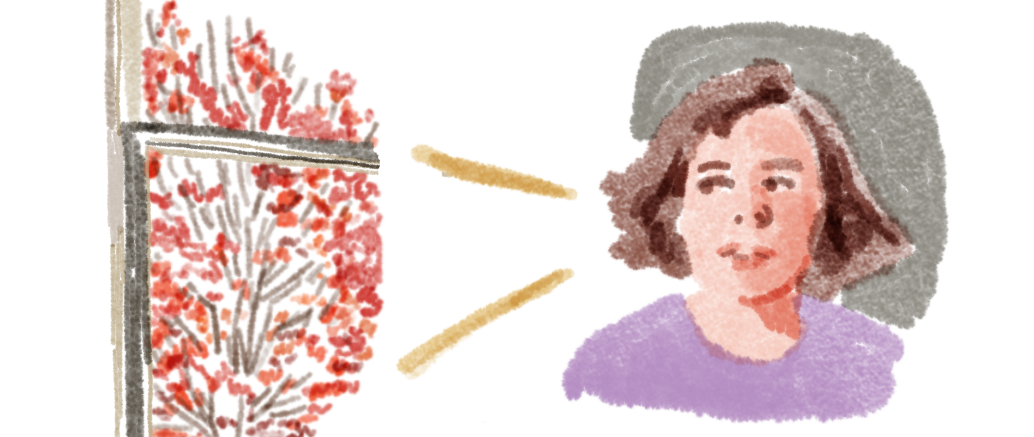
I wrote about Lena Moses-Schmitt’s new book of poetry for our favorite books of the year list, but this goes to show her vast and varied talents. For the piece, she and fellow author Martha Park (author of World Without End) engaged in a mutual interview, with drawings accompanying their thoughts and questions. Each of these authors specialize in a form of essayistic illustrated writing: using the power of multiple mediums to convey the intricacy of their ideas. Reading this sort of essay fills me with envy, though a kinder word would be wonder. It’s a wonderful thing, to be able to communicate the fullness of one’s brain and thought process and state via these colorful, illustrated missives. It makes me look out the window and see leaves on a tree the way these artists see it: something to be captured, preserved, in more than just words. The will to memorialize each and every moment. They try, and they succeed, and then move on to the next, documenting and honoring every falling leaf. –JH

Am I the Literary Asshole? (Series)
Kristen Arnett
Kristin Arnett’s AITLA column has been cracking me up all year. And though arguably niche, her advice is always helpful for this sometimes awkward literary citizen. For any of us who have ever nursed private, unseemly doubts or jealousies, Arnett is a tonic. Chatty and supportive, her columns concerning blurb etiquette, one’s more famous friends, and AI “helpers” acknowledge the un-glamorous underside of the writing life. –BA
Lies, Damn Lies, and Magazine Pieces: On the Cursed Art of Fact Checking
Isabel Clara Ruehl
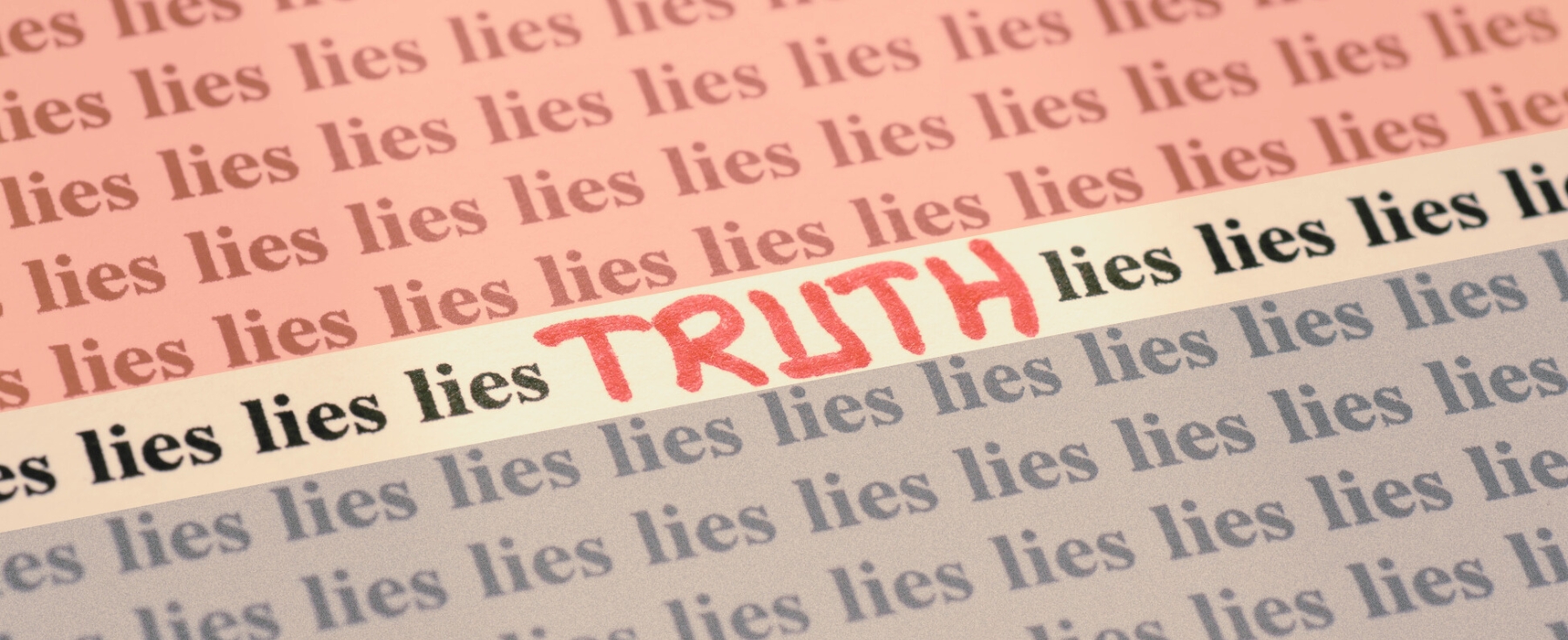
Isabel Ruehl’s piece is my favorite kind of literary criticism: a little book review—she writes about Austen Kelley’s debut novel The Fact Checker, a little personal history—she herself has worked as a fact-checker, and a little socio-political examination as—what does it even mean to check facts when disinformation rampages unchecked through all manner of previously “hallowed” halls?—as a treat. –JG
Actually, Master and Commander is a Domestic Fantasy About a Codependent Life Partnership!
Olivia Wolfgang-Smith
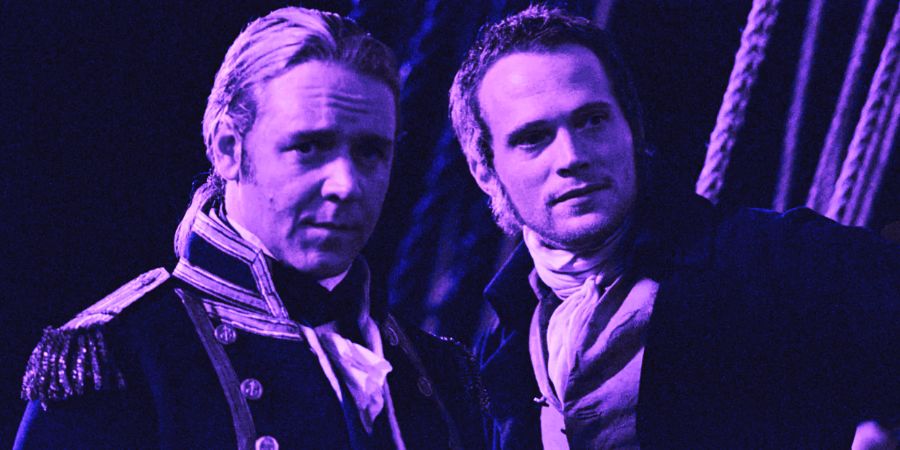
I can’t stop referencing this essay, which is maybe a bit too revealing about how often the Aubrey–Maturin books come up in my life. The title makes for a great conversation starter, and is one of those statements that becomes more obvious the more you think about it.
Wolfgang-Smith’s argument that Patrick O’Brian’s epic book cycle is “a work of domestic fantasy” is not just convincing, but enriching. The books are (not incorrectly) slotted as “classic Father’s Day gift material,” but her closer reading does justice to the depth and development of character in O’Brian’s work. If you come to these books looking just for swashbuckling, you might be surprised by the long sections that take place in the quiet of a ship’s cabin over music and wine, or on land, with the grounded chores of bills, property, and attending to failing mining investments.
What Wolfgang-Smith articulates is how the experience of reading O’Brian’s twenty books starts to blur into patterns that are instantly recognizable to anyone in a long term relationship. “O’Brian has the two men fit themselves to one other’s blind spots,” she writes, and he uses repeated settings, phrases, and even the same year to build the comfortable feeling that comes with commitment and intimacy.
“What is life, after all,” Wolfgang-Smith writes, “but a serialized adventure?” –JF
Michelle de Kretser: “I ask you—I beg you—to join us in speaking out for Palestine.”
Michelle de Kretser
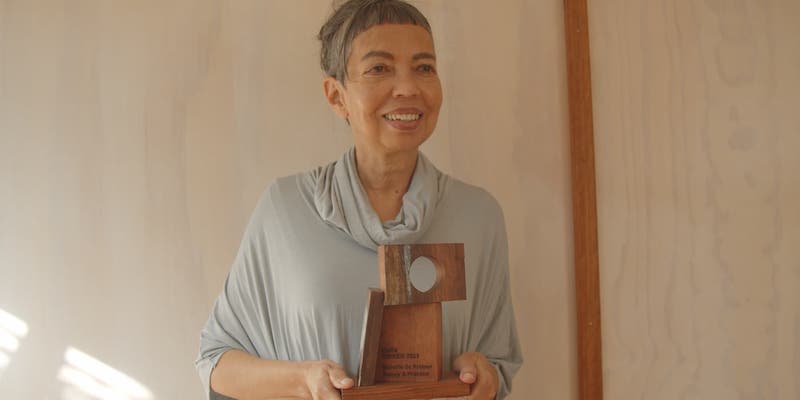
Michelle de Kretser’s acceptance speech for the Stella Prize was the epitome of how an author should approach speaking about the assault on Gaza. She recognizes her fears, she gives them space as well: she says, many of you will be familiar with that voice. She doesn’t say it is something to be ashamed of, it is only something to recognize, and supersede. She acknowledges there is a world in which she could take another route, and give words of empty encouragement to “women.” But to do this without recognizing the suffering of so many women out there would be to ring false: it is not a time to revel, but a time to work hard for others, and give light and space to those whose voices are being erased. –JH

Suddenly So Alone: Jean Chen Ho on Dislocation and Longing in Upstate New York
Jean Chen Ho
Los Angeles-based writer Jean Chen Ho’s exquisite meditation on loneliness is an essay I’ve thought about often these past few weeks. A chronicle of a bleak winter spent in Saratoga Springs, where the author knew not a soul, we follow Ho as she searches for moments of beauty to burn through the fog of bleakness, the ambient menace she cannot seem to escape. Louise Bourgeois sculptures. A solar eclipse. The fleeting hope of new friendships, new lovers. All the while, the horrors of the Gaza genocide cast a shadow over everything—a “totalizing violence” that blots out the sun. –DS

Here’s what’s making us happy this week. (Series)
Brittany Allen
Pound for pound, I think Brittany Allen’s introduction of what we internally call “Nice Things Friday” has done more for my mood than just about any other thing on Al Gore’s internet this year. I’m a big believer that Lit Hub has survived and continues to dare-I-say thrive not just because of the great-caliber writing that comes through the site on the daily, but because the staff are living breathing human beings who like to forefront their humanity—it’s what appealed to me about the site before I worked here, and it’s what puts a smile on my face every time I log into the staff Slack. I love a personal recommendation and getting to see the cool things that people are engaging with, be they cultural or spiritual, serious or silly, personal or universal, almost-every Friday… it’s just the best. –DB