Memory Rehab and Future History: December’s Best Sci-Fi and Fantasy Books
New Work by Karen Lord, Annalee Newitz, and Malka Older—plus a few 2025 books you might have missed!
The mornings are brisker, the evenings are darker—the year is winding down. You may, like me, be reevaluating your TBR from the past year and recalling books you had meant to read when you got them but that will be just as good, if not better, during the winter. There are a few more December releases to add to that pile, including a sci-fi series-ender, a standalone, a dystopian literary crossover, and a collection of paired essays and stories for social change.
Even writing monthly lists, there are always books that fly under my radar; so I’m using this end-of-year list to also highlight a few titles you (and I) might have missed earlier this year.
*
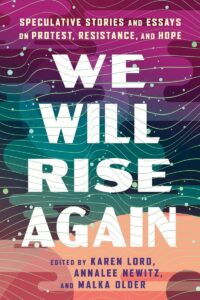
Karen Lord, Annalee Newitz, and Malka Older (editors), We Will Rise Again: Speculative Stories and Essays on Protest, Resistance, and Hope
(Saga Press, December 2)
Inspired by the 2015 anthology Octavia’s Brood, in which Walidah Imarisha and adrienne maree brown examined the links between SFF short stories and movements for social change, this new collection brings in both aforementioned writers alongside other essayists and storytellers. Their writing on “the future history of protest, revolutions, and resistance” is accompanied by genre-bending stories from Charlie Jane Anders, Malka Older, Jaymee Goh, and more.
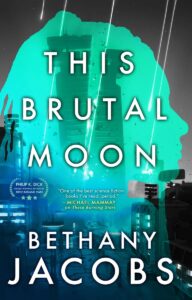
Bethany C. Jacobs, This Brutal Moon
(Orbit Books, December 2)
The Kingdom Trilogy (which began with the Philip K. Dick Award-winning first novel These Burning Stars) wraps up its intergalactic power struggle, as the Kingdom’s Treble colony buckles beneath a new dictatorship. Despite their history of opposition, the First Families and the rebellion leaders reluctantly unite to wrest back control, bringing in the Jevani people—who are suspicious that they won’t be enslaved again when the dust settles. Cleric Chono and hacker Jun Ironway must each do their part for peace… if they can track down the mysterious Six in time.
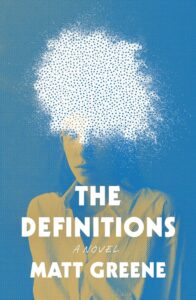
Matt Greene, The Definitions
(Henry Holt and Co., December 2)
A number of contemporary dystopias begin in medias res, with readers slowly learning about the before times. Matt Greene’s novel leans into those familiar narrative conventions: set in an isolated rehabilitation Center, its patients are afflicted by a mysterious disease that has wiped their memories. Blank slates upon entry, they are slowly relearning everything from “Grammar” to “The History of the Twenty-First Century: A Story of Progress”; their short-term monikers have been borrowed from sitcom characters like Joey and Chandler. But while these shared lessons unite them during their time between before and after, flashes of individual memories threaten to divide them—especially as they begin to question the Center’s strictures.
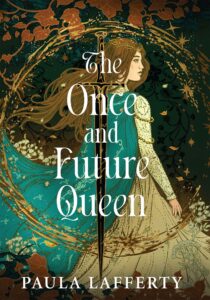
Paula Lafferty, The Once and Future Queen
(Erewhon Books, December 16)
You’ve read Le Morte d’Arthur, but what about La Vie de Guinevere? Paula Lafferty’s time-traveling saga has been released in a deluxe edition with a shiny new title: The Once and Future Queen, in which grieving aimless twentysomething Vera is transported via wormhole (Merlin with some modern magic) to Camelot. There, she discovers that she is to become the vessel for Queen Guinevere’s memories, which means she is dropped into the chaos of court politics right as Mordred is making his claim for the throne. Uncertain about whether to trust Merlin’s hidden agendas, Vera finds that her burgeoning friendship with Lancelot sparks too much gossip at Camelot; and her supposed husband King Arthur is strangely cold to her in public, yet leaves her tender tokens in private. Will Vera fulfill Guinevere’s fate as the faithless queen, or could she rewrite the narrative?
And a few titles from earlier in the year that you should definitely check out!

Koji A. Dae, Casual
(Tenebrous Press, February 11)
This sci-fi novel charts the quiet horrors of pregnancy and motherhood in a toxic near-future: Seven months pregnant and facing a future as a solo caregiver, Valya is forced to wean off Casual, the therapeutic neural implant that manages her depression and anxiety. Caz is so immersive that there are fears of her neglecting her future child… unless Valya agrees to an experimental new procedure to place a matching implant in her infant’s head, which will allow them both to be linked via Casual. Koji A. Dae uses this SF premise to examine the myriad sacrifices and compromises that mothers must make for the good of their children, giving up more and more control of their bodies and their autonomy.
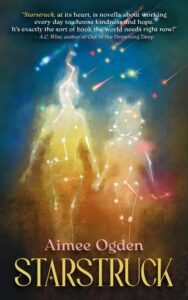
Aimee Ogden, Starstruck
(Psychopomp, June 17)
Aimee Ogden’s charming novella is populated by the starstruck—plants and animals who catch a falling star and are imbued with a soul. Prish, a radish, and her wife Alsing, a fox, are used to welcoming the newest starstruck, but two unsettling events occur back-to-back: First, the stars stop falling; then, they encounter two unusual new companions. One is a human baby seemingly abandoned by its parents; the other is the first inanimate object to be starstruck—a piece of granite, suddenly ensouled and with new ideas about what it means to live and move through the world.
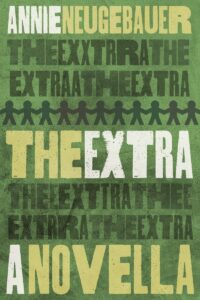
Annie Neugebauer, The Extra
(Shortwave Publishing, September 9)
Ten people set out for a fun group backpacking trip. The first night, there are eleven people at the campsite. Everyone remembers everyone else. Are you already screaming? Every time I remember this premise, it sends a delicious shiver down my spine. The best horror is like this: short, sharp, simple for how primal the fear it taps into is.

Natalie Zutter
Natalie Zutter is a Brooklyn-based playwright and pop culture critic whose work has appeared on Tor.com, NPR Books, Den of Geek, and elsewhere. Find her on Twitter @nataliezutter.