Lit Hub Daily: January 21, 2026
THE BEST OF THE LITERARY INTERNET
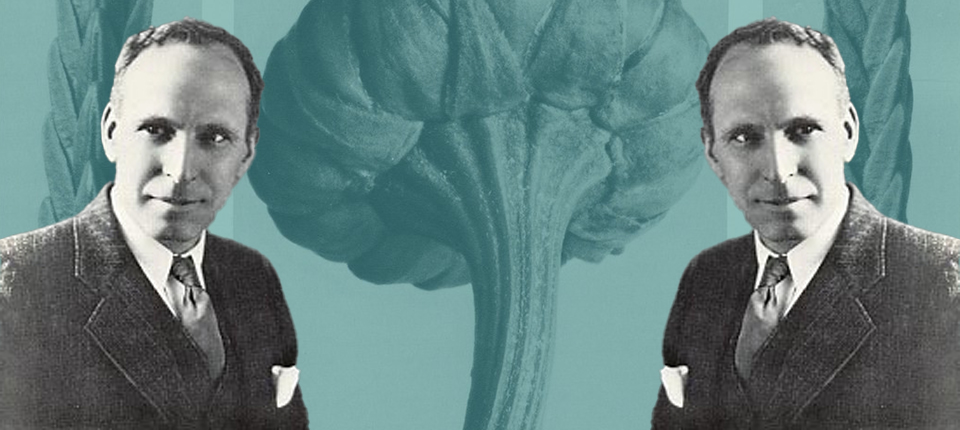
TODAY: In 1884, author, pacifist, and ACLU co-founder Roger Nash Baldwin is born.
- Ed Simon explores the history of technologically assisted writing and the long legacy of tension between human creativity and mechanical efficiency. | Lit Hub Technology
- How the Universal Friend, America’s first nonbinary minister, preached equality and salvation for all. | Lit Hub Religion
- Howard Bryant on Black leadership, interracial heroism, and the time Jackie Robinson testified against Paul Robeson in Congress. | Lit Hub Biography
- “The mistake is to see ecological preservation as matters of personal and political morality.” Why our survival matters (and the ethical value of combatting climate change). | Lit Hub Climate Change
- Lauren Schott recommends books about Ohio by Celeste Ng, Joyce Carol Oates, Tiffany Mcdaniel, and more. | Lit Hub Reading Lists
- Elliot Williams chronicles December 22, 1984, the day Bernie Goetz shot four unarmed teenagers on the New York City subway. | Lit Hub History
- “Reinvention does not mean we have failed. It means we are alive, moving forward, and growing.” On reinvention and the economics of Taylor Swift. | Lit Hub Music
- “My sister, Agatha Krishna, said it started when they came, and so that’s where you could put the blame.” Read from Nina McConigley’s new novel, How to Commit a Postcolonial Murder. | Lit Hub Fiction
- “As schools struggle to update their curricula and classroom policies, they also confront a deeper problem: the suddenly enormous gap between what they say a degree is for and what the labor market now demands.” Jeffrey Selingo on the purpose of college in the age of AI. | New York Magazine
- Why are Zillennial writers so obsessed with Thomas Bernhard? Oscar Dorr explains why the Austrian satirist is speaking to the algorithm. | House House Magazine
- Martin Niemoller’s “first they came for…” speech has become an activist’s battle cry. But the anti-fascist lament has a dark secret history. | The Nation
- Caitlin Doherty considers Mary Gaitskill’s “practice of extreme noticing.” | New Left Review
- Robin D. G. Kelley remembers Queen Mother Moore, the activist who launched the modern fight for reparations, and “understood reparations and nation-building as inseparable.” | The Yale Review
- Gideon Jacobs explores the horrifying absurdity of MAGA’s self-penned fan fiction: “The perennial fear, expressed by thinkers from Plato to Guy Debord to Jean Baudrillard, that politics could be corrupted by performance and transformed into pure spectacle, seemed to have been finally and fully realized.” | Los Angeles Review of Books
Article continues after advertisement