Larry Sultan on the Role of Ambiguity in Art
“I think part of the role of ambiguity relates to my own ambivalence. I don’t know what to make of things.”
In the mid-1980s I saw the painting Bad Boy by Eric Fischl and felt the powerful combination of shock and recognition. I had never seen an image like this before—one that was so transgressive and yet thoroughly mundane. Nor had I come upon a picture that was such a compressed and elegant depiction of the psychological complexities involved in the act of looking.
In the painting the viewer is placed in a suburban bedroom behind an adolescent boy who sneaks his hand into the purse of a woman who is laying naked on the bed in front of him with her legs wide apart as she trims her toenails. While the picture is utterly direct, the narrative remains ambiguous—available to the viewers’ speculations and projections. What is the relationship between the boy and the woman? Is he looking at her sexually or just keeping an eye on her so he doesn’t get caught red-handed? And what about the meaning of the purse, the light, the toes, and the woman’s indifference?
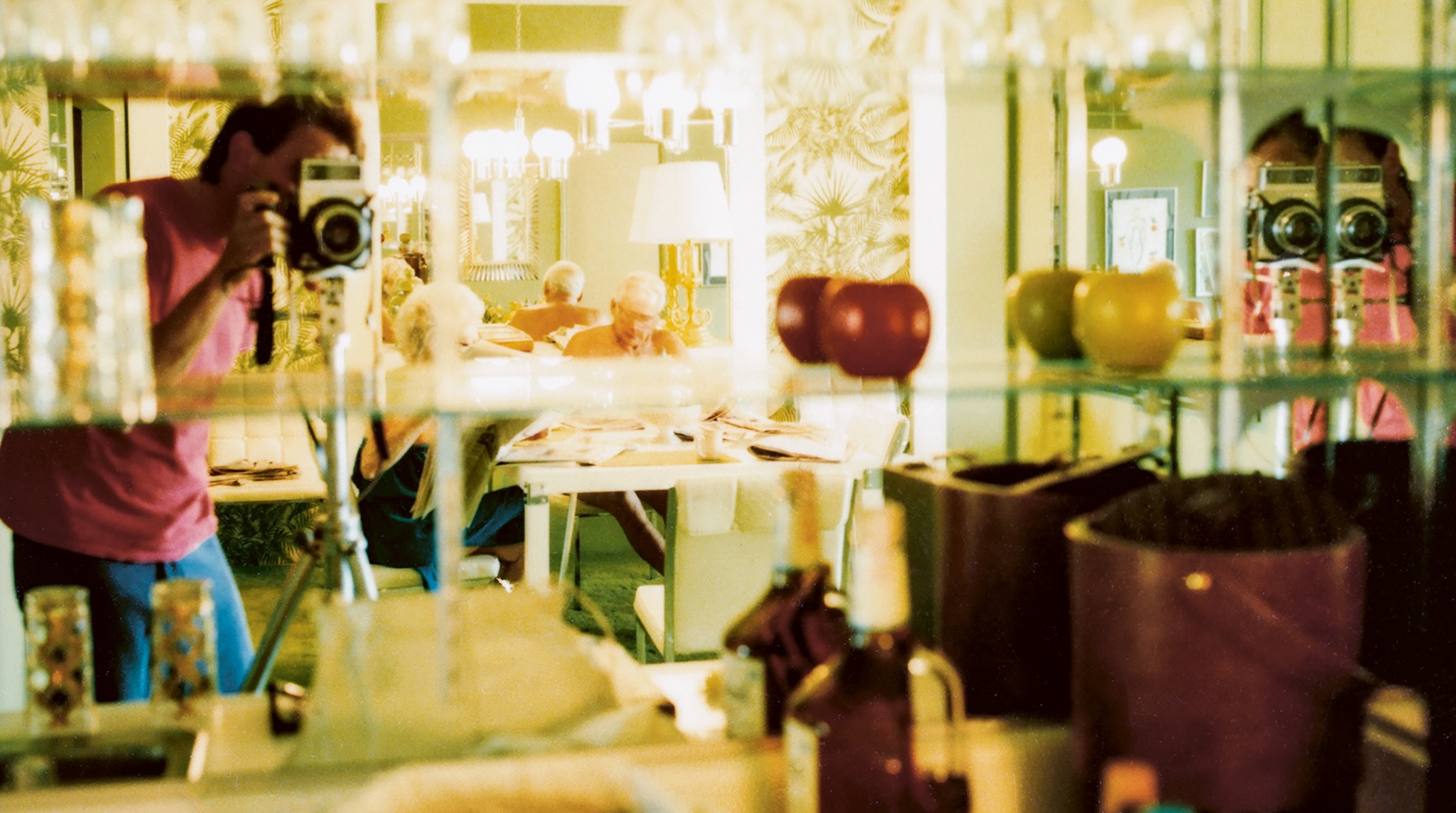
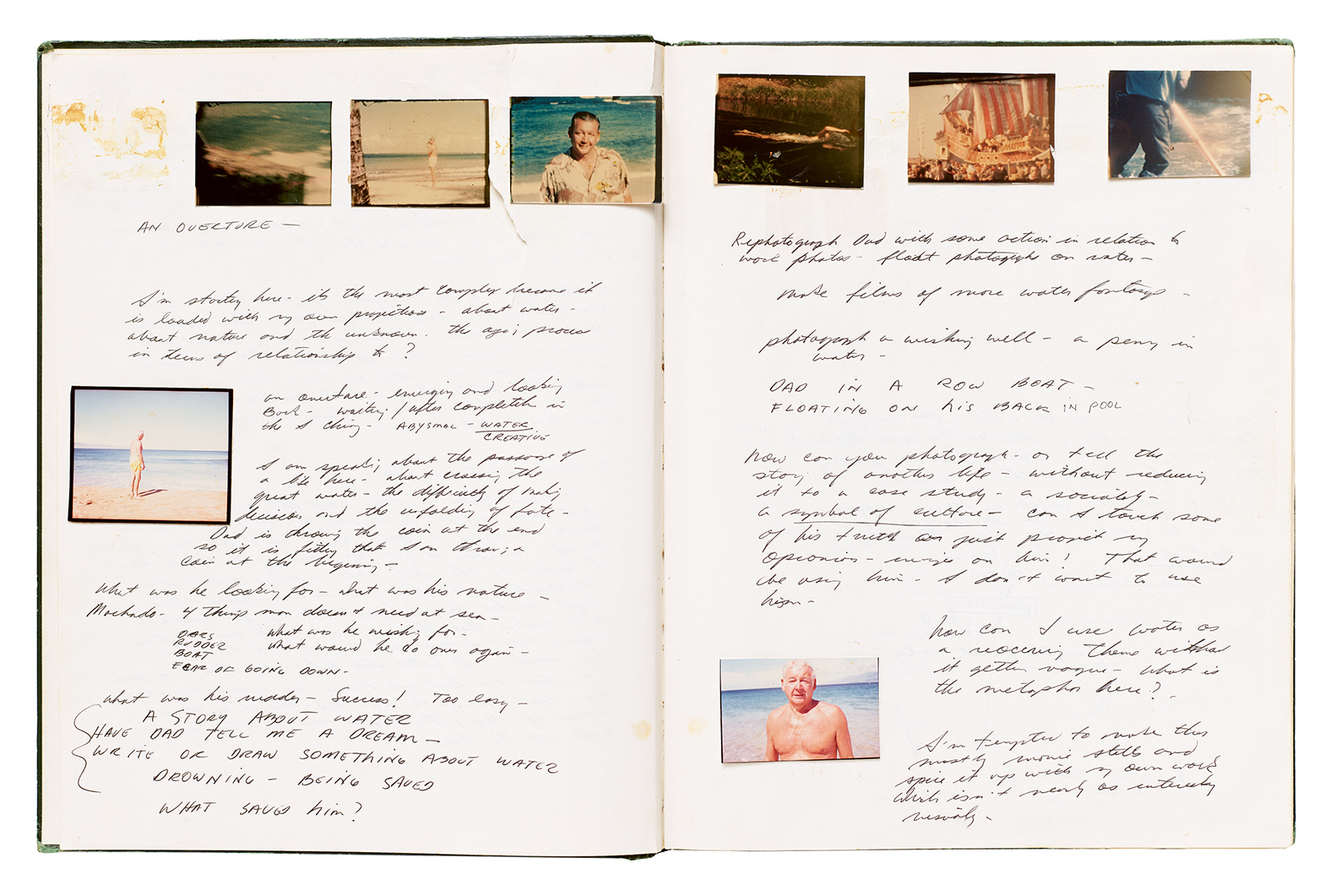 Larry Sultan, Pictures From Home, maquette, early 1980s, from Water Over Thunder: Selected Writings (MACK, 2026).
While this particular painting was entirely a new experience for me, the feelings it evoked were familiar. When I was on the cusp of puberty, one of my favorite things was to sneak into my parents’ bedroom and poke around their things. I’d go through their dresser drawers, rustle through their closet, peek into unmarked boxes. I’d find countless treasures: strange, jeweled objects, notes, old photos, panties, and condoms. The room was suffused with amber light—the morning sun glowing through the drawn shades—the perfect light for secrets.
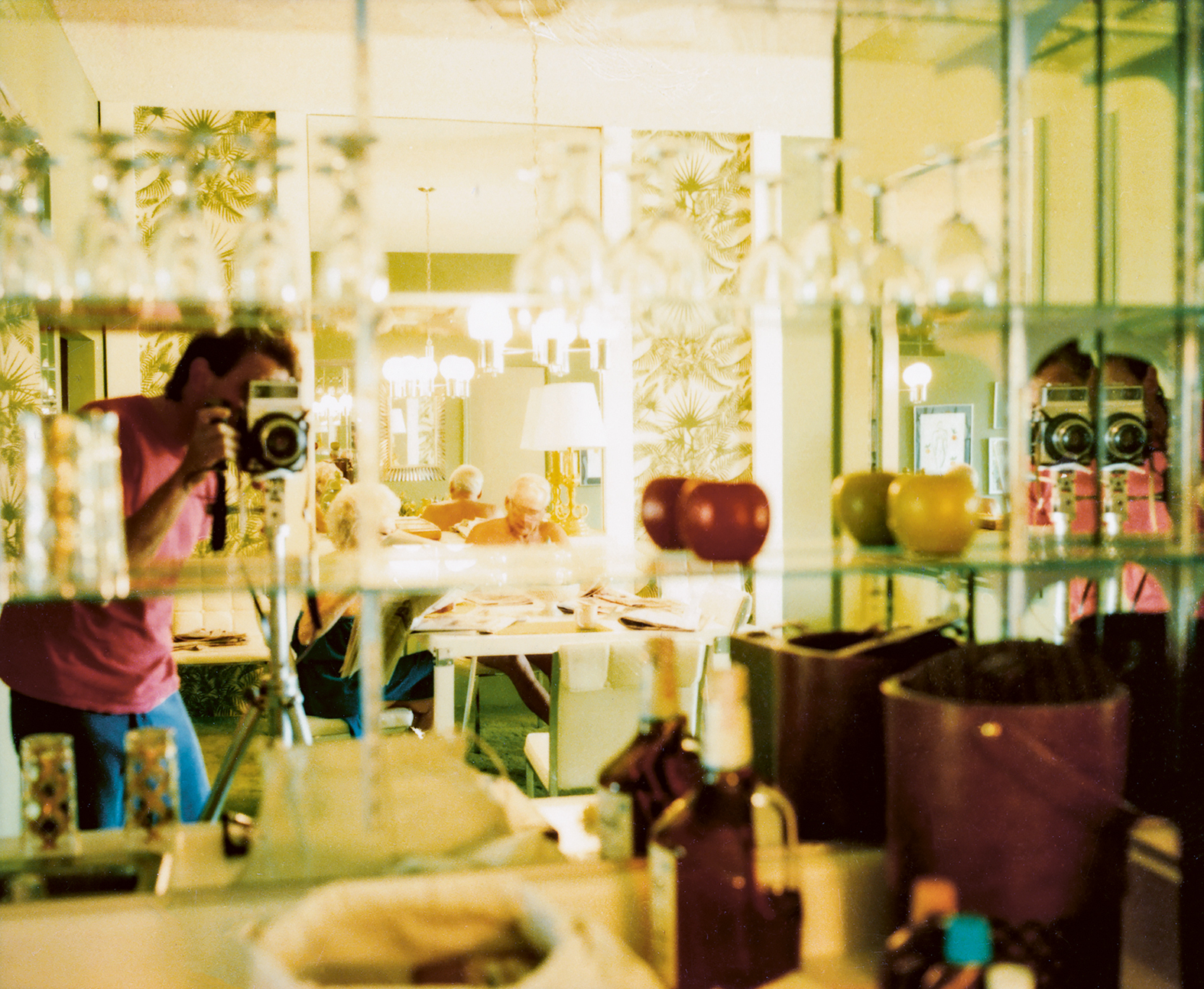 Larry Sultan, Pictures From Home, 1983-92, proof print, from Water Over Thunder: Selected Writings (MACK, 2026).
For me the greatest experience that a work of art or literature can provide is to make visible something I know inside but cannot yet name or see. Simply put, it is the gift of vision. Yet for me, a great picture not only lets me know what is possible but also gives me permission to try my own hand at it, if I so choose.
That’s where Fischl comes in. Bad Boy (among others he has painted) is one of a set of signals that, for the past twenty years, allowed me to wander back to the suburbs where I grew up, poke around again in my parents’ and others’ bedrooms, in backyards, living rooms, and over fences; to make pictures that hopefully portray the complex and often dark and bewildering world of suburban life.
I think part of the role of ambiguity relates to my own ambivalence. I don’t know what to make of things, and I like to give a viewer the same kind of openness that I am confronted by in my experience.
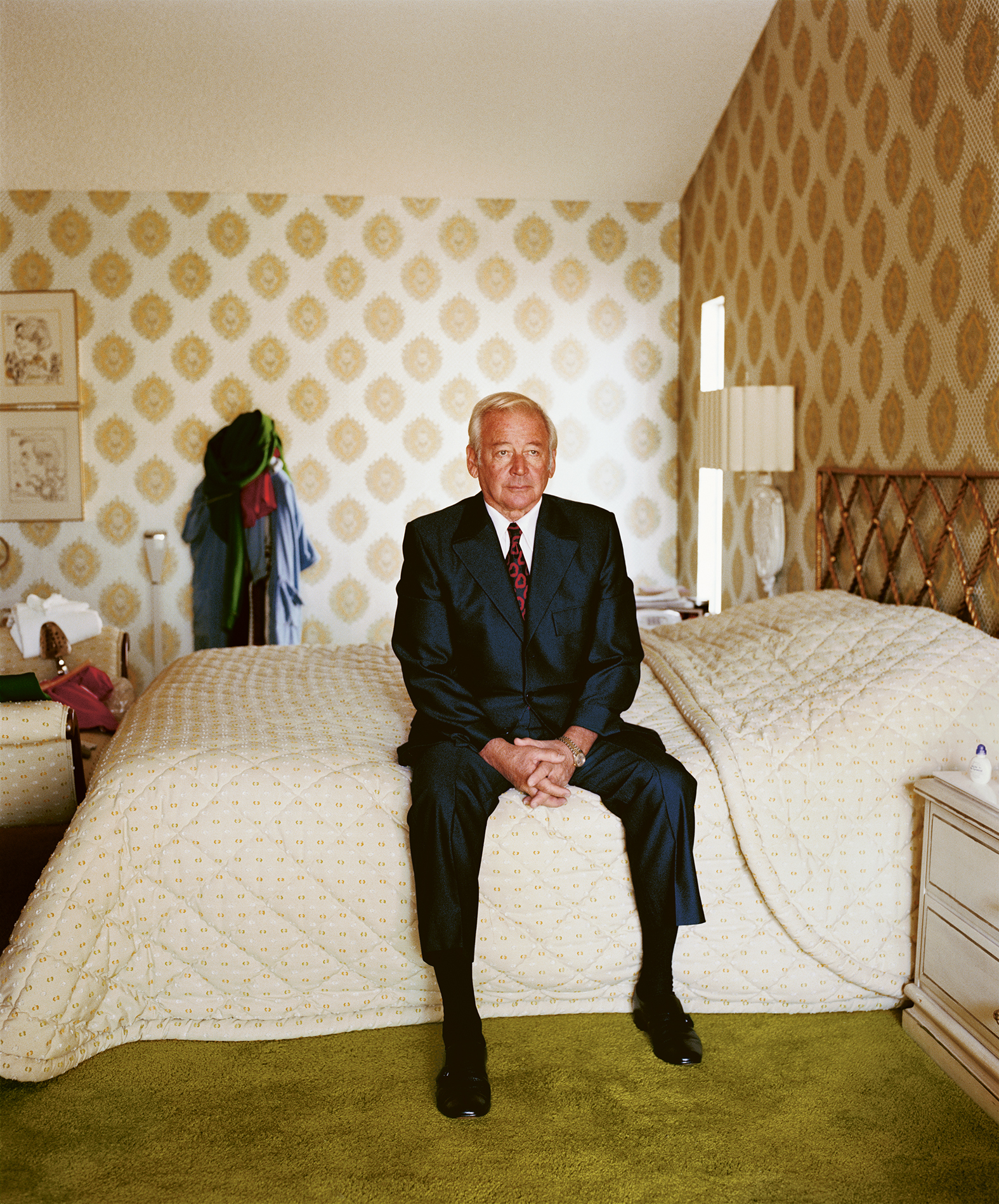 Larry Sultan, Dad on Bed, 1984, Pictures From Home, from Water Over Thunder: Selected Writings (MACK, 2026).
You see something, you’re fascinated, you’re a bit repulsed, you don’t know exactly what it is, you don’t have enough information yet to file it away. And before one can file it into the known, there are these moments in which you get to see, without knowing what it is yet. Those are the rare moments of seeing, before one is completely protected or anointed by what we have already experienced. There is this great, open moment in which you have to use your eyes, to look at the details and make up your own mind. These moments are small, and I don’t think they last for long.
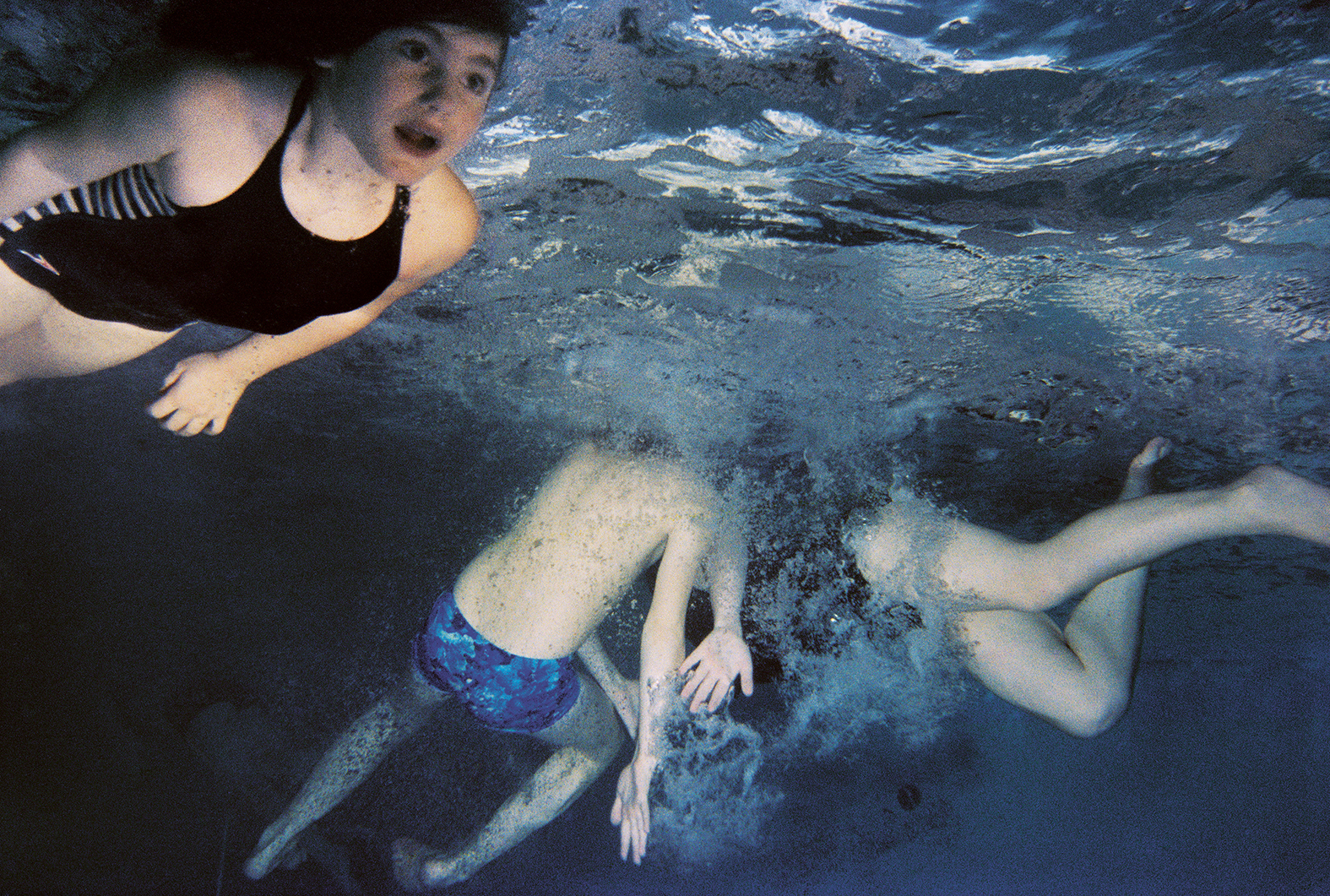 Larry Sultan, Untitled #1, 1978–1982, from Water Over Thunder: Selected Writings (MACK, 2026).
To me the greatest moment I could illicit in a photograph is a sense of: “What is that?” And to make the photographs big enough that you confront them with your body. They’re not erotic, and yet they’re not purged of sexuality, they are right at that moment between. They don’t make people look silly, they don’t make them even look very sexy, but there’s something a little bit raw about them: a bit of mischief, and a bit of darkness, and a bit of desire, a bit of repulsion.
__________________________________
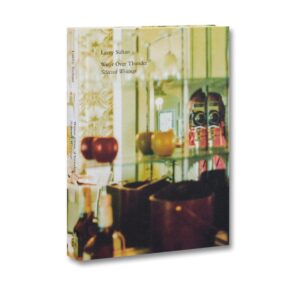
Water Over Thunder: Selected Writings (2026) by Larry Sultan, is published by MACK. All images © The Estate of Larry Sultan. Courtesy of MACK.

Larry Sultan
Larry Sultan (American photographer, b. Brooklyn, NY, 1946; d. Greenbrae, CA, 2009) was raised in California’s San Fernando Valley. His work, heavily influenced by the post-war popular culture of Los Angeles, plays with notions of documentary and staged photography and reveals the psychological nuances found in the everyday suburban landscape and family life. Acclaimed for his use of color and light, Sultan is also known for uniquely collapsing the distance between himself and his subject. His series include Swimmers (1978-82), Pictures from Home (1983-92), The Valley (2004) and Homeland (2006-2009). Sultan co-authored the ground-breaking work, Evidence (1977) with Mike Mandel. A beloved and highly influential educator, Sultan taught at the San Francisco Art Institute from 1978 to 1988 and served as a Distinguished Professor of Photography at California College of the Arts, San Francisco, from 1989 to 2009.