In Praise of Problematic Women: A Reading List of “Bad” Mothers
Ej Dickson Recommends Philip Roth, Rachel Hochhauser, Nick Hornby and More
There’s nothing more villainous, no figure more reviled, than a bad mother. This is what we’ve been told time and again, in movies and TV shows from Mommie Dearest and Carrie to Mad Men and The Sopranos, where the mother monster shows up in all her pill-popping, guilt-tripping, fright wig-wearing splendor to wreak havoc on her innocent children’s—and our—psyches. But why is the bad mother such an omnipresent figure in popular culture? Where does the trope come from, and what if she—gasp—wasn’t so bad after all? This is what I set out to explore in my new book, One Bad Mother, out now via Simon & Schuster, which explores the history of “bad” moms from stage parents to momfluencers to anti vaxxers to MLM Karens. Below, a celebration of some of my favorite bad moms from fiction, from the archetypical overbearing suburban Jewish bubbes to horny housewives.
*
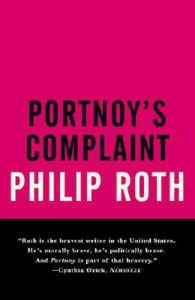
Sophie Portnoy; Portnoy’s Complaint by Philip Roth
I know there’s been a lot of ink spilled about Philip Roth’s misogyny and internalized antisemitism but honestly, there is perhaps no more naturalistic portrayal of what it’s like to grow up with an overbearing Jewish mother than Sophie Portnoy in Portnoy’s Complaint. I remember reading it when I was 12 and being like, “This is supposed to be funny? What, exactly, is funny about this? This is my life.”
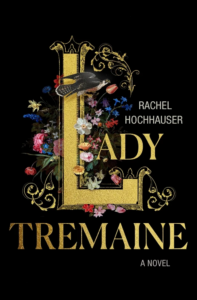
Lady Tremaine; Lady Tremaine by Rachel Hochhauser
This book by Rachel Hochhauser is coming out in March and it’s gonna be a huge hit. It’s so sharp and beautifully imagined and the author knows a shit ton about falconry. It’s basically a reimagining of the Cinderella story that is sympathetic to the stepmother and positions Cinderella herself as kind of a simpering overly pious little brat (though she proves she has some mettle in the end). Tremaine isn’t perfect—she’s aggressive and domineering in all the ways you’d expect from an evil stepmother—but she’s resourceful and smart and fiercely devoted to her daughters and it’s a fascinating character study.
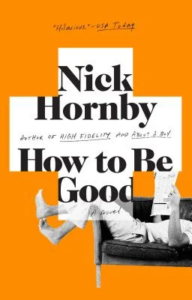
Katie Carr; How to Be Good by Nick Hornby
This is probably my favorite Nick Hornby book, in part because it’s one of the few with a female narrator and I think he actually writes women really well (mostly because, unlike most straight male novelists, he doesn’t write them that much differently than his male protagonists). Katie Carr is a married mother of two whose life spirals out of control after she has an affair with a younger man. She’s not a very likable protagonist—she cheats on her husband and she doesn’t like her kids all the time and she’s a doctor but she’s not super emotionally present for her patients and she’s kind of a shallow person in general. But that’s what makes her ring especially true. It’s one of the most honest depictions of marriage and motherhood that I’ve ever read.
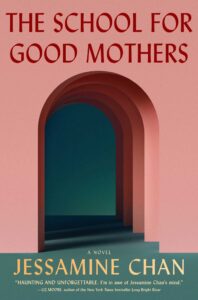
Frida Liu; School for Good Mothers by Jessamine Chan
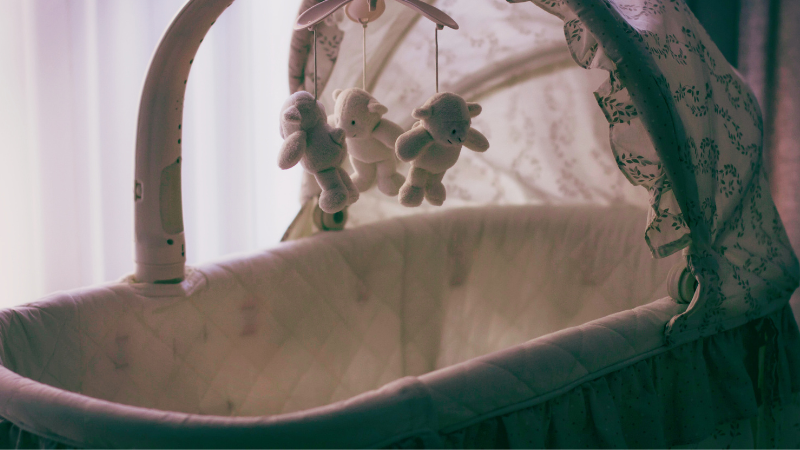
This book by Jessamine Chan crept its way into my marrow and refused to get out. It is absolutely chilling and it shaped my perspective on a lot of the issues I discuss in my book. It’s basically a dystopian black comedy (though really there’s nothing funny about it) about a single mom who gets sent by a judge to a yearlong school for good mothers after she has a momentary freak out and leaves her child alone in her crib to pick up some papers at her office. She and the other mothers (who are mostly women of color, as is the case in real life with mothers whose kids are removed by the state) are subject to an increasingly impossible series of tasks to prove their worth as mothers, which of course makes it impossible for them to get their kids back. It’s chillingly inspired by a true story and it’s the most terrifying book I have ever read.
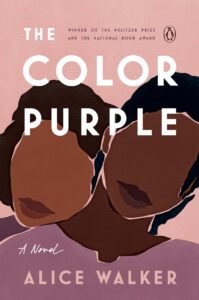
Shug; The Color Purple by Alice Walker
I admittedly have not revisited this book in years but Shug has always stuck with me. She’s not what you would call maternal or conventionally nurturing—she doesn’t have much of a relationship with her biological kids (I don’t think she has a relationship with any of them actually) and she initially comes off as this flashy, vain, deeply self-absorbed woman. But through her relationship with Celie you begin to see this deeply caring and profoundly generous figure emerge and she ends up helping Celie find herself through her love and friendship. Shug may have rejected the constraints of traditional domesticity and femininity but she demonstrates that being a good caregiver can come in different forms.
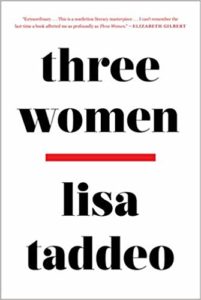
Lina; Three Women by Lisa Taddeo
I guess this is technically non fiction but the book is written in such a novelistic fashion I’m going to assume it counts. I loved Lina in Three Women so much. She’s a bored and horny housewife from Indiana whose husband won’t even make out with her and she reconnects with her hunky but dopey high school sweetheart on Facebook and becomes so sexually obsessed with him that she comes up with virtually any opportunity to get a babysitter for her toddlers so she can meet up with him in a motel and have crazy sex with him. The book is written at a point in her life when she is driven entirely by desire to take care of herself and not others and I just find that so transgressive and refreshing from a mother’s perspective.
__________________________________
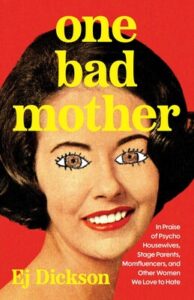
One Bad Mother: In Praise of Psycho Housewives, Stage Parents, Momfluencers, and Other Women We Love to Hate by Ej Dickson is available from Simon & Schuster.
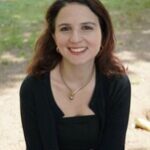
Ej Dickson
Ej Dickson is a senior writer at New York magazine’s The Cut. She previously worked as a senior writer for Rolling Stone and her writing has also been published in The New York Times, The Washington Post, GQ, Elle, and many others. She lives with her family in Brooklyn, New York.