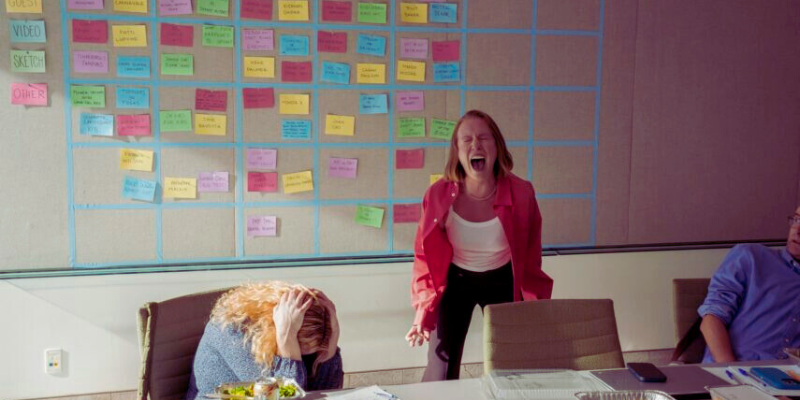
Here’s why writers are raging about the Netflix-WB merger.
Over the weekend, the Writers Guild of America (WGA) issued a statement condemning the pending merger between two massive media titans: Netflix and Warner Bros. Discovery. But laymen may be wondering, why are the writers so upset?
We all hate a monopoly. (On paper, even the government is supposed to.)
But the WGA says this prospective new super-corp has specific labor drawbacks for creatives in the industry. Per the WGA’s statement, this merger “would eliminate jobs, push down wages, worsen conditions for all entertainment workers, raise prices for consumers, and reduce the volume and diversity of content for all viewers.”
Unfortunately, massive lay-offs and subscriber fee increases are only the tip of a con list.
Netflix has teased that should their merger go through, fewer movies will make it to the big screen—which spells doom for cinema lovers.
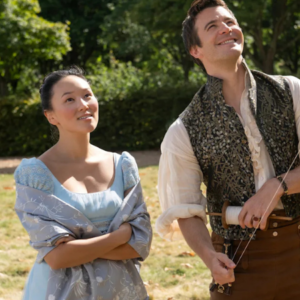
Meanwhile, auteurs worry that Netflix’s sanitized in-house style writ large could spell the death of cinematography. Which means more content that looks like this.
Yesterday, rumors started to circle that Paramount Skydance was also making a play for Warner Bros., via hostile takeover. Which made some creatives wonder if Paramount might be a better mega-owner than Netflix.
Today, the WGA confirmed it isn’t excited about either possible outcome. Though cinephiles might be able to breathe a bit easier should Skydance win the day, either shakedown is turtles all the way down from a labor perspective.
But the fight ain’t over yet. As Variety reports, there is a path to antitrust legal objection. “Under the Biden administration, the Department of Justice and the Federal Trade Commission added labor market impacts to the list of criteria for evaluating mergers,” Gene Maddaus wrote this morning. “That means the Trump administration could choose to go after Netflix as an unlawful monopsony—that is, a dominant buyer with the power to dictate terms to the creators of movies and TV shows.”
Experts say regulators could have the best luck bringing a monopsony case. This would entail the same line of argument that successfully blocked the merger of Penguin Random House and Simon & Schuster back in 2022.
So, tentative hope.
In the meantime, as the case moves through the courts, let every reader and watcher state it plain as the WGA. The best world for writers—and fans of their work—is the one without mega monopolies.

Brittany Allen
Brittany K. Allen is a writer and actor living in Brooklyn.