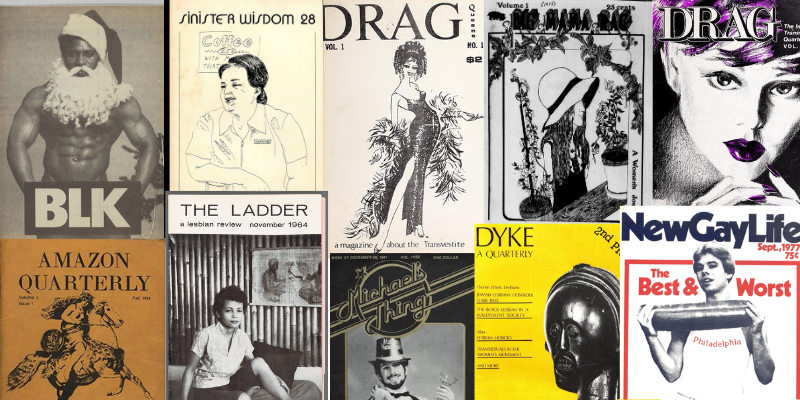
Five 70s-era queer magazines to revisit this Pride Month.
It’s pride month! What better time to go spelunking in the archive, so as to situate the current moment, or thank an ancestor? I’ve been on a research kick, personally. Thanks to round-ups like this one from Lindsy Van Gelder—and the robust free public archives available on JSTOR and Internet Archive—it’s never been easier to sift through the stacks.
And at a(nother) moment when queer and trans people are under active threat from the state, it’s more than heartening to reflect on the authors and activists who wrote their realities out of previous American hells. In this spirit, here are five queer magazines from the post-Stonewall moment. All worth getting to know.
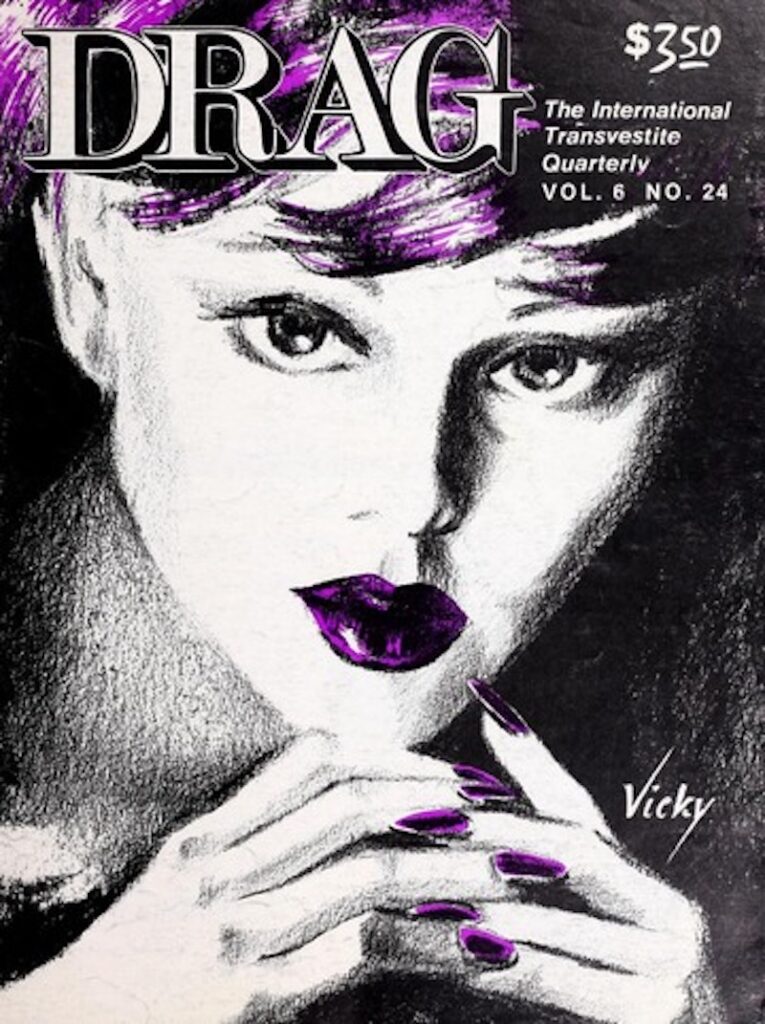
Drag
Drag published its first issue on the eve of the Stonewall riots. Helmed by gay drag activists Lee Brewer and Bunny Eisenhower, the magazine focused on trans queer folks (in the nomenclature of the time), who were often marginalized within the gay liberation movement.
For the Smithsonian blog, Eli Boldt described Drag as a vital record. “Drag recorded history as it happened, shared resources with a wide audience, and showcased the community. It led the drag and trans* community through triumphs and griefs, through celebrations and arrests, through pop culture moments and protests.”
One issue from 1975 features an irate rebuttal to Dog Day Afternoon from Ms. Carmen Wotjowicz, a remembrance for the ballroom scene, and a profile of Jean Michele Peters, a trans activist in Detroit.
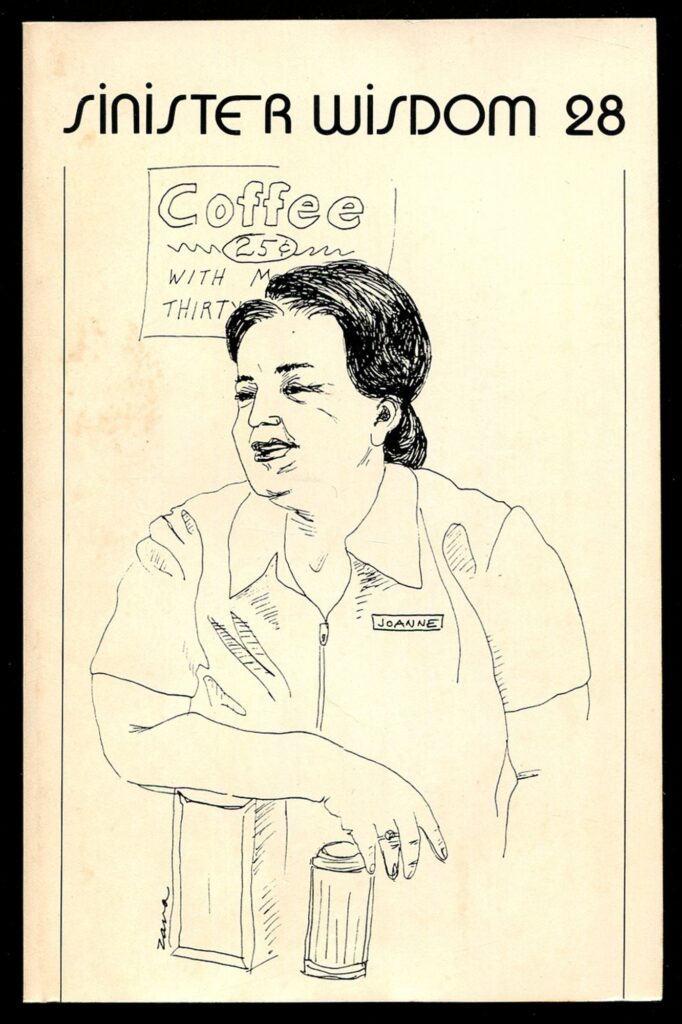
Sinister Wisdom
Since 1976, Sinister Wisdom has been publishing art, commentary, and literature for and by lesbians and queer people. Early contributors include Audre Lorde, Adrienne Rich, and Elizabeth Alexander.
Published by Iowa City Press and initially led by Harriet Ellenberger and Catherine Nicholson, its first issues still ring timely. Consider this 1985 Susannah J. Sturgis piece anticipating a collision between wokeness, feminism, and the body positivity movement.
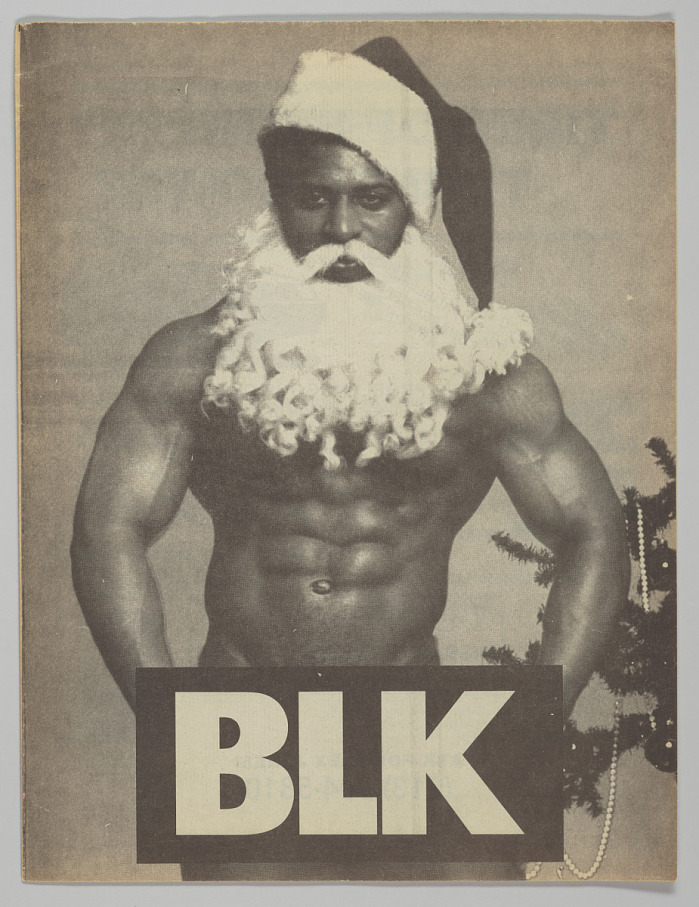
BLK
BLK technically published its first issue in 1988. Inside this LA-based queer magazine was a multi-page profile of the disco icon Sylvester, a photo spread from ally Whoopi Goldberg, and key updates about the Minority AIDS Project.
Publishing Alan Bell was a veteran of the queer press, having worked on Gaysweek in the 1970s. But as E. James West observed in a remembrance for Black Perspectives, Blk was especially radical for its time.
“Given the continued reluctance of the Black popular press to address the AIDS epidemic, as well as its failure to address the experiences of queer Black individuals and communities,” West writes, “BLK provided a sympathetic catalogue of love and loss which helped to push back against the stigmatization of queer Black folk and to document the disproportionate impact of the epidemic on communities of color.”
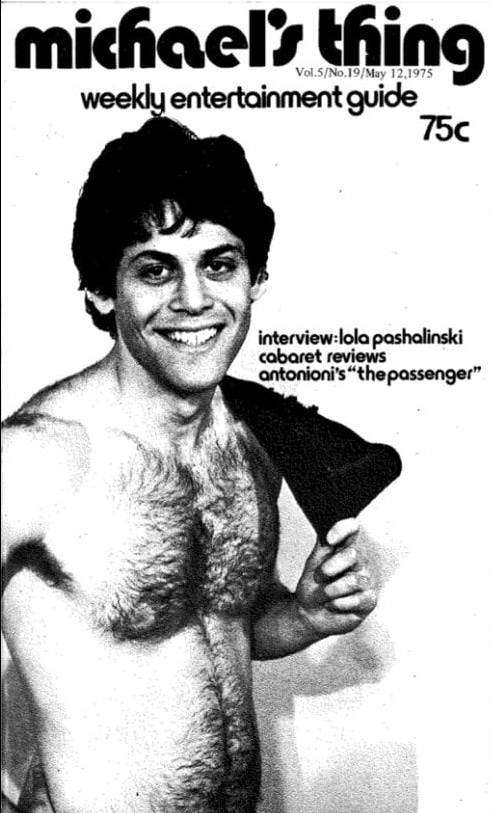
Michael’s Thing
Michael’s Thing was a weekly entertainment magazine and culture guide that ran for 30 years. Founded by Michael Giammetta in 197o—the year after the Stonewall Riots—Michael’s Thing joined a robust queer press scene in New York.
As archivist Maddie DeLaere has noted, the mag’s purview was capacious. The running “Girls About Town” column “expanded the magazine’s intentional demographic to be more inclusive of the lesbian community.” Other features, like Charles Choset’s “Notes on the Gay Sensibility,” or Joe Kennedy’s politics column, countered the nightlife content.
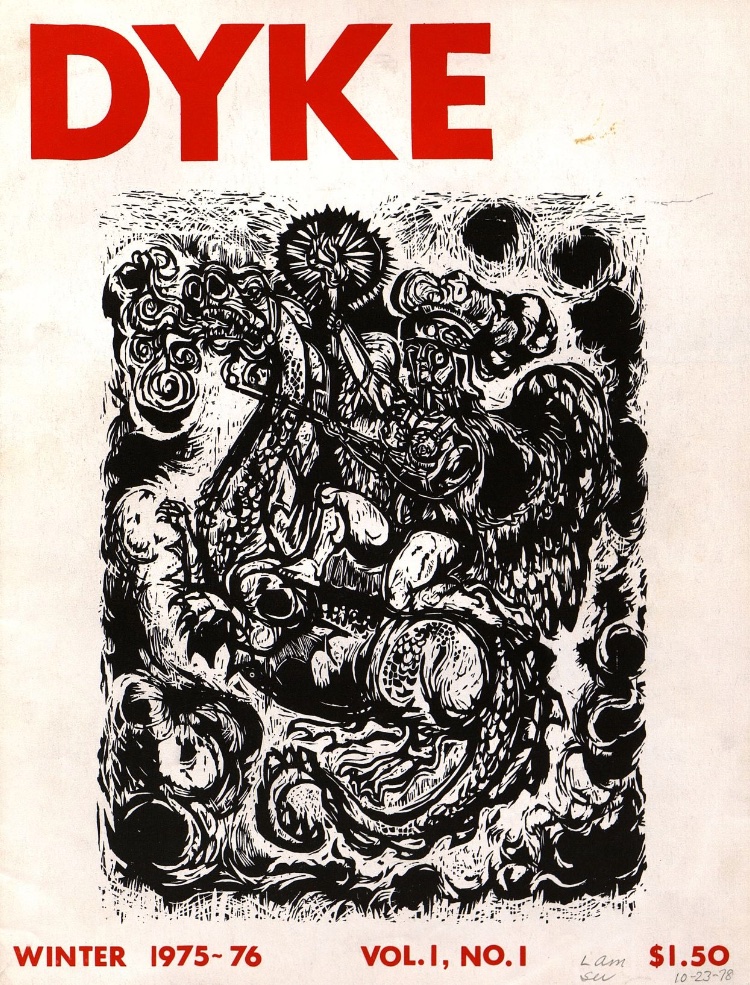
Dyke
This quarterly, first published in 1975, is the brainchild of lesbian separatists Liza Cowan and Penny House. Early issues featured confident, curious writing from a broad diaspora of lesbian thinkers mostly working outside the academy—as evinced in this issue on ethnic lesbians.
As Riese observed in an excellent round-up from Autostraddle, this magazine was best known for a certain gumption. “You won’t find polemics from Audre Lorde or Adrienne Rich in DYKE, but you’ll find the closest thing you can to reading the diary of, basically, middle-class white lesbian separatists in the mid-70’s—complete with the angry lesbian commenters!”
A rich historical document, indeed.
Happy Pride, all ye who read and remember!

Brittany Allen
Brittany K. Allen is a writer and actor living in Brooklyn.