






Do readers really want books by committee?
A new imprint from Harper Voyager is betting they do.
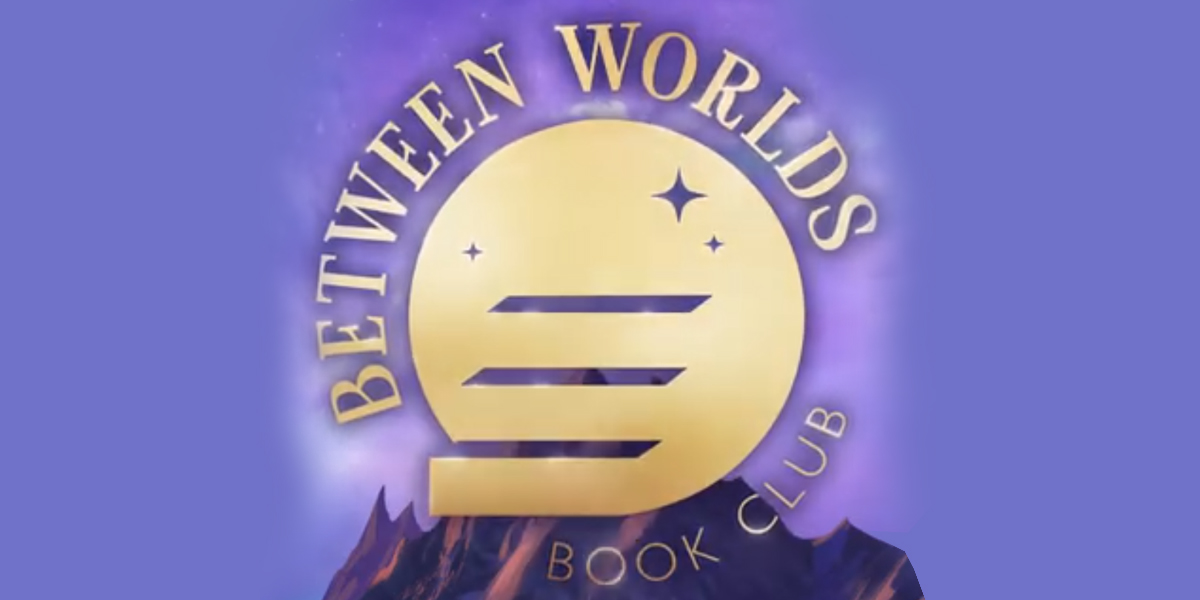
As reported by Maia Snow in The Bookseller, Between Worlds is a new community-oriented imprint that “will publish fantasy, romantasy, dark academia, horror and dystopia as well as requests from members of the community.”
The new imprint was announced via an unboxing video on Instagram, with a caption explaining that Between Worlds “will be kind of like a book club! They will ask readers about their opinions and feedback! So for example, you have a say in what they publish and can even share which designs you prefer and what merch they bring out! ⭐️” All of the imprint’s decisions, from editorial through marketing, will be informed by reader choices, it seems.
Between Worlds’s own Instagram foregrounds the book club part of the project (“A fantasy community and imprint”) and describes their process, which will “use surveys, polls and community discussions to find out what you would like to read … and what you’re tired of! We then find those stories and work with amazing author, illustrators, designers, and booksellers to bring you your next reading obsession.” Community management will flow up through all parts of the process. Whether this works to produce sales or good books remains to be seen, but combining a membership model with publishing is probably a savvy way to boost sales, or at least guarantee a dependable floor on sales figures.
Between Worlds sounds similar to Bindery Books, which is also built around a full integration of members and influencers into the work of publishing. Bindery’s app caters to influencers, folding in affiliate sales and revenue sharing, along with the offer of a co-produced imprint: “Tastemakers with thriving communities have the opportunity to launch a branded imprint fully supported by Bindery’s in-house publishing team.”
I’m not the target audience here, but I don’t recognize any of Bindery’s titles. But I do recognize the types of titles they’re putting out. The vibe of a romantasy cover or a thriller cover is immediately legible: if this is the type of book you read, the cover says, here is another like it.
Again, this is probably a good sales tactic, and I’m not saying I’m above this sort of recognizable marketing. When I spot a book cover with an old painting and the title and author in a solid pastel box, I’m thinking “NYRB” and checking it out. And did I think about dressing as a Fitzcarraldo Edition for Halloween but couldn’t find the right shade of blue clothes? Ask me next October.
But directly integrating this kind of marketing branding into the editorial process strikes me as risky, and pushing things towards a hazy, bland median. And I imagine it will create a feedback loop that will drive their output in one direction. (That so much culture is feeling more generic isn’t just the fault of creative production underestimating audiences taste or capability to handle challenge—it also comes down, at least partially, to the audience itself.) Plus, the shift towards “you sell yourself a book” is another blow for the self-checkout-ification of industries, where labor downsizing and the offloading of work onto the consumer is packaged as choice and community.
I know I’m being naive about how creative decisions have long been made. I know that focus groups are nothing new. And Lord knows I spent enough years as an improvisor to know that art by committee can be great. But I also know that a majority of improv shows aren’t good—they’re bad, even—and that something profound or moving coming out of design by committee is rare. For every story like the movie Airplane! being sharpened by test audience reactions, there are many more Poochies and Europa Jeeps.
With books, giving readers the keys to acquiring new voices and new stories seems ironically risky to me, even though it’s likely motivated by a desire to hedge on editorial risk. A traditional editorial process doesn’t guarantee good books or bestsellers either, but asking a book club to prompt their dream novel introduces more questions for me: How do you maintain variety and diversity? How do you keep things from getting boring? And how will you find a book that will be genuinely surprising?
A memorable book is often the one that you didn’t expect—I’ve rarely been bowled over by something that delivered exactly on my expectations. Maybe these focus-grouped books, that are delivering on a set of wishes and packaged to look like the kind of book you already read, aren’t actually meant to be memorable or challenging books. Maybe they don’t need to be, and only have to exist within the continuum of a reader’s stated taste and preference. I see the logic in making the “customers also bought” section of every webstore into an editorial mission statement. But while not everything needs to be a transcendent experience, why not dream a little, and put resources towards those higher aspirations?
Cover image from @betweenworldsbookclub on Instagram

James Folta
James Folta is a staff writer at Lit Hub and the managing editor of Points in Case. He co-writes the weekly Newsletter of Humorous Writing. More at www.jamesfolta.com, or you can reach me at jfolta@lithub.com.