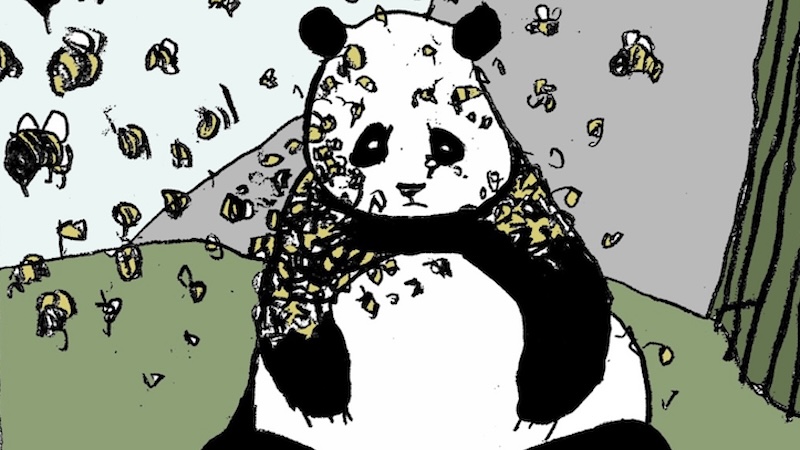
Brad Neely on Embracing Errors When Making Art
“I like art that preserves the rough edges of the person.”
This first appeared in Lit Hub’s Craft of Writing newsletter—sign up here.
Art can take a lot of forms, obviously.
The Beatles producer George Martin once said, “Different horses for different courses,” and I have always lived by that. Different strolls toward different goals. Different norms for different forms.
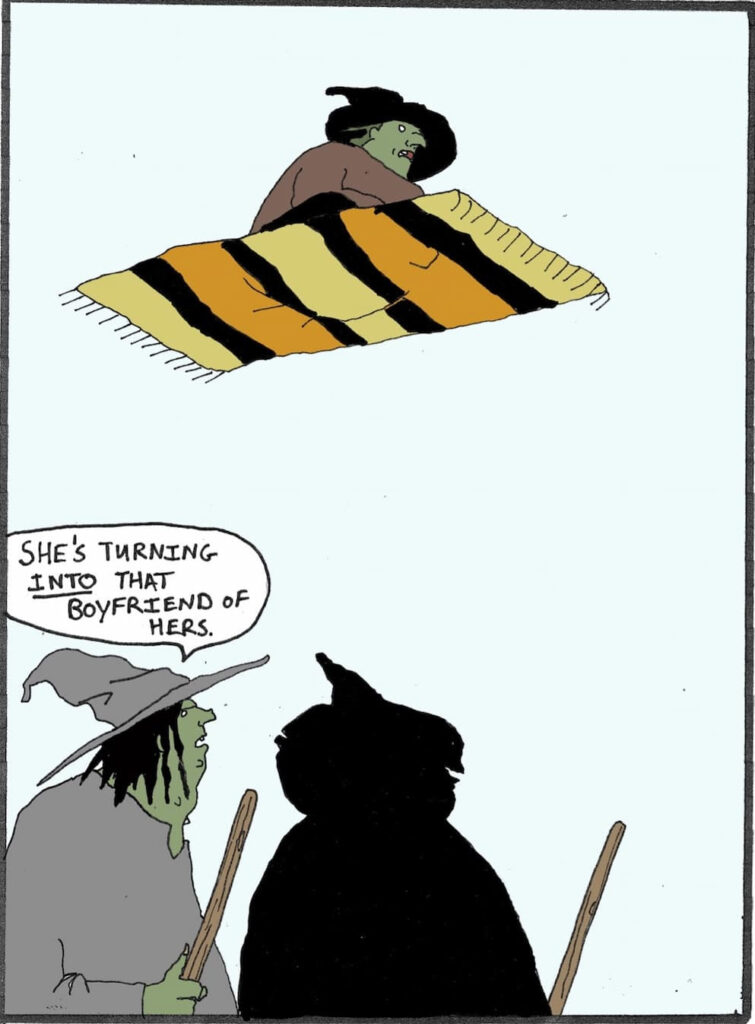
Some art is cooperative, Some not. Some art is meant to communicate efficiently, exactly. Some not. Regardless of its goal, for me, I don’t expect other people’s art to come to me. I go to their art.
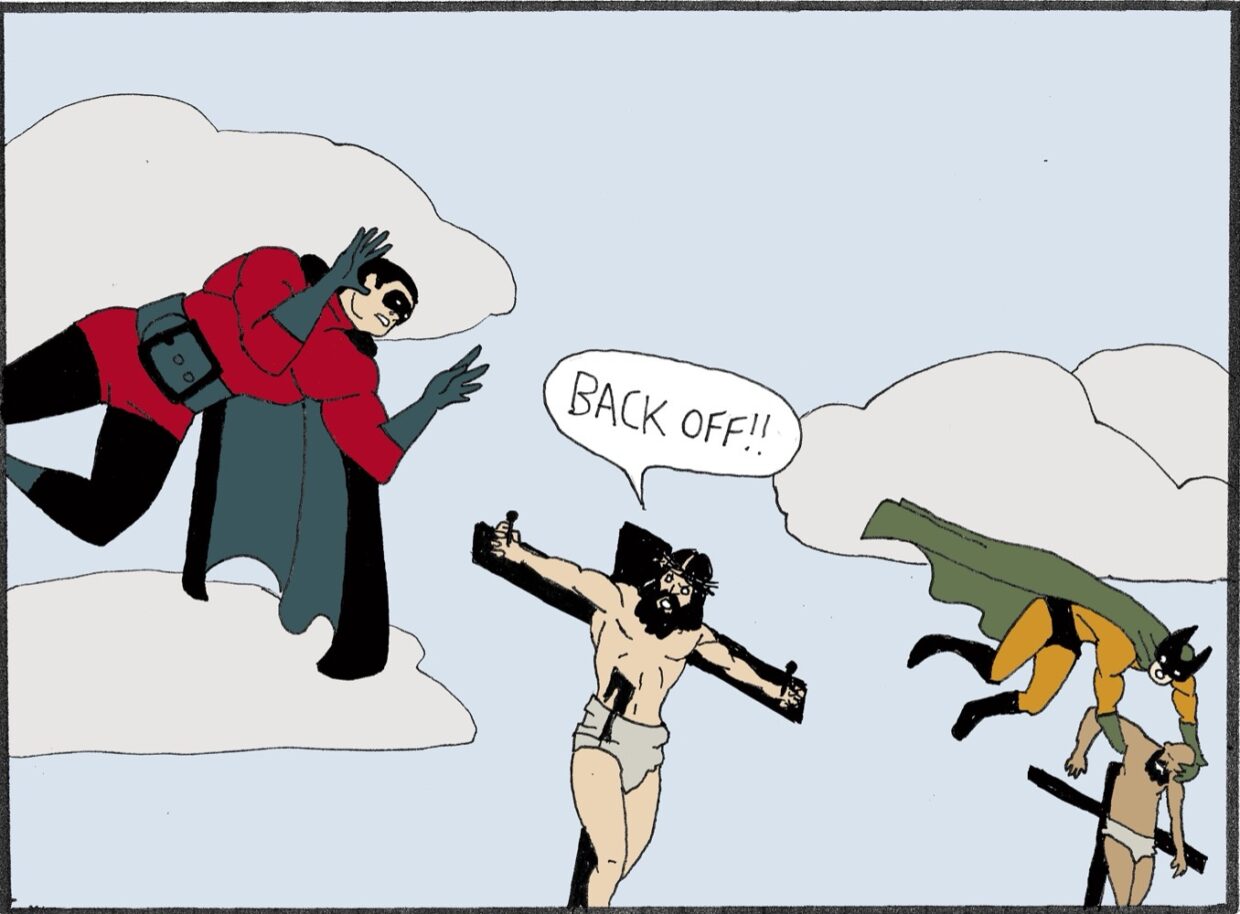
I like art that feels like it was made by a free person.
I like to see how a person chooses things.
I like art before it gets noted and workshopped and homogenized.
I like art that preserves the rough edges of the person.
Polish can be taught, so it’s less interesting to me than that which can’t be.
I like when I can sense how someone really talks, feels, and thinks. I mean consciously so, but also unconsciously so. Every choice communicates. Even the “errors.”
I embrace the errors.
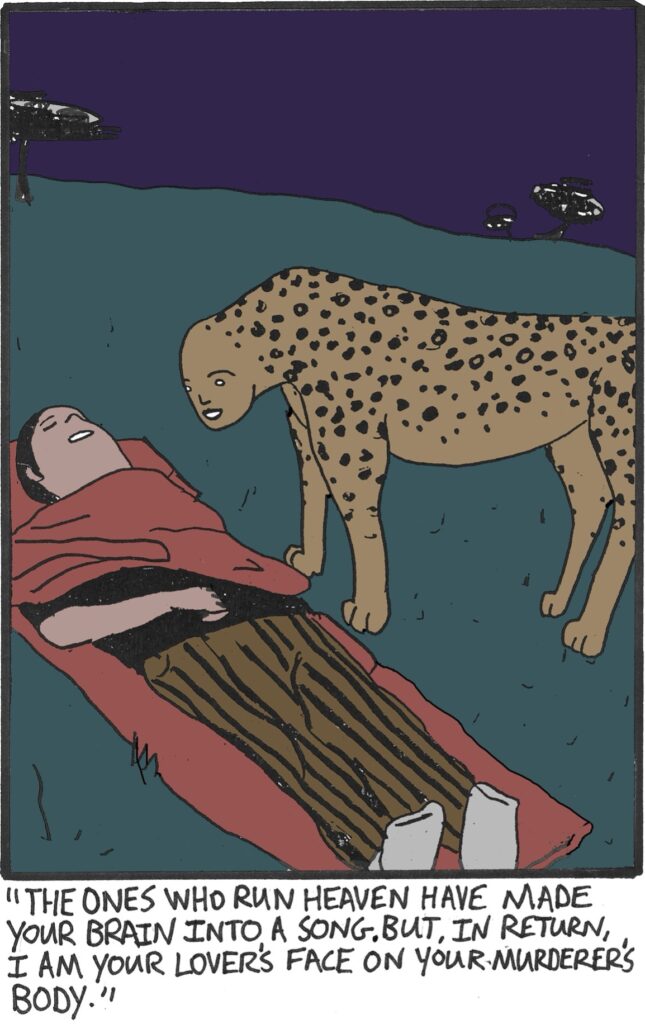
I have a few ways of drawing, and of writing. The thick and chunky line means something. The cleaner, thinner line means something. The loose/flat shapes arranged in a rectangle mean something in their relationships, just as much as the verbal meaning or the obvious ideas at play. What exactly do they mean? They mean something that I can’t add to by explaining it all. They are their own meaning.
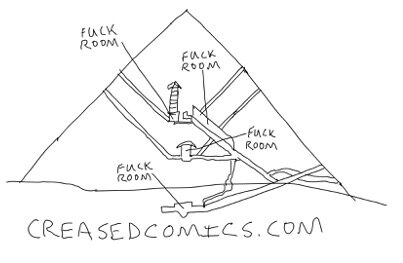
Each person has their unique set of experiences.
Sure, it overlaps with those of others.
Sure, we all share so much, being from the same species. I love what we share.
But which is more important for art? That which we share or that which is unique to the single being? A bit of both, I think. But I love individuals. I like art from artists who maybe were more into their selves than their audiences. Some people call that masturbation. I say masturbation is pretty interesting.
When I’m writing and drawing what I call “my art” it must be initially completely for me, or I can’t even do it. I engage in other forms of expression, like TV, where it’s much more collaborative and “audience serving,” and that can be fun. But it’s not art to me. It’s artistic. But it feels more like playing basketball with rules and audiences and cooperation. While art is about the self-expression of a single soul. I love it when I can hear someone’s unedited voice. It’s special to see someone’s hand’s first instincts. What can look like errors, to me, look like nerve endings.
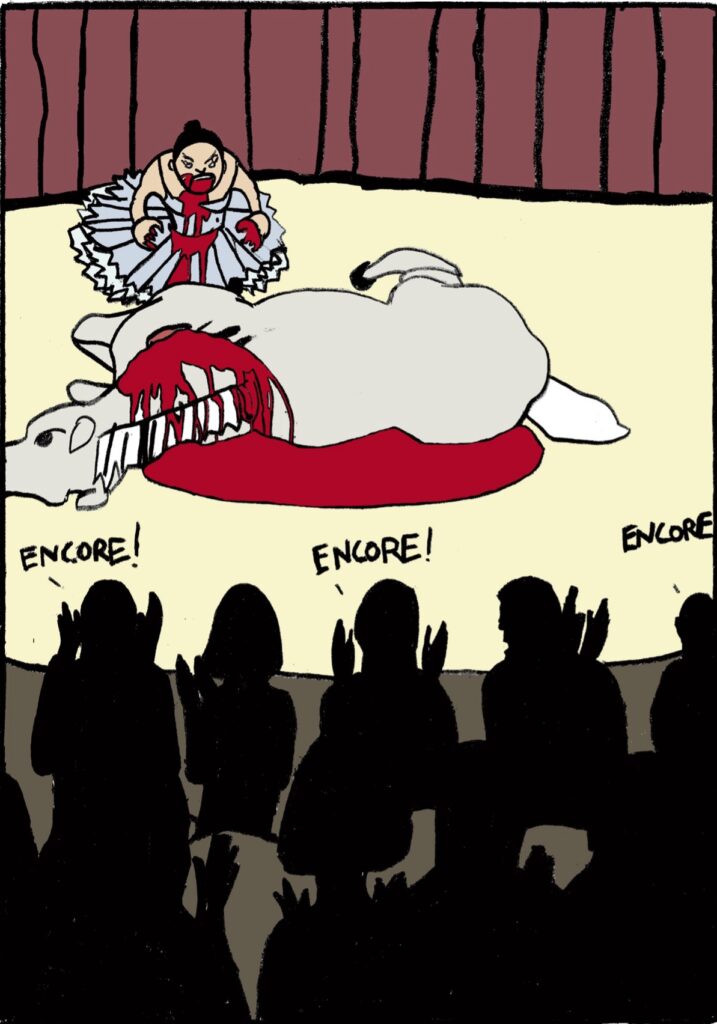
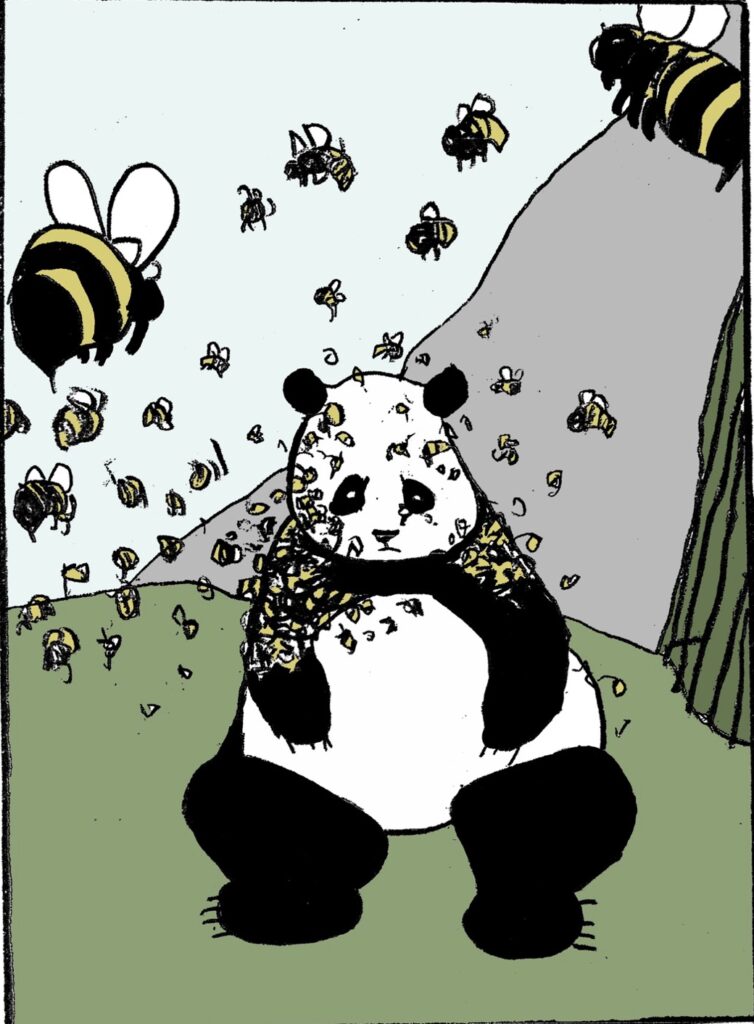
When I set to work, I like to try to open up on the inside and let my unconscious drive as much as possible. Often, I do a drawing and then realize what it means. Sometimes it’s the dialogue or the caption that comes out first and then I must interpret myself with visual aids. Jokes and humor, I feel, come from the same depth as the deepest emotions. It’s a nervous energy that can blurt out in the most curious ways. Sometimes something from deep down in my dark well bubbles up and it is funny to me, but I can’t say why. So, I make a drawing of it. And then it’s such a treat to find that it somehow is also funny for others, too. This is what Creased Comics is for me.
______________________________________________
Creased Comics by Brad Neely is available via New York Review Comics.
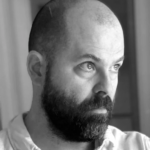
Brad Neely
Brad Neely is the creator/showrunner of the TV series: China, IL and Brad Neely's Harg Nallin' Sclopio Peepio. He was a writer for South Park and got his start with internet hits like "George Washington," Baby Cakes, The Professor Brothers, and Wizard People, Dear Readers before writing his novel, You, Me, and Ulysses S Grant. He lives in Burbank CA with his wife and kid.