As Book Criticism Disappears, the Booksellers Are Stepping In
Talking to Josh Cook, Bookseller and Founder of the Porter Square Review of Books
From my desk at the bookstore where I work, I can see most of fiction and all of our new releases, the poetry section by the front door, the edge of world history. I watch people bend down to examine shelf talkers and I hear them chat with their friends (or family, or lovers, or even sometimes strangers) about this recent book they devoured or what they’ve heard about that beloved classic. From my desk at the bookstore, most days, it doesn’t feel like the industry is in the middle of a crisis.
But for all of the good vibes, there is a specter haunting books and bookselling—several of them, really. Sales at indies might be better than ever, but we’re still climbing out of the Amazon-shaped hole. The list-ification of the few remaining major outlets for literary criticism troubles even its purveyors while a generation of readers has come up on Goodreads and learned the worst habits of critical thinking (or the lack thereof) from it. The publishing industry is beset by AI, from within and without. And that’s to say nothing of the very real threats to free expression coming from Republicans at every level of government right now.
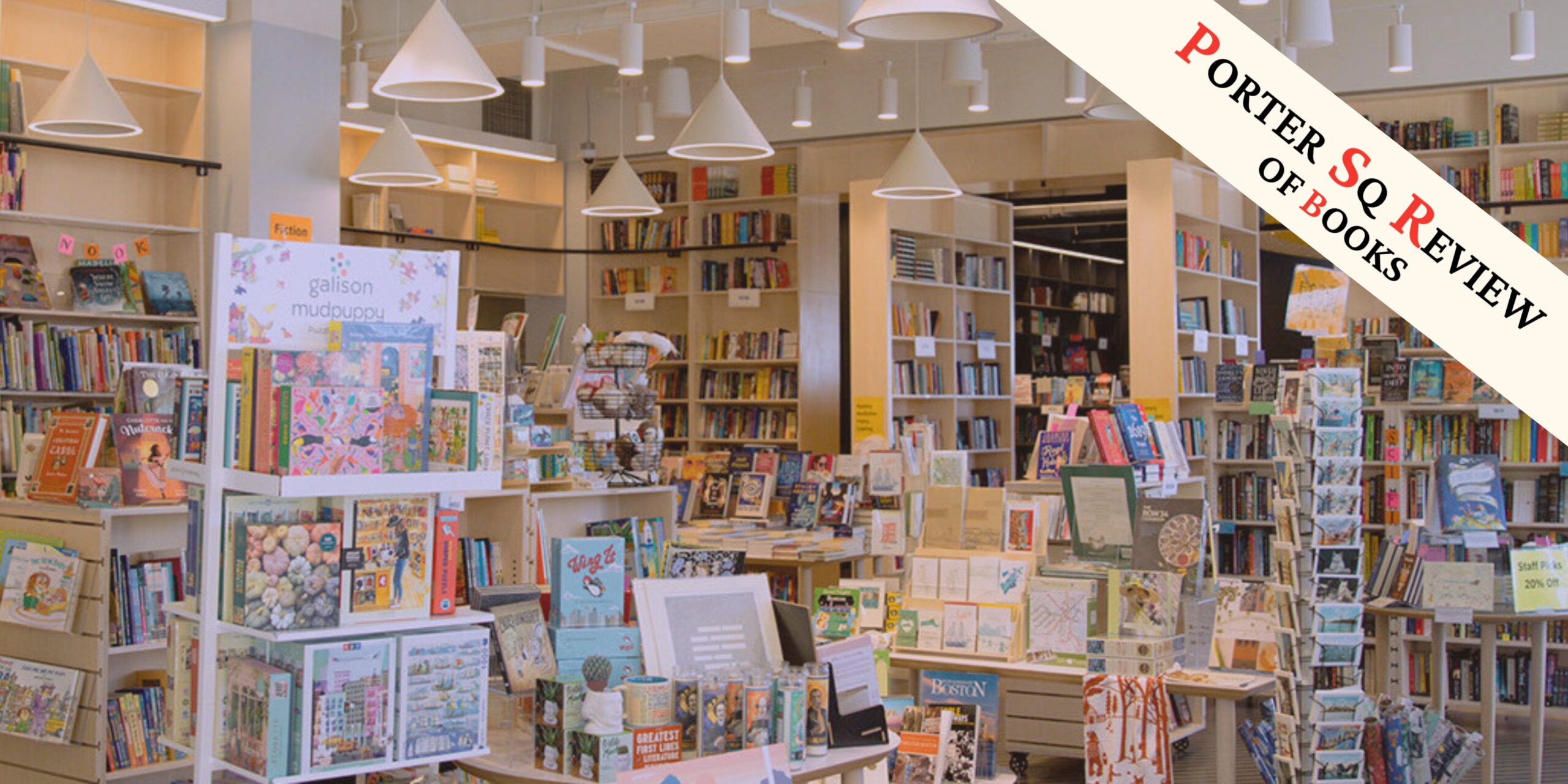
In the early days of the second Trump administration, Josh Cook of Porter Square Books in Boston wrote a series of essays for this website about ways that the publishing industry—all facets of it, from writers to publishers to bookstores—could step up in the face of these threats both internal and external. I have been waiting since then to see who might answer the call, what it might look like for a publisher or a bookstore to actually try something bold and new—and it shouldn’t come as a surprise that one of the first people to step up is Josh himself: Porter Square has recently announced, under his guidance, the Porter Square Review of Books.
“ Papers cutting book review inches has always struck me as odd because people who read newspapers are people who are reading!” he said as we chatted a few weeks ago from the back of our respective bookstores. “But that made me think that this was something we could do, because essentially all of [our booksellers] do a little bit of the book review process all the time, whether it’s preparing for hand-selling or choosing staff picks or the buyers actually making selections.”
“Booksellers are already reading, already thinking with some critical engagement about what makes a book work and why they enjoyed it.”
It’s true that your friendly neighborhood bookseller is probably the closest thing your community has to a local book critic, especially now that nearly all local papers have eliminated arts criticism of any kind and the major papers have followed suit. But outlets for booksellers to actually flex their critical muscles are few and far between: even opportunities like the Indie Next list or the handful of publishers who solicit bookseller blurbs or even a particularly robust staff picks section aren’t really going beyond the superficial, the couple-of-sentence “I loved this book!” cheerleading. What’s more, none of those spaces are traditionally edited—as both of us are aware, having both had Indie Next blurbs go to print with typos.
Introducing his staff to an editorial process has been, by Cook’s account, a joyful one in its own right. “Something happens once you’ve let another brain work on your text,” he said, just before leaning off-camera to tell one of his staffers how much he was enjoying their latest effort and encouraging them to keep going, to dig deeper. “And again, one of the main reasons why this could work is that booksellers are already reading, already thinking with some critical engagement about what makes a book work and why they enjoyed it, so that part at least isn’t gonna be extra work for anyone. The only work is bringing the review itself up to kind of a professional standard, and that’s what we’re paying for.”
That the Review is paying at all is a positive—$50 a review, which is (wonderfully or horrifyingly, depending on your angle) one of the better going rates for criticism on the internet these days. Cook has long espoused not suggesting anything he wouldn’t do himself and he’s rolled up his sleeves as editor-in-chief, although that (he tells me) is a bit of a deceptive title as, at present, he has no plans to start assigning people titles and instead hopes the Review will be driven entirely by the whims and interests of Porter Square’s bookselling team as well as their ongoing Writer-in-Residence program.
The resulting largely positive bias in terms of critical tone is something Cook sees as a benefit. When I asked him about negative reviews, he looked away for a moment and then shrugged. “If a bookseller really wanted to read the entirety of a book they are not enjoying, that is not feeding them, and then write about it in a review, I’d absolutely take a look at that. Because the thing about a really well-done negative review is that it will sell the book to different types of readers.” He cited former NYT critic Michiko Kakutani as a great example of a critic whose pans could still sell a book, ”could still describe [it] in such a way that I could see the things that I would connect with, even though she had her own qualms or disagreements.”
But he doesn’t expect much, if any, of that for the PSRB—and when I asked him more broadly about his hopes and expectations, he remained open. “There aren’t enough book reviews, so we’re going to try to do something about that. If it takes off and sells a ton of books, fantastic. If it, like, “mids” off and sells some books, but mostly influences other people or helps the booksellers here have a deeper engagement with some of the texts that they read, also great. And if it fails… lots of things fail. We’ll just take the website down and go try something else. But it’s nice to build something.”
Booksellers are an inherently hopeful bunch, as it turns out—infectiously so. I confess that, since this conversation, I’ve been wondering how I might do something like this with my store or in my region. I have the funny feeling I’m not the only one. Maybe the Porter Square Review of Books will be the first in a long line of bookstore-led reviews that revitalizes the critical ecosystem in this country, or maybe it’ll be little more than a lark for the staff of PSB and the communities they serve in Boston and Cambridge. Either way: it’s nice to build something. I hope more people follow suit.

Drew Broussard
Drew Broussard is the bookstores editor-at-large for Literary Hub and the host of The Lit Hub Podcast. His writing has appeared around the internet and in friends' mailboxes. After a decade working at The Public Theater, he decamped to the woods of upstate New York, where he now lives. He is the manager of Rough Draft Bar & Books in Kingston, NY.