An Ode to Pro Wrestling, the Ultimate Underdog Story
P. Paramita on the Performance of Wrestling
People can be surprised when they hear that I wrote a novel that centers professional wrestling. Someone like me–a Brown person raised in Bangladesh in their early 30s–isn’t what one thinks of when it comes to the typical wrestling fan. It’s fair to assume that the target audience for pro wrestling is cishet men given that most mainstream wrestling companies are run by white guys in suits who set up big beefy men to yell about their masculinity and fight each other. But there are subtle nuances there too. Wrestling can attract lonely 20-somethings, misunderstood outsiders, and creative weirdos. As a fan, I have learned, the nature of wrestling as a performance of gender, physicality, and drama ultimately makes it the perfect sport for those whose stories are underrepresented.
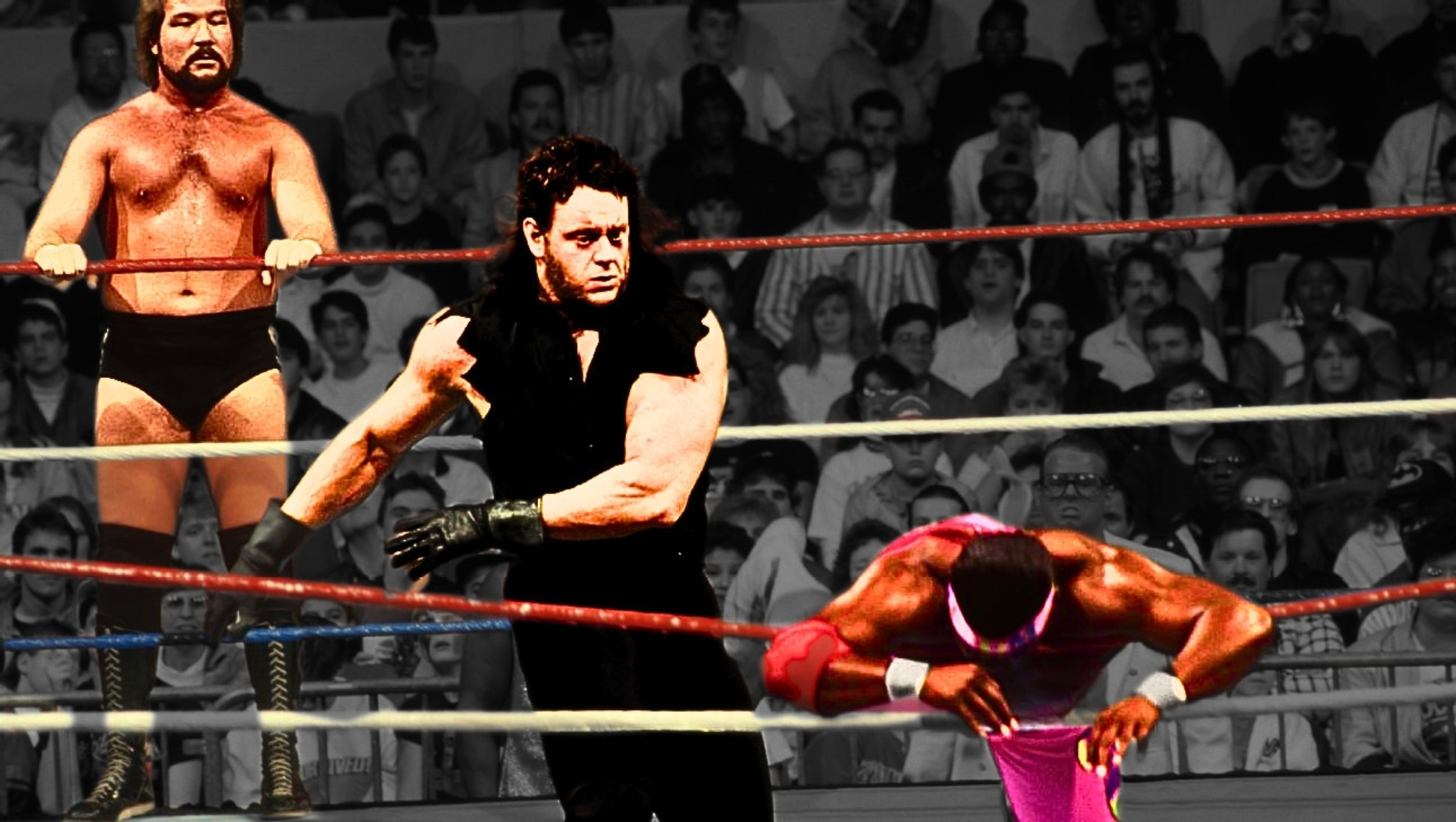
I found wrestling as a kid in the early 2000s, an only child who didn’t have a lot going on and wanted entertainment and outlets for my imagination. The first match I watched introduced me to the concept of death. Survivor Series 2003 featured a match starring the gigantic, intimidating wrestler known as The Undertaker. The Undertaker, whose gimmick was “the Dead Man,” was literally buried alive by his onscreen brother Kane (yes, like Cain), in an act of fraternal revenge.
Initially I only watched men’s wrestling. Part of that was, now I realize, repressed gender envy.
Such a blatant display of violence was extremely new to me. A vampire-esque man being conquered by his evil brother was more surreal and captivating than any television show I had ever seen. I was hooked on finding out what would happen and if the good guy would prevail. (Sure enough, a couple months later, The Undertaker rose up from his casket and took Kane out.) Wrestling continued to stay with me because it was perfect for a nerdy, bullied kid who was having trouble expressing frustrations and desires; I found solace in a sport where the good guys came out looking stronger.
Initially I only watched men’s wrestling. Part of that was, now I realize, repressed gender envy. I was obsessed with the show of muscles, the carefreeness with which they were able to life and throw each other, and how commanding their voices sounded. But it was also the program itself, casting women aside and keeping them around only as eye candy. What’s more, the racial dynamics were deeply uncomfortable, with the heels often being played by people of color portraying racial stereotypes. I gave up watching wrestling for a few years, but it was the rise of women’s wrestling that brought me back.
Around 2015, wrestling fans started a social media movement to persuade the WWE to give female wrestlers a bigger stage, and the company started to listen. Women began getting more legitimate screen time and storylines as well as longer matches. At the same time, the women’s–and men’s–roster also started evolving more to include wrestlers of color, LGBTQ+ wrestlers, and wrestlers of different body types. Naturally this era of more screentime for underrepresented wrestlers and stories brought more diverse people into the fanbase.
The first time I saw wrestling live, at TD Garden in Boston, was the first show where women had main evented one of WWE’s Premium Live Events. The whole audience was on their feet, holding their breath. The entire arena echoed with the most emphatic chants as the women performed: “This is awesome!” Men, women, children, gender nonconforming people were invested, holding supportive signs, many of them wearing the women’s merchandise. This was something I would never have imagined growing up. The women had converted the fandom. Times had changed. We were finally allowed to see them wrestle as well as, if not better than, the men.
The strength of fandom and communities that are created by a shared love for something can be full of joy.
I could not stop thinking about the experience. I made a Tumblr account dedicated to women’s wrestling and posted asking for followers of diverse backgrounds, and fans of women’s wrestling in particular. The response I received was phenomenal. Messages started flooding in about how much women’s wrestling had inspired people, how witnessing these women’s tenacity and perseverance had helped them with their mental health, how they had learned so much from watching wrestling. Every day I logged on and discussed the day’s events with my new friends. We liveblogged the events, made GIFs of the noteworthy action, and critiqued wrestlers who were problematic offscreen. During senior year of college and the loneliness that followed, the community I found through fans like me helped me keep going.
That community is what inspired me to look to wrestling when writing my debut novel, Appetite. Zarina becomes less lonely when she finds other fans of her favorite wrestler Sierra Myst and her world expands. The strength of fandom and communities that are created by a shared love for something can be full of joy. Add in a sport element, and the feeling of sharing the joy of winning with fellow fans of the same team or athlete is intoxicating. And hey, trash talk is really fun too!
Wrestling is a drag performance. Pulling on tight leather pants, covering one’s face with face paint, taking on a persona that is so far from their own allows wrestlers to experiment with character, try on costumes, and carry out a storyline through dialogue and action that helps them learn what works for the audience and what audience members connect to. Wrestlers work hard to make sure the chemistry between babyface and heels pay off in a way that makes the viewer feel invested. They act as dance partners to ensure they’re putting on a memorable match. And when those performances star people beyond the traditional big beefy cishet white guy, the fandom is imminent. If you’ve never watched a wrestling show, now’s the time. It’s cool, it’s weird, it’s unpredictable. Check it out, find your wrestler. Root for them through ups and downs. I promise you won’t be disappointed. In fact, it might expand your world beyond what you could ever have imagined.
__________________________________
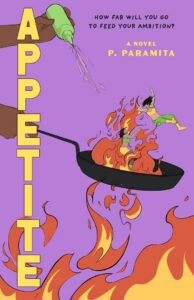
Appetite by P. Paramita is available from The Dial Press.

P. Paramita
P. Paramita is a Bangladesh-born, New Haven-based writer, professor, and pop culture enthusiast. Paramita’s work has appeared in Teen Vogue, them, Color Bloq, Autostraddle, Southampton Review, and Dogwood Journal, where she was a finalist for the Dogwood Literary Award in Nonfiction.