Am I the Asshole For Not Wanting to Do an Author Photo For My Debut Novel?
Kristen Arnett Answers Your Awkward Questions About Bad Bookish Behavior
Hello, it’s great to see you! Welcome back to another joyous installment of Am I the Literary Asshole?, an advice column that’s so full of beer that it should technically be called a keg (or a ravioli). I’m your host, Kristen Arnett, and I’ve spent this week at jury duty. Lemme tell you, there is a lot of good people watching at the court house. Lots going on! For instance, somebody pulled the fire alarm after attending traffic court and we all had to evacuate into the rain. They were SUPER pissed. If I don’t come out of this with an idea for a short story, then I’ve failed as a writer.
Boy, do I need a drink! How about we shake up a couple of frosty martinis and sip them while we check out our first question of the day?
Off we go:
1) I’ll cut straight to the low-stakes, clown-car chase.
I am an individual with (very late diagnosed) ADHD so in some ways the traditional rules and forms around writing which sometimes reflect traditional norms around how to think of the world and humans etc I really struggle with. Is it okay to break the rules sometimes and not think about craft. I guess in a way I feel like an asshole for not sticking to the rules and sometimes, somehow with luck getting away with it?
I feel like an asshole that I’ve had enough luck to get into magazines with people who have spent money on traditional MFAs and tons on workshops. And worked really hard. Whereas I just write sometimes and lightly edit and don’t really think too much.
Don’t get me wrong I do listen to craft talks and read essays and watch YouTube clips etc here and there (actually regularly) and I’m even trying more workshops. But a lot of the stuff I ignore. Am I the asshole for taking it easy? I feel like there’s a threshold for taking craft seriously that I’m not meeting and it makes me feel like a literary asshole. Or maybe I’m just shaming myself for my difference and it’s a bit of clown imposter syndrome.
Hello, friend! Thanks for writing in with this one.
As usual, my librarian brain is busy digging into the meat of this, basically figuring out the question-under-the-question of your message. Because I think this has less to do with “breaking the rules around craft” and everything to do with your “clown imposter syndrome.”
There is no one “right way” to be a writer. People come to this special calling from every walk of life. It’s what makes art so interesting! Artists have a variety of lived experiences, different brains, myriad ways to think about the world. You’ve come into writing from your own personal path. The fact that you don’t utilize “traditional” methods of craft doesn’t mean that you’re not implementing style and form. Plenty of people who write don’t have an MFA (I include myself in that number), but I see that you’ve still taken part in the literary community. That’s the bigger thing, I think. You’ve stated that you listen to craft talks, read essays (ostensibly on craft), watch YouTube clips on craft, and even attend craft workshops. This is, effectively, you paying deep and good attention to form and structure! You’re already doing the work.
It seems as though you’re worried that because it feels like it comes more easily to you that you’ve skipped a crucial step in the process, i.e. focus on the minutia of traditional publishing structures. “Thinking about craft” can actually mean a lot of things. It’s not all tied up in degrees and following an established playbook (though I want to state that an MFA is also great and can supply a lot of help for writers; each writer’s path is different). Many writers I deeply admire are making art that flies in the face of traditional structures. Friend, you’re doing just fine. Keep moving and working in ways that are bringing you joy when it comes to your art. You’re not missing anything important. You’re reading, you’re writing, you’re making the literary world a better place to be.
From one clown to another: keep on smiling! You’re killing it.
Another martini? Cheers, onto our next question:
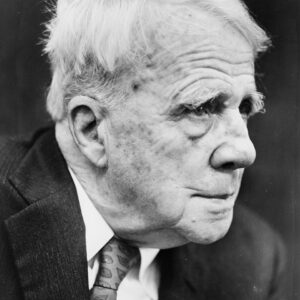
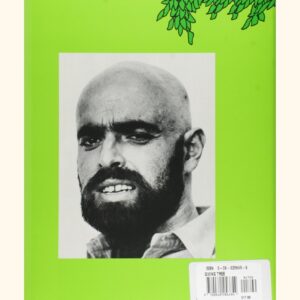
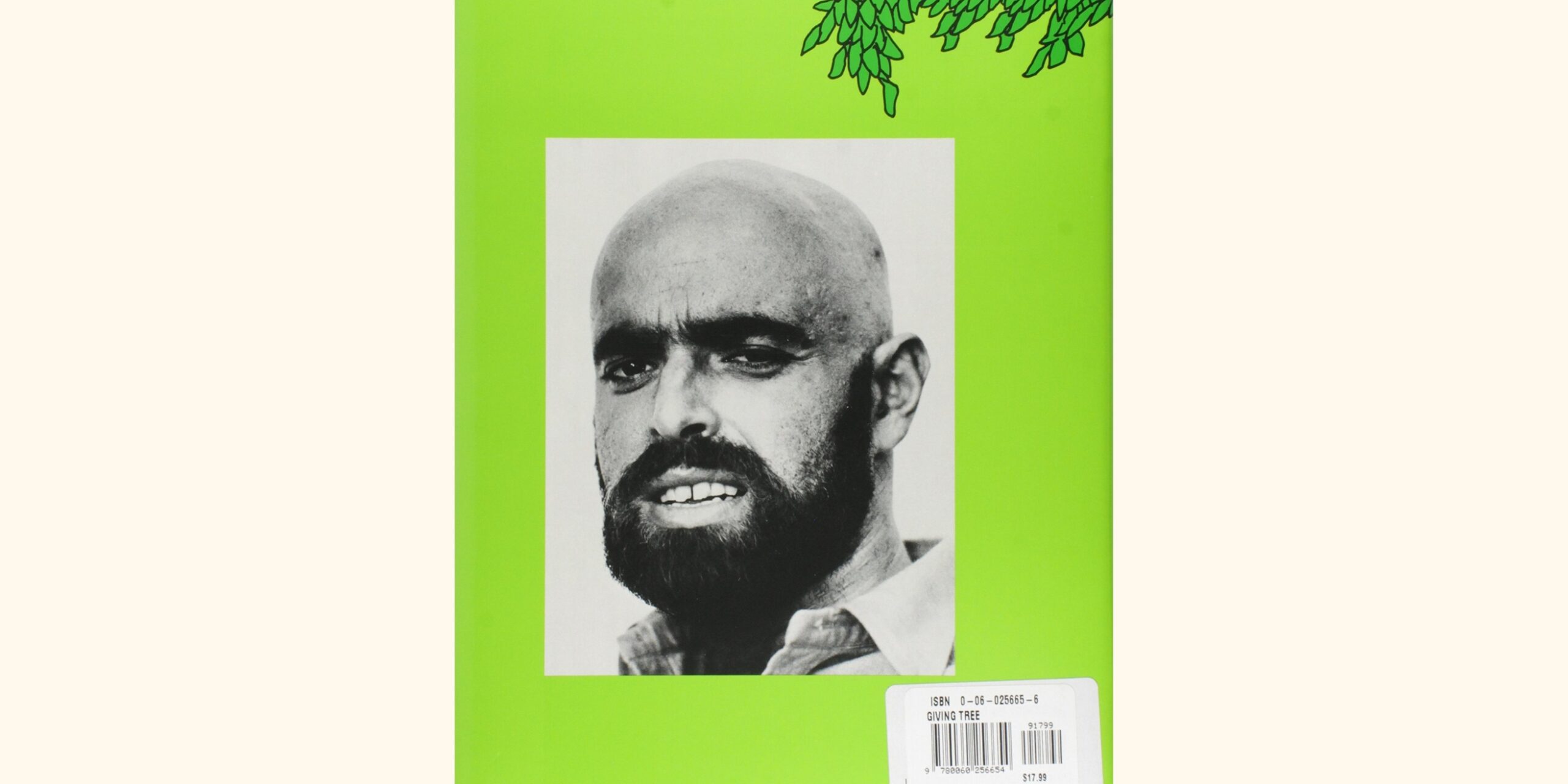
2) Book promotion is exhausting (and the book isn’t close to being out) but why do I need to have an author’s photo? Look, no one is buying this book because a so-so looking white dude who’s clearly neither young nor old, wrote this thing. Seriously. I’m not trying to be Pynchon. I’ll do a million events, a million interviews, whatever, but why does my photo have to be everywhere? It just feels very weird. Part of the point of writing a book was de-centering myself and my experiences and my worldview and making something bigger, and now it feels like it’s all about me in a way that just feels icky. Also for a first book, it doesn’t feel like I can complain about anything or they’ll just rip up the contract and walk away. I really just want to fade into the background and write another book (I enjoyed that part).
Our first question about author photos! I’ve been waiting for this one.
So much of our writing time is spent in solitude, just ourselves and the page. It can be easy to forget that we even have a body! But when it comes to publication, that’s a whole other story. It’s social media, promotion, and yes, even headshots.
Basically, publishers want to put a face to that book, to help promote it in a way that is also promoting YOU. In theory, you’re not just the writer of this one specific book. You’re the writer of future generations of books, a person with a body of work out in the world. Author photos are there to help the reading public put your face to that body; to allow people to get to know who you are as a person. Granted, a picture can’t really tell us much aside from general looks. But that’s all the promotional stuff, not the art stuff. And publishers really want it.
It’s totally possible you don’t have to do an author photo. But you’re right, saying no to a photo means you’ve got one less big veto in your pocket when it comes to dealing with future asks from your publishing team. Much like I discussed last column when it came to vetoing blurbs, you only get one real shot to say no to something before it becomes a huge issue. Make sure that this is the one thing you’re willing to go to bat over.
Also, I want to stress that an author photo can reflect who you are and what you want to show to the world. Maybe you want to have one taken with your pet. Have it taken out in nature. Side profile. Funny photo with a clown nose. You get to decide! Maybe if you’re able to make it more your own thing (and not something that feels stiff and out of character) stuff will feel a little easier.
Something to consider!
Another martini before we call a cab? Onto the final caller:
3) Maybe a dumb question, but here we go: my friend wrote a short story with a character that reads a lot like me. Similar physical descriptions, same upbringing, etc. And this character acts like a real a**hole in the story. Like really bad attitude, but also does some unspeakably bad things in this story. My friend read it aloud recently at an open mic night and it was so embarrassing, I felt like everyone was staring at me. Should I confront them? I feel like they must really hate me to write about me like this.
Oh yikes!
There are a few things we can get into here. One is that it might not be you in the story. In fact, we know that it’s not you in the story, really, because it’s a fictional character. Even if this friend of yours wrote in stuff that sounds almost identical to you, you can rest assured that it’s not YOU you. Because you’ll never be a fictional character! You’re a real person, with a real life, and very real feelings. So take comfort in that.
But yes, it would be unsettling to know that someone you care about wrote a jerk character who sounds an awful lot like you. It’s possible that this friend of yours wrote the character and didn’t even realize they’d done it! Especially if they had the guts to read that bad character in front of you. It would take a real asshole to do something like that. So, I can’t see a true friend doing this on purpose.
I mean, sure, it’s possible they used you as a template. Picked you as an outline and then fictionalized from there. If it’s something that you feel is going to continue to negatively impact your relationship, I don’t think it’s a bad idea to sit down with them and just ask them about it. Clear the air. Odds are that they’ll apologize and say that it was just a misunderstanding. So many things can be cleared up with a little conversation!
Of course, if they take this opportunity to air their many grievances with you? Take that as a sign to find new writer friends.
And that’s all the time that we have for today, folks! See you back here soon with more anonymous questions (send me yours HERE) and plenty of booze. And love!
Yours drunkenly,
Dad
__________________________
Are you worried you’re the literary asshole? Ask Kristen via email at AskKristen@lithub.com, or anonymously here.


Jonny Diamond
Jonny Diamond is the Editor in Chief of Literary Hub. He lives in the foothills of the Catskill Mountains with his wife and two sons, and is currently writing a cultural history of the axe for W.W. Norton. @JonnyDiamond, JonnyDiamond.me