A Mirror to Society: On Lee Friedlander’s Many American Christmases
Peter Kayafas Considers the Photographer’s Unique Perspective on a Multifaceted Holiday
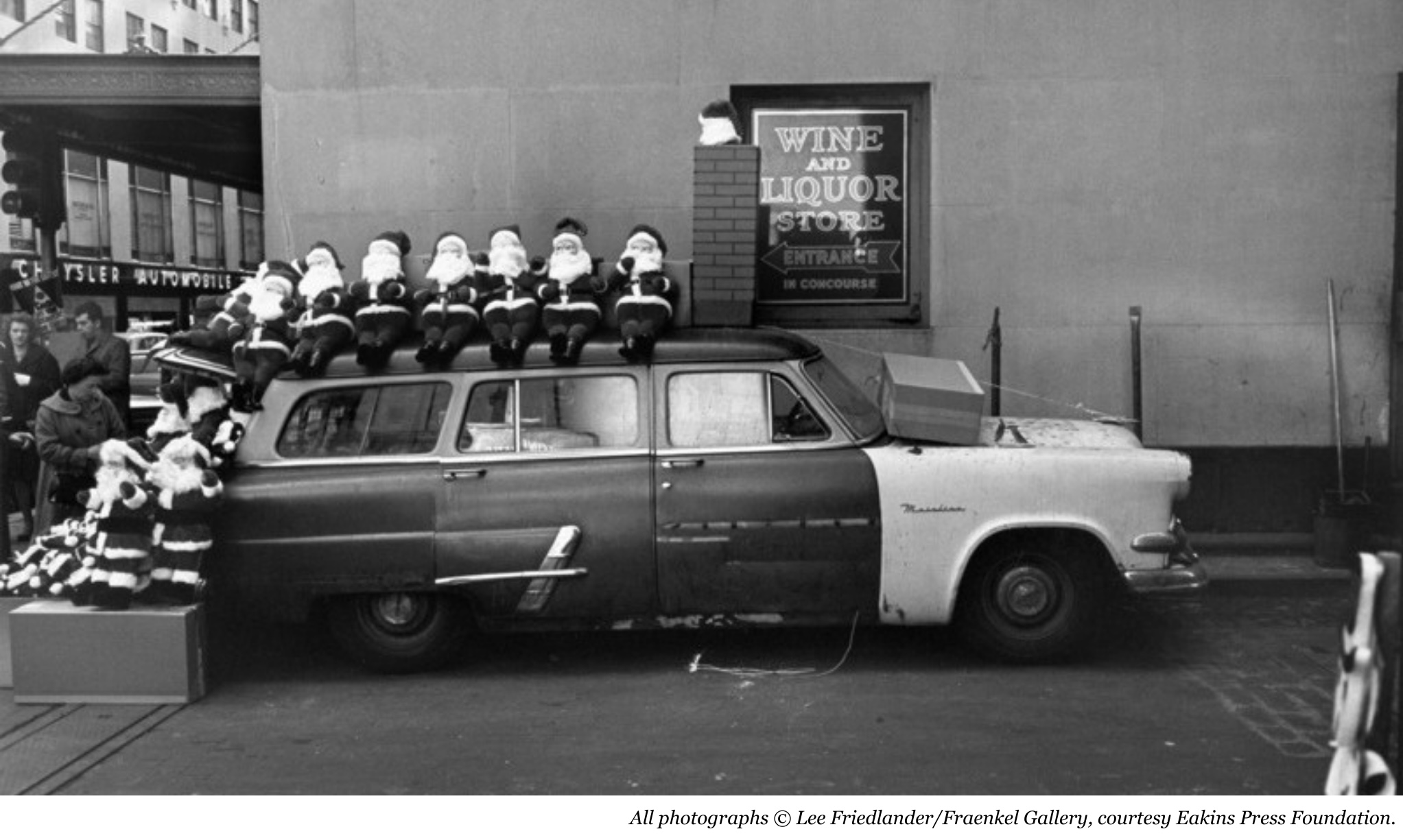
Whether or not you’ve celebrated Christmas at any point over the past seventy years—roughly the period covered by these photographs—you have no doubt encountered some of the things Friedlander shows us here. As in all of the work he has made, the facts arranged unmistakably convey his version of Christmas, his version of the world.
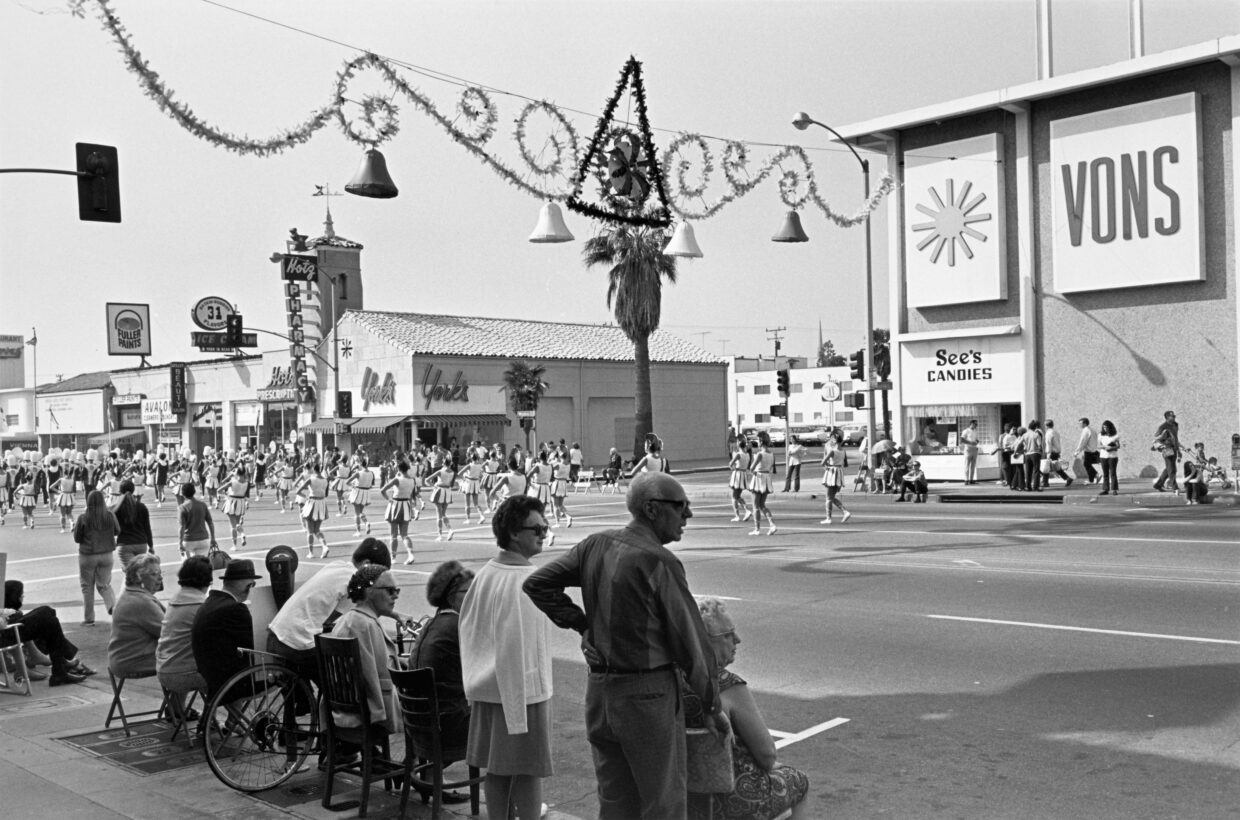 Los Angeles, California, 1970.
In lieu of holding forth on what that means—which would do a disservice to the pictures—it’s worth considering a few things about how Christmas in America looks in the eyes of the great artist of the social landscape, because, after all, what defines a social landscape better than the things we all have in common—by circumstance, religion, inheritance, or commerce? A few words about Friedlander’s take on all this come to mind: plastic, disposable, cheap, timely, earnest, ceremonial, elaborate, ubiquitous, sad, beautiful, true.
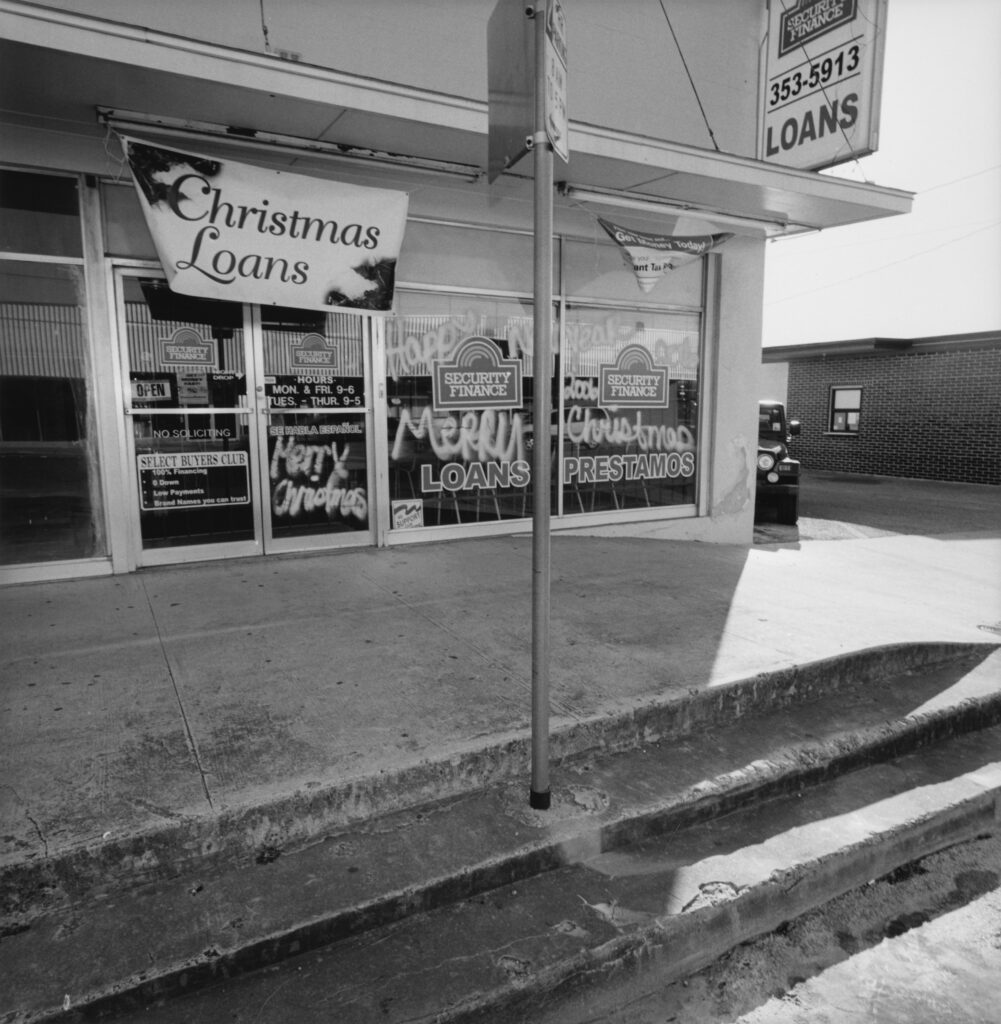 Texas, 2006.
It’s also worth noting that while there is critique in these photographs, there is no moral judgment. While there are anecdotes that may embarrass the viewer, they are not the construct of the photographer so much as they exist in the eye of the beholder. If you can find the high holy celebration of the birth of Jesus Christ manifested here, more power to you. If what you see instead is a revelation of our nation’s essential, quirky visual character, then you’re the audience for this book.
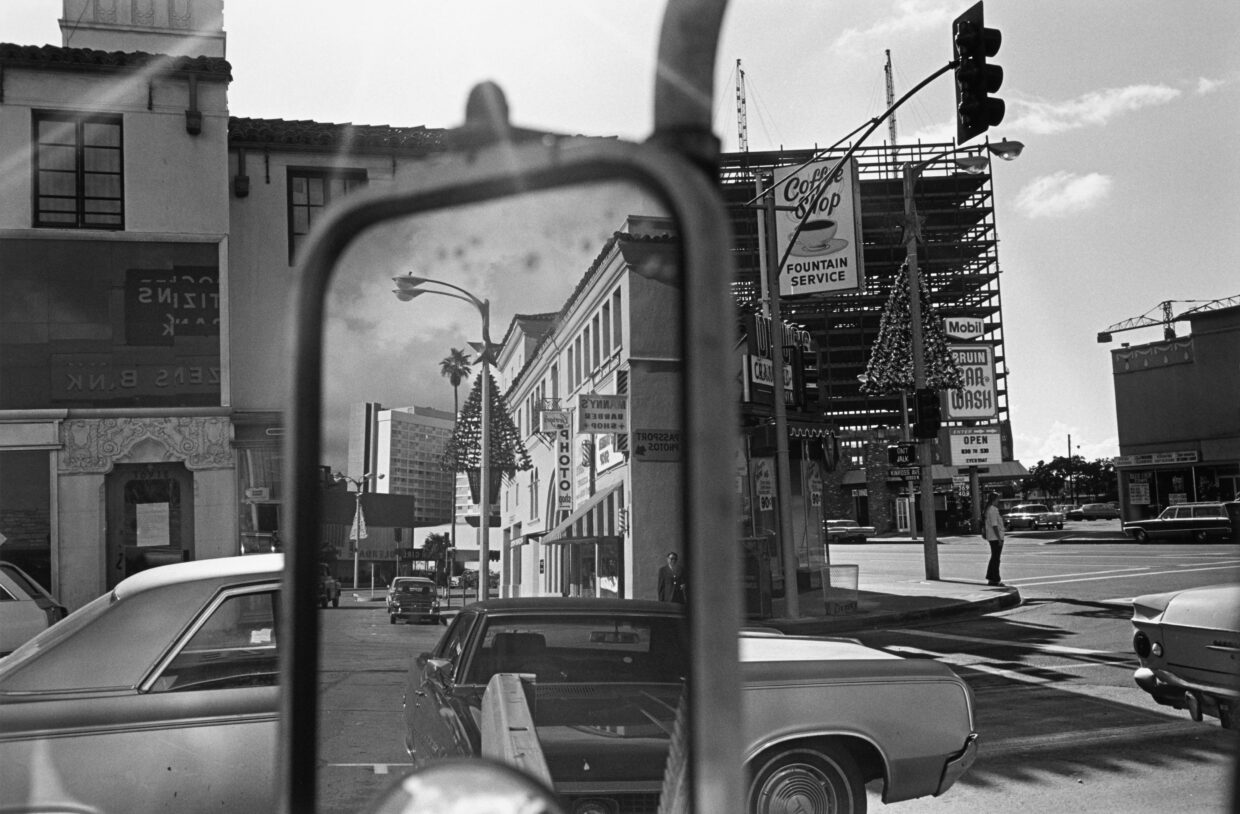 Los Angeles, California, 1970.
Is Christmas in America a religious holiday? A commercial precept? An ironic commentary? A misunderstanding? An indulgent blasphemy? All or none of the above? In these pictures, the only thing certain is that Christmas has provided an opportunity for the people’s photographer to hold up a mirror—and make no mistake, it is Friedlander’s mirror—to a diverse, flawed, inventive, preoccupied, and spectacular society.
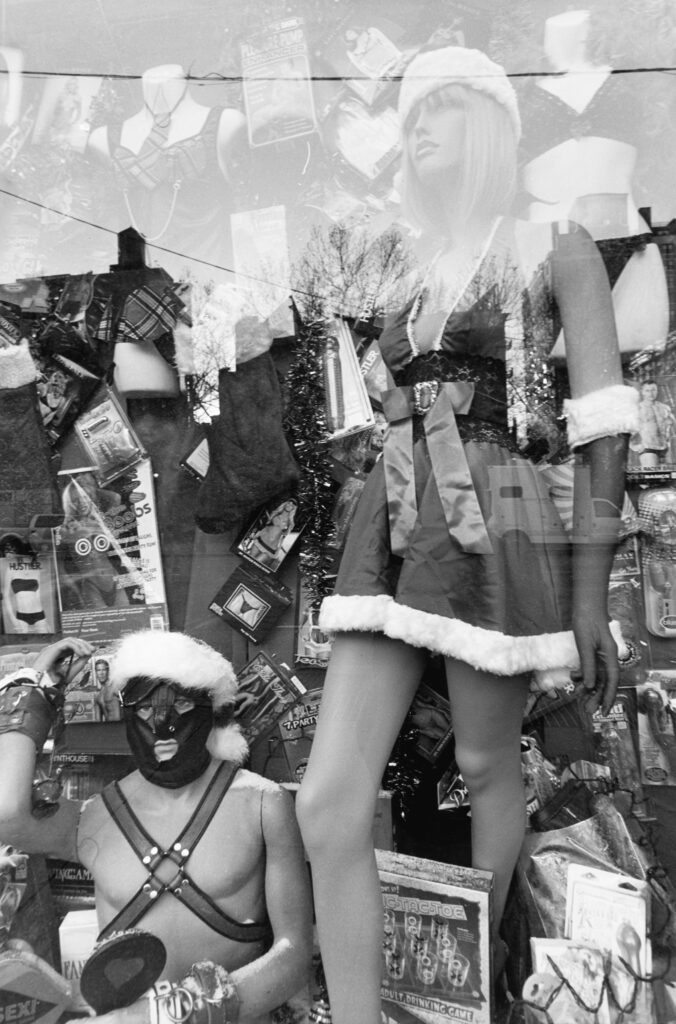 New York City, 2010.
And what about that tree we cut down in its prime, drag into our homes, or prop up in our public squares? The tree of life? The first Christmas trees were said to be decorated with apples in an allusion to Adam and Eve, who, in some interpretations of the Christian faith, are thought to have shared a name day on December 24. What to make of the discarded trees in those first days of the New Year?
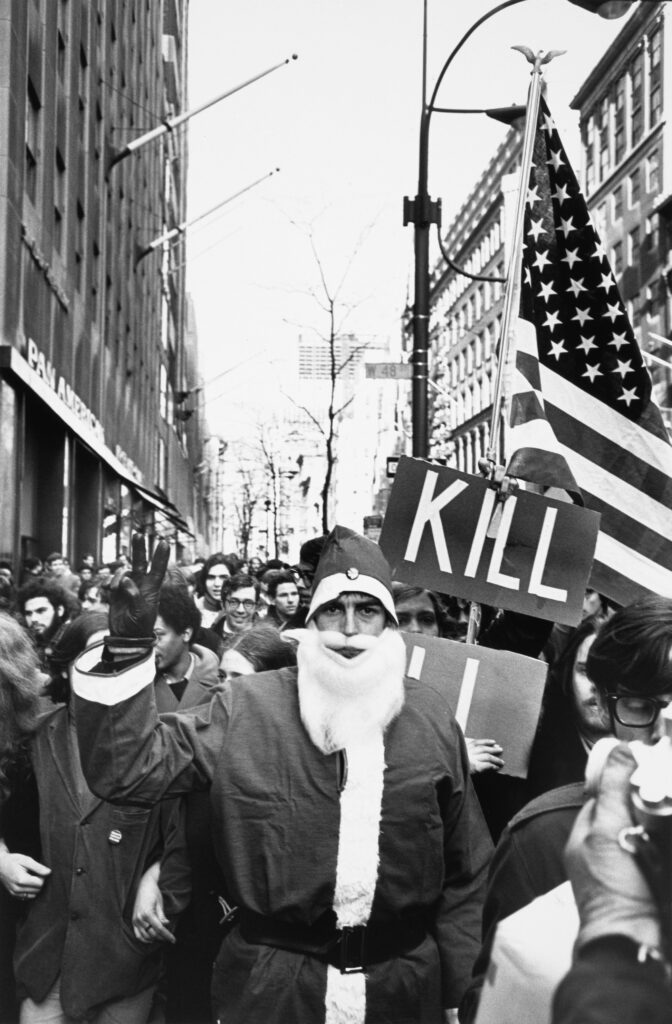 New York City, 1967.
Santa Claus, the mythic figure who brings gifts late at night on Christmas Eve, is thought to be the patron saint of children. He might have a sleigh, reindeer, elves. He might know when you’re asleep and when you wake, when you’re good and when you’re bad—and he might actually keep tabs. In the case of Lee Friedlander, he might simply know what you look like, and his gift may not be any more complicated than sharing that with you in photographs made over a lifetime.
 New York City, 1971.
________________________
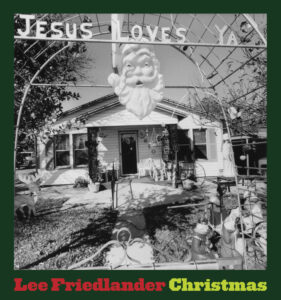
From Lee Friedlander: Christmas. Copyright © 2025. Afterword copyright © 2025 by Peter Kayafas. Available from DAP.

Peter Kayafas
Peter Kayafas is a photographer, publisher, curator and teacher who lives in New York City where he is Publisher of Eakins Press Foundation and Purple Martin Press. He is a Guggenheim Fellow (2019), and his photographs have been widely exhibited, and are in the collections of the Museum of Modern Art; the Brooklyn Museum of Art; The New York Public Library; the San Francisco Museum of Modern Art; the New Orleans Museum of Art; and the Art Institute of Chicago, among others. He is Co-Chair of the Board of Directors of the Corporation of Yaddo and Board Chair of PhotoWork Foundation. He taught photography at Pratt Institute in Brooklyn for 21 years, and currently teaches at New York University. He has published five monographs of his photographs—The Merry Cemetery of Sapanta (2007); O Public Road! Photographs of America (2009); Totems (2012); The Way West (2020); and Coney Island Waterdance (2021).