34 Books You Need to Read This Fall
Personal Recommendations from your Local Lit Hub Editors
The weather has become untrustworthy, for determining the seasons and otherwise. As I write this introduction, the leaves remain stubbornly green, and outside my window there is torrential rain. But at the farmer’s market this past weekend, I walked down a crowded row and saw watermelons on my left and the first pumpkins on my right. So I can say with some confidence that fall is coming.
Of course I knew that already, because fall is famously publishing’s biggest season, and it is also, anecdotally, the season in which I field the most recommendation requests from my friends and neighbors. Maybe it has to do with the back-to-school muscle memory—buy new books in September for 20-odd years and you’ll want to do it forever—or maybe it’s just the subtle shift in emotional energy, our attention turning from the immediacy of summer to a more speculative view toward the end of the year. Either way, there are plenty of good books being published this season. Here is just a selection of those that the Lit Hub staff have read and loved so far, and would like to recommend to you.
*
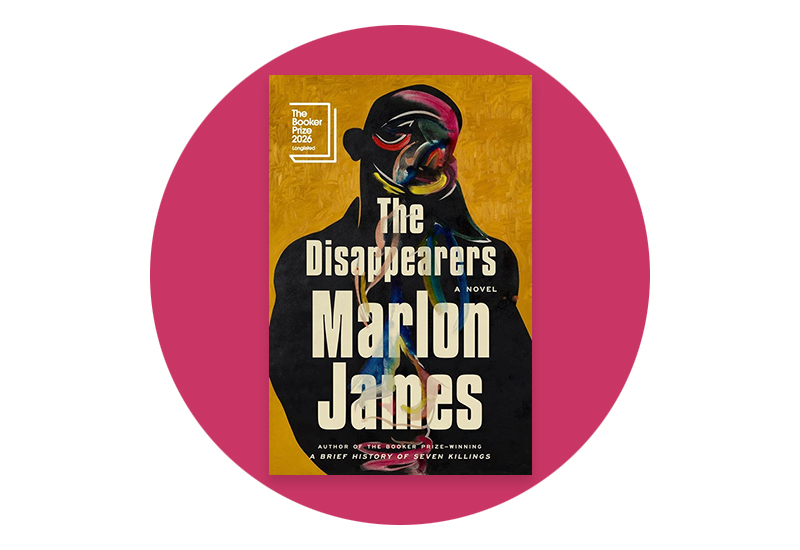 Marlon James, The Disappearers
Riverhead, September 1
We should get this out of the way: the Hype. The award nominations and the breathless reviews are coming in hot with this one; so too the contrarian backlash. And yes, Marlon James’ epic was perhaps destined from premise to be so discussed. It’s a heavily anticipated doorstop from the man who brought us A Brief History of Seven Killings. It’s a maximalist, polyphonic unabashedly gay historical epic on national themes. It’s a consuming, vivid reading experience that will drag you through the rank heart of humanity, both hard to believe and describe. This is so annoying, friends? But I am here to tell you: it’s all true.
This novel begins with a group of queer men in 1980s Kingston who have gathered to rehearse a play. It’s not a spoiler to say that horrific violence befalls them. After which, our players are profoundly scattered. In the back half of the book, we move back and forth in time and jump between narrators as survivors contemplate revenge.
There’s a deep intertextual bench to this book, but to me this novel thrives in a world all its own. James is as brutal about violence and suffering as he is forensic about sex and desire. And I agree with the rabid fans re: how refreshing that is in our minute of bloodless minimalism. I also can’t explain the magic trick of its propulsion. 600 pages went over like a wave. –Brittany Allen, Staff Writer
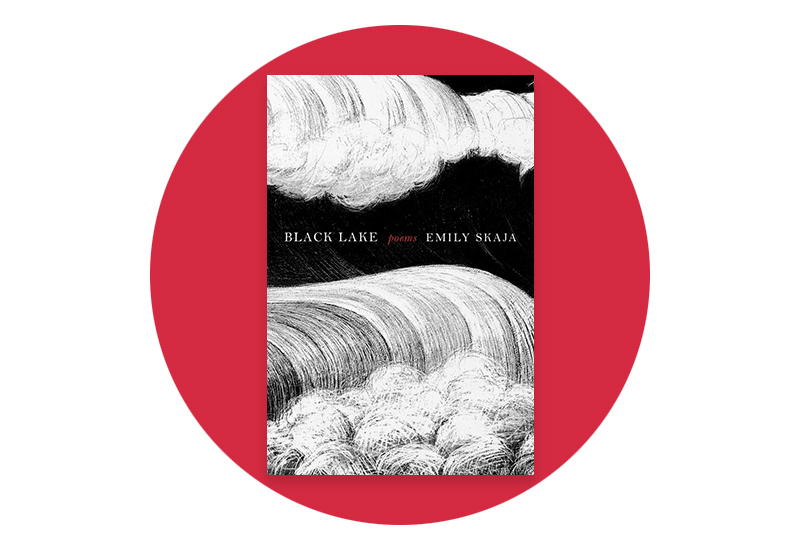 Emily Skaja, Black Lake
Graywolf Press, September 1
I was transfixed by Skaja’s second collection, in which the titular black lake is a bottomless pit of grief, which grows larger as the speaker suffers miscarriage after miscarriage, in a world turning ever crueler. This is a grief book, and accordingly it is darkly funny (“Given the wrong food at a restaurant, I will eat it / politely. Given a feral dog, I will own a feral dog.”) and frequently surreal (“‘The weather does not belong to you,’ the billionaire explains, chewing his cud of regurgitated fifties.”) and painful (“Was it an absence or a presence? / It was a black circle, like a lake with a drain.”). There is much to remind us of Plath, but this is a Plath to fit in the vibrant, unholy, and unsustainable present, resulting in a collection that thrums with blood and desire and derangement and clear-headed horror. –Emily Temple, Managing Editor
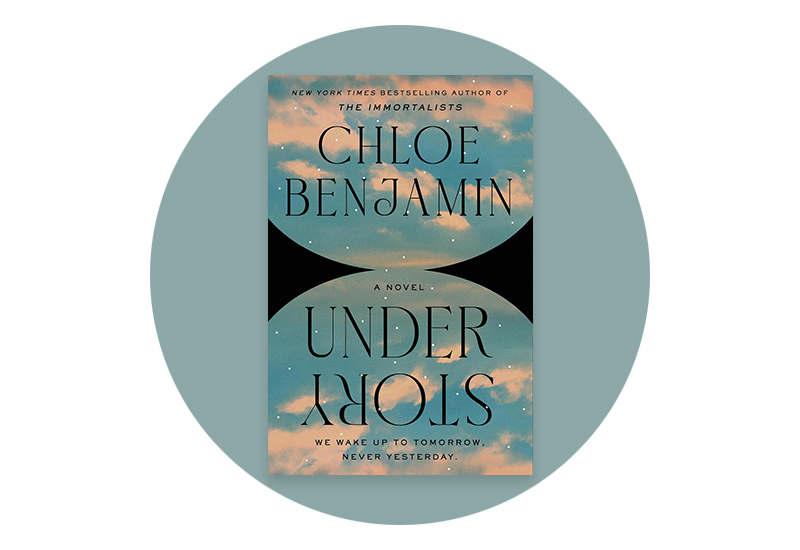 Chloe Benjamin, Under Story
Putnam, September 1
Picking up the hardcover of Chloe Benjamin’s new speculative epic may appear daunting at first, all 516 pages of it, but that feeling will turn to an emotion of pure awe once you read it. That’s when you will realize that the magnitude of worlds and existence and meaning that she managed to contain in those pages, is actually an accomplishment in concision. The book is many, many things, all wound together beautifully in an intricate and comprehensive saga of love lost, of death, and of healing.
We find Laurel, the protagonist, living at a research base in Antarctica. The exact reasons for her being there are unspooled: the end of a marriage, the death of a child. Laurel wants to feel better, but what she really wants, in her truest self, is to turn back time and redo everything that came before. In Antarctica she finds a way to do this: a portal, through which she will reenter her life, or a life that’s a close mirror to hers, except it is a world in which time is working in reverse. This backwards time experience is brain-breaking and mindset-altering: everything you believe in about life, its expectations, its triumphs, its losses, happen in reverse here.
Benjamin takes on an enormous project of speculative majesty in these pages: a world so built and contained that it’s no surprise that it took her almost a decade to write. But that’s not the impressive part. The jaw-dropping, heart-stopping core of this novel is about grief, and about the unwavering march of time. About the constant, devastating nature of life itself, of allowing yourself to love, even when we all know how the story ends. I felt these lines from Mary Oliver reverberating in my head as I read this book that is, above all, an oceanic expanse of love and grief: To live in this world / you must be able / to do three things: / to love what is mortal; / to hold it / against your bones knowing / your own life depends on it; / and, when the time comes to let it / go, / to let it go. –Julia Hass, Book Marks Associate Editor
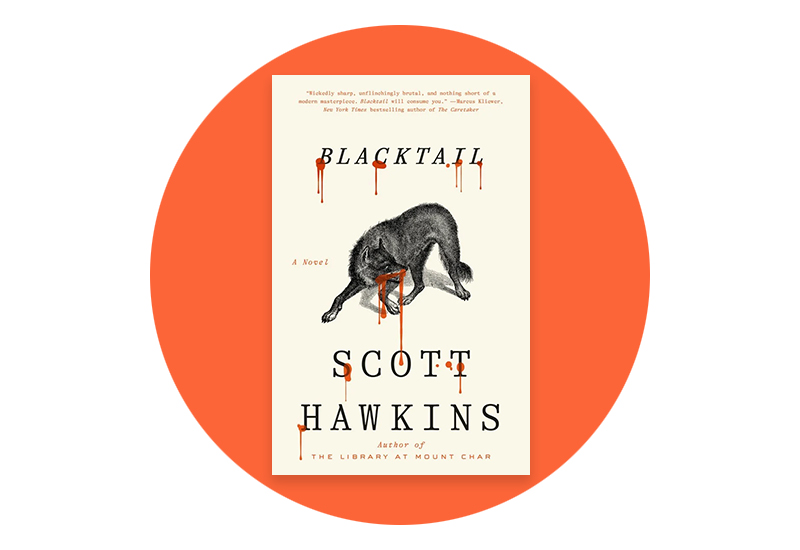 Scott Hawkins, Blacktail
Crown, September 1
There are those authors where, for their loyal readers, the waiting becomes part of the legend. Donna Tartt is perhaps the most (in)famous—but for those in the know, Scott Hawkins is up there. Ten years after The Library at Mount Char, he’s finally back with his sophomore effort and ~oh baby~ is it spectacular. It is the story of the titular wolf, a novel that is almost completely devoid of human consciousness and instead focused entirely on that of not just Blacktail but other animals he meets over the course of his life—a life spent in a growing vendetta against the inexplicable cruelty of humanity. There is a sterling rage in this book, at the way we have treated not just the natural world at large but the parts of it we profess to adore. If Ed Yong’s An Immense World opened your eyes to the possibilities of how other creatures experience the world around us, Hawkins delivers a stunning fictional experiment in that same vein. If you read this and aren’t shaken to your moral core, you should consider what might happen if the Forest God or some of his emissaries ever were to visit you. –Drew Broussard, Podcasts Editor
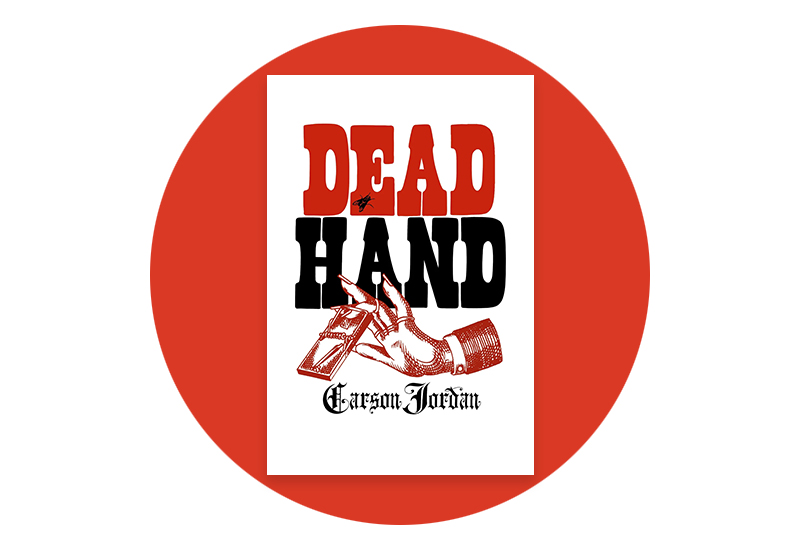 Carson Jordan, Dead Hand
B L U S H, September 1
“I am headlining an apology tour,” Jordan writes in the poem “NO MORE BUT I MUST.” “mommy’s little hubris of god / got carried away again.” Set in a world where license plates read “BLEACH” and Babylon is caught wet kissing Chaos at the bar, Dead Hand is reverent and circles redemption. It’s meditative and searching in a way that transports me to parking lots and deserts, late nights of channel surfing through commercial breaks, temples erected to existing between places (literal and metaphorical) and contextualizing yourself alongside the rest of the world. “We are all going crazy on our separate mountains,” reads the final line of the collection. Dead Hand is reaching for something both close and far away. –Oliver Scialdone, Community Editor
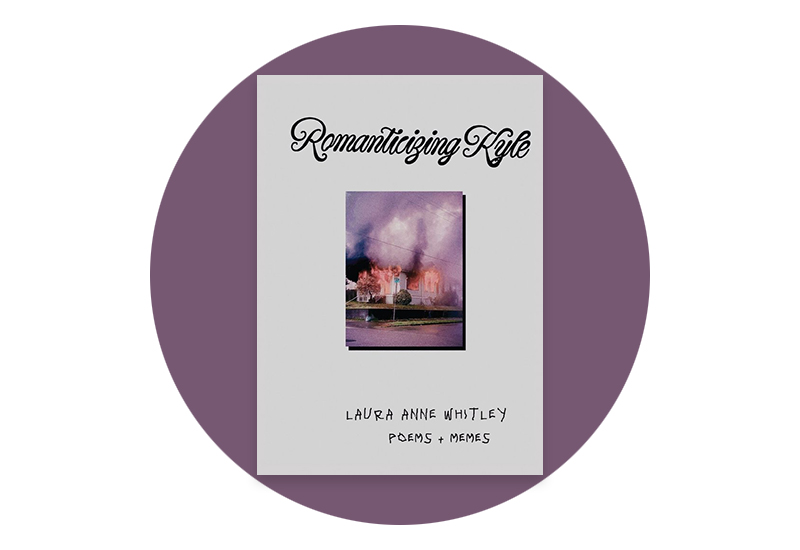 Laura Anne Whitley, Romanticizing Kyle
Feral Dove, September 4
“Magic is real, but it’s hard to explain,” declares one of Laura Anne Whitley’s most recognizable lines. You might notice that Romanticizing Kyle is subtitled Poems + Memes, and Whitley has such an acute understanding of the meme as art. This is work that utilizes the poetics of visual language to express the inexpressible, Whitley’s actual poetry does something similar, zooming in with such focus on moments and objects, small on the surface but representing cavernous stories, expressing grief, love, and friendship in such an acute and moving way. –OS
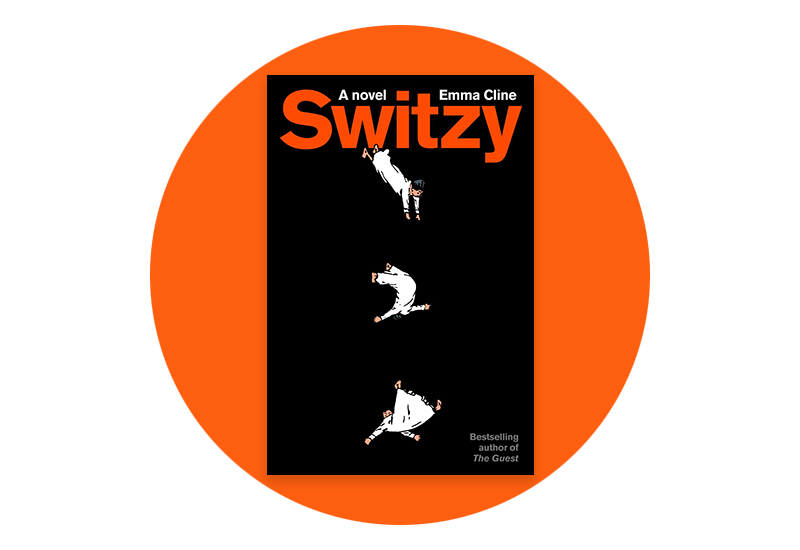 Emma Cline, Switzy
Random House, September 8
I was late to the Emma Cline party, having decided, for reasons I can no longer recall, to skip The Girls when it was released to much fanfare a decade ago. What a fool I was. When I finally sat down to read one of Cline’s books, I was entranced, and a little horrified, by the way she plunges the readers into prolonged states of intense discomfort. In her 2024 sophomore novel, The Guest, an unhoused and unmoored Gen Z escort tries, with increasing desperation, to gain readmittance to the gilded world of the Long Island upper crust. Things do not go well. Cline conjures the same excruciating immediacy and thick miasma of dread in this tale of a retired executive, David Hastings, en route to a euthanasia clinic in Zurich. There, David will free himself from the rapidly worsening Alzheimer’s that has made even the most basic of tasks, from making a phone call to finding his hotel room, all-but impossible. Switzy is a less caustic book than The Guest, but it boasts the same excruciating intensity of focus and brilliantly claustrophobic prose. This is a quietly devastating, expertly realized portrait of a crumbling mind. –Dan Sheehan, Book Marks Editor-in-Chief
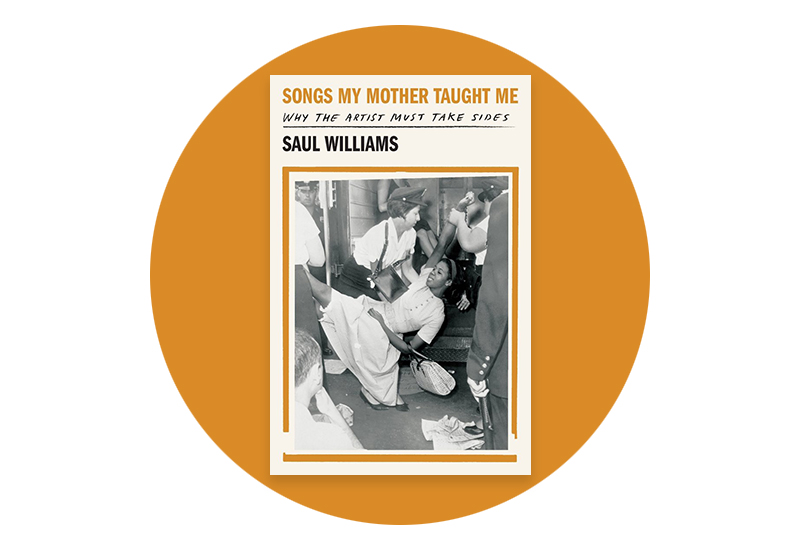 Saul Williams, Songs My Mother Taught Me
Haymarket, September 8
Mystical multi-hyphenate maestro Saul Williams is one of twenty-first century America’s true renaissance men. Since 1998, when his indie drama Slam bagged the Grand Jury Prize at Sundance and the Caméra d’Or at Cannes, the poet, rapper, musician, actor, and director has had a thoroughly fascinating, not to mention utterly unique, career. Throughout it all he has been a fearless critic of American imperialism, speaking out forcefully against the war on terror, the Gaza genocide, and every atrocity in between. Songs My Mother Taught Me: Why the Artist Must Take Sides is both a memoir of Williams’ radicalization and a passionate exhortation to his fellow artists. Through the activism of his parents, the altruism of his community, and the inspirational legacy of Paul Robeson, Williams came to “see the artist as either an agent of social change or as a producer of work that legitimizes the ruling class.” –DS
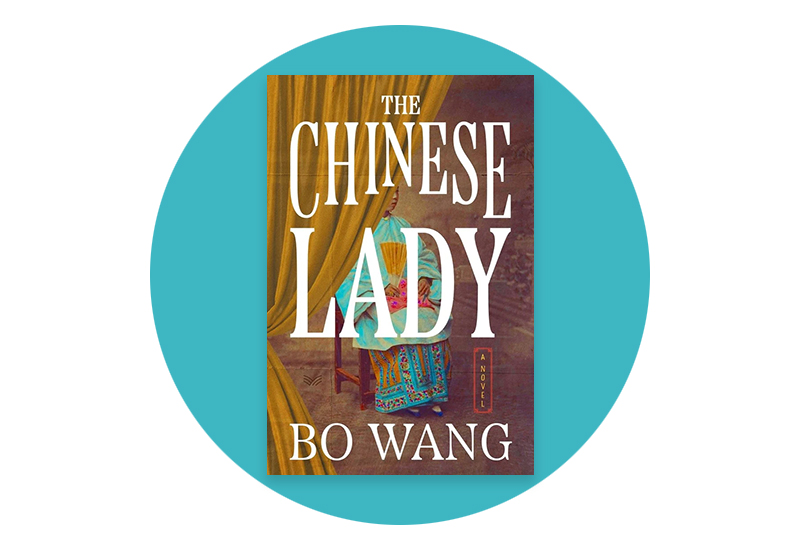 Bo Wang, The Chinese Lady
HarperVia, Sepember 8
If there’s one thing I love, it’s a novel that’s ambitious, that’s kaleidoscopic, that’s large in scope and unafraid of its expansiveness—a novel like The Chinese Lady. Wang’s novel is a rich tapestry that follows the life of the first Chinese woman to be brought to America. From different points of view, we learn about this woman’s life in China, in New York, in San Francisco, from PT Barnum’s Circus to Chinatown. Wang traces the brilliant thread of one life through many names and reinventions. This novel is stunning—glittering and alive. It deserves a place on your bookshelf. –McKayla Coyle, Publishing Coordinator
 Assal Rad, Don’t Say Palestine
Knopf, September 8
If, over the last three years, you have opened up the New York Times op-ed section to find another ghoulish defense of Israel’s conduct in Gaza, turned on CNN to see Dana Bash compare anti-genocide protestors on college campuses to Black and Brownshirts in 1930s Europe, or stared in disbelief at an Atlantic article that justified the killing of Palestinian children, then Assal Rad’s searing indictment of Western legacy media is for you. Rad is an activist and Middle East historian who has become known of late as the “headline fixer” for her social media posts that illustrate just how egregious the mainstream media coverage of the Gaza genocide has been. IDF war crimes have been whitewashed or ignored completely. Newsrooms have been told to not use emotive terminology when describing Palestinian victims. IDF press releases have been parroted without correction while Palestinian testimonies are ignored or undermined. All in the service of manufacturing consent for the greatest horror most of us have ever witnessed. Rad is a firebrand with receipts, and this blazing but clear-eyed work of media criticism should be essential reading for anyone who wants to understand how we got to this terrible place. –DS
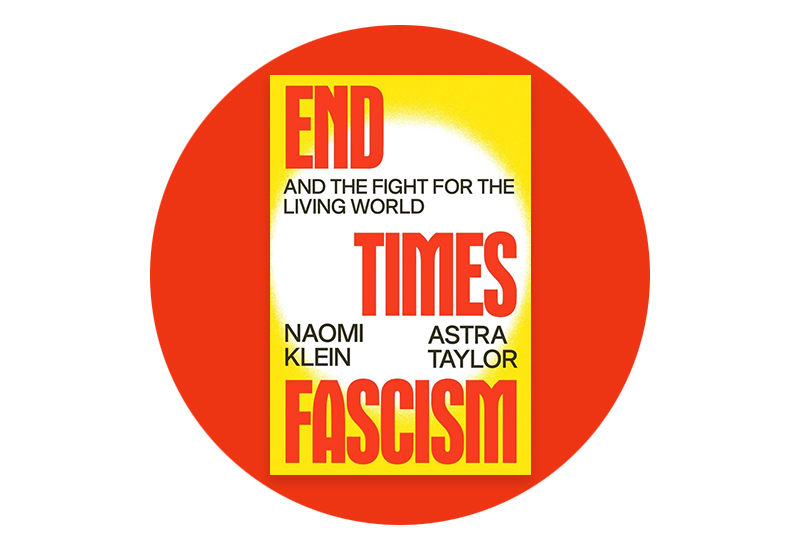 Astra Taylor & Naomi Klein, End Times Fascism
FSG, September 15
Naomi Klein’s Doppelganger was one of my favorite reads from 2023, so I admit I was primed to love her latest. End Times Fascism and the Fight For the Living World is, curiously, a collaborative effort, benefiting from both Klein’s direct and easy way with a sociological insight, and the organizer and author Astra Taylor’s relatively sunny disposition and galvanizing instincts. Don’t be put off by the alarming title; this book approaches our ominous political landscape with an eye to diagnosing, not depressing. The authors are interested not only in who is pushing the end of democracy here on planet earth, but also who benefits from the story that the world is ending. (Is it, anyway? Not enough to throw in the towel, our shepherds argue.)
Covering the rise of apocalyptic politics in religious spaces, at the statecraft level, and in Silicon Valley, this bright, confident, quietly thrilling work of theory expands on Klein’s earlier thinking on disaster capitalism, braiding in the current “Armageddon industrial complex.” We land—big inhale here—in a hopeful place, exploring the antitheses of our world’s darkest forces. I left these pages excited and strangely sated. So much of the current moment relies on the public being confused into submission. Thank god for two thinkers willing to sit and untangle our sorry state of affairs. –BA
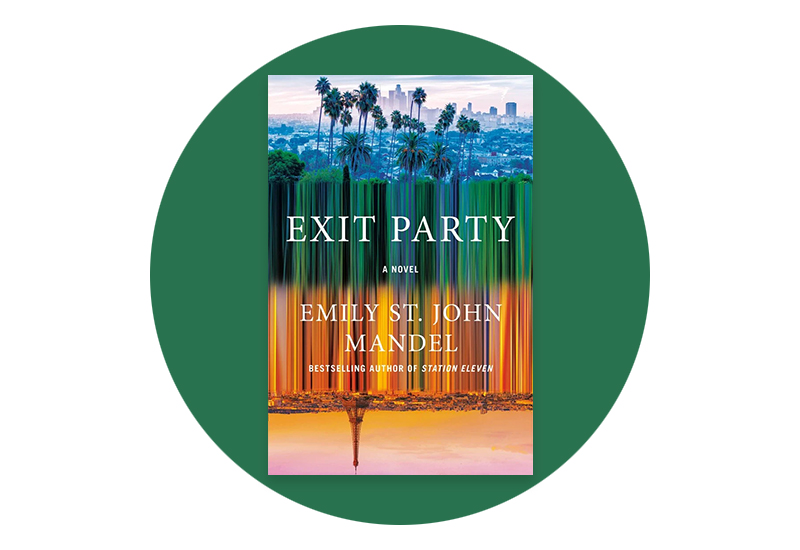 Emily St. John Mandel, Exit Party
Knopf, September 15
To be in a world Emily St. John Mandel has created is to relax into the hands of a capable, omniscient god. Whatever she says, so it will be. She’s thought of everything, will take care of it all. No thread left untied, no stone unturned. As Mandel makes clear, in her creation of alternate universes, departing the realism of our world is sometimes what it takes to tell a story that fully encompasses humanity in all its forms.
The book begins with a woman attending a party in Los Angeles after a civil war has ended. It’s the year 2031. The party is a celebration, or a resignation, to life never being the same. At this party, something shifts: several doppelgangers of party guests arrive, confused, accidentally transported from their alternate timeline where they live in a surveillance-state, futuristic version of America. A few of the party guests disappear at the same moment, going from this war-torn, fractured reality of the country, through the same glitch in a continuum, and are sent to live in the pristine, totalitarian version. Some prefer their new lives, some fight to get back to their old ones. Each character has a double, and thus is a mirror image of the other. Their lives unfold on different timelines, on different paths, and yet each action taken speaks to the core of their personhood. Everything makes sense, and nothing does.
I felt I was being driven through these differently ravaged worlds in an air-conditioned limousine: the prose pristine, as the various images and characters click and lock into place. It read almost like a mystery, the unfolding and resolving, the refracting characters and stories in their splintered pieces all forming the answer together. Suffice it to say, I was in awe of this cool masterpiece for the entirety of the journey. –JH
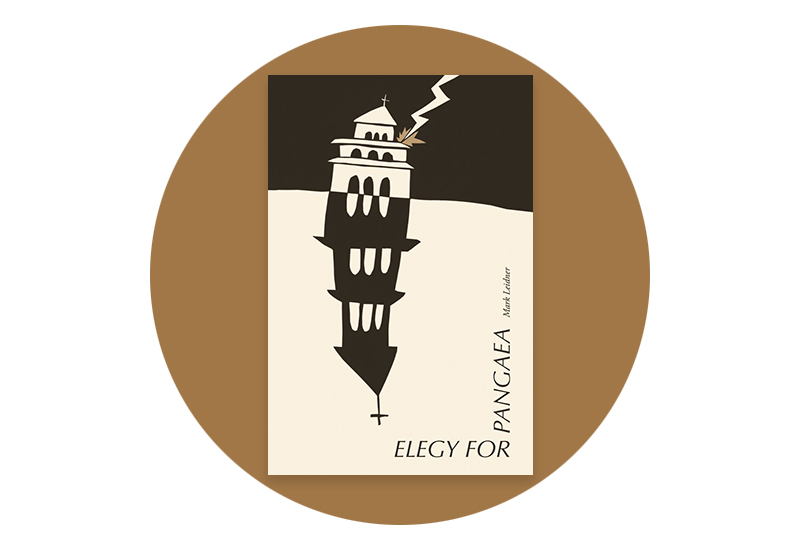 Mark Leidner, Elegy for Pangaea
Fonograf, September 15
My eternal drum (perhaps you’ve heard me bang it here?) is that poetry—and really all literature—should be funnier. Mark Leidner is always among my first recommendations for people who are trying to get into poetry, because he’s so clearly having fun with it, and Elegy for Pangaea is Leidner at his best—laugh-out-loud funny, tender, at times breathtakingly beautiful. One of my favorite things he does, on full display in this book, is start a poem that you think might be a little gimmicky and transforms it into the kind of work you want to send to everyone you love, heightening both the humor and the emotion in every line. See: “Tetris,” which begins “The first half of life is Tetris; the second half is Jenga.”
As a parent of young children, I’m admittedly biased in favor of parenthood poems, but in as unbiased a way as possible: Leidner’s parenting poems capture the way an eyeroll can turn to heartbreak in a single second better than anyone I can think of. Consider the final lines of “The Kids Came in at Six,” in which the titular kids demand and then reject a litany of breakfast options: “I asked them what they wanted. / Not that, they said. / Not words. Not questions.” Yep. That’s it. –Jessie Gaynor, Senior Editor
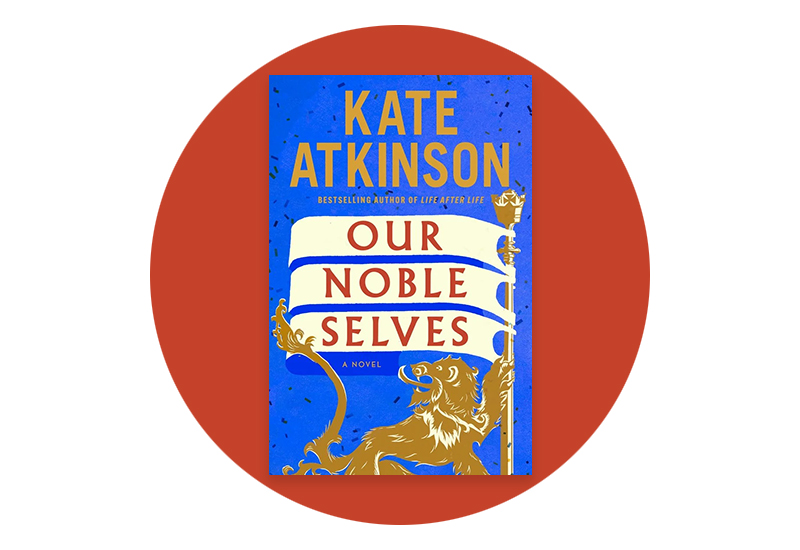 Kate Atkinson, Our Noble Selves
Doubleday, September 15
I am, I confess, a bit sick of the trauma plot—or at least the trauma twist. But Kate Atkinson has always managed to acknowledge trauma with a respectful nod, even as it looms over aspects of the worlds she builds, and it never fails to work for me. Her latest novel, set against the backdrop of Britain’s collective postwar trauma, is also a workplace comedy and a madcap spy thriller. Harry Flynn, a reporter-turned POW in Japan-turned office drone at the postwar Festival of Britain, finds himself mixed up in the world of espionage. Atkinson’s gift for galloping plot, as well as her typical attention to even the most tertiary character, make this a delicious gulp of a read. –JG
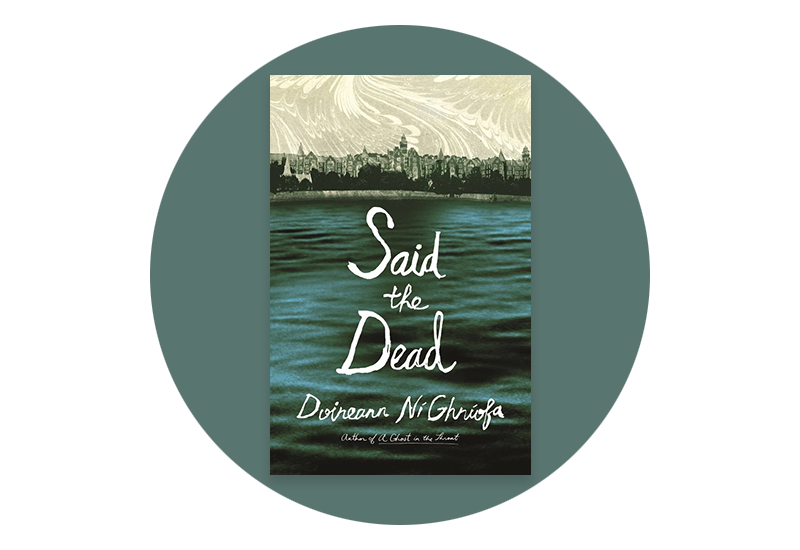 Doireann Ní Ghríofa, Said the Dead
FSG, September 22
Doireann Ní Ghríofa is one of the most dazzlingly inventive writers at work in Ireland today. A poet and essayist who writes in both Irish and English, Ní Ghríofa’s prose debut and breakout work was 2021’s A Ghost in the Throat—an incandescent braided narrative of obsession, translation, and motherhood focusing on an 18th century Irish poet and a young mother in the present day. Her follow up, Said the Dead—in which Ní Ghríofa sets out to restore the voices of a handful of women who were confined to a lunatic asylum in Victorian-era Cork—is every bit as eerie, tender, and beautiful. Once again, Ní Ghríofa blends the murky, semi-mythologized past with the present to create a story that is wholly singular and utterly transfixing. –DS
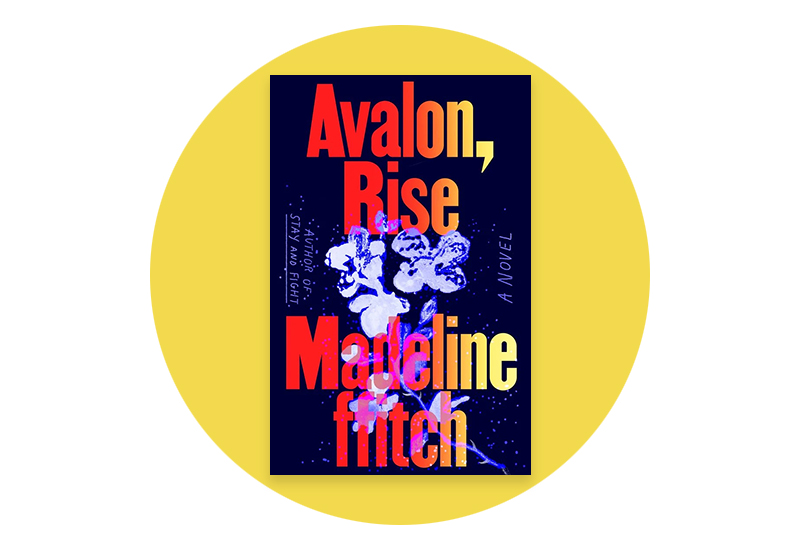 Madeline ffitch, Avalon, Rise
FSG, September 22
When people speak in urgent tones about the need for art that engages in the politics of the moment, they are imagining the novels of Madeline ffitch. But unlike so many of the canonical “political novels” of a century ago (and of today, too, if we’re being honest), ffitch’s books are populated by actual people rather than the kind of cut-out characters so many writers employ as ideological proxies and/or exegetical mouthpieces. (Also, they’re funny, as any novel with deeply drawn characters must be.)
With Avalon, Rise, ffitch has somehow captured the atmospherics of contemporary online discourse—from the rancorous, internecine left to the poisonous banalities of the right—and plunked them down in a fully realized physical place, the eponymous Appalachian town of Avalon. And insofar as all politics are local, they are also messy: the basic plot of Avalon hinges on the stealthy arrival of a wannabe white nationalist influencer, which catalyzes some uneasy alliances between local anarchists, well meaning normie activists, and even o.g. antifa (i.e. a WWII vet). As the Nazi threat intensifies and political stakes heighten, personal relationships get thrown into deep relief: old friendships crumble, new bonds are born.
Through it all, ffitch avoids the writer’s temptation to ventriloquize through her characters: there are no long political monologues, no epiphanic moments of leveling up from passive politics to radical action. It’s just people trying: to help each other, to be better, and to do the right thing. And if some of that entails punching a Nazi along the way, who’s complaining? –Jonny Diamond, Editor-in-Chief
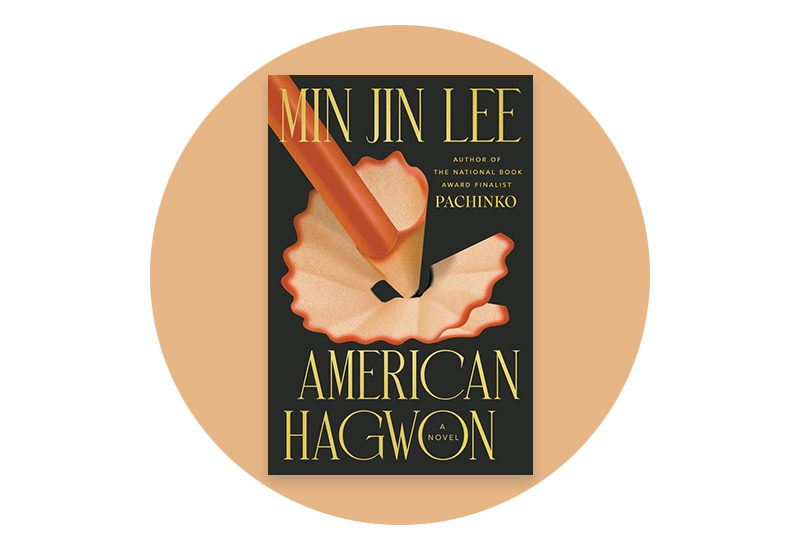 Min Jin Lee, American Hagwon
Cardinal, September 29
Another freebie from me! The multigenerational family epic is one of my favorite kinds of novels, and Min Jin Lee is a master of that idiom. Her latest follows the Kohs as they bounce between Seoul, Sydney, and Los Angeles over a span of fifteen years and states of relative boom and bust. Animating these moves are Helen and John, who just want the best for their offspring (Bo, DH, and Mido). But the winds of fortune have other ideas.
As in her previous novel, Pachinko, we’re in large cast country again. But the smaller scope here abets sustained and meaningful engagement with some heartbreaking characters. This novel’s also similarly preoccupied with how, when, and why we learn our values. But here, it’s corrupt coping mechanisms to the front. In every Koh, we witness the effects of blindly imbibed ambition. It’s often a function of striving culture, and usually a spiritual problem. But this isn’t to say the book is heady. American Hagwon is a perfectly plotted yarn, gripping in its specificity. This is certainly the first fiction I’ve encountered that hinges its drama on the IMF crisis.
Lee’s prose is brisk and clarion. And I was lastly charmed by an old-fashioned sensibility haunting these pages. The way she announces themes and fixations in the chapter headings—”Austerity,” “Compromise”—teaching us how to read these twists of fate. –BA
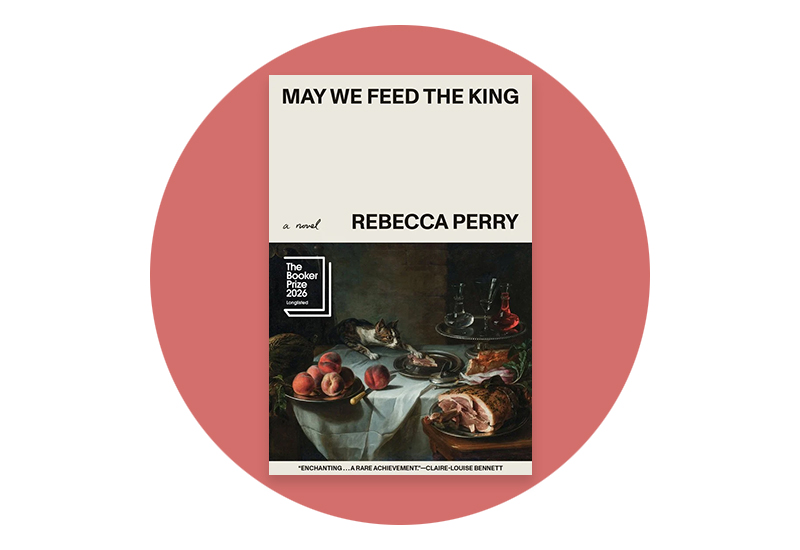 Rebecca Perry, May We Feed the King
Transit Books, September 29
In Perry’s debut novel, an eccentric curator considers a new commission, for which she must stage a string of historically accurate rooms in a medieval palace. But when she begins researching the palace and its long-dead denizens, she becomes transfixed by the story—such as it is—of an unwilling and unlikely King. This is a novel about the limits of history and artifact, and about the pleasures of same.
But for me, it is mostly about the pleasures, because there is pleasure on every page here, from Perry’s poetic prose and precise descriptions to her charming, slant segment headings to the sense of mystery, of uncertainty, in each scene. Forgive me, but somehow the best comparison I can think of is to Sleep No More—there is the same sense of being on the outside looking in, of piecing together narrative from disparate scenes, peering at the action from behind the curator’s velvet ropes, following leads around corners, following a half-remembered line of logic in the dark, only to be unexpectedly, now and again, grabbed by the throat and pulled into the light. –ET
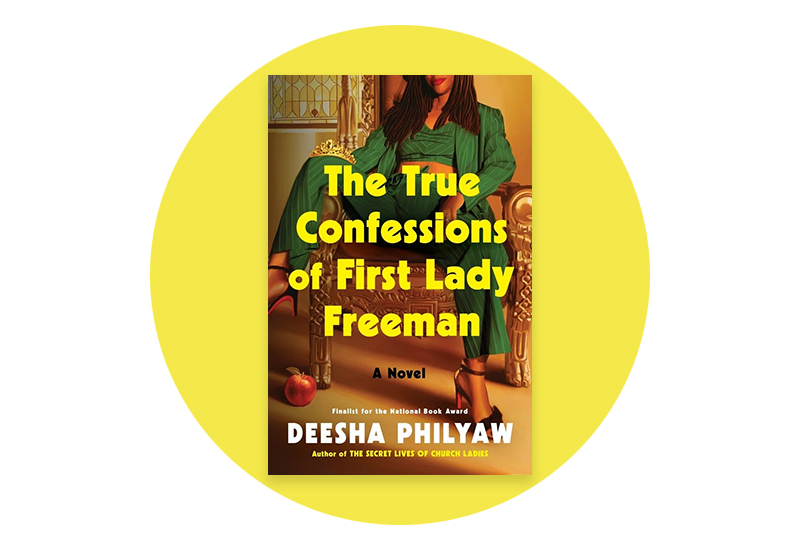 Deesha Philyaw, The True Confessions of First Lady Freeman
Mariner, September 29
If you’re in the mood for a capital n Narrator, please shunt this novel straight to the front of your pre-order or library holds list. These alleged confessions from a pastor’s wife who’s managed an unlikely “rags to rolex” social ascension launch with the opposite of an NDA. And Scharisse “Schar” Freeman is just getting started. In the book’s first movements, our plucky, brilliant guide through the world of Black mega-church runs on acidic observations, wit, and drolly spouted trivia. (Note the footnotes.) But when Schar is caught up in a scandal that threatens her hard-won business empire and community standing, the stakes of climbing a hostile mountain start to announce themselves.
If you don’t stay for Schar, stay for the effortless-looking, ever-surprising humor, the interludes and esoterica, and the surprises baked into every plot twist. For my money, in addition to being a character creator non-pareil, Philyaw’s also one of our best dialogue artists working in American letters today. (See also: The Secret Lives of Church Ladies.) A certain exchange about the Olive Garden parking lot—sorry, I mean Ruth’s Chris—had me howling on the Q train. –BA
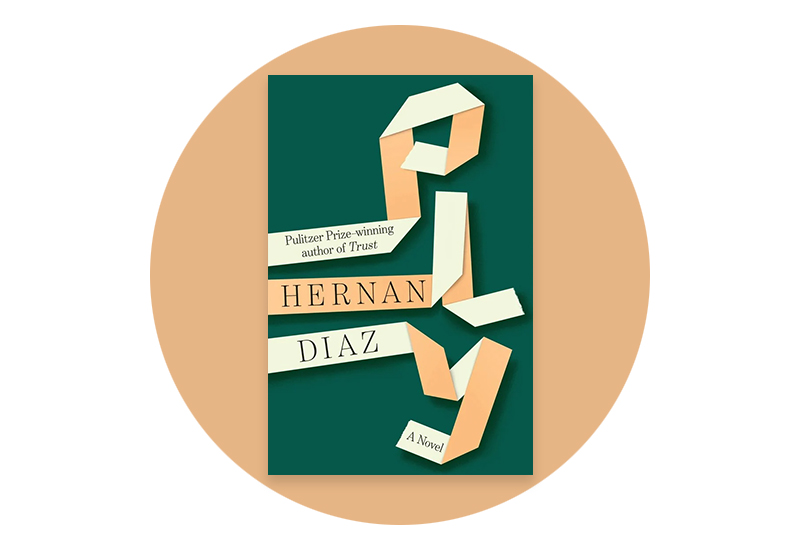 Hernan Diaz, Ply
Riverhead, September 29
Hernan Diaz is back, with a big, ambitious novel set in an all-too-possible future, where electricity is not just current but currency, and an orphan—now a “pincher” who uses a talent for engineering to steal electricity more efficiently—finds herself embroiled in a series of plots, only some of her own making. The first half is a caper—I loved the many details of the world Diaz imagines here, and the sometimes quite scary repercussions of the pincher’s efforts—and the second half is a sort of metaphysical fantasy with a satisfying, if not completely surprising, result. Did I understand the theoretical physics, even as I felt it was being painstakingly explained to me? I did not. But did it matter? Not really. I enjoyed being swept away by the madness of science. –ET
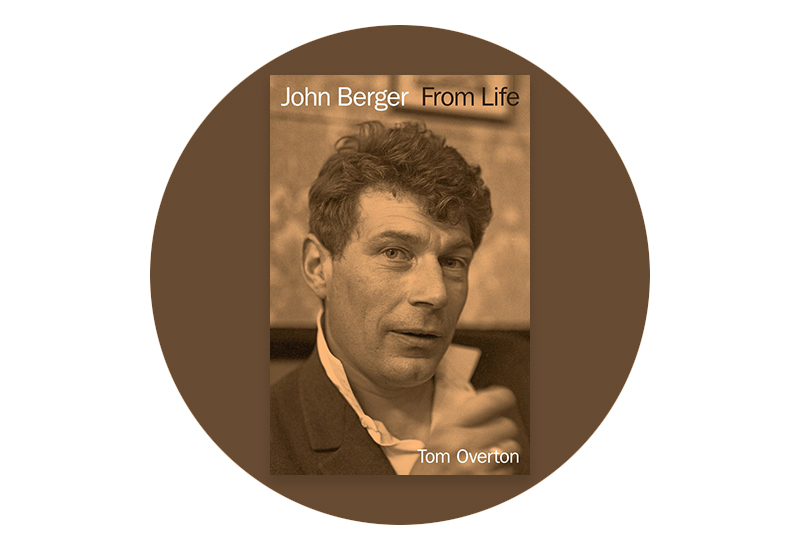 Tom Overton, John Berger: From Life
Verso, September 29
Early in John Berger: From Life, biographer Tom Overton explains how during World War II, the National Gallery evacuated their collection from London and the path of Nazi bombs. But as the Blitz quieted in 1942, the Gallery began their Picture of the Month series, bringing back one painting at a time for an extended showing. A young John Berger, soon to be a renowned writer but still striving as a painter, was a regular visitor to this series. I imagine him absorbed by each classic painting dislodged by war, the bloody claw of politics, and then carefully displayed for the public along with contemporary art, music, and sandwiches.
“John’s sense of the social role of the artist,” Overton writes, “was deeply affected by having first encountered art commissioned by Renaissance patrons alongside art commissioned by a modern wartime state.” Art was always political for Berger, seen even in his youth through his commitment to open-hearted, radical leftism.
2026 would have been Berger’s 100th birthday, and the anniversary has sparked an ecstatic flurry of reprints and remembrances, including this stunning new biography. Berger is most famous for his 1972 Ways Of Seeing, a popular BBC series later adapted into a book, but he wrote essays, novels, radio and TV productions, poetry, and odd, hybrid works throughout his long career. Berger was adept at forging new forms, articulating ideas without ever losing complexity, and maintaining curiosity alongside a commitment to principles. It’s probably easiest to think of Berger as an art critic who took an expansive vision of writing, and Overton boldly takes a similar approach in his biography. Overton’s personal relationship to Berger and the discovery of a lost archive in a Genevan bomb shelter enrich From Life, but the book’s real pleasure is in its form, as searchingly experimental as Berger was.
Overton slips into first person to paint intimate scenes, into second person to address John directly, and into sections of creative, poetic expression to set a tone for the narration of Berger’s life. Typically, a biography that takes meta-nonfictional, fourth-wall-breaking liberties feels intrusive, almost selfish, as if the writer considers themselves to be more important than their subject. But here the formal experimentation and joyful creativity are not only well written, but feel like a fitting homage to Berger, a way of capturing a life not only in facts, but in style.
There’s never been a better moment to draw inspiration from someone like John Berger, a committed, political artist who compromised neither style nor principles, and was miraculously able to succeed at both. –James Folta, Staff Writer
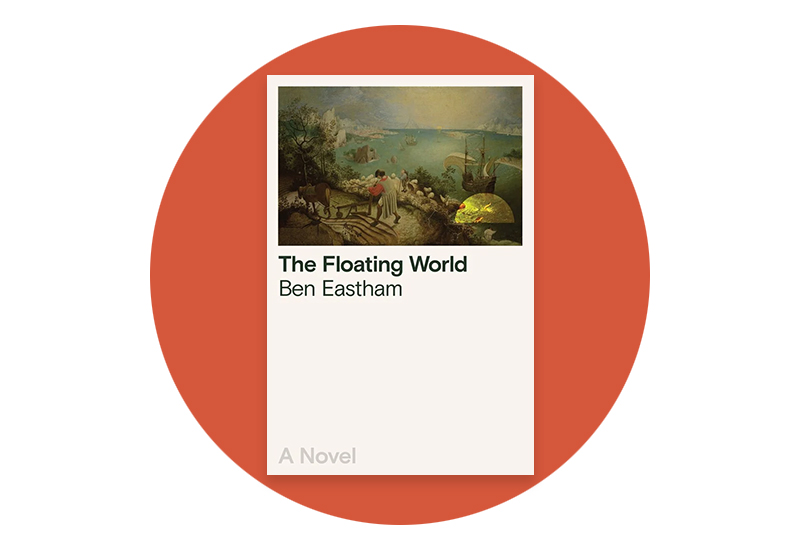 Ben Eastham, The Floating World
Astra House, September 29
I was fully beguiled by Eastham’s esoteric, magnetic debut, in which a grieving freelance art critic is hired to work on an elaborate art installation on a Greek island transformed into a domed doomsday refuge for the ultra-wealthy, but finds, when he arrives, that all things are not as they seem (of course). The novel is often very funny, but is also notable for its ability to unpack a specific kind of moral ambiguity that feels strikingly current (and also, as these things sometimes go, timeless), and not least because the derangement of the climate and our global order is backgrounded as an assumed reality: The narrator does not agree with the politics of his employer, or his overall mission, but well, he needs the money, and is, in some ways, enchanted himself by the project, not to mention the prospect, be it ever so theoretical, of the redeeming power of art, which leads him down a spiral staircase of uneasy rationalizations and self-deception that winds its way to the belly of the beast. “Who wouldn’t fight, when the time comes?” he says. “The only difficulty is knowing when that time has arrived.” Indeed. –ET
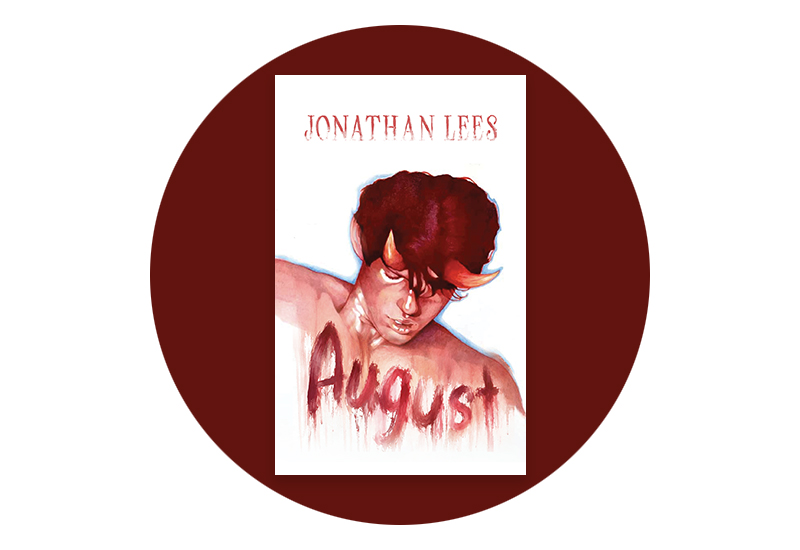 Jonathan Lees, August
Lethe Press, October 1
“You rarely can be yourself in the place you come from,” says the narrator of August, just back in his hometown and finding the welcome something-less-than-warm. He’s just out of the military, his family has locked him out of the house after discovering that he’s gay, and oh yeah he sees death and destruction everywhere. Lees has written a genre-defying novella, as searing an indictment of how this country treats its vulnerable (not to mention those who are willing to fight for its honor) as it is a strange and increasingly surreal love story. Full of ghosts real and imagined, horrors mundane and very much not-so, it establishes Lees as a writer to keep an eye on. –DB
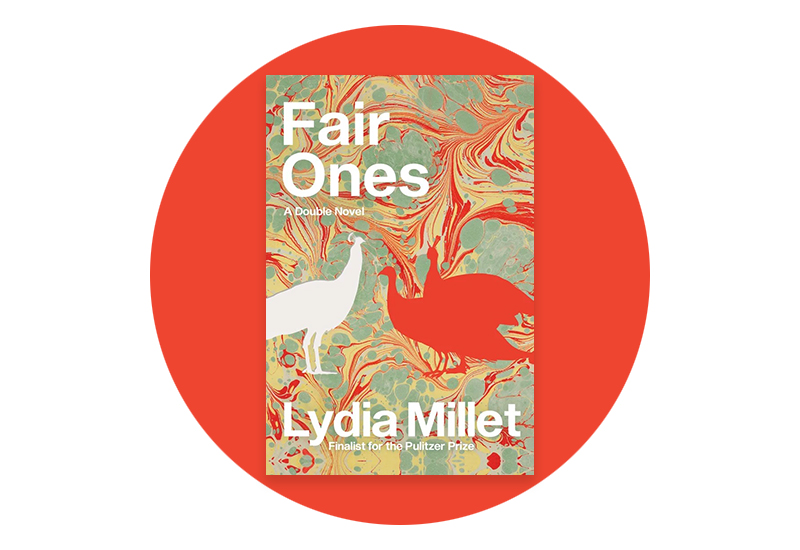 Lydia Millet, Fair Ones
W.W. Norton, October 6
Lydia Millet has always written her characters with just the right amount of slanted weirdness to make them immediately recognizable as people in your life. And she does much of that characterization through impeccably wrought dialogue that’s not so realistic as to be dull, but also seems plucked from a good conversation you had just last week.
Fair Ones, billed as a “double novel,” follows two such characters… literally: the first half belongs to one, and the second to the other, as they become two points of a busted triangle, the third axes being their newly dead best friend, Claire. The novel opens on Claire’s ad hoc wake from the perspective of Mara (point 1), an early middle aged tutor of private school teens who seems to drift through her own life, letting the current do the work. In contrast to Mara is Jen (point 2), a forthright, opinionated magazine journalist staring down the end of her career, in search of something she can’t quite put her finger on.
Their lives have exploded into grief at the death of Claire to a seemingly random act of violence, one that slowly begins to present far more questions than it does answers. What follows is a restless, meandering journey from luxurious Manhattan rooftops to remote forest cults as Mara and Jen seek both meaning from a life that surely must add up to more than the sum of its parts… And some very real answers to the grim question of Claire’s death. –JD
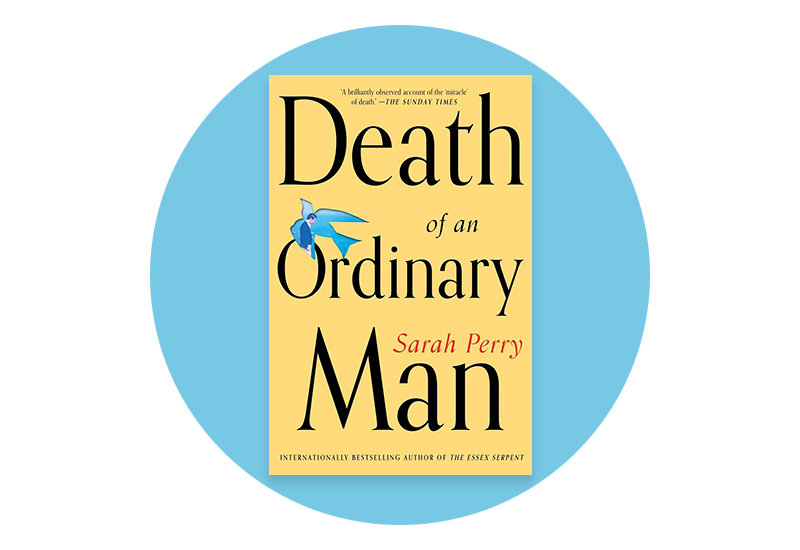 Sarah Perry, Death of an Ordinary Man
Mariner Books, October 6
This is probably the sanest and most humane book about death that I have ever read. In it, Perry recounts seeing her father-in-law David walking toward her one day, and somehow knowing without a doubt—from his gait, from his pallor—that he was dying. He was, it turned out, and would in a matter of months be dead from a fast-moving esophageal cancer. Perry, a novelist can’t help but try to intellectualize the situation, bringing in all her knowledge of myth and religion and literature, but ultimately it is the minutiae of death, and of caring for someone who is dying, and importantly, of David himself, that takes over, both for her and for the memoir. The resulting book is a beautiful tribute to David, and ultimately a source of solace to anyone who has ever lost someone, or who plans, one day, to die themselves. –ET
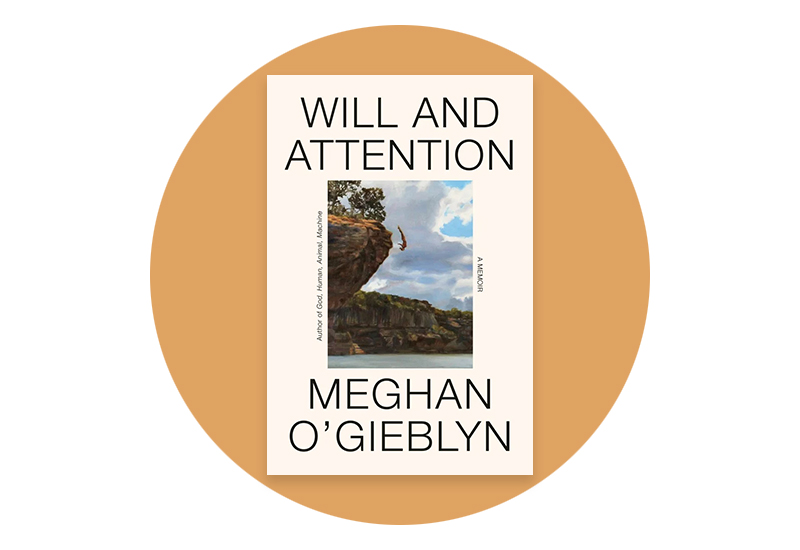 Meghan O’Gieblyn, Will and Attention
Doubleday, October 6
Meghan O’Gibelyn’s mind is an astonishing place. Her thoughts, ideas, and connections, are ricocheting and forming spectacular creations that are the epitome of what a brain at its most powerful can achieve. The philosophies she leans upon, builds on, and blasts wide open, are ones that, until I read her analyses of them, I managed to take at face value. Words themselves enter complicated ground in her capable deconstruction.
This is a stupendous and mind-expanding book, written by someone whose intellect is one to which I bow down. Is happiness on the menu, when one must question each and every want, every thought? That’s its own question, perhaps not relevant, but undeniably related to her subject matter, revolving around her addiction to alcohol, departure from the evangelical church, her subsequent drinking relapse, and a relapse of its own sort, as she begins a journey into Catholicism. This is not a book for just those who struggle with either of those subjects. This is more than all that: about the burning core at the center of our selves, where it is that desire stems from, and where it can lead, and whether the final destination of truth is somewhere that we will ever reach. Intricate and humane, with a depth of thinking that is a blessing to behold, Will and Attention is a book that will hold your presence completely, and will be remembered forever in its wake. –JH
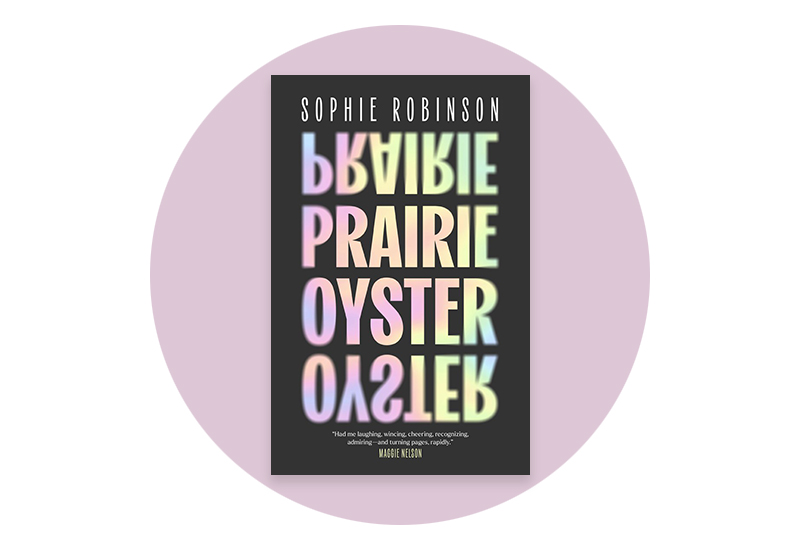 Sophie Robinson, Prairie Oyster
University Of Iowa Press, October 6
Robinson’s novel is a little of everything—a thoughtful coming-of-age story, a vulnerable addiction narrative, an avant-garde film history, a dyke drama to end all dyke dramas—but it’s held together by an intense, desperate vulnerability that tears through the novel like electricity. I could compare it to other great messy lesbian novels like Chloé Caldwell’s The Women or Kelsey Wroten’s Cannonball, but Prairie Oyster is doing its own thing as often as it’s evoking other works of art. This book is raw and revelatory, so honest it’s painful, so precise it’s unsettling. It’s also short enough that it never gets in its own way. Sophie Robinson is one to watch! –MC
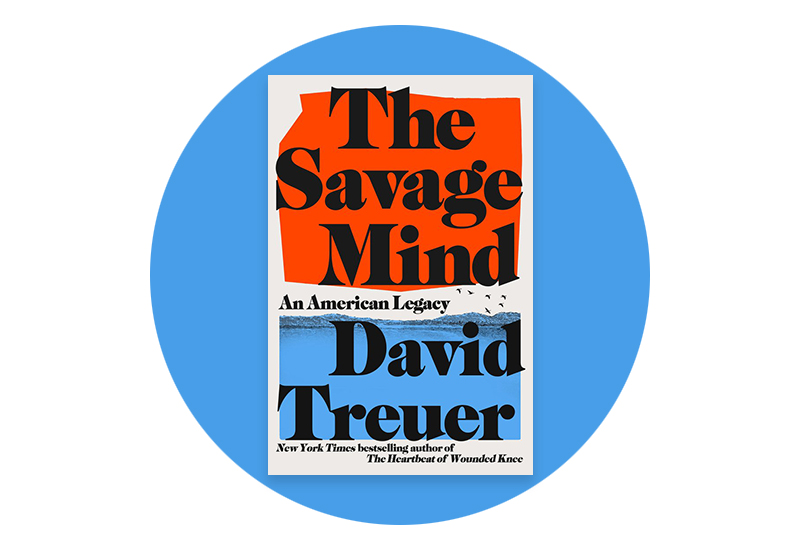 David Treuer, The Savage Mind
Little, Brown, October 6
David Treuer is a true triple threat as a writer: an accomplished novelist and celebrated memoirist, the book of his that captured the most national attention is something like a history, 2019’s The Heartbeat of Wounded Knee, which was a finalist for the National Book Award (I think it should have won). Written as both sequel and rebuttal to Dee Brown’s classic, Bury My Heart at Wounded Knee, Heartbeat is a kaleidoscopic examination of Native life—part history, part reporting, part memoir—which recasts the predominant story of this continent’s First Nations as one of survival and resilience, rather than suffering and depredation.
Regardless of the form he’s working in, Treuer is, above all else, a master storyteller; and with The Savage Mind, we can now add epistolary treatise to the aforementioned list. Written as a letter to his three children (now in their late teens), the book begins with an incredible tale of reservation life that reads like a Denis Johson story, and shifts, with Treuer’s customary mix of history and memoir, into a wide-ranging exploration of the so-called American frontier, both its historical reality as a place of brutal violence and cruelty, and its dominance as a mythic imaginary suffusing every aspect of this country’s imperial project, foreign and domestic.
Throughout, Treuer never fails to check-in with the intended readers of the book—his children—which serves as a reminder to the rest of us who the “letter” is for, and as accountability checks for Treuer himself. The result is a book that, despite the searing and brutal honesty of its details, never becomes fully untethered from basic human tenderness. This, itself, is the ultimate act of defiance in the face of America’s neverending frontier. –JD
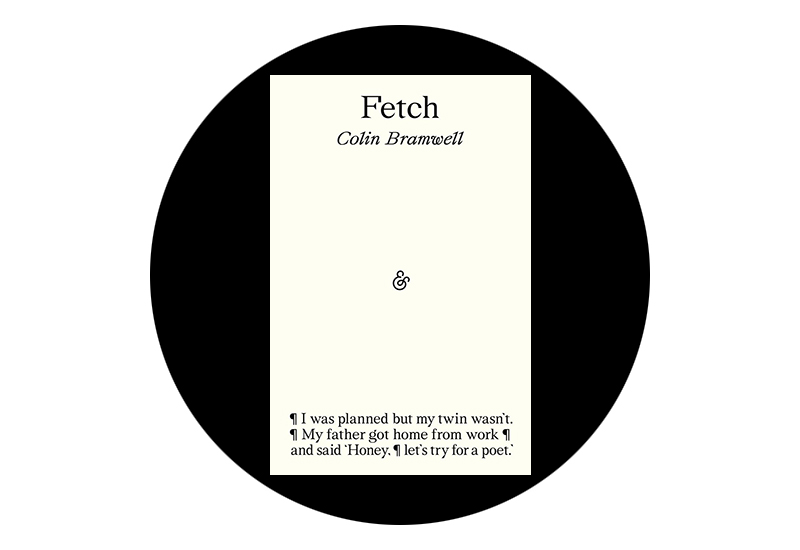 Colin Bramwell, Fetch
& Other Stories, October 13
I don’t often know how to explain the poetry I like versus the poetry I don’t… but this collection, I very much do like. Sprinkled with poems in English and in Scots (go ahead, read them aloud, see how close-and-yet-far the two languages are from one another), Bramwell’s debut is just fun to read. There is a musicality to his language, a willingness to embrace form when it suits and shed it when it doesn’t, that kept me coming back to read a few more poems before bed every night. Perhaps the publisher’s jacket copy actually does nail what kind of poetry works for me: “this poet takes poetry seriously—but not too seriously.” –DB
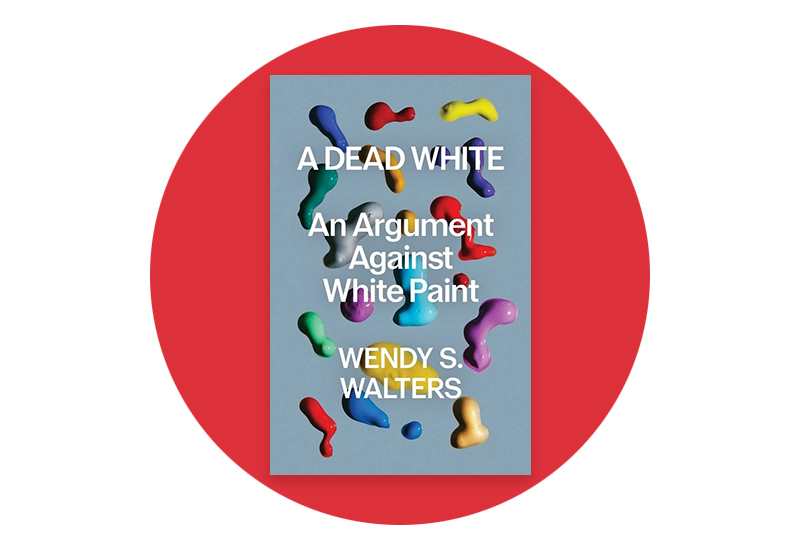 Wendy S. Walters, A Dead White
Scribner, October 13
Wendy S. Walters is one of our best—and strangest—living essayists. And I don’t use the term essayist lightly, here: there are thousands of novelist-essayists, journalist-essayists, and poet-essayists out there exploring the form, some brilliant, some boring, but Walters is a true master of writing-as-thinking. As I wrote of her 2015 essay collection, Multiply/Divide (one of my favorite books of that year):
I would give much to see the world the way Wendy S. Walters does, even for a day, for an hour. The hybridity of this collection—essay cum poem cum fragment cum diary entry—hearkens way back to the continental feuilleton (see: Joseph Roth), a mode of impressionistic observation that can be both broadly political and deeply personal. In Walters supremely talented hands, the one is never far from the other.
And now, with A Dead White, we really get to see the world the way Walters sees it, specifically, its infinite white spaces. And I’m not talking about country clubs and Cracker Barrels, I mean literally: one day, while dropping her son off at school, Walters started to notice the ubiquity of white paint in our lives—and once she started, she couldn’t stop. As Walters observes in A Dead White (which is somewhere between a monogram and an essay collection devoted to a single subject), the ubiquity of white paint in all our spaces, public and private, reveals so much more about societal value systems than we’d care to admit, about our passive choices and our wrongheaded aspirations to self-serving (and false) “neutrality.” I will never look at a white wall the same way. –JD
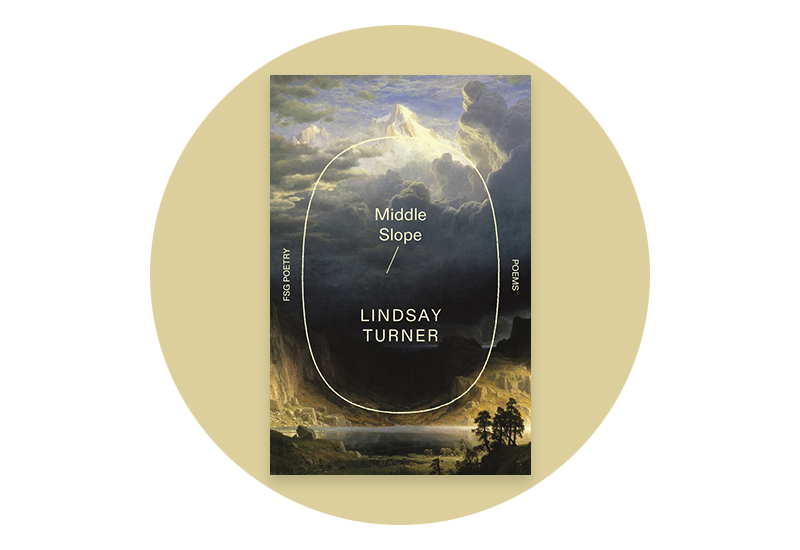 Lindsay Turner, Middle Slope
FSG, October 20
Lindsay Turner’s latest collection is a gorgeous meditation on the vast, uncertain middle. The devastating waiting that defines infertility is depicted amid scenes of pastoral beauty, and distance. In “Rabbits,” she writes:
The sun is nowhere and right overhead
I’ll want for the roses to grow over the doorway
& the fox eats the rabbits or the hawks do—
Yesterday one dropped a minnow onto the sidewalk
It dried in the heat
In my sleep I scatter like rabbits after all the wants I want
They scatter like rabbits or freeze solid in my dreaming gaze
I can’t be more lost than anyone else
Humanity glances off wilderness, the sublime exists side-by-side with the quotidian, and time stretches and freezes and turns in on itself like being lost on an impossible mountain path. This is a lovely, unsettling collection, the kind that had me underlining and annotating on overdrive. Her language is simple, never tricky, and every line feels nothing so much as true. –JG
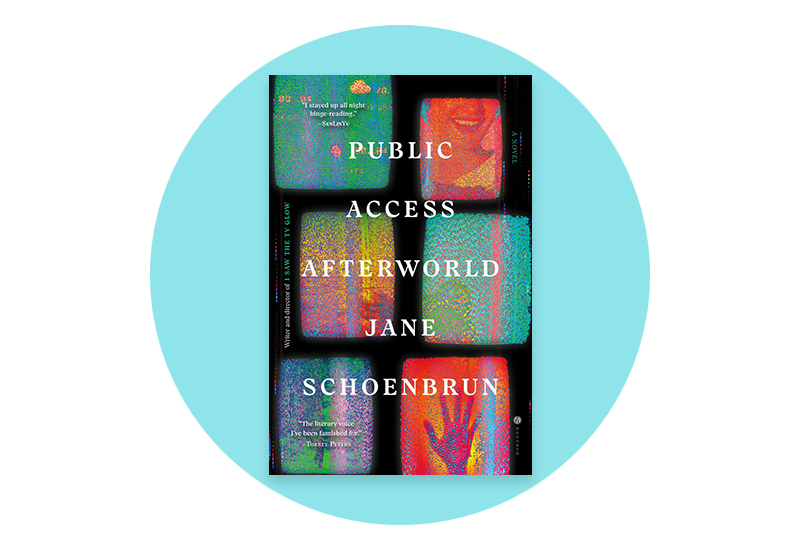 Jane Schoenbrun, Public Access Afterworld
Hogarth, October 27
Is there anything that Jane Schoenbrun can’t do?? Three spectacular major motion pictures (I love-love-loved I Saw the TV Glow and if you haven’t been to see Teenage Sex and Death at Camp Miasma at your local cinema, what are you even doing) and now a debut novel that reads like a David Mitchell fever dream imagined by somebody working the last Blockbuster on the planet. It is structured like a prestige television series, but it is also commenting on and dissecting that form. It is an ode to movies and moviemaking and the ineffable places from which story comes…. But it is also a Lynchian fever dream about the dangers of our subconscious, about the raptures of discovering your self, and about how you should never ever trust a suit in matters of art. It’s also just fucking fun. Rumor has it we’re going to get another two books to make this a trilogy-opener, too. Consider me seated. –DB
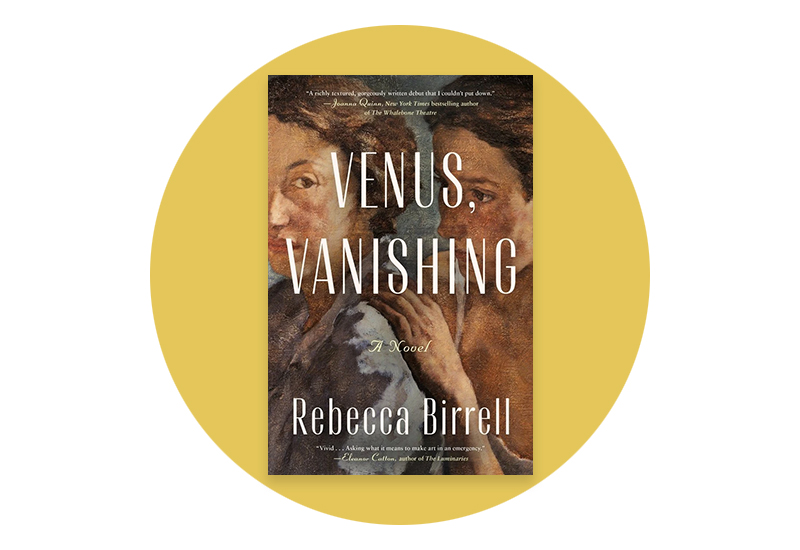 Rebecca Birrell, Venus, Vanishing
Henry Holt, October 27
The thing about Venus, Vanishing is that it’s so rich in nuance and complexity that I want to take a bite out of it. I think historical novels can sometimes feel a bit rote. The plots aren’t particularly developed or surprising, and the characters are written more as archetypes than as real people. Not so with Venus, Vanishing! This novel is full of characters who talk and act like people, who make decisions real people would make. This relatability made the plot feel relevant in a way that was both unsettling and, somehow, comforting. The world has always been scary, and people have always been imperfect, but also there’s always been love and friendship and art and messy queer polycules. I’m going to be thinking about this book for a long time. –MC
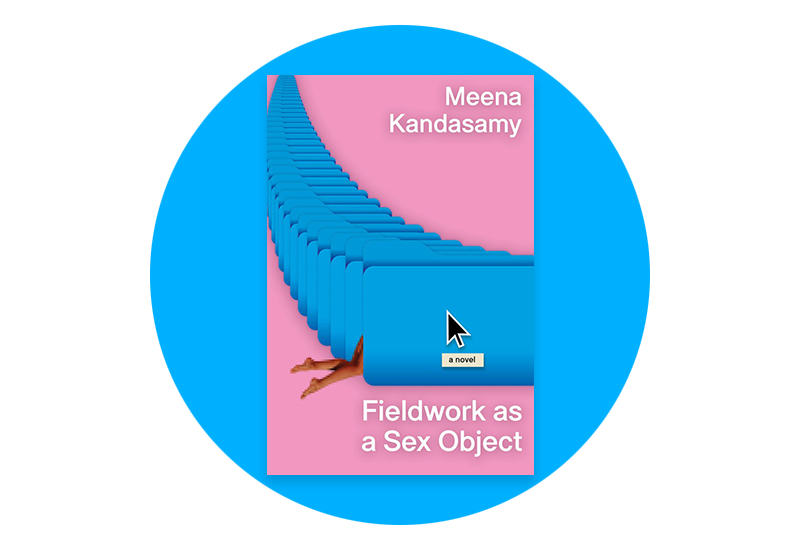 Meena Kandasamy, Fieldwork as a Sex Object
Soft Skull, November 24
Sometimes you pick up a book on a whim and it just hits. I’m sure you know what I mean: whether because of the cover or a blurb or a friend’s recommendation or just something about the first pages, you are simply in. So it was with Fieldwork as a Sex Object, which Kandasamy structures as a kind of found-text, the ‘true’ story of its main character Amrita, whose life explodes when a deepfake sex-tape featuring her face (but not her body) goes viral. What ensues is a snappy and furious assault on incels, the caste system, internet echo chambers, modern romance, and so much more. It made me want to get off social media for good, it made me crack up multiple times, and it caught me by total surprise several times more. It might be one of the great depictions of this terrible time, a visceral reminder of how cruel this world can be to women simply because they’ve made men feel bad. –DB

Emily Temple
Emily Temple is the managing editor at Lit Hub. Her first novel, The Lightness, was published by William Morrow/HarperCollins in June 2020. You can buy it here.