11 Books That Confront and Interrogate the Violence of a Class Society
From the Economic Hardship Reporting Project
I helped create and run the media non-profit Economic Hardship Reporting Project, which the late great Barbara Ehrenreich founded. In a time of journalism lay-offs, newsroom shut downs and right-wing-media takeovers, we support heavily reported and fearless nonfiction, including books.
In this moment when unaffordability has become a political obsession, I decided to create a list of some of our favorite books about inequality, economic insecurity or poverty. I enlisted Ann Larson, an EHRP author and fellow who has a forthcoming reported book based on her job in a supermarket, to help create it with me. (I am the author of eight books, many about inequality, including Squeezed and Bootstrapped)
As she and I have written previously, the best of these kinds of books reject the bootstraps myth that individuals “escape” grinding poverty via personal merit, and those who remain simply haven’t worked hard enough. (This is the thinking that has helped to launch JD Vance’s grubby political career). Jettisoning these myths is a step towards confronting the real violence of a class society.
The books highlighted below offer what I call “precariat power.” Many of these authors use an approach developed by French writers like Annie Ernaux who blends memoir with sociological investigation. These authors are not “working class traitors” but rather “class defectors.” We created this list of some of the best titles, new, older and forthcoming on some of the biggest themes of our time, affordability and social mobility. Below are books of nonfiction, memoir but also poetry. Many are by EHRP contributors.
*
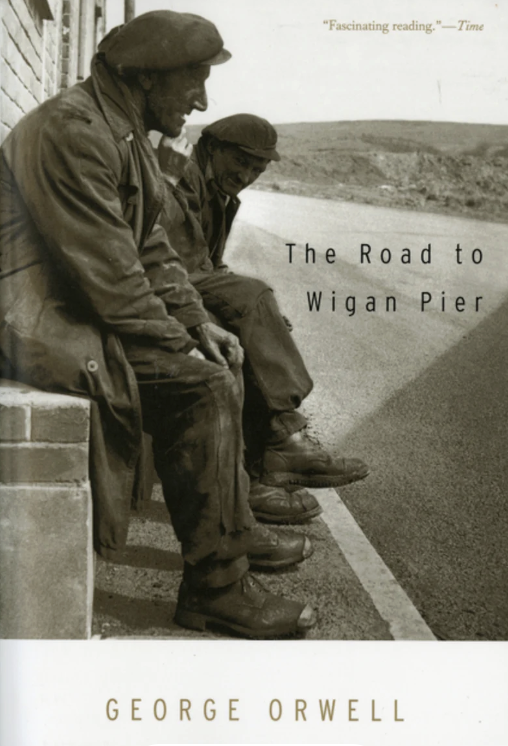
The Road to Wigan Pier, George Orwell
Before he wrote 1984 and Animal Farm, Orwell was a journalist known for biting social criticism. In the 1930s, he traveled to the industrial north of England to write about coal miners. He lived with workers and documented their lives of poverty and illness in cramped quarters and unsanitary conditions. The experience confirmed his belief that socialism was “elementary common sense.”
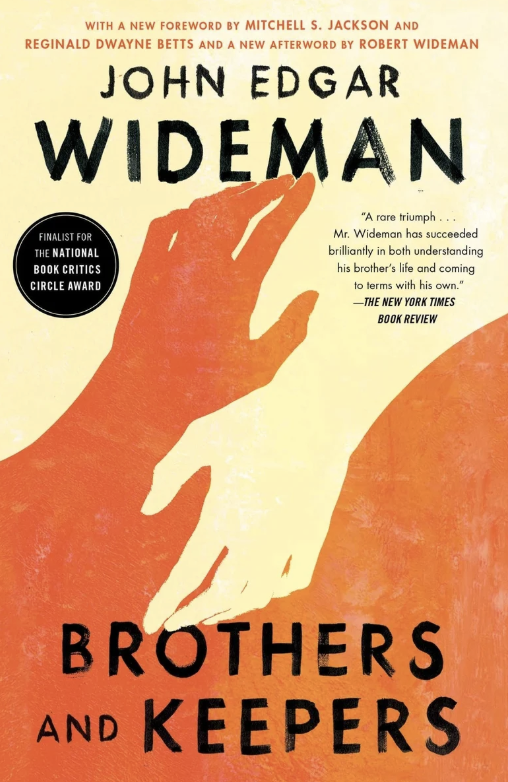
Brothers and Keepers, John Edgar Wideman
John Edgar Wideman’s 1984 book about his relationship with his brother who is in prison for murder is riveting, devastating and narratively inventive. Themes of privilege, guilt, and racism are bound up with the question of what family members whose life paths diverge owe themselves and each other. Wideman forces us to confront how some people’s privileges “are purchased by vast injustices visited upon others.”
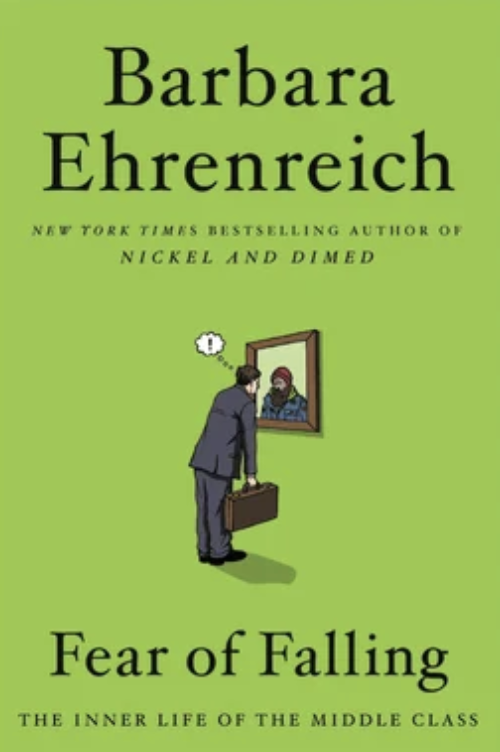
Fear of Falling: The Inner Life of the Middle Class, Barbara Ehrenreich
Before Nickel and Dimed made her a household name, Ehrenreich revealed the secret life of the middle class. She showed how people who owned homes and appeared to be on solid ground were actually living in terror that one misstep could send them off a financial cliff. The anxiety helped explain a rightward turn in American politics that we are still living with today.
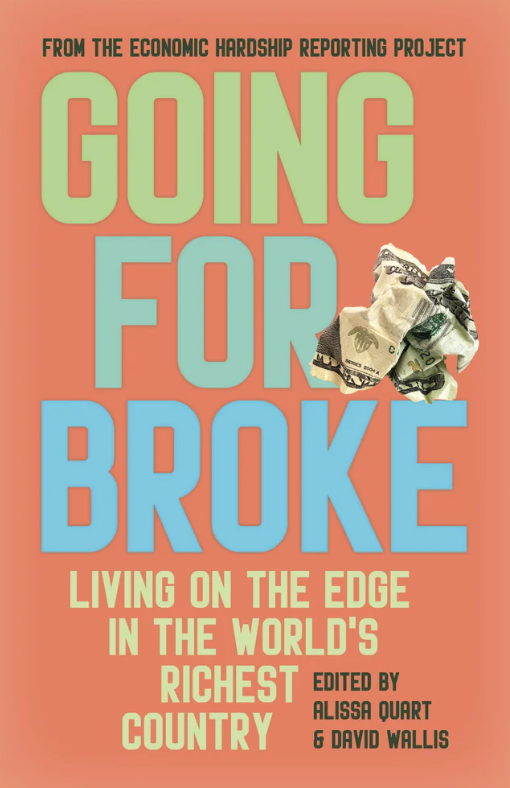
Going for Broke, EHRP’s anthology
Going for Broke, edited by the Economic Hardship Reporting Project, gives voice to a range of gifted writers for whom economic precarity is more than just another assignment. These dozens of fierce and sometimes darkly funny pieces reflect the larger systems that have made writers’ bodily experiences, family and home lives, and work far harder than they ought to be.

Returning to Reims, Didier Eribon
After the death of his father, Eribon returns to his hometown in France after a 30-year absence. For years, his family had been a symbol of homophobia and racism. But as Eribon rediscovers the working-class life he had abandoned and reconnects with his mother, the book becomes an investigation into how social domination leads to troubling political outcomes and social alienation.
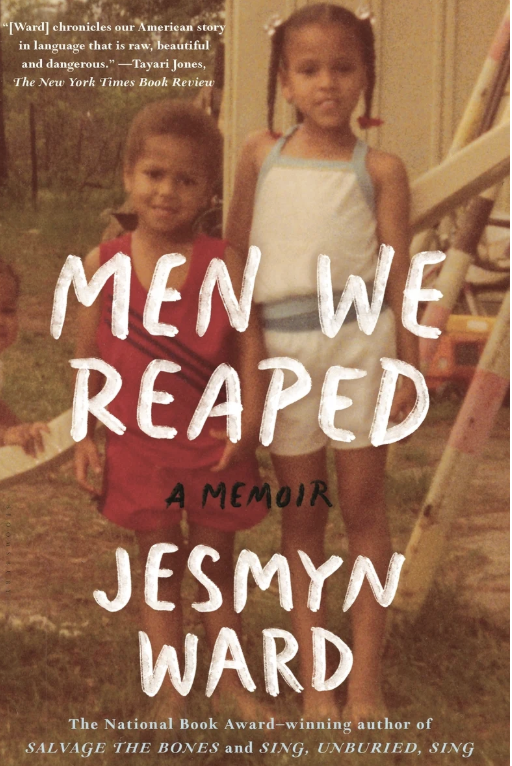
Men We Reaped, Jesmyn Ward
The award-winning novelist’s memoir chronicles the loss, within five years, of five young men in her life. In prose that vibrates with pain and anger, Ward shows the role of larger social forces in the men’s lives. They may have died from suicide, drugs, and accidents. But they were victims of racism, poverty, disconnection, and social abandonment.
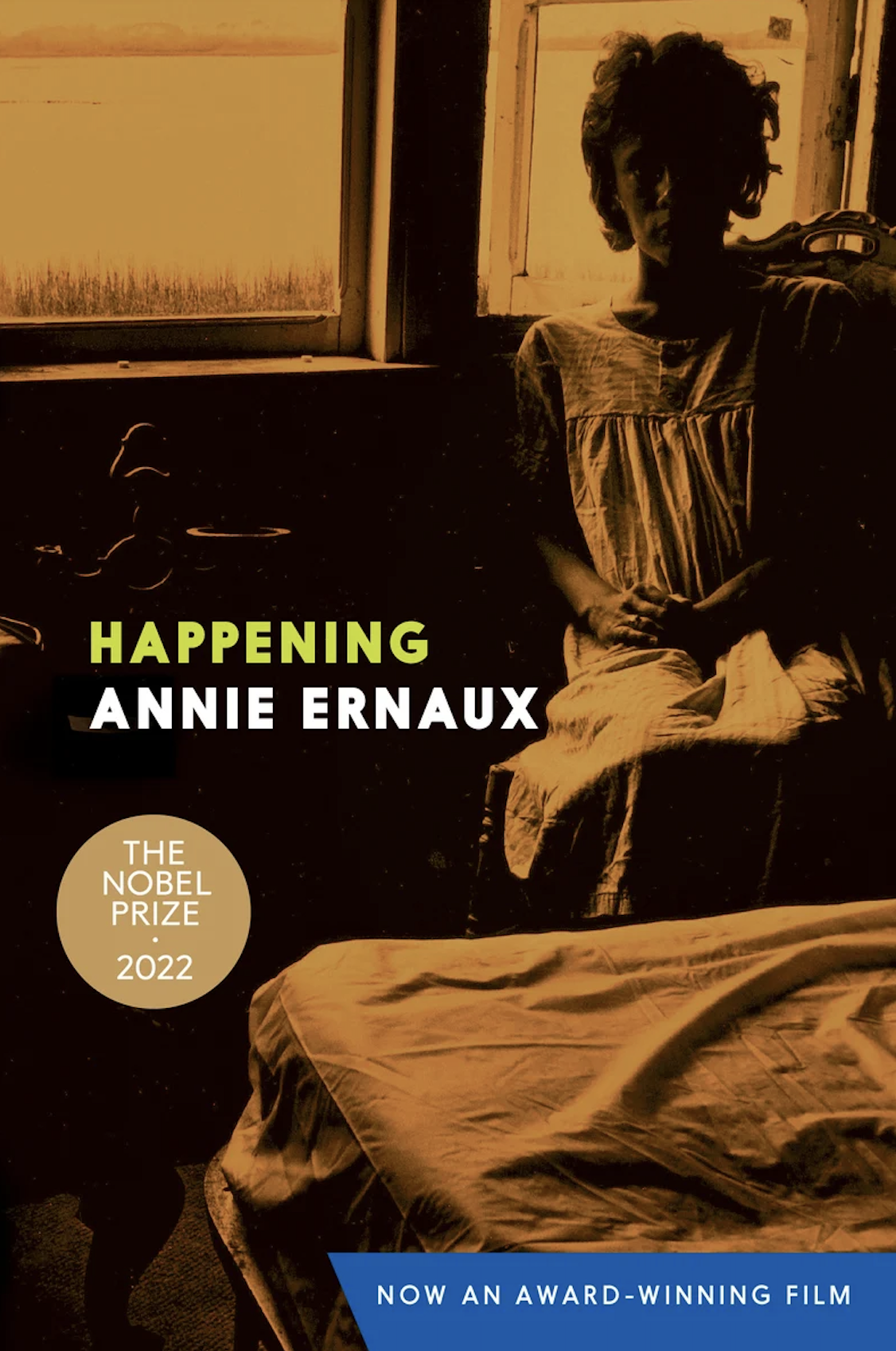
Happening, Annie Ernaux
One of the originators of the “class defector” memoir in France, Ernaux often uses her life story to investigate society. Happening describes her grueling battle to end her pregnancy in the years before abortion was legal. Based on excerpts from her journal, the Nobel Prize winner connects her own experience to the forces of social class and religion that shape women’s lives.
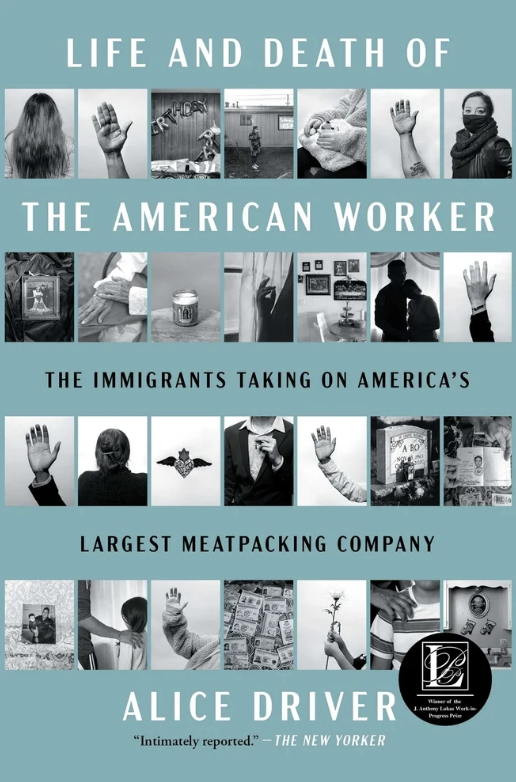
Life and Death of the American Worker, Alice Driver
Driver uses the tools of journalism and memoir to tell the stories of workers in a Tyson Foods chicken processing plant in Arkansas in the aftermath of a chemical accident. Driver must gain the trust of the immigrant workers as they battle with the company in court and watch their colleagues and family members get sick and die from Covid. Gripping and deeply reported, Life and Death is an inside view into a world that most of us don’t see.

Personal Problem, Brendan Joyce
These poems read like a memoir about money, class, work and the economic foundations of ecological disaster. Joyce’s language focuses us on our perception of time and how capitalism turns us all into commodities.
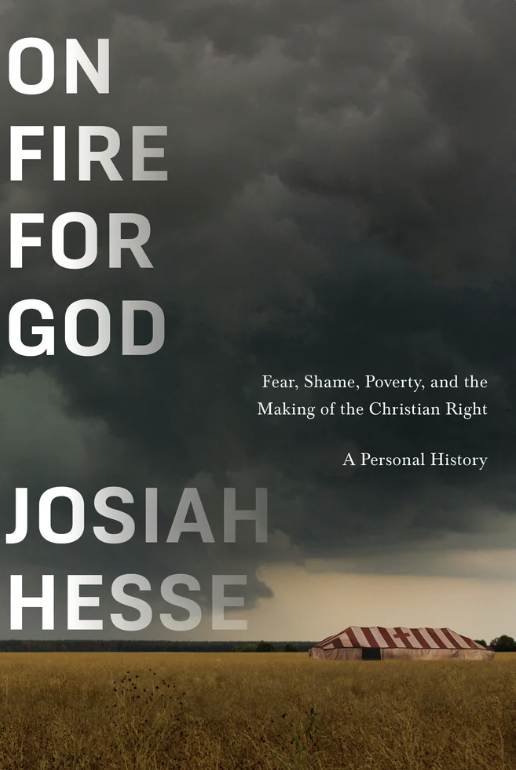
On Fire For God, Josiah Hesse
Part rebuttal to JD Vance’s Hillbilly Elegy and in the tradition of Tara Westover’s Educated, Hesse writes about returning to his Iowa hometown in search of an explanation about the trajectory of his own life and to gain a deeper understanding of the relationship between fundamentalist Christianity, economic precarity, and right-wing politics.
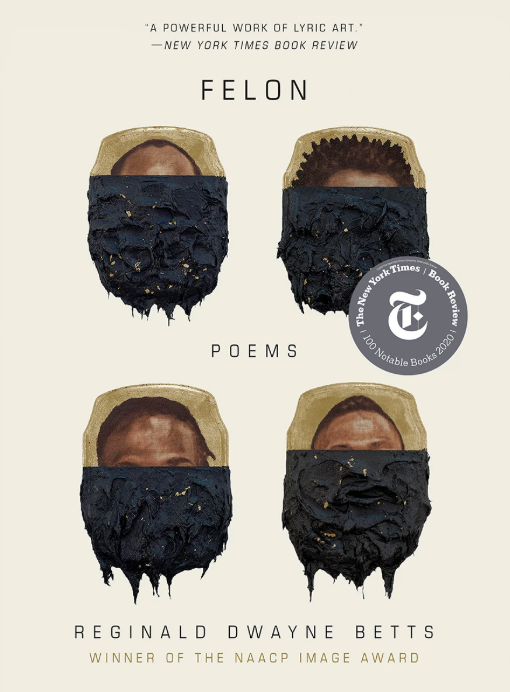
Felon: Poems, Reginald Dwayne Betts
In what the New York Times Book Review called “a powerful work of lyric art,” Betts uses a variety of poetic forms from found poems to the sonnet to explore the effects of incarceration and its aftermath.

Ann Larson and Alissa Quart
Ann Larson is a writer and activist focused on economic justice. Her writing on education, debt, and low-wage work has appeared in the New Republic, the Chronicle of Higher Education, and the Los Angeles Times, among other publications. She is co-author of Can't Pay Won't Pay: The Case for Economic Disobedience and Debt Abolition and has given many invited talks on debtor activism, including at Brooklyn College, Western University, UCLA, and Harvard Law School.
Alissa Quart is the author of five acclaimed books of nonfiction including Bootstrapped: Liberating Ourselves from the American Dream (Ecco, 2023, out now in paperback). They Are Squeezed, Republic of Outsiders, Hothouse Kids, and Branded. She is the Executive Director of the non-profit the Economic Hardship Reporting Project. She is also the author of two books of poetry Thoughts and Prayers and Monetized. She has written for many publications including The Washington Post, The New York Times, and TIME. Her honors include an Emmy, an SPJ award and a Nieman fellowship. She lives with her family in Brooklyn.