What Doireann Ní Ghríofa is Reading Now, and Next
Taking a Peek at the TBR Pile of the Author of Said the Dead
In her new book, Said the Dead, Doireann Ní Ghríofa is “the Reader,” a third-person protagonist. “In the asylum edgelands, she stumbled on a ghost story,” Ní Ghríofa writes. Following clues of happenstance and augury, she seeks the details of a woman’s life: Dr. Lucia Strangman. A Victorian oddity, Lucia ran the women’s wing of a mental hospital in Ní Ghríofa’s home town of Cork, Ireland. Some patients are arguably mad, others thrashing against their circumstances. Lucia is a largely benevolent force, found in the hospital casebook’s endless descriptive lines. Through archival ephemera, Ní Ghríofa conjures moments of Lucia’s life and those of her many patients in vivid detail, giving texture to these largely forgotten lives.
Soon, Ní Ghríofa is rooting around the condemned buildings where everything took place. She pushes past broken fences and walks among graves. She begins hearing things, voices. As the veil between past and present thins, Ní Ghríofa is seen in the asylum’s halls by its 19th-century patients; the committed women speak to Ní Ghríofa from present-day moldering rooms. Periodic casebook-like lines describe Ní Ghríofa as if she were Lucia’s patient:
Wanders from home,
Deserting her children
On Christmas morning.
Said … she heard
a ghost speak at the chapel.
She had always heard voices, but, considering the lines in the hospital’s casebook, it’s clear where she—and so many others—would have found herself in a different century.
–Diana Arterian
______________________________________
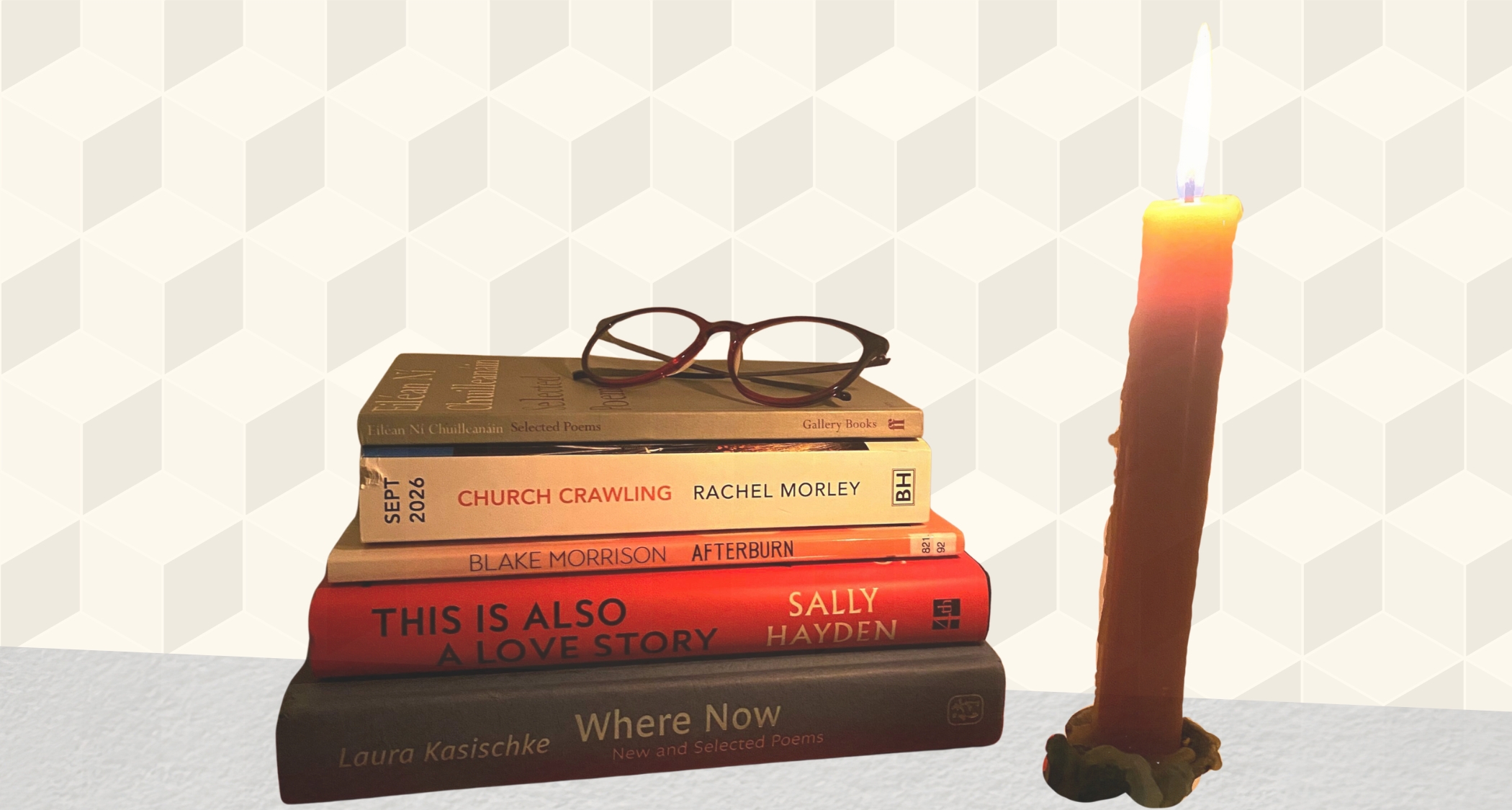
In addition to her books, on her nightstand Ní Ghríofa has:
· My reading glasses (which I really should be wearing).
· This old candlestick is such a mess, but I am fond of it. I wrote most of Said the Dead in my car, but whenever I had to abandon my usual writing spot to write indoors, I would often light a candle to guide me. This spilled wax is all that remains of the many candles burned by this book.
· Unphotographed: The phone I keep trying to ignore, which I used to take this photo, but I wish I could throw out the window.
Describing her own reading style, she calls herself “a dipper.” “I often keep a handful of books (or more) on the go: a couple of poetry collections, a novel, an art book, some nonfiction… I dip and tilt from one to the other, never bored.”
Here are the books on Doireann Ní Ghríofa’s nightstand and her thoughts on each book:

Joff Winterhart, Dear Historian
This graphic novel captures a friendship between a broken-hearted TV producer and an elderly historian. It’s such an addictive read; every time I pick it up, I get lost in it and forget all about my cursèd phone (a rare treat).
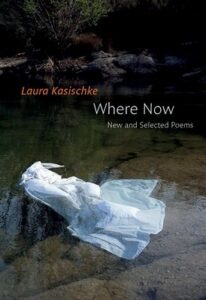
Laura Kasischke, Where Now
A cherished favourite of mine; this must be my fourth or fifth whirl through its pages. I never tire of it—midway through a poem, one of her verses might leap or dive or pirouette in the most unexpected way. Magnificent.
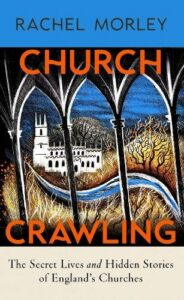
Rachel Morley, Church Crawling
Church Crawling is Rachel Morley’s charming new study of England’s churches. Although I first read it some months ago, I’ve been dipping back in recently, both to take pleasure in its delightful descriptions, and to assemble a hitlist of those I intend to visit someday. It isn’t every book that sets its reader daydreaming a road-trip!
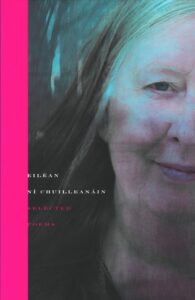
Eiléan Ní Chuilleanáin, Selected Poems
This beautiful Faber edition of Eiléan Ní Chuilleanáin’s Selected Poems has been keeping me company since midsummer. I’ll often read a page or two right before I fall asleep. It’s such a magnificent body of work, each poem like opening a secret door into a new room. I admire her with all my heart.
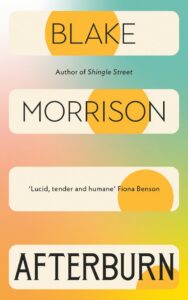
Blake Morrison, Afterburn
Afterburn is the first book I’ve read by Blake Morrison, and I have been enjoying his poems so much that I plan to read all his previous books. I have quite an adventure ahead, since he has published widely across novels and memoir. Exciting!
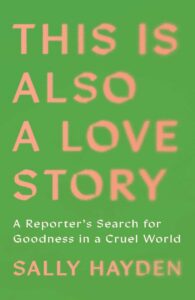
Sally Hayden, This is Also a Love Story
Next on my list, though (and very much anticipated), is This is Also a Love Story. I’ve been looking forward to this one all summer. Sally Hayden’s reportage is always deeply humane, rigorous and challenging, and this new book promises to be an education.

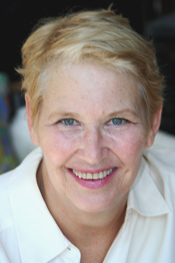
Doireann Ní Ghríofa
Doireann Ní Ghríofa is a poet and an essayist. Her first prose work, A Ghost in the Throat, was a National Book Critics Circle Award finalist; the winner of the Irish Book Awards' Book of the Year, the Foyles Nonfiction Book of the Year, and the James Tait Black Prize; and a nominee for the Rathbones Folio Prize. It was named a best book of the year by The New York Times, NPR, The Guardian, The Observer (London), The Irish Times, and The Globe and Mail. Ní Ghríofa is also the author of numerous acclaimed books of poetry. She is the recipient of a Lannan Literary Fellowship, the Ostana Prize, a Seamus Heaney Fellowship, and the Rooney Prize for Irish Literature.