The Great American Road Trip Novel Isn’t Just For White People
Winnie M. Li Recommends Valeria Luiselli, William Least Heat-Moon, Jesmyn Ward and More
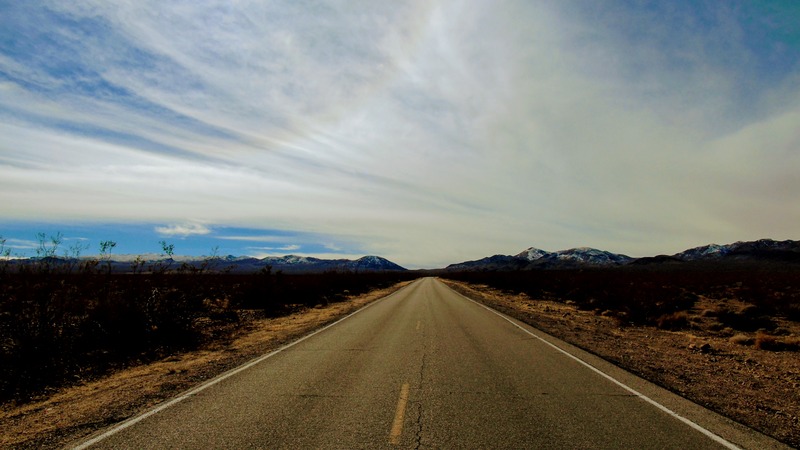
When I began thinking about my third novel, What We Left Unsaid, I always knew I wanted to write a version of The Great American Road Trip—only this time, from the perspective of Asian-Americans. The road trip narrative is a familiar sub-genre, but from On the Road to The Grapes of Wrath to Thelma and Louise, the Great American Road Trip has always seemed like the purview of white protagonists. Where are the protagonists of color?
And yet, by ignoring race, these road trip narratives are missing a trick. As an Asian-American travel addict, I’m well aware that highly visible elements of our identity—like our ethnicity or gender—greatly impact how we are perceived and treated, as we move through the world. And a cross-country road trip—an exciting, liberating adventure for someone like Jack Kerouac—can be an anxious journey full of threat and potential violence for a person of color.
What We Left Unsaid is part family drama, part travelogue, part meditation on America’s past and present, as three estranged Taiwanese-American siblings decide to drive the iconic Route 66—and discover much about their own country which they didn’t know. Like many authors before me, I found the Great American Road Trip offered a rich template for exploring issues of identity, belonging, the immigrant experience, and the conundrum that is America.
Here are eight books (both fiction and non-fiction) that narrate this most American of stories from the perspective of people of color:
*
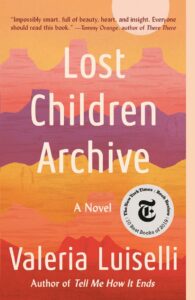
Lost Children Archive by Valeria Luiselli
A critical darling, this literary novel by Mexican-born Valeria Luiselli is also very much a road trip narrative, using a fragmented approach to tell the story of two sound archivists and their children, on a road trip from New York City to Apacheria, New Mexico. Layered within its experimental form is a commentary on immigration and 21st century America, as the family regularly encounters Latinx migrants whose own families have been disrupted by the indifference of American immigration policies. The final 100 pages are a thrilling, heart-stopping adventure in the New Mexico desert, picking up the pace with unexpected urgency and narrative anxiety.
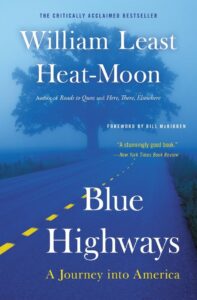
Blue Highways: A Journey into America by William Least Heat-Moon
This is the book I always recommend when asked about US road trip narratives. A bestseller upon publication in 1982, this memoir chronicles Least Heat-Moon’s 13,000-mile road trip around the perimeter of America. He drove only on two-lane ‘blue highways,’ avoiding the large interstates and taking him through small towns and neglected corners of the country. The result offers both beautiful prose and an intimate glimpse of an America which may no longer exist. Least Heat-Moon is part-indigenous, and his sensitive awareness of race, class, and historical inequalities enriches his anthropological, but poetic style.
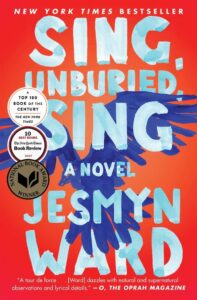
Sing, Unburied, Sing by Jesmyn Ward
Thirteen-year-old biracial Jojo, his toddler sister and their drug-addicted mother drive across rural Mississippi to meet their father, who has just been released from prison. Told from multiple perspectives in first-person voice, Ward’s critically acclaimed novel presents a gritty Odyssey through an America beset with poverty, racism, drug addiction, and incarceration. But by incorporating the recurring ghost of Richie, a thirteen-year-old inmate who befriends the children—Ward combines the Southern Gothic with a socio-realist tradition in a voice that is both visceral and intimate.
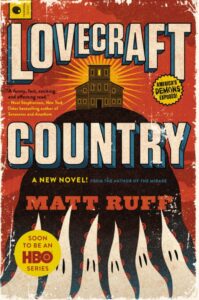
Lovecraft Country by Matt Ruff
A road trip occupies the first part of this entertaining dark fantasy novel, which tells the story of a 1950s Black-American family in Chicago, who are fans of science fiction, (despite the racism of seminal genre writer H.P. Lovecraft.) Their journey to rural Massachusetts to confront a family curse evokes the danger of historic ‘sundown towns,’ where Black travelers were not permitted to be outside past sunset. Ruff combines supernatural threat with the very real-life menaces of racial prejudice in America, and he does not hesitate to address the lasting trauma of historical tragedies like the Tulsa massacre of 1921.
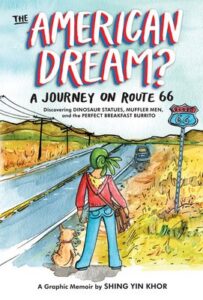
The American Dream?: A Journey on Route 66 Discovering Dinosaur Statues, Muffler Men, and the Perfect Breakfast Burrito by Shing Yin Khor
A debut graphic memoir by Malaysian-born Khor, who set off on a solo road trip from Los Angeles down Route 66, accompanied by her loyal dog Bug. The book convincingly captures the ironies of America: the kitschiness of Route 66’s Americana is juxtaposed against Khor’s reflections on belonging to this nation, as a recent immigrant. The visual element of her storytelling evocatively portrays America’s vast desertscapes and cityscapes, while bringing the journey to palpable life for teenage readers.
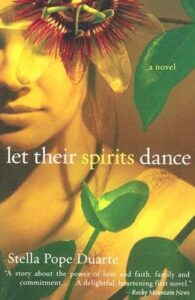
Let Their Spirits Dance by Stella Pope Duarte
Duarte’s debut novel from 2002 follows the multi-generational Ramirez family, who road-trip from Arizona to the Vietnam War Memorial in Washington, D.C. to honor their fallen son Jesse who died thirty years earlier in service. Duarte’s writing features detailed prose and a moving storyline, encompassing grief, healing, and the losses borne by a Latinx family in the name of American patriotism.
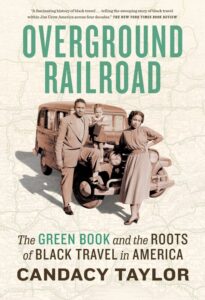
Overground Railroad: The Green Book and the Roots of Black Travel in America by Candacy Taylor
This fascinating work of non-fiction provides an account of the Green Book, the ‘bible of black travel’ in mid-20th century America, which listed motels, gas stations, and businesses safe for Black travelers at a time of segregation. Taylor visited more than 400 Green Book sites and photographed 200 of them, and her book documents the enterprise and solidarity of the Black community, which made cross-country travel possible for them despite the very real danger of racism and violence.
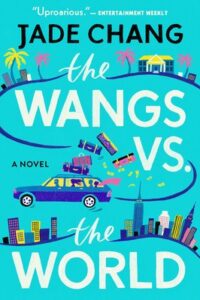
The Wangs Vs. the World by Jade Chang
Aside from mine, this was the only other novel I could find which features Asian-American protagonists on the Great American Road Trip. Told in a comic, vibrant tone, this picaresque story follows the very wealthy Taiwanese-Chinese Wang family, who suddenly lose their fortune in the 2008 financial crisis and embark on a California-to-New York road trip, in a final bid for salvation. Their family friction and riches-to-rags plight ups the comic and dramatic ante, as the Wangs encounter the very different day-to-day lives of other Americans on their cross-country journey.
Of course, one of the best parts of writing a road trip novel is the field research—which for me, involved driving Route 66 over three weeks in October 2021 with my British partner and 1-year-old in tow. But if you can’t go on the journey itself, a road trip by book can provide just as illuminating a perspective.
_______________________________
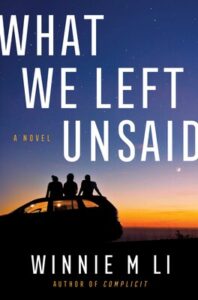
What We Left Unsaid by Winnie M. Li is available from Atria/Emily Bestler Books, an imprint of Simon & Schuster.

Winnie M. Li
Winnie M Li is an American author and activist living in the UK. A Harvard graduate, Winnie has written for travel guidebooks, produced independent feature films, programmed for film festivals, and developed eco-tourism projects. Her first novel, Dark Chapter, was nominated for an Edgar Award and translated into ten languages, followed by the critically acclaimed Complicit, which was a New York Times Editors’ Choice. A survivor and advocate against gendered violence, Winnie holds a PhD from the London School of Economics in Media and Communications and is an Assistant Professor in Creative Writing at the University of Birmingham.