Ten Great Nonfiction Titles to Read in July
Featuring Books by Cal Flyn, Eyal Weitzman, Michael Cunningham, and More
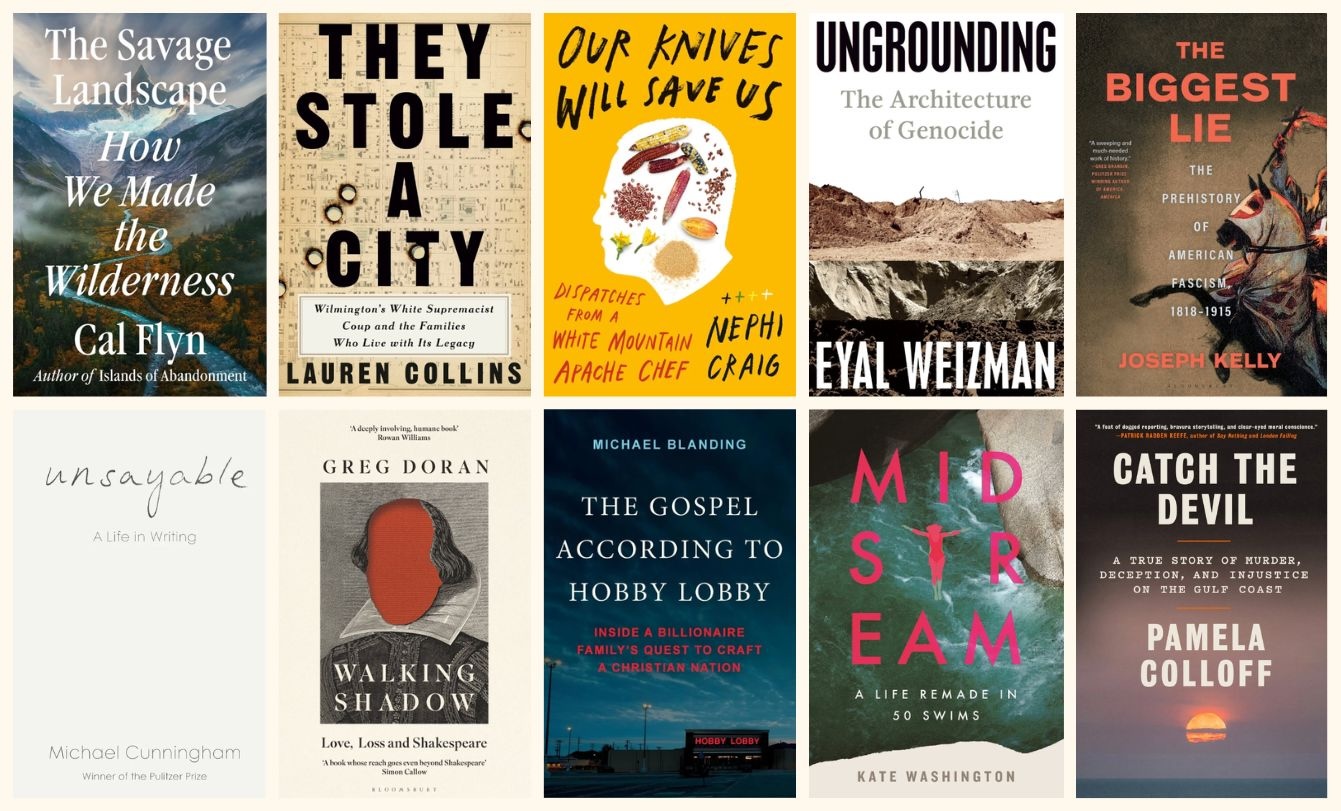
From the world’s wildest places to the origins of American fascism to memoirs of grief and recovery, July’s nonfiction has something for everyone.
*
The Savage Landscape, Cal Flyn
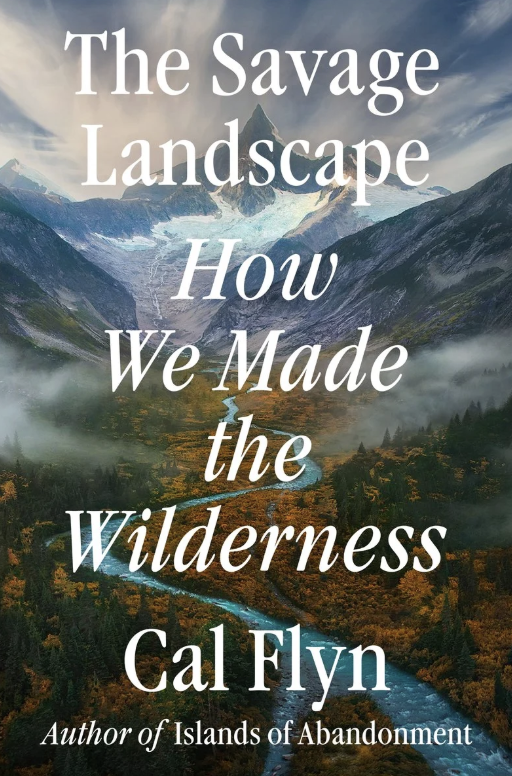
Flyn’s 2021 book, Islands of Abandonment, was a wonderfully written, compelling exploration of the planet’s abandoned spaces, those previously human-occupied landscapes—exclusion zones, slag heaps, DMZs—allowed, by design or by necessity, to return to a state of nature. Her latest has her traveling to the world’s wildest spaces in an exploration of humanity’s often fraught (and definitely complex) relationship to what we call wilderness, from the deepest, darkest forests to the most forbidding mountaintops.
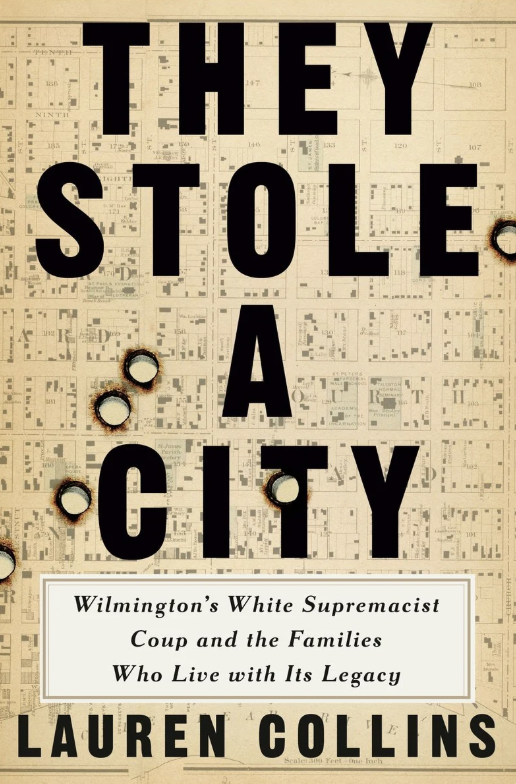
They Stole a City, Lauren Collins
It has been gratifying, over the past several years, to see so many deeply researched historical accounts of the 1898 white nationalist coup in Wilmington, North Carolina, particularly in the face of ongoing Republican attempts to censor American history. If you’re unfamiliar with the story, the city’s leading white citizens—most of them Klan members and white supremacists—violently seized power from rightfully elected Black citizens and stole property (and lives) from Wilmington’s rising Black middle class. It was arguably Reconstruction’s last gasp and the ultimate expression of the Jim Crow policies of the preceding 20 years. Unlike other accounts, Collins delves further back into Wilmington’s past to create a truly panoramic context for the only successful coup in American history, while also tracing its fallout well into the 21st century.
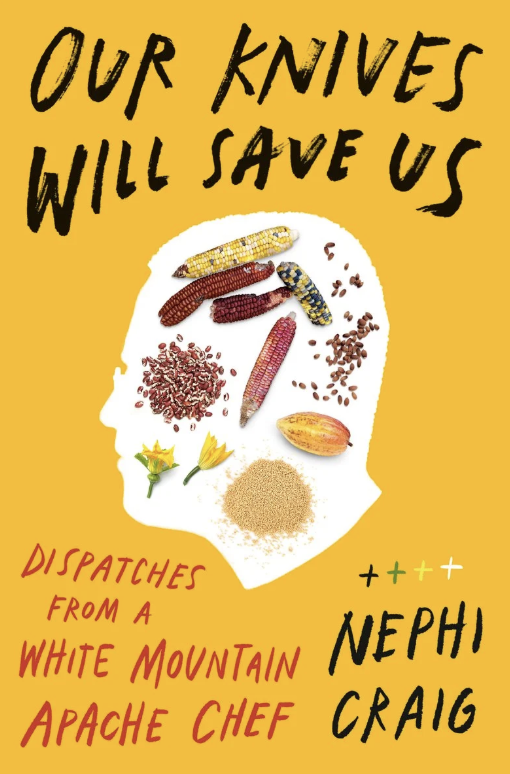
Our Knives Will Save Us, Nephi Craig
Craig’s compelling and brutally honest memoir tells the story of a White Mountain Apache teen struggling with addiction, and the lifeline he finds to the wider world via culinary school. But what Craig soon discovers, as he moves rapidly up into the elite echelons of the restaurant world, is that Indigenous food isn’t even acknowledged as a legitimate cuisine. When faced with a difficult career choice, compounded by ongoing struggles with addiction, Craig realizes that his true home is working with the foods of his ancestors. A necessary corrective to the cultural erasure of First Nations foodways.
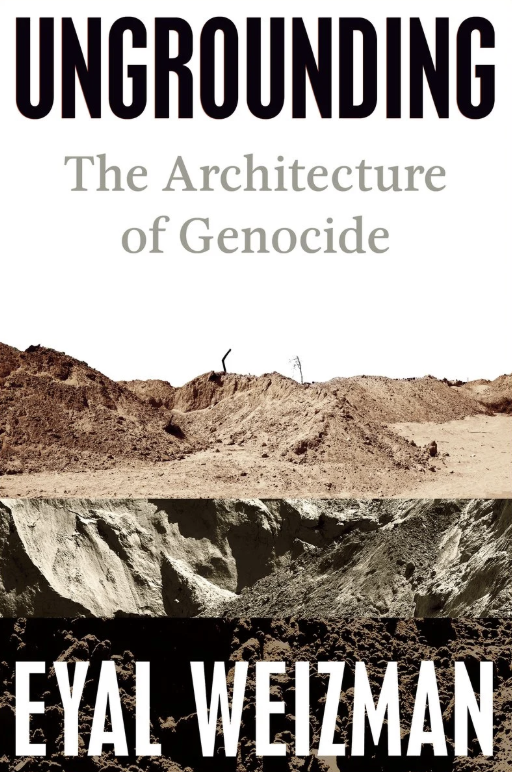
Ungrounding, Eyal Weitzman
Weitzman is the founder and director of Forensic Architecture, an international watchdog group that investigates military violence as it relates to the destruction of the built environment, particularly as a strategy of ethnic cleansing or genocide. Weitzman has spent the last five years examining Israel’s deliberate annihilation of Gaza and the murder of its citizens—Ungrounding (a term used to describe the obliteration of territory that extends below the surface of the earth) is the result of that work.
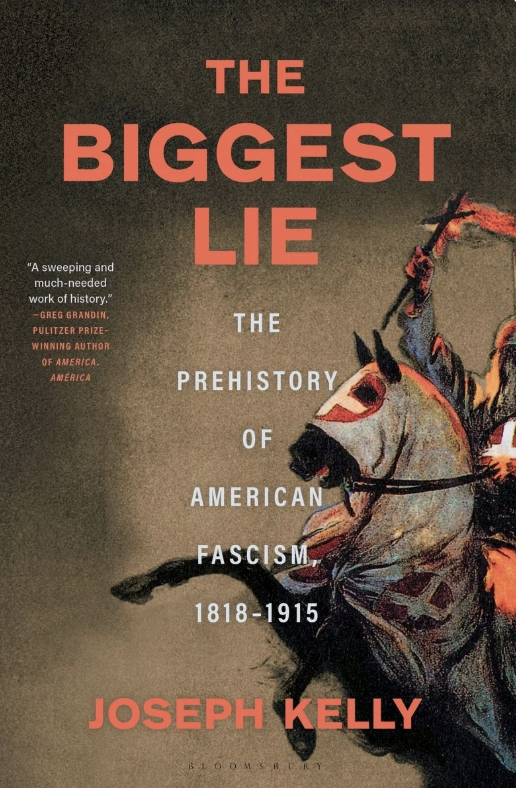
The Biggest Lie, Joseph Kelly
The word fascism might have its roots in ancient Rome, and as an ideology saw its largest manifestations in the nations of Europe, but it is not, argues Kelly, an import to the United States. Drawing a straight line between the Christian nationalism of the antebellum South to the enthusiastic Nazi crowds of 1930s Wisconsin, The Biggest Lie reveals the dark origins of America’s homegrown (and still growing?) version of fascism.
Unsayable, Michael Cunningham
The mark of a great craft book is if you’re unable to read it straight through. That is to say, it makes you so eager to write yourself that you simply have to keep putting it down. Unsayable has this quality, but also the more traditional marker of a beloved book, which is that it’s too compelling to set aside. Part memoir, part new classic of craft, this one is spectacular by any measure.
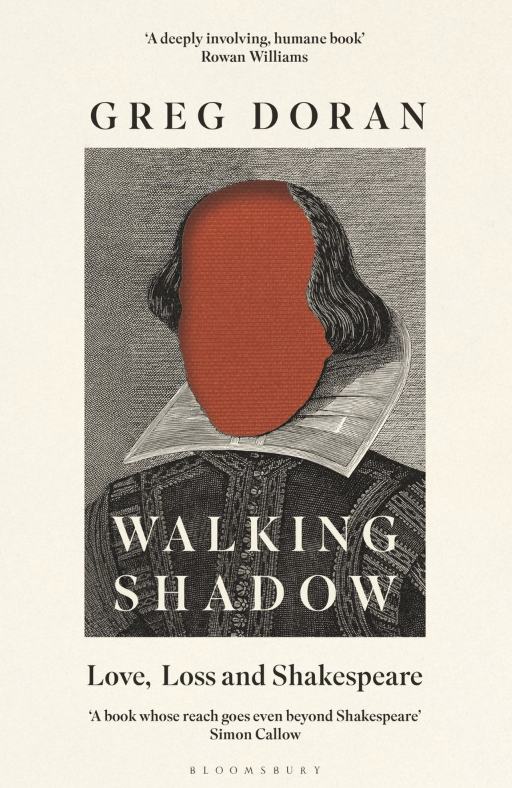
Walking Shadow, Greg Doran
When Greg Doran—the former artistic director of the Royal Shakespeare Company—lost his husband, actor Antony Sher, to cancer, he embarked on a quest, on the 400th anniversary of Shakespeare’s First Folio, to track down surviving folios across the world. This book is many strands at once: a beautiful tribute to a relationship, told across both men’s diary entries in the months from Sher’s diagnosis to his death; a story of deep grief; a history; a travelogue. Doran’s curiosity, humor, and honesty tie them all together beautifully.
The Gospel According to Hobby Lobby, Michael Blanding
File this book into the category of stomach-churning and essential. The former is a testament to Blanding’s storytelling ability—the problem is the story itself, about the family that founded and owns Hobby Lobby and its handsomely funded, radical religious agenda, is deeply disturbing. We’re currently living in the America the Green family helped create, so we’d do well to read up on how they did it.
Midstream, Kate Washington
Kate Washington’s 2021 memoir Already Toast was a chronicle of caregiver burnout in a country with no (or even, negative) safety net. In Midstream, Washington faces the fallout of the events of that book, including a divorce, and embarks on a quest to complete 50 swims, in 50 different bodies of water, before she turns 50. It’s a book that manages to be life-affirming without a trace of the saccharine.
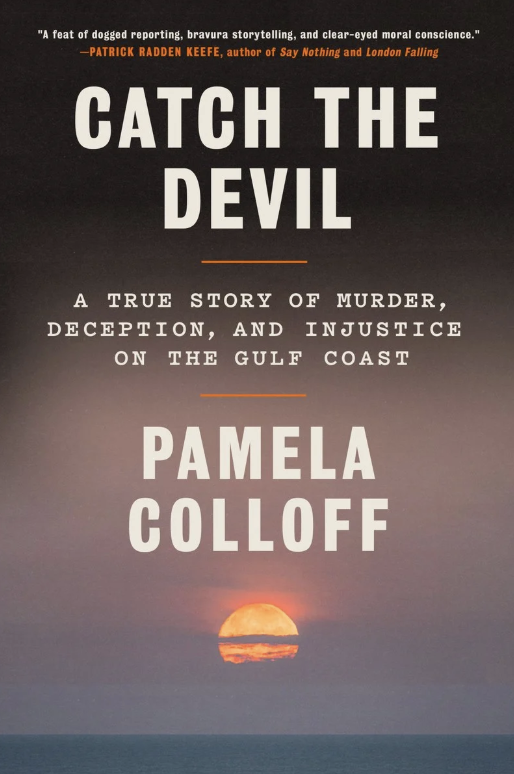
Catch the Devil, Pamela Colloff
Pamela Colloff’s crime writing (she has written fascinating, meticulously researched pieces for Texas Monthly, ProPublica, and The New York Times Magazine) has changed the way I thought about forensic evidence. The public value of her work looking into instances of grave miscarriages of justice has enormous social value, and on top of that, she’s just a really great writer. Her first book, Catch the Devil tells the story of a serial con man whose testimony helped send a man to death row for a murder he didn’t commit.