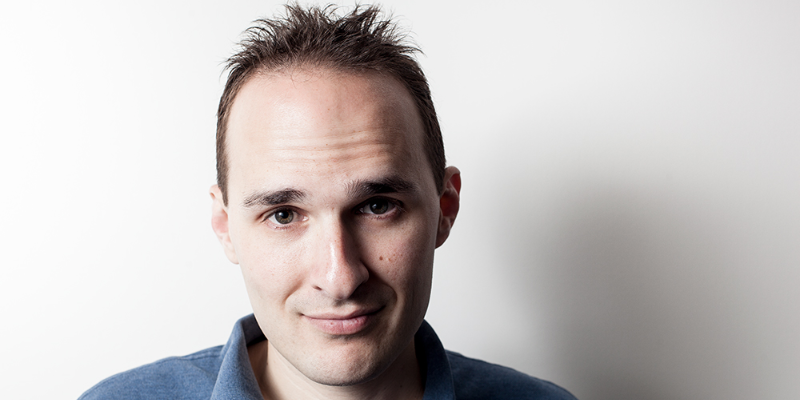
Isaac Chotiner on Deep Knowledge and Gotcha Interviews
In Conversation with Merve Emre on The Critic and Her Publics
Welcome to season four of The Critic and Her Publics: The Art of the Interview. This season, host Merve Emre talks with professional interviewers of all kinds about how they get the answer they’re looking for, what makes a good question, how do you listen for what’s unsaid, and how hard do you have to push someone before they say something new?
Subscribe to The Critic and Her Publics, available wherever you get your podcasts!
From the episode: “I don’t understand why people talk to Isaac Chotiner when his reputation precedes him. He’s the best interview-assassin at work today, maybe the best ever. I suspect that each guest thinks they’ll be the one to finally best Isaac—and Isaac makes good work of that hubris. He calmly and respectfully dismantles arguments that people make about everything from the wars in Ukraine and the Middle east to gerrymandering, genocide denial, and deportation. But he also has an obvious appreciation for deep knowledge, and for each ‘gotcha’ interview he conducts, there’s an expert interview, one where he lets someone who knows their trade inside and out explain it to his large and growing leadership.”
For a full transcript, head over to the New York Review of Books.
_________________________________
The Critic and Her Publics
Hosted by Merve Emre • Edited by Michele Moses • Music by Dani Lencioni • Art by
Leanne Shapton • Sponsored by Alfred A. Knopf
The Critic and Her Publics is a co-production between the Shapiro Center for Creative Writing and Criticism at Wesleyan University, New York Review of Books, and Lit Hub.
The Critic and Her Publics
The best and most prominent critics working today perform criticism on the spot, on an object they’ve never seen before. It’s a glimpse into brilliant minds at work as they perform how to think about art and culture. From the New York Review of Books and Literary Hub, The Critic and Her Publics is a limited series hosted by Merve Emre.