A reparative mini-reading list, in honor of America’s 250th.
Here's what to read while you really consider the country's legacy.
Happy (belated) 250th, America! We’re not exactly in the party mood this rainy Monday, but que sera. This weekend brought Washington a militaristic display, and most states a conundrum: how do we celebrate a country that is actively furthering a violent, fascist agenda, in and outside its own borders?
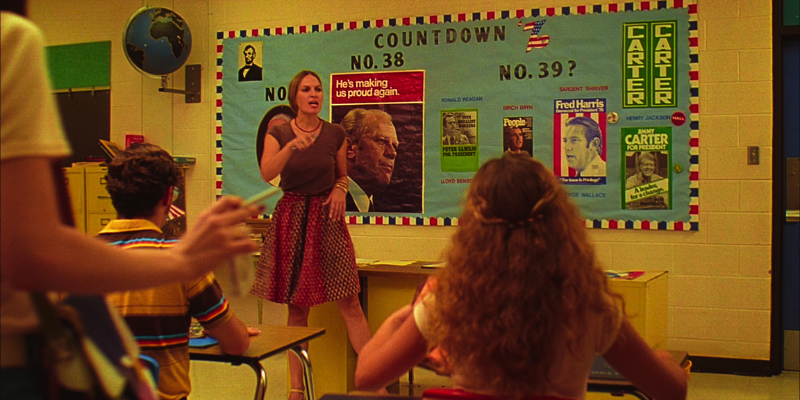
To paraphrase Dazed and Confused‘s Ms. Stroud on the day of the bicentennial, we can’t forget what we’ve been asked to celebrate: “the fact that a bunch of slave-owning, aristocratic white males didn’t want to pay their taxes.”
And yet, Woody Guthrie. Baseball. Hollywood! Jazz! What do we do about the pickle of American patriotism? A lot of our best writers have spilled ink on this question. Last week, some of the brightest minds of my generation left us angry elegies and poetic travelogues. But I left the weekend still craving some context for ye olde national experiment.
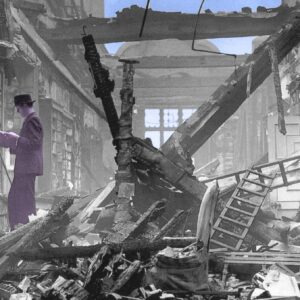
Here are a few blessed links to carry you into another epoch of wrestling with the U.S. of A. From historical correctives to reparative reading lists, the articles below all serve to remind us what actually can make America great: our long histories of revolt and resistance, and an abiding curiosity that transcends borders.
Robin D.G. Kelley’s “Do You Understand Your Own Language,” Hammer & Hope
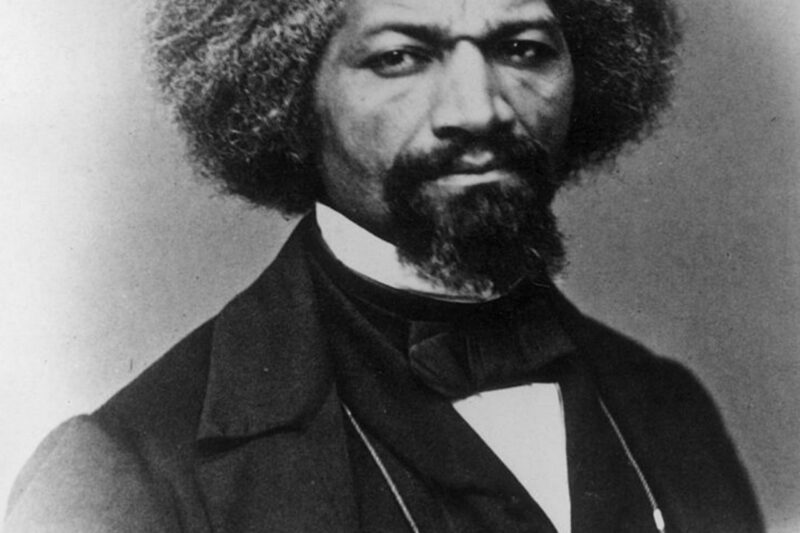
In this gripping historical essay, Kelley, a leading thinker and author in the Black radical tradition, close reads the Declaration of Independence alongside Douglass’ “famous jeremiad.”
Enlisting a dozen examples from the country’s early days, Kelley builds a case for making the Declaration a core text in Black Studies—despite all the document’s obvious oversights. “If the long movement for Black freedom claimed the Declaration and its various revisions as weapons, inspirations, a North Star, a nightmare,” Kelley writes, “then the Fourth of July is ours, too.”
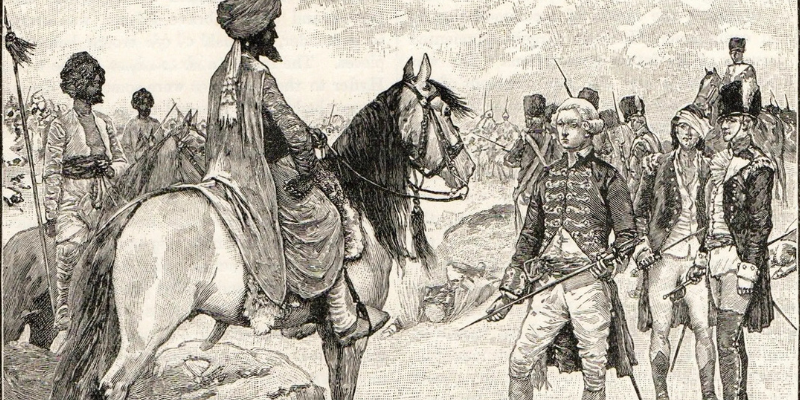
Ishaan Tharoor’s “Why The Last Battle of the American Revolution was Fought in India,” The New Yorker
My history education also managed to skirt much of the global context surrounding the American Revolution. This curious deep dive—from Tharoor’s new “Global Notes” column—places India at the center of a country-founding conflict.
This brief, curious history remembers key battles along India’s coast during the War for Independence. Battles that “have completely receded from the American imagination, even though, in some ways, the American rebellion was a sideshow to a far greater imperial drama.”
For those of us who needed a reminder that the country was not even forged in a vacuum, start here.
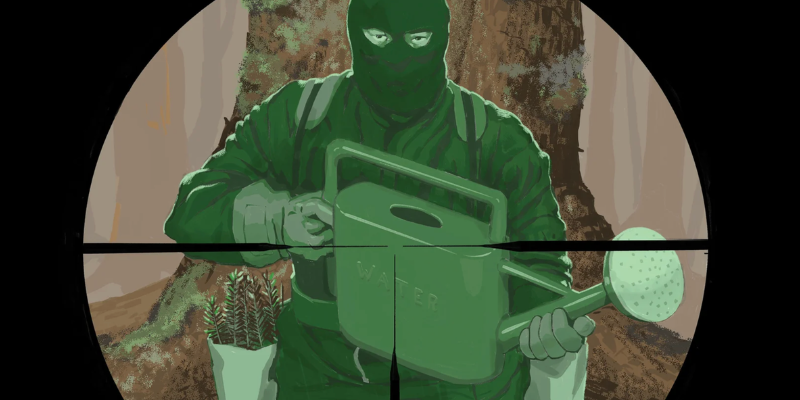
Lauren Fadiman, “How Environmentalists Became America’s First Modern ‘Domestic Terrorists,'” Current Affairs
This essay gets into some modern American movement history. Fadiman, an editor at Jacobin and Ph.D candidate in American history, carries us from the ongoing Stop Cop City protests in Georgia back to the early aughts, when certain folds of the green movement began to adopt violent tactics.
In remembering the Earth First! and Earth Liberation Front campaigns, Fadiman shines a light on a very American habit: armed resistance. (And another: movement death by government infiltration.) But the green radicals are a particularly unique case for making property, not people, their primary target.
Because distinguishing between terrorism and direct action remains a most American pastime, I’d say this is a fascinating piece to read on firework reflection.
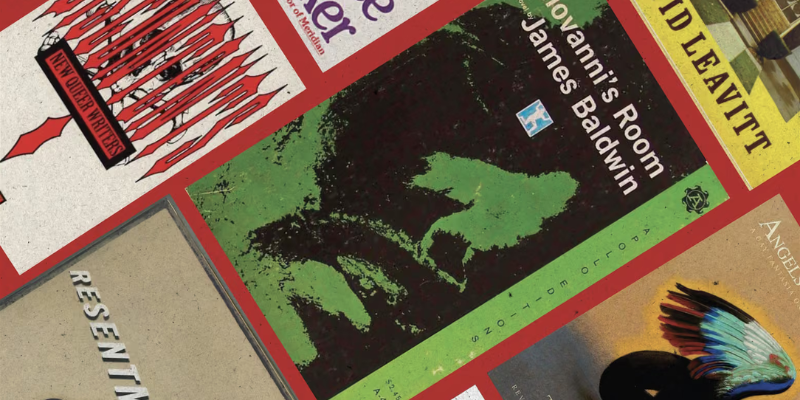
“Beautiful and terrifying’: the best American LGBTQ+ books, chosen by Samuel R Delany, Kaveh Akbar, Eileen Myles and more,” The Guardian
Is it cheating to use a reading list to point to another reading list? Oh well! For those of you seeking the long read—and for those of you more inclined to fiction—I thought this Guardian round-up of queer American books recommended by queer American writers was especially wonderful.
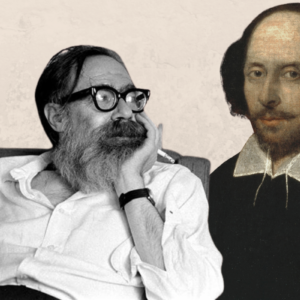
We’ve got Sarah Schulman extolling Carson McCullers, snd Kay Gabriel praising John Keene. And a fun genre bonus: poetry and plays are fairly represented in this alt-canon, which isn’t always the case. In short, this list reminded me that our radicals and renegades are the best thing about this great nation.
In the arts, and on the streets.

Brittany Allen
Brittany K. Allen is a writer and actor living in Brooklyn.